Best 15x56 Binoculars for Hunting: A Clear Buying Guide for 2026
Disclosure: We may earn a commission when you buy through links on this page, at no extra cost to you. As an Amazon Associate I earn from qualifying purchases. Learn more

A plain guide to the best 15x56 binoculars for hunting: key specs, tripod needs, low light limits and mistakes first time buyers should avoid.
Buying your first big hunting binocular can feel confusing, because the numbers and glass terms all sound alike. This guide starts with the basics and builds step by step, so the best 15x56 binoculars for hunting stop being a mystery and become a clear choice. Use the product table to match each model to the way you hunt.
A 15x56 is a specialist tool. It gives strong detail at long range, but it asks more of your hands, your pack and your budget than a smaller binocular does. The sections below show who gains from that trade and which specs change what you see.



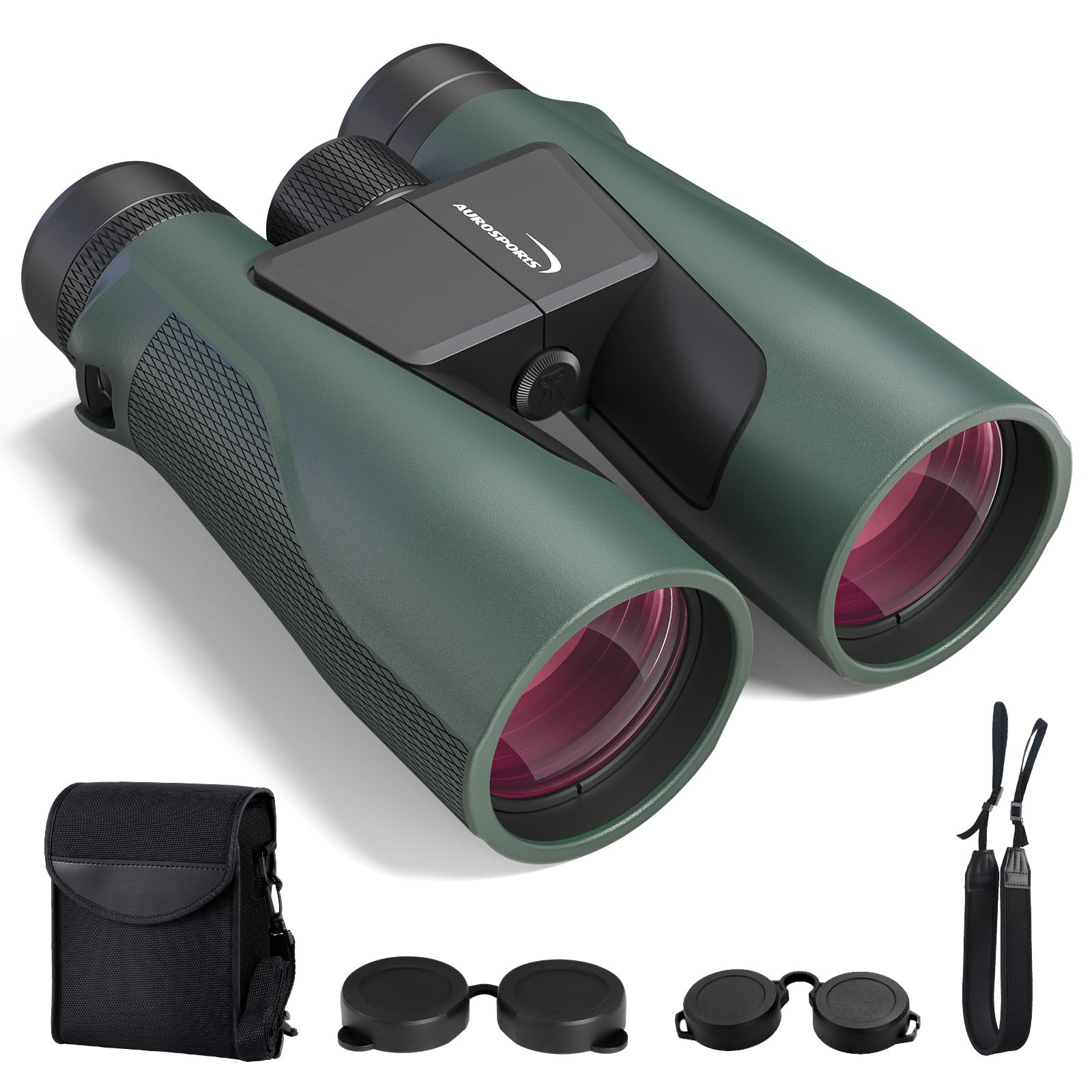


15x56 Binoculars 101: The Basics
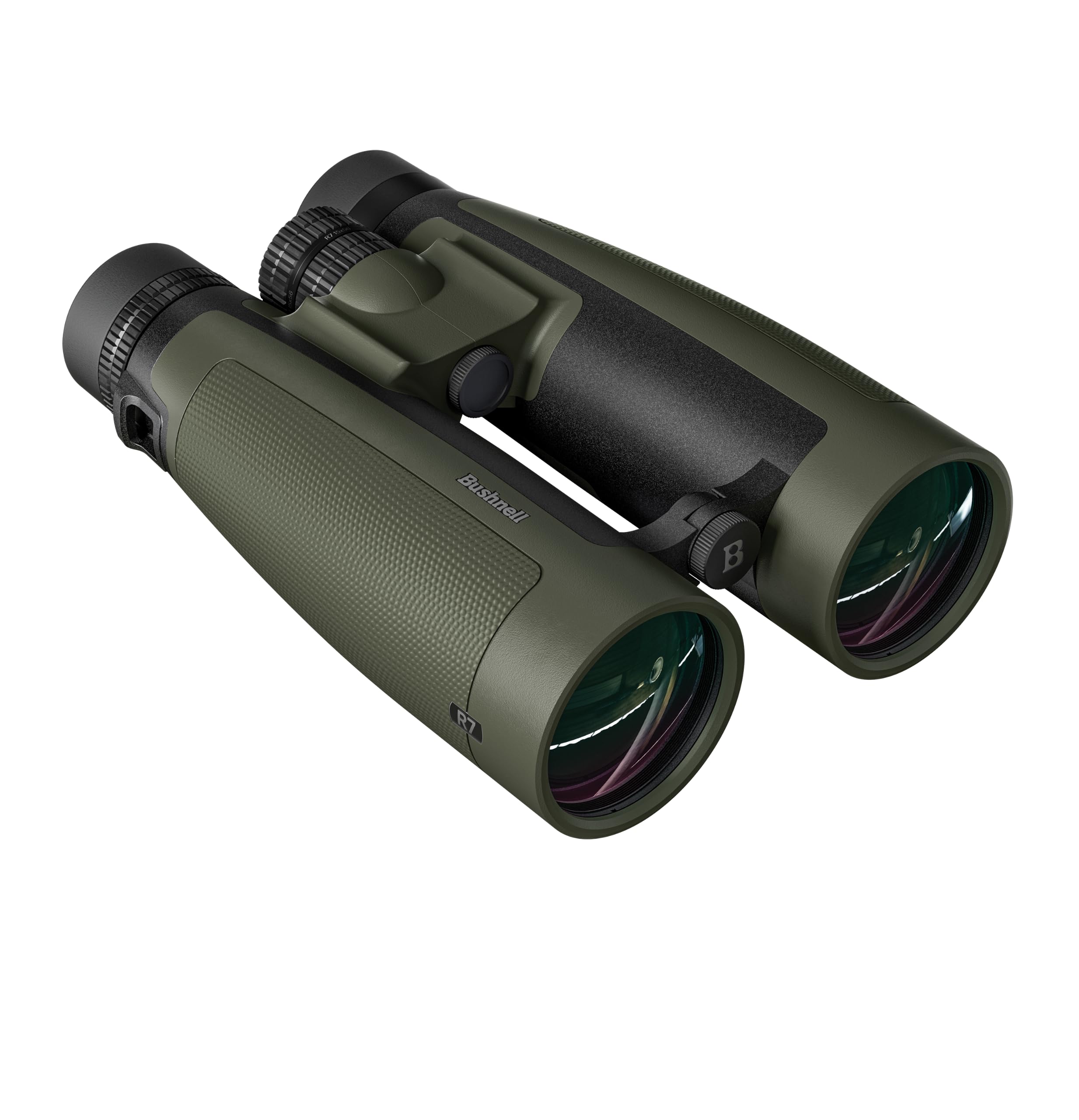
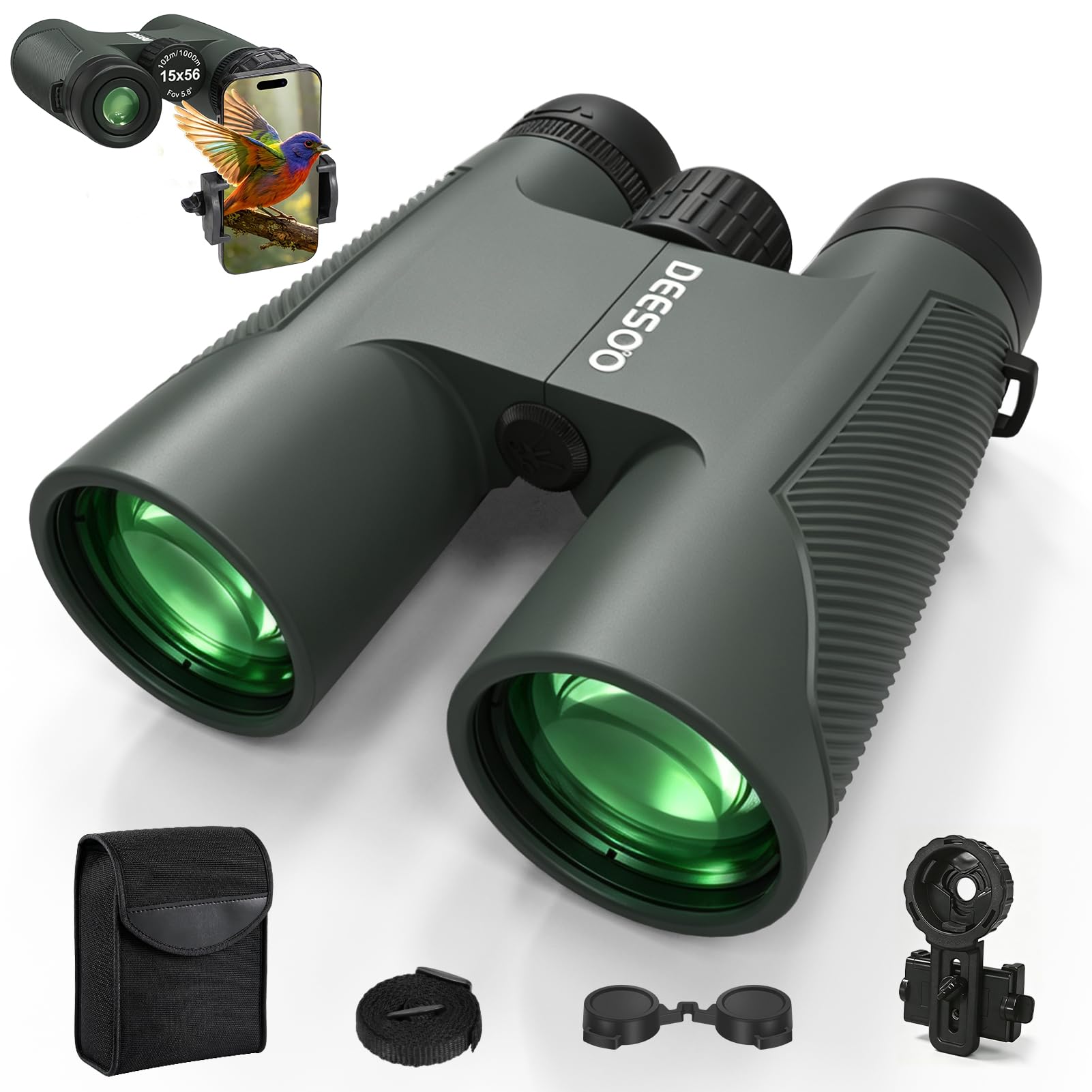
The first number, 15x, is the magnification. An animal 1,000 yards away looks as if it stood about 67 yards away. The second number, 56, is the objective lens size in millimeters, the front lenses that gather light. Bigger front lenses can feed a brighter image, but they make the binocular larger and heavier than common 42 mm models.
Light enters the front lenses, passes through prisms that flip the image upright, and reaches your eyes through the rear lenses. That simple path explains why the best 15x56 binoculars for hunting earn their keep in open country, where you judge distant animals from one spot instead of scanning thick cover on the move. For the wider category view, see our guide to the best 15x56 binoculars for general use as well as hunting.
Who Should Buy 15x56 Binoculars for Hunting?
Match the binocular to the ground you hunt and the way you spend your glassing time. These three groups gain the most from this size.
Open Country Hunters Who Glass From One Spot
You set up on a ridge or a canyon rim and watch basins for an hour or more. Reach matters more than a wide view, because game appears as small shapes far across the slope. A 15x56 on a tripod lets you pick apart brush lines and shadow edges without walking closer and giving away your position.
Deer Hunters Who Judge Animals Before Moving
You need to judge antler points, body size and age before you plan a stalk. The extra magnification helps you make that call from a safe distance. Readers who hunt whitetails in timber may also want to see our guide to the best binoculars for deer hunting, since closer ranges often favor a smaller binocular.
Dawn and Dusk Hunters Who Watch Field Edges
You sit at first and last light, when animals step out to feed and the light is thin. The large front lenses help you separate a deer shape from brush and shadow at distance. You move less than a timber hunter, so the weight sits on a tripod instead of your chest.
15x56 Hunting Specs Decoded for Field Use
Read each spec for what it changes in the field, not for how impressive it sounds on a box.
Features That Matter for Hunting
Hunting asks for detail at distance, a view you can hold steady, and gear that survives cold, dust and light rain. A 15x56 serves the first need well, so the other specs decide whether you can use that detail in real weather and real light. Judge every model on steadiness, glass clarity, sealing and fit for your eyes before price.
Magnification, Objective Lens and Field of View
Magnification and objective lens size work as a pair. At 15x you gain detail, but your field of view narrows, often to about 220 to 240 feet at 1,000 yards. A narrow view makes moving animals harder to follow and small shakes look bigger. The 56 mm lenses gather more light than 42 mm lenses, yet they add bulk. Choose 15x56 when distance is your main problem, and a lower power when you follow game through trees.
Exit Pupil and Brightness in Low Light
Divide the objective size by the magnification and you get the exit pupil, about 3.7 mm on a 15x56. That small circle of light reaches your eye, so in dim light a 15x56 can look less bright than an 8x42, even with bigger front lenses. For the darkest minutes, keep the lenses clean, because smudges steal contrast you cannot spare.
Glass, Coatings and Prism Quality
Clear glass matters more at 15x, because weak edges and color fringing grow easier to see. Look for extra low dispersion glass, often marked ED, if you glass bright snow or pale sky, since it can reduce the colored fringe around antlers and branches. Full multi coatings raise contrast by cutting stray reflections. Careful prism glass with phase coatings usually shows finer detail than a cheap model with the same numbers.
Shake, Weight and Tripod Support
At 15x, your pulse and breathing move the image, and most hunters cannot hold this power steady for long by hand. Full size binoculars in this class often weigh about 2 to 3 pounds, which tires your arms during long sessions. A tripod adapter that screws into the front hinge solves most shake. Check that the model accepts an adapter before you buy, and practise mounting it at home.
Eye Relief, Sealing and Focus
Eye relief is the distance your eye can sit from the rear lens and still see the full view, and glasses wearers usually want about 15 to 18 mm or more. Turn the eye cups down with glasses and up without them. Weatherproof sealing with internal gas filling helps stop inside fog when you move from a warm truck into cold air. A smooth focus wheel and a locking diopter ring help you keep sharp focus for both eyes.
Setting Up a 15x56 for Your First Glassing Session
Set the binocular up at home first, where you can take your time. Follow these steps in order.
- Set the barrel spacing so the two circles merge into one round view with no dark edges.
- Cover the right lens, focus the left eye with the center wheel on a distant sign, then swap sides and set the diopter ring for the right eye.
- Adjust the eye cups for your glasses or bare eyes, then check that you see the full view.
- Mount the tripod adapter, level the view, and scan slowly in overlapping strips so you do not skip ground.
- Fit the neck strap or harness, and pack a soft lens cloth in a pocket you can reach without standing up.
Many hunters move this weight off the neck. To compare carry options, see our guide to the best binoculars harness for hunting and check the fit with your jacket on.
Common Mistakes to Avoid
- Buying 15x power for thick timber leaves you with a narrow view that loses moving animals in the trees.
- Skipping a tripod turns the extra detail into constant shake, so you see less than with a steady smaller binocular.
- Ignoring eye relief means glasses wearers lose the edges of the view and strain to see the full picture.
- Judging brightness by lens size alone misleads you, because the small exit pupil limits what reaches your eye at dusk.
- Paying for reach you rarely use wastes budget that could buy better glass, so match the power to your real hunting distance.
Care and Maintenance of 15x56 Binoculars
Blow loose grit off the lenses before you wipe, because sand dragged across glass can scratch the coatings. Use a soft lens cloth with a drop of lens fluid for smudges, working in small circles from the center outward. Never clean a lens with your shirt or a paper towel, since rough fibers and grit cause the haze you are trying to remove.
Keep the lens caps on during travel, and store the binocular dry in its case, away from heat vents and damp basements. If rain soaks the outside, stand it indoors with the caps off until the body dries. Let a service center handle any fog inside the barrels.
Frequently Asked Questions
What features matter most in 15x56 binoculars for hunting in open country?
Steady support, clear glass and honest low light performance matter most in open country. One point new buyers miss is balance on the tripod head, because a binocular that creeps or tips forces you to hold it in place. Try the mount with gloves on before the season starts.
What specs matter most for a beginner buying a first 15x56 hunting binocular?
Start with eye relief, weight and a focus wheel you can turn smoothly with one finger. Borrow a 15x56 from a friend for one morning if you can, because an hour behind the glass teaches more than any spec sheet. Note how fast your arms tire during that hour.
How much should I spend on my first 15x56 binocular for hunting?
Many first time buyers land between about $300 and $800. Spending more mainly buys clearer edges, better coatings and stronger sealing. If your budget is tight, see our guide to the best inexpensive binoculars for hunting and consider a lower power model, which often gives clearer glass for the same money.
Which traits make a 15x56 binocular better for low light hunting?
Coating quality and clean, well aligned glass matter more than raw lens size at dusk. Twilight also rewards patience, since animals often move in the last minutes when contrast drops fast. Sit so the animal stands outlined against a lighter background, and the same binocular will seem to gain a few extra useful minutes.
What does 15x56 mean compared with 8x42 or 10x42 binoculars?
A 15x56 magnifies more and uses larger front lenses than an 8x42 or a 10x42, but it shows a narrower field and weighs more. The smaller sizes suit walking and timber, while the 15x56 suits seated glassing. Count how often game stood beyond comfortable 10x range on your recent hunts, because that count tells you which size fits your ground.
Final Thoughts
Choose for steadiness first, glass clarity second and fit for your eyes third, and the reach of 15x will work for you instead of against you. Match the power to open ground, budget for a tripod adapter, and compare the picks in the product table against the specs that matter for your hunts.
Chosen well, the best 15x56 binoculars for hunting turn distant shapes into clear decisions, and that is exactly what a first time buyer needs from this specialist size.