Best 15000 Btu Window Air Conditioners (2026): Buying Guide
Disclosure: We may earn a commission when you buy through links on this page, at no extra cost to you. As an Amazon Associate I earn from qualifying purchases. Learn more

What to check before you buy the best 15000 btu window air conditioner: room coverage, outlet type and noise, and which type fits your home.
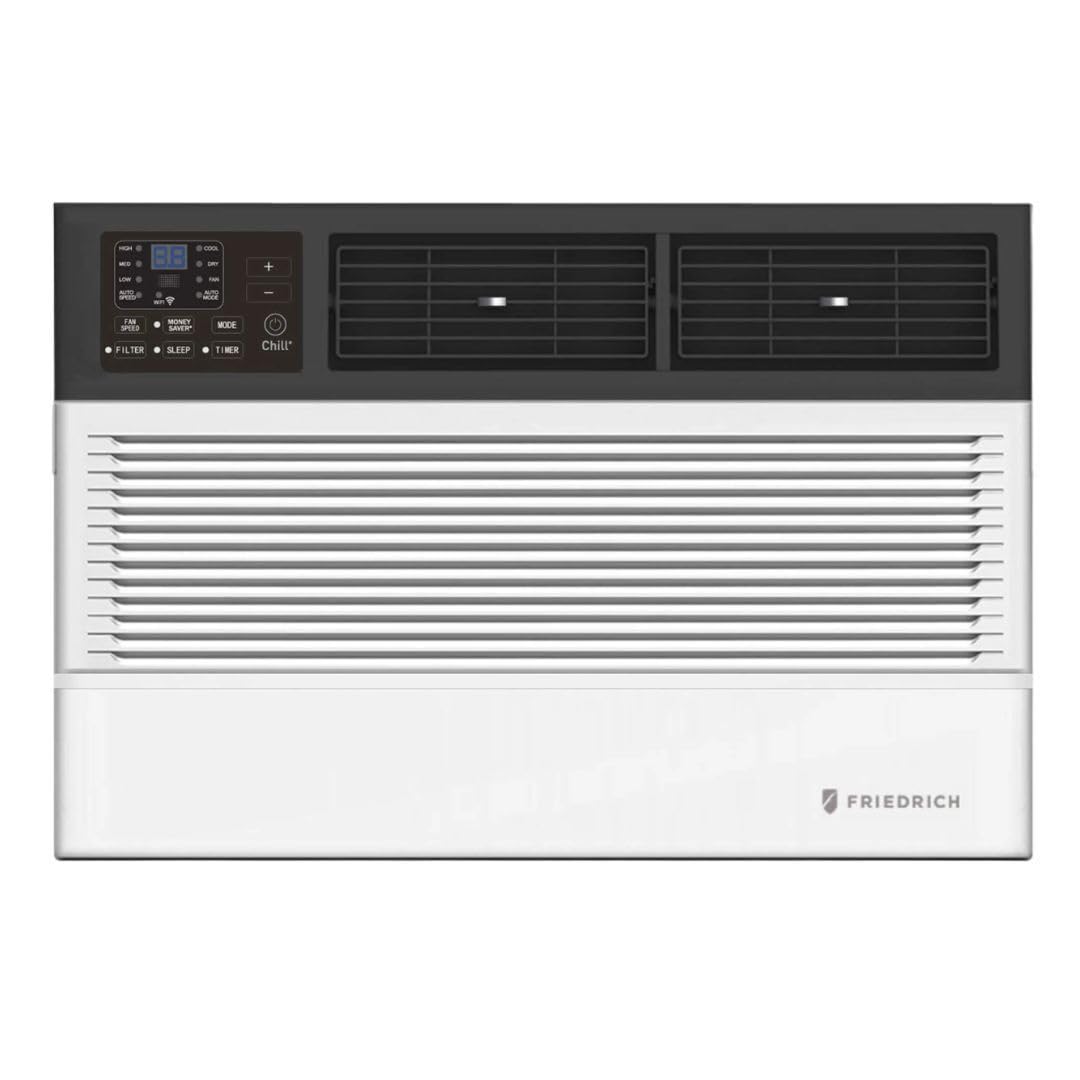
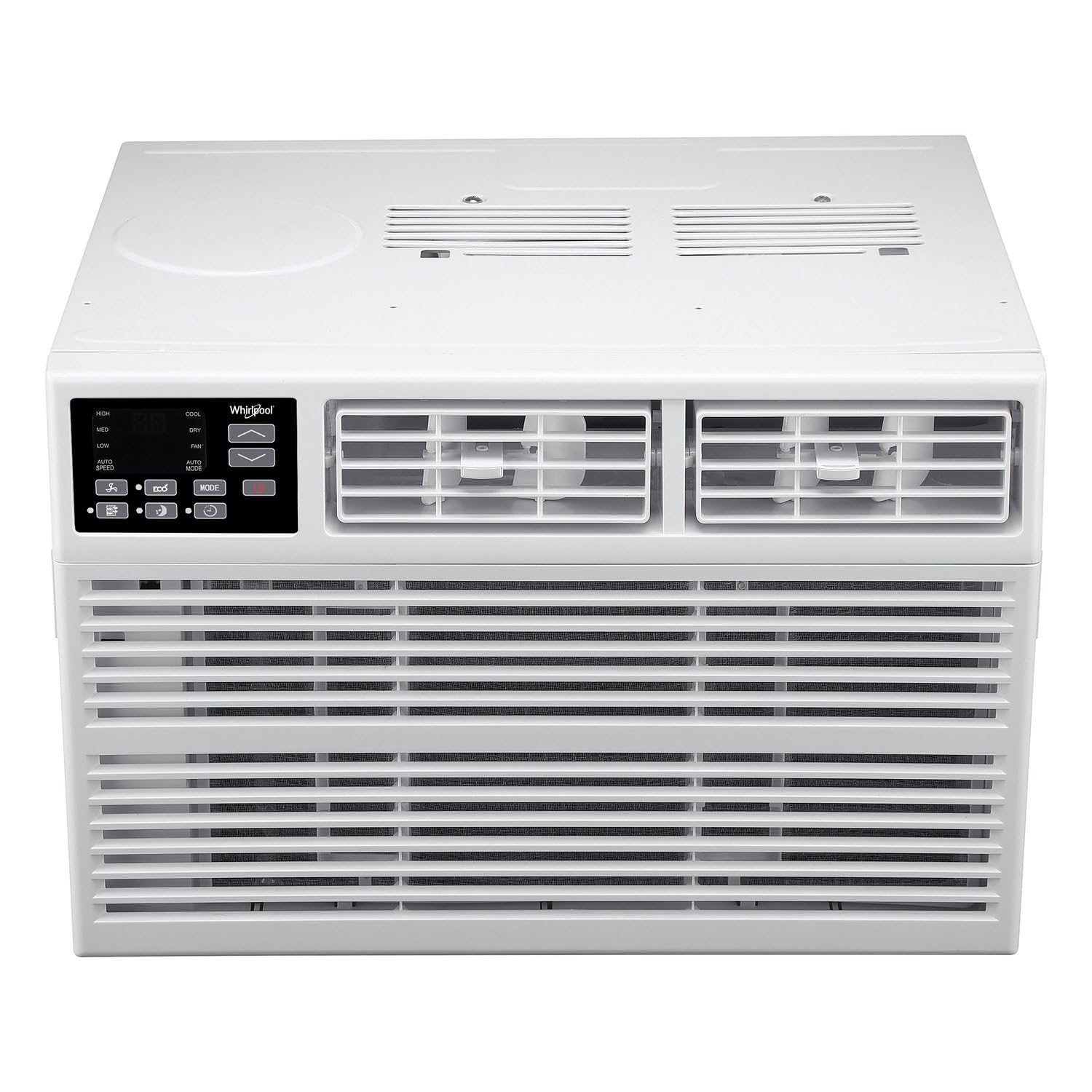
A 15000 Btu window unit is a big step up in cooling power, and that jump brings new questions about outlet type, window strength, weight, and noise. Finding the best 15000 btu window air conditioner for your space means matching that power to your room first, then comparing compressor type, energy ratings, and controls. The comparison table below sums up the main types in this size class so you can see the trade offs at a glance.
This guide walks through those types, the features that matter at this capacity, and the fit checks to do before you order. If you are still weighing every size, our guide to the best window air conditioner gives the wider picture.

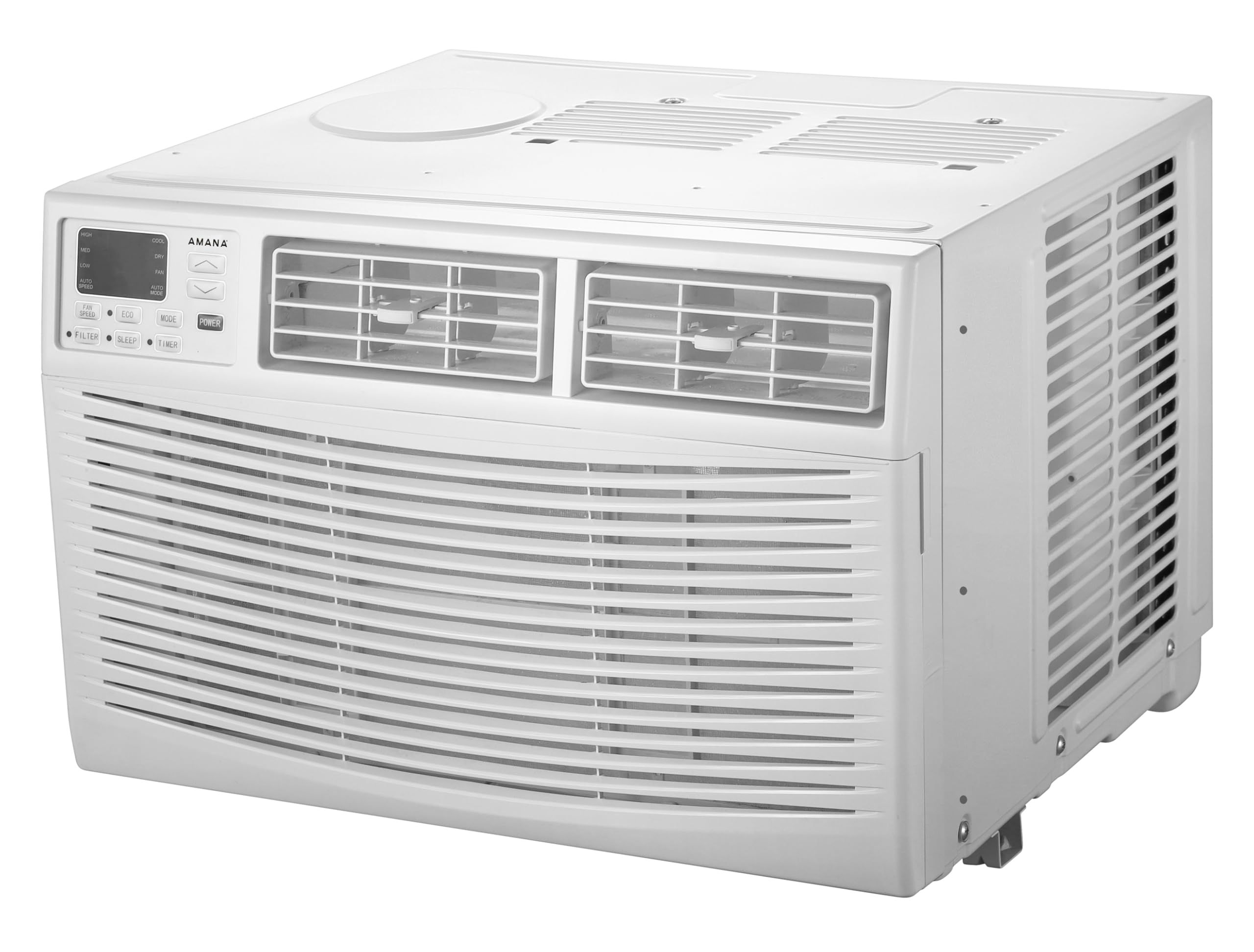


Types Compared in the 15000 Btu Class
Units at this capacity fall into three broad types. They deliver similar peak cooling, but differ in how steady the temperature feels, how much power they draw, and how much noise they make across a long afternoon.
Standard Fixed Speed Models
A fixed speed compressor runs at full power until the room reaches your set point, then shuts off and restarts as the room warms. You feel mild swings in temperature and humidity, and each restart is the loudest moment. These models cost the least and suit living rooms and workshops where small swings go unnoticed.
Inverter Models
An inverter compressor slows down and speeds up instead of switching fully off, so it holds a steadier temperature and pulls less power once the room is cool. Low speed running is also quieter, which helps in bedrooms. The price runs higher, but long daily run times can repay much of that gap.
Smart Connected Models
Smart models add WiFi control through a phone app and scheduling that cools the room before you get home. The hardware underneath is usually similar to a standard or inverter unit, so judge the cooling specs first and treat the app as a bonus. Choose this type if the room sits empty for hours each day.
How These Types Were Evaluated
No single model is the best 15000 btu window air conditioner for every home, so the comparison weighs factors that change daily comfort at this size: room coverage, cooling steadiness, rated noise, energy ratings, filter access, and installation demands. Specs come from manufacturer listings, and the decision always starts with capacity and fit rather than a brand name.
Who Should Buy a 15000 Btu Window Unit
Open Plan Living and Dining Areas
If your living room flows into a dining area or kitchen with no door between them, you are cooling one large shared volume of air. A 15000 Btu unit fits that layout when the combined space measures about 700 to 1000 square feet. You need aimable louvers and a strong fan throw, since cool air must travel the full length of the room.
Large Primary Bedrooms and Suites
A big bedroom with an attached bath and a door that stays closed at night is its own cooling zone, and smaller units often run all night without catching up. This size handles the load, but noise on low fan becomes your deciding factor. Choose a type with a true sleep mode and a low speed that stays quiet all night.
Studios and Small Whole Home Spaces
In a studio apartment, one unit may cool the entire home, so it runs more hours per day than a unit in a single room. That duty favors an inverter type, which uses little power at low speed during mild hours. You also need a good dehumidifier mode, since cooking and shower steam add moisture to the same air.
Key Features to Compare
Size, Weight, and Window Fit
Units in this class are wide and heavy, often weighing about 100 pounds or more, so measure your window opening and check the listed width range before anything else. Most models fit double hung windows and need sturdy side panels plus a support bracket under the outer edge. Sliding and casement windows need a different frame style, so confirm your window type first. Plan on two people for the lift.
Compressor Type and Cooling Feel
Beyond the peak rating, think about how the unit behaves after the first hour. A fixed speed model cools in bursts and lets humidity creep back between cycles, while an inverter model runs longer at low power and keeps pulling moisture from the air. In a humid climate, that steady drying often feels cooler at the same setting. If the room cools fast but still feels damp, compressor behavior, not more capacity, is usually the fix.
Energy Ratings and Running Cost
Look at the CEER rating on the yellow energy label, since a higher number means more cooling per watt. An Energy Star certified model can use noticeably less power over a long summer than a basic model with the same Btu rating. Cost still depends on your local rate and run time, and our guide to how much electricity does a window air conditioner use shows how to estimate your bill from the label wattage.
Noise, Airflow, and Moisture Control
Expect roughly 55 to 62 decibels on high fan from a standard model, with low fan several decibels quieter, and inverter models often softer still at low speed. Check for four way louvers so you can aim air along the room instead of straight at a sofa or bed. A dry mode helps on muggy days when the air feels sticky but not hot.
Filters, Controls, and Features Worth Paying For
A washable slide out filter is standard at this size, and easy front access matters because you will clean it often. A filter check light is worth having, since a clogged filter quietly cuts airflow. Remote control is near universal, while WiFi scheduling and a heat mode are the extras to weigh. Heat mode suits a room that needs a little warmth in spring and fall, but it should never rescue a poor fit.
What You Get at Each Price Level
Basic fixed speed models in this class generally run about $400 to $550 and cover the core job with a simple remote. Spending about $550 to $750 usually buys inverter drive, lower noise, and app control. Paying more should get you a stronger warranty and quieter low speed running. If a price sits far below this range, check the Btu rating and voltage again.
Is a 15000 Btu Window Air Conditioner the Right Size for You?
The standard sizing guide puts this capacity at rooms of about 700 to 1000 square feet with normal ceiling height. Adjust upward if the room gets strong afternoon sun, holds a kitchen, or regularly seats more than two people, since each factor adds heat. Adjust downward for a shaded, well insulated room, where a smaller unit would run longer cycles and dry the air better.
If your space is a single modest bedroom, step down instead, since oversizing brings short cycles and clammy air. Our guide to the best 5000 btu window air conditioner covers that end of the range. For a very large open area, our picks for the best window air conditioner for large rooms compare the next sizes up. And if you plan to cool the same space for many years, the window ac vs mini split comparison explains when a permanent system makes more sense.
Installation Checks Before You Buy
- Measure the window opening, then compare both numbers with the size range in the listing.
- Find the outlet type near the window. Many units in this class need a 230 volt outlet with a special plug, while others use a 115 volt outlet rated for higher amps, and neither fits the other.
- Check the circuit. A unit this size should sit on a line with little else drawing power.
- Inspect the sill and frame for rot or loose trim, and plan a support bracket if the listing calls for one.
- Confirm you have help for the lift and a clear path to the window before delivery day.
Common Mistakes to Avoid
- Buying this size for a small bedroom, which causes short cycles that leave the air cool but damp.
- Ordering before checking the plug type, which leaves a delivered unit that cannot connect to your outlet.
- Skipping the support bracket, which lets a heavy unit tilt inward and strain the frame.
- Sealing gaps with loose towels instead of the supplied panels and foam, which lets hot air leak in all day.
- Ignoring the filter check light for months, which slowly cuts airflow and cooling.
- Blocking the front with curtains or furniture, which traps cool air near the window.
How to Make Your Window Air Conditioner Last Longer
Rinse or vacuum the washable filter about every two weeks during heavy use, and more often in a dusty room or a home with pets. Keep shrubs and stored items clear of the outside vents so hot air can leave freely. Once a season, check that the unit still tilts slightly toward the outside so water drains out instead of pooling in the case.
For a full routine with coil care and storage steps, follow our walkthrough on how to clean a window air conditioner. Store the unit indoors and upright over winter if you remove it. A unit that starts each summer clean and level will cool better and strain less.
FAQ
Does a 15000 Btu window air conditioner need a dedicated circuit?
In most homes, yes, or at least a circuit with almost nothing else on it. A unit in this class can draw close to the limit of a standard household circuit while the compressor runs. If the breaker trips on hot afternoons, other loads on that line are the usual cause. An electrician can confirm panel capacity before you buy, which beats solving it after delivery.
Can a 15000 Btu window air conditioner cool two rooms at once?
It can cool a second room only when air moves freely between the two, such as through a wide open doorway. A small fan placed to push cool air toward the second room helps more than raising the fan speed on the unit. Expect the far room to stay a few degrees warmer, and close doors to unused rooms so the unit spends its capacity where you sit.
Why does a 15000 Btu window air conditioner freeze up on cool nights?
Ice forms on the coil when outside air turns cool but the compressor keeps running at a low indoor setting, since the coil gets cold enough for moisture to freeze instead of drain. Fan only mode on mild nights prevents it. If you see ice, switch the unit off until it melts fully before restarting. Repeated freezing after a warm day points to low airflow or a service issue worth a technician visit.
How long does a 15000 Btu window air conditioner last?
Most units in this class last about 8 to 12 years with regular filter care and dry winter storage. Coastal air and constant daily use shorten that span, while a shaded window extends it. A unit that still cools well but grows loud often has worn fan parts rather than a failing compressor. Weigh repair cost against age, since a unit past ten years is near the end of its efficient life.
Can you run a 15000 Btu window air conditioner on a generator during an outage?
Yes, if the generator is large enough to handle the startup surge, which is higher than the running wattage on the label. Check both numbers and leave a safety margin instead of matching the running figure exactly. Start the unit on fan only, then switch to cool once the generator settles. Keep the generator outdoors and away from windows, since exhaust near an open window defeats the cooling.
Final Thoughts
Start with the room, not the rating. Measure the space, confirm the outlet and window can support a unit this size, then pick the compressor type that fits how many hours a day it will run. The product table above pulls those trade offs together so you can compare types side by side.
For most large living spaces, the best 15000 btu window air conditioner is the one that matches your square footage, runs quietly enough for the room, and fits your window and circuit without modification. Get those three things right and the extras become easy choices.