
Best 15 Inch Touch Screen Laptops 2026 Guide for Work
Disclosure: We may earn a commission when you buy through links on this page, at no extra cost to you. As an Amazon Associate I earn from qualifying purchases. Learn more

Best 15 inch touch screen laptops suit note takers and creatives. See how to judge the screen, stylus, hinge, and battery.
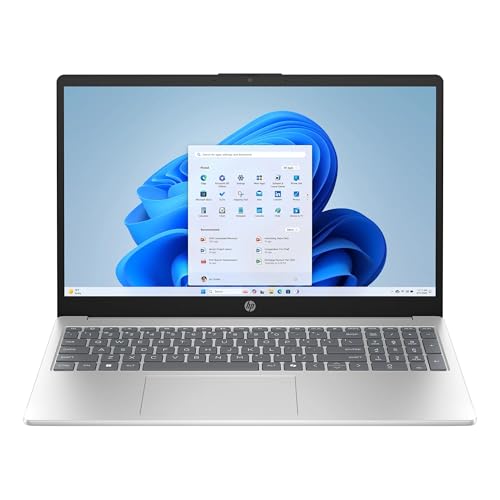
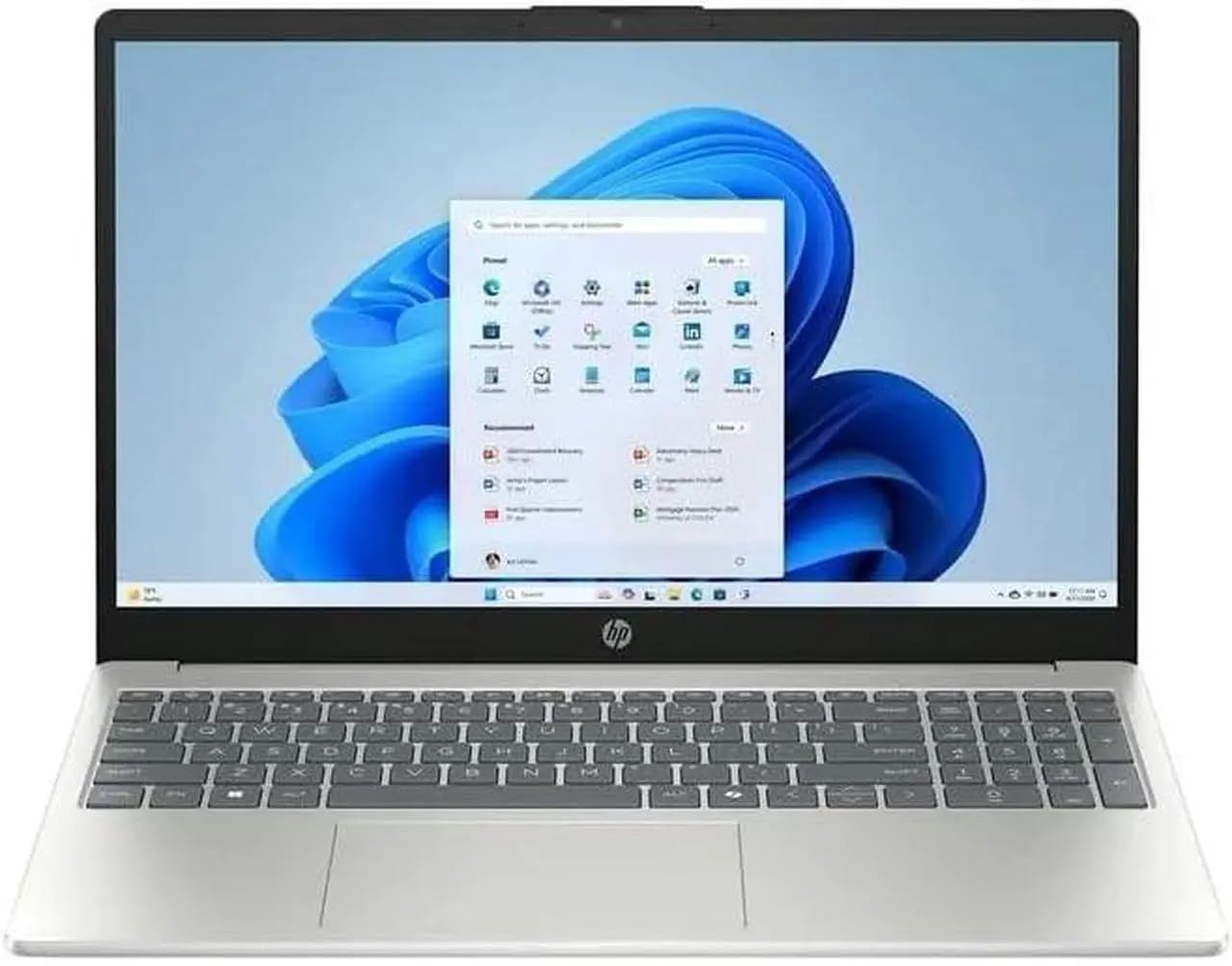
A 15 inch touch screen adds a direct way to work, tap, scroll, sketch, and sign, on a screen large enough for real work, and that combination defines best 15 inch touch screen laptops. It suits note taking, presentations, and creative tasks, but it also adds weight, cost, and battery use. The product table shows the main options side by side so you can weigh those trade offs.
Touch is most useful when it complements a keyboard, not when it replaces one. You will still type long documents on keys, while touch helps with navigation, annotation, and quick edits. Check screen quality, hinge design, and stylus support together, since a poor hinge or a dim screen undermines the whole idea.



Who Should Buy a Touch Screen Laptop
A touch screen suits students who annotate notes, presenters who mark up slides, and creative users who sketch or edit photos. It also suits anyone who likes tapping and scrolling on a large screen, or who works standing up and cannot always use a mouse. A convertible that folds flat adds tablet mode for reading and sketching.
It is less suited to users who never touch the screen and prioritize battery life and lightness, since touch layers add weight and power use. If you type all day and rarely annotate, a non touch model with a better screen or battery may serve you better for the same money. Try touch in a shop to see if it fits your habits before paying extra.
How to Choose the Best 15 Inch Touch Screen Laptops
Screen quality comes first. Look for a bright, sharp display with good colors and viewing angles, since a 15 inch screen is your main workspace. Touch responsiveness should feel immediate, with no lag or missed taps, and a matte or low glare finish helps in bright rooms. If you sketch, check stylus support, pressure levels, and whether a pen is included.
Performance, battery, and hinge come next. Enough memory and fast storage keep touch, apps, and browsing smooth together, while battery life decides whether a touch laptop survives a workday. A sturdy hinge matters for touch use, since a wobbly screen frustrates tapping and writing. Weight and charger size matter too, since 15 inch laptops travel less lightly than smaller models.
For related sizes, see best laptops with 15 inch screen and best touch screen laptops. A carry option is covered in best backpacks for 15 inch laptops, and brand specific touch models in best Dell touch screen laptops.
Convertible, Traditional, and Stylus Use
A traditional touch laptop keeps a standard hinge and adds touch to a normal screen, which suits users who want touch occasionally. A convertible folds flat or rotates into tablet mode, which suits sketching, reading, and presenting, though hinges and weight need care. A detachable keyboard model goes further toward tablet use, but typing comfort varies.
Stylus use deserves its own check. A good stylus feels natural, with low lag and palm rejection so your hand does not make stray marks. Check whether the pen stores in the laptop or needs a separate case, and whether replacement tips are available. For note taking, a quiet keyboard and a screen that works well with a pen matter more than raw speed.
Common Mistakes to Avoid
One mistake is paying for touch and never using it, which wastes money and battery. Another is choosing a dim or low resolution screen because the touch feature distracted from display quality. A third is ignoring hinge strength, since a screen that wobbles when tapped quickly becomes annoying.
Also avoid assuming every touch laptop supports a good stylus, since pen quality varies widely. Try writing and drawing if you plan to sketch. Finally, check weight honestly, since a 15 inch touch laptop plus charger adds up in a bag.
Living With a Touch Screen Laptop Day to Day
A touch screen laptop changes how you work gradually, as tapping, scrolling, and sketching become natural alongside keyboard and mouse use. Keep the screen clean with a soft cloth, since fingerprints and smudges reduce clarity and touch accuracy over a day. A matte screen protector can reduce glare and fingerprints, though it may slightly soften display sharpness.
Posture deserves attention too, because reaching for a screen all day can strain shoulders and neck if the laptop sits too low. Use a stand or a raised surface for long sessions, and reserve direct touch for tasks where it genuinely helps, such as sketching or scrolling. Mixing input methods, rather than touching everything, keeps work comfortable over a full day.
Software habits matter as well, since some apps suit touch better than others. Learn the touch gestures for your operating system, and check whether your main apps support stylus input or touch friendly controls. A laptop that matches your software will feel fluid, while a mismatch can make touch feel like a novelty rather than a tool.
A Final Check Before You Order
Before ordering, try touch responsiveness in person if possible, checking for lag, missed taps, and palm rejection during writing. A screen that registers taps slowly will frustrate you daily, however sharp its display looks. Also check hinge firmness at several angles, since a wobbly screen undermines both touch and typing.
Compare battery life with touch use in mind, since a bright touch display can drain power faster than a standard screen. Check weight with the charger included. Also confirm stylus compatibility and cost, since a good stylus may be sold separately.
Finally, decide honestly how much you will actually use touch, since paying for a feature you rarely touch wastes budget. If you sketch, annotate, or present often, touch earns its price quickly. If you mainly type and use a mouse, a standard screen with a better processor or battery is the wiser spend.
Presenters should rehearse screen sharing and external display connections before an important meeting. A quick run through avoids awkward fumbling with cables and settings in front of an audience.
Artists should check stylus pressure levels and tilt support for their drawing software specifically. Generic stylus claims do not guarantee a good experience in every creative app.
Teachers using a touch laptop for lessons should try annotation tools with their classroom software before term starts. Smooth writing and reliable palm rejection make live annotation a pleasure, while laggy input distracts students and wastes lesson time.
Frequently Asked Questions
Is a touch screen worth it on a laptop?
It is worth it if you annotate, sketch, present, or like direct navigation, since touch adds a fast, natural way to interact. It is less worth it if you only type and browse with a mouse, since it adds cost, weight, and battery use. Try touch for your real tasks before paying extra, not just in a demo.
Do touch screen laptops have worse battery life?
Touch layers and brighter screens can use more power, though the difference varies by model and use. A touch laptop used mainly with keyboard and mouse may show little difference, while heavy touch and pen use drains faster. Check real world battery claims for touch models specifically, not just the non touch version.
Can I use any stylus with a touch laptop?
No, stylus compatibility depends on the screen technology, so check whether the laptop supports an active pen and which pens work with it. A passive capacitive stylus works for tapping but gives poor writing quality. For notes and sketching, use the pen type the maker recommends and check palm rejection.
Is a 15 inch laptop too big to carry daily?
It depends on your bag and commute, since 15 inch laptops weigh more and need larger bags than 14 inch models. They suit desk based work with occasional travel better than constant carrying. If you walk far daily, check total weight with charger and consider a padded bag designed for the size.
What hinge type is best for touch use?
A firm hinge that holds the screen steady when tapped is essential, since a wobbly screen frustrates touch and writing. Convertible hinges that fold flat suit tablet mode, while traditional hinges suit occasional touch. Try tapping and writing at different angles before you buy.
Final Thoughts
Touch earns its place when it fits your work: annotating, sketching, presenting, or navigating directly on a large screen. Judge screen quality, hinge strength, stylus support, and battery together, not touch alone. The product table above compares the main options, so match one to your tasks before you order. With the right balance, the best 15 inch touch screen laptops give you a screen you will actually reach out and use.


