
Best 15 Inch Passive Speakers in 2026: Which Type Is Right for You?
Disclosure: We may earn a commission when you buy through links on this page, at no extra cost to you. As an Amazon Associate I earn from qualifying purchases. Learn more

Pick the best 15 inch passive speakers by matching venue, home, or rugged cabinets to your amp, room, and budget.
A 15 inch passive speaker is a serious cabinet with a big woofer, no built in amplifier, and a sound that depends entirely on the amp or receiver you pair with it. Listings mix venue, home, and outdoor models together, and the spec sheets often borrow terms from powered and wireless products where they do not belong. This guide to the best 15 inch passive speakers sorts the types honestly so you can match a cabinet to your amp, your room, and your events.
Start with the product table for prices and power ratings, then read on for what each type does well and which specs actually predict sound.


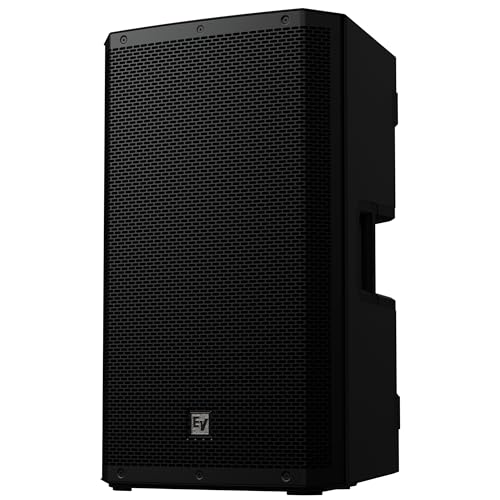


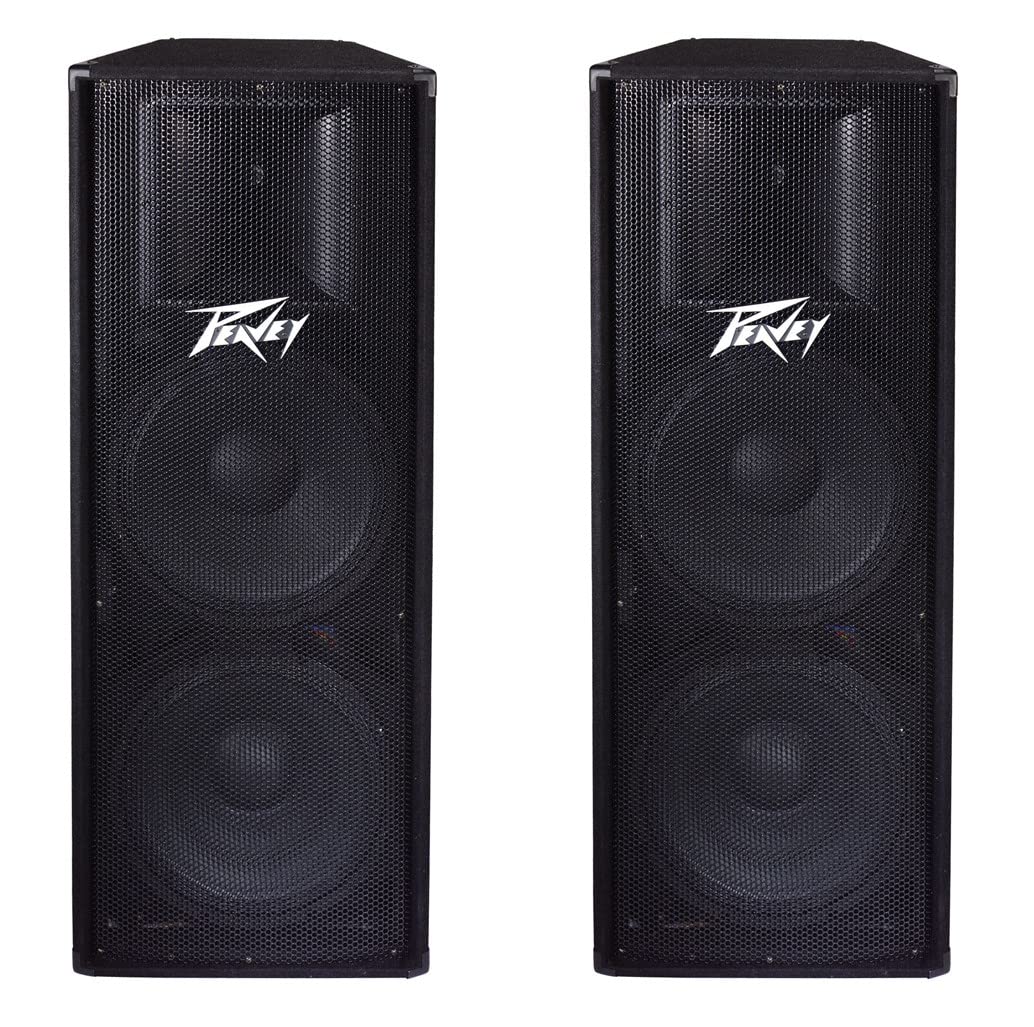
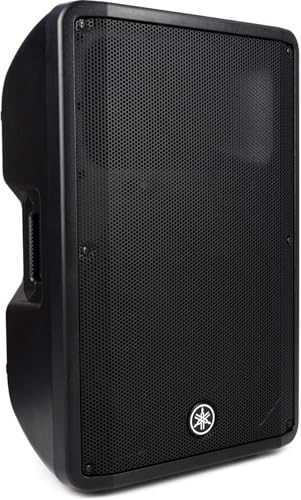
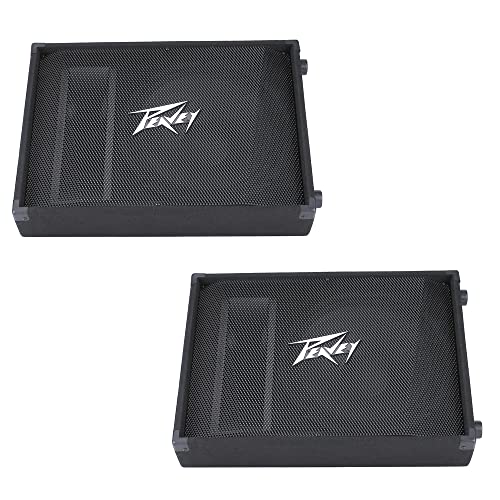
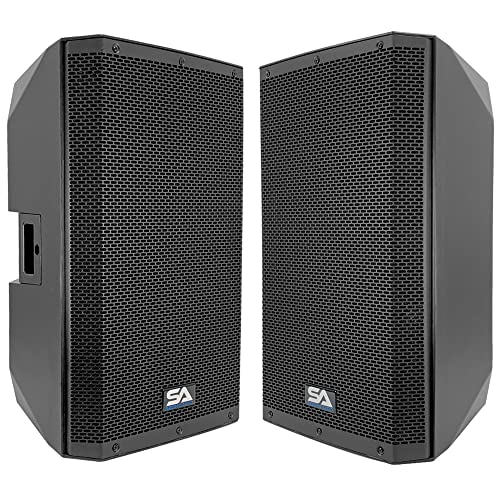

Types of 15 Inch Passive Speakers Compared
In broad price terms, home style cabinets run about $200 to $600 each, venue models run about $250 to $800 each, and rugged outdoor models often cost more for weather protection. Remember that every price here assumes you already own, or still need to buy, a suitable amplifier.
Venue and PA Models
Venue cabinets pair the 15 inch woofer with a horn or compression driver, so they play loud and aim sound at the audience instead of at walls, ceilings, and neighboring properties. They usually have handles, pole cups, and SpeakON or 1/4 inch inputs. Choose a directional venue model when you need coverage control and high output for bands, DJs, and halls.
Home and Bookshelf Models
Home models with a 15 inch woofer are large floor cabinets, not true bookshelf speakers, and they reward space with deep, relaxed bass at modest volume. They are built for listening rooms, dens, and vintage style stereo setups driven by a receiver or integrated amp. Placement matters, because a big woofer too close to a wall turns bass boomy. Choose this type if you listen at home, can give each cabinet a foot or more of breathing room, and value warmth and scale over portability.
Outdoor and Rugged Models
Rugged models use tough cabinets, metal grilles, handles, and pole mounts so they can work at weddings, school events, places of worship, and outdoor gatherings. Many are weather resistant rather than truly waterproof, which means they tolerate a covered patio or a brief drizzle but not storage in the rain. They trade fine detail for output and durability. Choose this type if the speaker travels, gets set up by different people each week, or must fill a yard or hall without strain.
If you are unsure whether passive is the right route at all, our guide to the best 15 inch speakers compares the wider category before you commit to an amplifier based setup.
Directional Venue Models vs Home Models: Which Should You Choose?
For output, a venue model plays louder with less amplifier power because its horn and woofer are built for efficiency. For home listening, the home model usually sounds smoother at low volume and blends better with furniture and room decor. For setup, venue cabinets have handles and pole cups, while home cabinets expect a fixed spot on the floor. For cost, remember the amplifier, because a venue pair may need a stronger amp than a home receiver provides. Pick venue models for events and halls, and home models for a dedicated listening space where the speakers stay put.
How to Choose the Best 15 Inch Passive Speakers
Amplifier and Connections
A passive speaker has no app, no firmware, and no settings of its own, so your amplifier, mixer, or receiver does all the work. Equalizer controls, streaming inputs, and room correction all live in that unit. Check that your amp offers the tone controls or EQ you want before blaming a speaker for a sound you cannot adjust. This split is actually a strength, because you can upgrade the electronics later while keeping cabinets you like.
Weight and Placement
A 15 inch cabinet commonly weighs about 35 to 60 lb, so check handle placement and whether one person can lift it onto a stand safely. Measure your doorways, your vehicle, and the floor space beside your listening chair or stage. Rubber feet, corner protectors, and a recessed input panel all make weekly setup calmer and protect the cabinet in transit.
Durability and Water Resistance
Most passive speakers carry no formal IP rating at all, and you should treat any cabinet as rain shy unless the maker states a rating in writing. Some outdoor versions list ratings such as IP54 for dust and splashes. Paper cone woofers suffer in damp storage, so keep cabinets in a dry space with a cover. For true outdoor installs, ask about UV stable cabinets and rust proof grilles before you buy.
Sound Quality and Tuning
Sound quality starts with sensitivity, frequency response, and the crossover that splits lows to the woofer and highs to the horn or tweeter. Sensitivity around 95 dB or higher means the speaker plays loud on modest amp power, which suits venues. A response that reaches down to about 50 Hz covers most music without a subwoofer, though dance and film work still benefits from one. Prefer honest response graphs over vague claims, and expect a big woofer to sound full rather than delicate at close range.
Power Handling and Your Amplifier
The figure that matters most is power handling, stated in watts RMS alongside impedance, usually 4 or 8 ohms. Match it to your amp output at the same impedance, aiming for an amp that can deliver roughly the speaker rated RMS power without clipping. An undersized amp pushed hard is a common cause of damaged tweeters, because distortion at high volume harms drivers. If you would rather skip the separate amplifier, our guide to the best 15 inch powered speakers covers models with the amp built in.
Vinyl listeners have extra matching questions about phono stages and receiver power, and our guide to the best passive speakers for turntable walks through that pairing in detail. For the broader passive category beyond this woofer size, see our guide to the best passive speakers.
How to Make Your 15 Inch Passive Speaker Last Longer
- Store cabinets in a dry room with a dust cover, because damp air corrodes terminals and weakens paper cones over time.
- Clean grilles and cabinets with a dry or barely damp cloth, and never spray cleaner directly onto a driver.
- Turn the amplifier down before switching sources or unplugging cables, since pops at full volume stress tweeters.
- Inspect speaker cables each season for frayed strands that can short an amplifier output.
- Keep volume below the point where the sound hardens or distorts, which is the earliest warning of driver damage.
FAQs
How much amplifier power do I need for 15 inch passive speakers?
Aim for an amp that delivers about the speaker's rated RMS power at its impedance, or a little more, with clean headroom. Peak ratings on listings are marketing figures, so use the RMS number. A slightly stronger amp used carefully is safer than a weak one driven into clipping.
Can I connect them to a home stereo receiver?
Often yes, but check impedance first. Many receivers are happiest with 8 ohm speakers, and a 4 ohm cabinet can strain them. Also confirm your receiver has speaker terminals that accept the cable you plan to use, since many venue cabinets use SpeakON connectors and may need an adapter cable.
Do I need a subwoofer with 15 inch passive speakers?
Not for most music, because a 15 inch woofer reaches fairly low on its own. For dance music, film, or very large rooms, a separate subwoofer adds weight below the cabinet's range and lets the main speakers work less hard.
What IP rating do I need for outdoor use with passive speakers?
For a covered patio, weather resistant construction is usually enough, and most cabinets have no rating, so shelter is your protection. For uncovered outdoor events, look for a stated rating such as IP54 or higher and plan covers for sudden rain. Never leave a standard cabinet outdoors overnight, because dew alone can damage cones and corrode input plates over a single season.
Should I buy one cabinet or a pair?
For stereo listening you need a pair. For a small band, a DJ, or a speech setup, a single cabinet or a pair for left and right coverage both work. Check whether the listing sells one speaker or two, because pricing varies widely.
Wrapping Up
Choose the type first, venue, home, or rugged, then match sensitivity and power handling to the amplifier you own or plan to buy. Those two checks decide whether the best 15 inch passive speakers for your space sound effortless or strained. Compare your finalists in the product table above, budget for speaker wire and stands, and you will end up with a system you can upgrade one piece at a time.


