
Best 15 Inch Speakers: Budget, Midrange, and Premium Picks for 2026
Disclosure: We may earn a commission when you buy through links on this page, at no extra cost to you. As an Amazon Associate I earn from qualifying purchases. Learn more

Compare the best 15 inch speakers by price tier, power, and room size to choose strong, clear sound for home, events, and live music.
A 15 inch speaker is a serious piece of equipment, built to fill halls, stages, and large rooms with sound that smaller cabinets cannot match. Prices for the best 15 inch speakers stretch from around $150 to well over $1,500, and the difference between tiers is bigger than the photos suggest.
This guide explains what each tier buys you, which features deserve your money, and how to size a speaker to your space. Start with the product table, then work through the tiers before you spend anything.
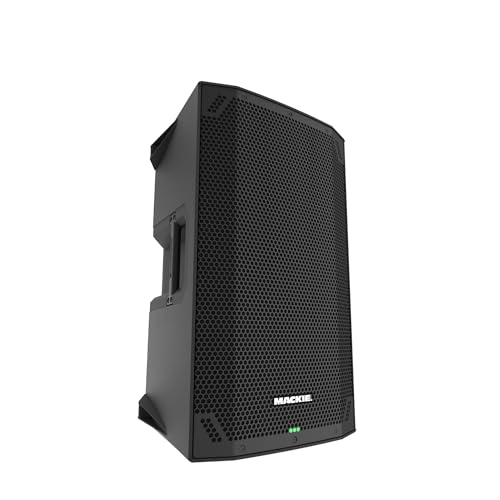

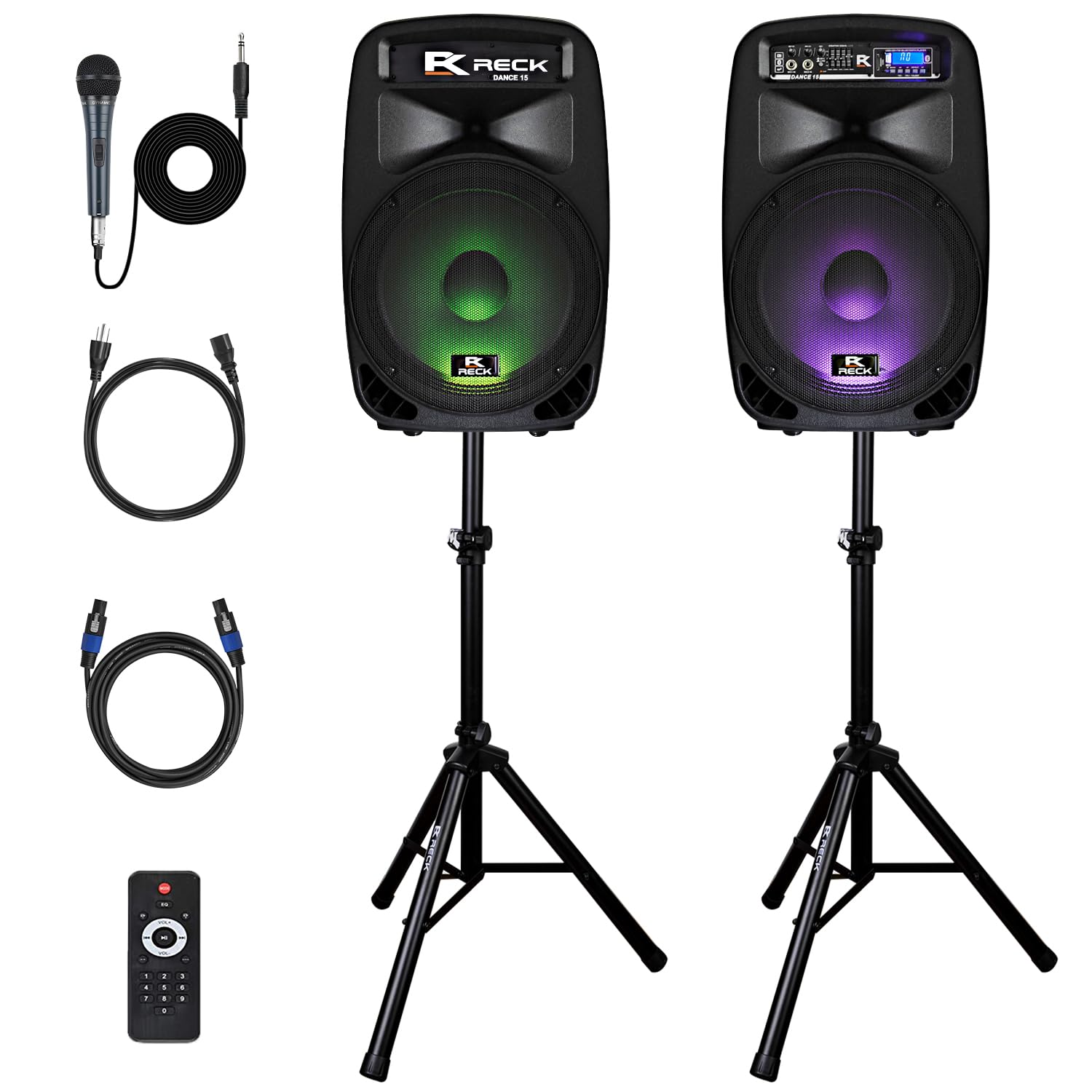


Budget Tiers at a Glance
Think of the tiers as three different answers to one question: how hard will this speaker work, and for how many people? Placing yourself in the right tier first prevents the classic error of buying a stage speaker for a living room, or a light duty cabinet for weekly events.
Budget Tier Buyer: Big Sound, Occasional Use
The budget buyer wants maximum size and volume for the least money, for garden parties, community halls, or a first live rig. These speakers play loud and cover a crowd respectably, with simpler cabinets, basic controls, and fewer connection options.
What you give up is finesse. Bass can sound loose at high volume, vocals may lack polish, and the cabinet and handles feel built for occasional rather than constant transport. For a few events a year, that trade can be entirely sensible.
Midrange Tier Buyer: Regular Gigs and Events
The midrange buyer plays often, perhaps weekly, for audiences of dozens to a few hundred people. Speakers here add stronger amplifiers, better protection circuits, clearer midrange, and cabinets that survive loading in and out of vehicles without complaint.
This is the tier where reliability becomes a feature. Consistent sound from night to night, sensible controls, and a warranty backed by a real service network matter more than a flashy extra input or light show.
Premium Tier Buyer: Professional Sound
The premium buyer earns money with sound or demands the best result a single cabinet can give. Expect refined tuning, high output with low distortion, advanced onboard processing, and enclosures built from quality materials that shrug off years of work.
Premium models also hold their tuning at extreme volume, which is where cheaper speakers turn harsh. If your events are large, your audiences paying, or your reputation on the line, this tier earns its price over years of service.
What Your Money Gets You at Each Price Tier
Budget Tier: What to Expect
Budget models generally cost around $150 to $300 each. You get a large woofer, a basic horn tweeter, simple tone controls, and enough output for rooms of roughly 100 people. Powered budget models include a modest amplifier, while passive ones assume you already own amplification.
Shop this tier by checking the essentials. Confirm the cabinet has proper handles, a pole mount socket if you use stands, and honest power figures quoted as continuous or RMS values rather than inflated peak numbers.
Midrange Tier: The Sweet Spot for Most Buyers
Midrange models generally cost about $300 to $700 each. The gains are easy to hear: tighter bass, smoother vocals, and volume that stays clean as you push it. Controls grow up too, with proper mixer sections, multiple inputs, and presets for music, speech, or floor monitor use.
For most working performers, schools, houses of worship, and event spaces, this tier is the rational stop. You pay for sound and durability, not for branding, and a matched pair here will cover the majority of real world venues.
Premium Tier: When Spending More Pays Off
Premium models generally cost about $700 to $1,500 or more each. Spending more buys advanced digital processing that protects drivers and shapes sound for the room, premium components with tighter tolerances, and network or app control for larger installed systems.
It pays off when one pair must cover big spaces cleanly, night after night. It pays off far less in a small room, where a premium cabinet spends its life idling at a fraction of its ability while a midrange model would sound nearly as good.
Features Worth Paying For (and Ones to Skip)
Ecosystem and App Features
Many modern powered speakers pair with a control app offering equalizer adjustment, volume control, and firmware updates from your phone. This is genuinely useful when the speaker sits on a tall stand or across a venue, since small tuning changes no longer need a ladder or a long walk.
Staying within one brand ecosystem also helps when you expand. Matched speakers share voicing and processing, so a system grows evenly. Still, an app should support the speaker, never substitute for good basic controls on the cabinet itself.
Sound Quality and Tuning
A 15 inch woofer moves serious air, giving deep, physical bass, but size creates a challenge. Large woofers struggle to reproduce upper midrange cleanly, so good designs cross over to the horn early and tune carefully. Listen for clear vocals at distance, because speech intelligibility reveals tuning quality faster than bass heavy music does.
Frequency response figures give a clue. A cabinet reaching near 45 to 50 Hz handles most music without a subwoofer, while one stopping near 60 Hz will want sub support for dance music. Onboard voicing presets for music and speech are worth having, since they retune the speaker for each job in seconds.
Placement and Room Size
Match the speaker to the space before anything else. A single 15 inch cabinet can overwhelm a small room and excite boomy bass, where a smaller model would sound clearer. Listeners downsizing or comparing formats can see how the best 8 inch speakers and the best 6 inch speakers trade output for control in compact spaces.
For events, raise speakers on stands so the horn sits above head height, and angle a stereo pair slightly inward toward the audience. Outdoors, with no walls to reinforce bass, expect to need more output or a second cabinet for the same crowd size.
Battery Life and Charging
Most speakers this size run from mains power, because driving a 15 inch woofer loudly takes more energy than a practical battery holds. The few battery models trade output and runtime, typically giving a handful of hours at moderate volume before output drops.
If you need true portability, weigh that trade honestly and check whether the battery is replaceable. For powered mains models, our guide to the best 15 inch powered speakers explains amplifier ratings and connections in more depth.
Durability and Water Resistance (IP Rating)
Durability at this size is mostly mechanical. Look for strong cabinet joints, metal grilles, reinforced corners, and handles that are molded or bolted securely. Many live sound cabinets carry no IP rating, which is normal, since they are built for dust, knocks, and brief splashes rather than immersion.
Passive designs take a different route to longevity, with no internal amplifier to fail, and our guide to the best 15 inch passive speakers covers pairing them with external power. Whichever type you choose, a padded cover is the cheapest durability upgrade you will ever buy.
Long Term Costs to Factor In
The speaker price is only the start. Stands, covers, cables, and possibly a mixer or subwoofer can add a third or more to your total, so budget for the full system from the beginning. Transport matters too, since a pair of these cabinets may require a larger vehicle than you expect.
Ongoing costs stay low for quality models. Expect occasional cable replacement, grille cleaning, and, on battery models, a replacement battery after a few years. Warranty length and local service access are worth real money on premium gear, because shipping a heavy cabinet for repair is slow and expensive. Keep sensible distance from large speakers and turn down during long sessions, since sustained high volume is hard on your ears.
15 Inch Speakers: Your Questions Answered
Wired or wireless: which sounds better?
Wired connections sound better for demanding use because they avoid compression, dropouts, and the small delay wireless links can add. That delay matters for live performance, where singers and presenters need instant response. For background music at events, a good Bluetooth link is convenient and sounds perfectly acceptable to most audiences.
How long does the battery last?
On the rare battery powered models in this size, expect roughly 4 to 10 hours at moderate volume, and much less at full output. Most 15 inch speakers have no battery and run from mains power or a separate amplifier. Always confirm the power type before assuming a speaker can work away from an outlet.
Do I need a special codec?
No, you do not need a special codec for event or live use, where wired inputs are the standard. Bluetooth on these speakers is a convenience for breaks and background music, and the standard codec handles that job well. Spend your attention on input types and counts instead, since those decide what you can actually connect.
Is ANC worth the extra cost?
No, active noise cancellation is not a meaningful feature on a speaker of this size and is not something to pay for. Cancellation belongs to headphones. For clearer sound in a noisy venue, better placement, more headroom, and correct aiming of the cabinet will do far more than any cancellation claim.
What IP rating do I need for outdoor use?
Most large speakers carry no formal IP rating, so judge outdoor readiness by construction instead: sealed controls, weather resistant finishes, and covers for the inputs. Keep cabinets under cover during rain, never let water pool on a downward facing driver, and store everything dry after the event to prevent corrosion and cabinet swelling.
Final Thoughts
Choose your tier by workload, size the speaker to your room or crowd, and spend on tuning and durability before extras. The product table gathers the leading options in one place, so compare it against those three tests and you will settle on the best 15 inch speakers for your space and your plans.


