
Best 15 Inch Laptops for Writers in 2026: Which Type Is Right for You?
Disclosure: We may earn a commission when you buy through links on this page, at no extra cost to you. As an Amazon Associate I earn from qualifying purchases. Learn more

Compare types of the best 15 inch laptops for writers by keyboard, screen, battery, weight, and price, with a clear guide to choosing your style.
Writers face a confusing shelf of options, because almost any laptop can open a document, yet only some stay comfortable through a four hour drafting session. The differences that matter are the keyboard, the screen, the battery, and how the machine fits your writing places. This guide to best 15 inch laptops for writers compares the main types, so you can pick a style first and a specification list second.
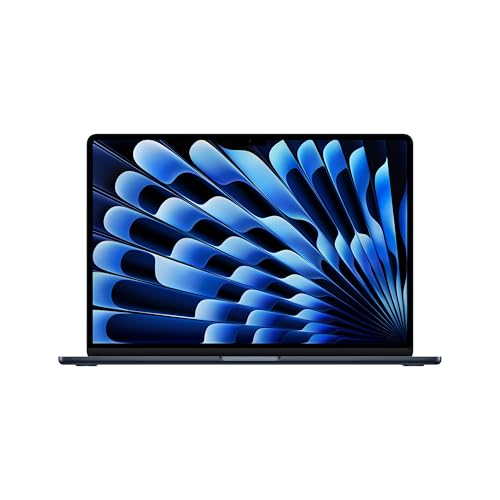
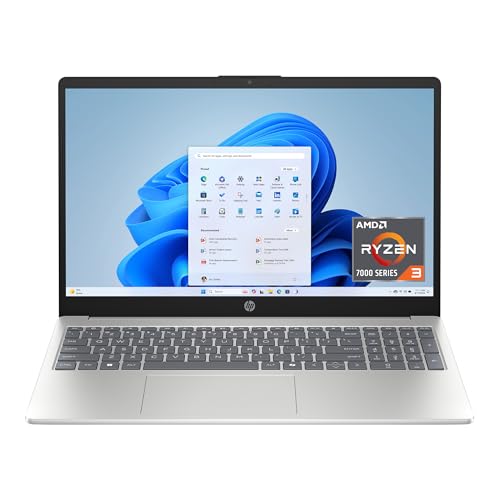
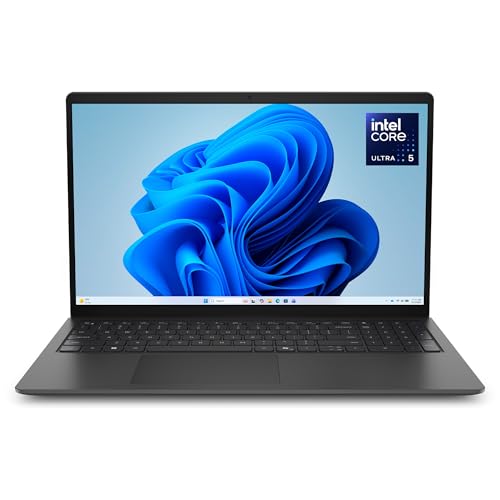
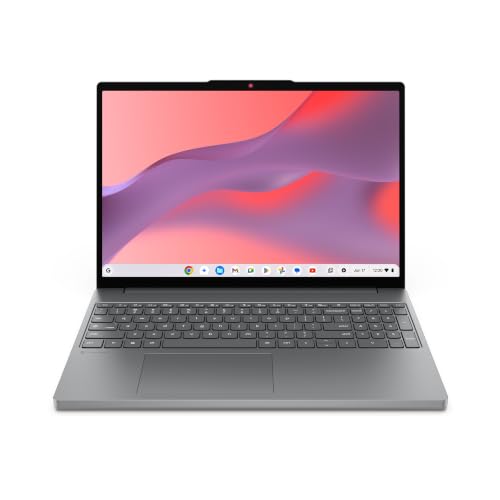
The product table shows the picks side by side. As you read the type comparison, think about where you write most often, at a desk, on a sofa, or in cafes, because that setting decides which type serves you best.

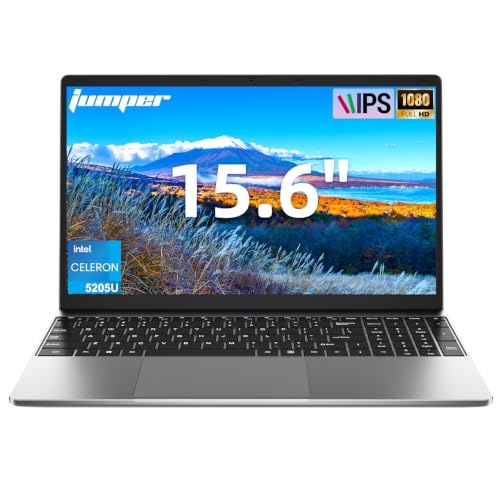
Types of 15 Inch Laptops Compared
Three broad types compete for a writer budget. Thin and light laptops are the natural home for most writers, while gaming laptops and budget models serve narrower needs. The summaries below give the strengths and weaknesses of each, plus the price band you should expect to pay for a sensible configuration.
Thin and Light Laptops
A thin and light 15 inch laptop gives you a large screen and a full keyboard in a body that still slips into a bag. Battery life is usually excellent, and the machine wakes instantly for a quick note. Fans are quiet or absent, which protects concentration.
The compromises are a higher price for the slim build and limited upgrade options. Around $800 to $1800 is the normal band. This type suits writers who work in several places and draft long pieces.
Gaming Laptops
A gaming laptop brings a powerful processor, plenty of memory, and often a large, fast screen, all of which make research, editing software, and media work feel instant. The keyboards are frequently good, with firm keys built for heavy use.
The costs are weight, fan noise, heat, and short battery life away from an outlet, which can fight the calm focus writing needs. Expect about $900 to $1800 for a solid model. This type suits writers who also game, stream, or edit video, and who write mainly at one desk.
Budget Laptops
A budget laptop covers the writing basics at the lowest price, usually about $350 to $600, with a full keyboard and a proper desktop operating system. For drafting in a word processor, handling email, and researching in a browser, that is genuinely enough.
The risks live in the details: dim screens strain eyes, keyboards can feel hollow, and 8GB of RAM limits heavy multitasking. If you choose this type, protect the experience by prioritizing screen brightness and keyboard quality over a small processor upgrade.
Whichever type you choose, carrying it safely matters, so see our guide to the best backpacks for 15 inch laptops before your first cafe trip.
Thin and Light vs Gaming Laptops: Which Should You Choose?
On portability, the thin and light laptop wins easily, since it is lighter, quieter, and easier to carry between writing places. On raw power, the gaming laptop wins, which matters only if you edit video or run heavy software alongside your writing.
Battery life favors the thin and light model by a wide margin. Price is close at the upper end, but gaming models spend more on graphics you will rarely use for prose. Choose the thin and light laptop for mobile writing and the gaming laptop for a desk based setup that doubles as a media workstation.
How to Choose the Best 15 Inch Laptops for Writers
Processor and Performance Tier
Writing itself needs very little power, so any current processor from the Intel Core Ultra, AMD Ryzen, or Apple M series families feels instant for drafting. Your wider routine sets the tier: large reference libraries, photo research, podcast editing, or running a business alongside your writing all reward a midrange chip.
Very cheap processors can stutter with many browser tabs open during research. A sensible rule is to buy midrange performance and spend the savings on the screen and keyboard, which you will feel in every session.
Features That Matter for Writers
Writers need a keyboard with steady keys, clear travel, and a layout that keeps the space bar and backspace key full size, because your hands work on memory for hours. A matte screen at 300 nits or brighter prevents glare fatigue, and a resolution that renders text sharply reduces eye strain.
Quiet fans protect concentration and any audio you record. Look for at least two USB ports for a backup drive and accessories, plus reliable WiFi for research. A fingerprint reader is a small daily pleasure at sign in.
Weight and Portability
If you write in more than one place, keep the laptop near three to four pounds and choose a compact charger, because every extra pound quietly reduces how often you carry it. Students and cafe writers should aim at the lighter end, while desk based writers can accept more weight for a larger battery or stronger body.
Check the total bag weight, including charger, notebook, and water, before deciding. A slightly lighter machine that travels with you beats a perfect machine left at home.
Graphics (Integrated vs Dedicated GPU)
Integrated graphics are the right choice for nearly all writers, since they run writing software, browsers, and video playback smoothly while using little power and producing little heat. A dedicated GPU only earns its cost if you also edit video, design covers with heavy effects, or play games.
Skipping it usually buys you a thinner body, longer battery life, and a lower price. If your writing income includes video or streaming work, revisit this choice, but judge it by that work rather than by the writing itself.
Operating System
Windows offers the widest choice of writing software and hardware at every price, including many strong keyboards. macOS appeals to writers who value its clean writing apps, long battery life, and easy syncing with an iPhone. ChromeOS handles browser based writing tools well and costs less, but offline desktop software choices are thin.
Consider where your files live, which tools your editor or publisher expects, and how you back up. The best system is the one that disappears while you work.
Writers who know they want Windows can narrow the field with our guide to the best 15 inch windows laptops.
Setup and Care Tips
Set up automatic backup on day one, using cloud sync plus a local drive copy, because a manuscript is the one file you cannot replace. Keep the operating system and firmware updated, and avoid running at full charge all the time if a battery limit option exists for desk weeks.
Use a padded sleeve when commuting, raise the screen to eye level at your main desk, and keep drinks a small distance from the keyboard. A spare charging cable where you write most often removes a daily friction you will thank yourself for.
Frequently Asked Questions
What features matter most in 15 inch laptops for writers?
The keyboard matters most, followed by a glare free, sharp screen and long battery life. You touch the keyboard for every word, and you stare at the screen for every revision, so small flaws there compound daily. After those two, quiet cooling and enough ports for a backup drive complete the list. Processor speed and graphics rarely limit writing. In a store, type one full paragraph and read a page of text before judging any model.
Is a Chromebook enough for writing?
A Chromebook is enough for writing when your work lives in browser based tools and you have reliable internet. It is simple, secure, and affordable. It becomes limiting when a course or publisher requires installed software, advanced formatting tools, or offline reference programs. Confirm that your full toolchain, including backup and publishing steps, works in the browser. If any step fails, choose Windows or macOS instead.
Is a dedicated GPU worth it?
A dedicated GPU is not worth it for writing alone, because drafting, editing, and research never stress graphics hardware. It becomes worth it when the same machine must edit video, produce a podcast with visual content, or run games. Otherwise its cost, weight, heat, and battery drain work against a writer's needs. Put that money toward a better keyboard, a brighter screen, or a larger SSD for your archive of drafts and research files.
Should I buy a 15 inch laptop or a smaller one?
Choose a 15 inch laptop if you mostly write at a desk or a table, because the larger screen fits a manuscript beside notes and research. A smaller laptop suits constant travel and tight cafe tables. Many 15 inch models are now thin enough to carry daily. If you can own only one machine and want a full size keyboard, the 15 inch size is a comfortable middle ground.
How long should a 15 inch laptop last?
A writer laptop should last about five years or more, since writing software demands grow slowly. Longevity depends more on the battery, keyboard, and hinge than on the processor. Choosing 16GB of RAM and a roomy SSD prevents the slowdowns that make a machine feel old. Replacing a worn battery in year three or four is often worthwhile. Protect the body with a sleeve and keep vents clean, and the machine should outlast several books.
How much RAM do I need?
Most writers need 16GB of RAM for comfortable research heavy work, with many tabs, a manuscript, notes, and music open together. 8GB can draft a single document happily but starts to swap and stutter during research sessions. Scrivener style projects with large media libraries also favor 16GB. Extra memory beyond that helps video work, not prose. If a budget forces a choice, take 16GB of RAM over a small processor upgrade every time.
The Bottom Line
Pick your type first, then defend the keyboard, screen, and battery within that type, and let the processor be merely adequate. The product table above will confirm prices and specifications once your type is clear. Chosen that way, the best 15 inch laptops for writers become the quiet, comfortable tools that let the words get your full attention.
For screen size context, see our guide to the best laptops with 15 inch screen, and if portability wins, our guide to the best laptops under 15 inches and the best bags for 15 inch laptops will help you finish the setup.


