
Best 144hz Laptops for 2026: Which One Fits Your Routine?
Disclosure: We may earn a commission when you buy through links on this page, at no extra cost to you. As an Amazon Associate I earn from qualifying purchases. Learn more

A buying guide to the best 144hz laptops, with clear advice on processor, display, RAM, storage, battery life, and ports for your daily routine.
There is no single model that suits everyone, because a smooth screen matters for different reasons depending on your day. A gamer wants fast motion to stay clear, while a remote worker may simply want scrolling and window movement to feel calm and fluid. This guide to best 144hz laptops starts with your use case, then matches the processor, display, memory, and ports to that routine.
The product table gives you a quick way to scan the picks side by side. As you read, note which two or three features matter most for your work or play, and let those drive your decision instead of chasing the longest specification list.
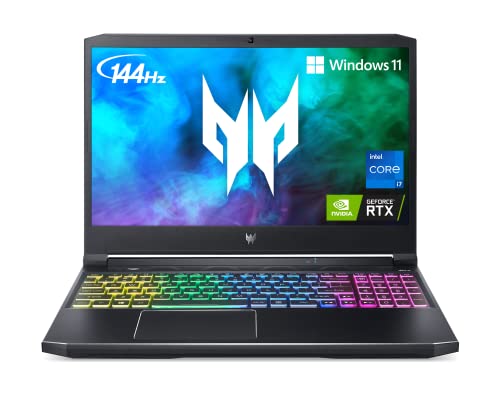
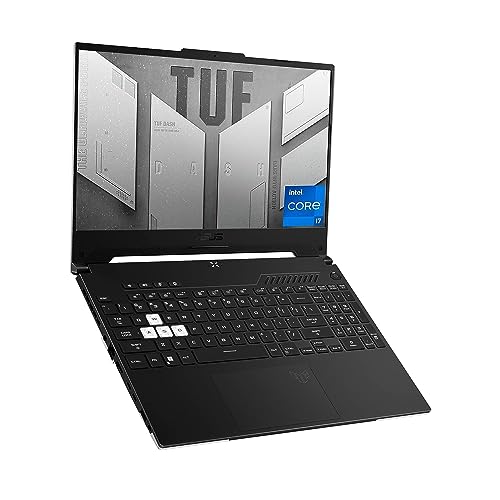
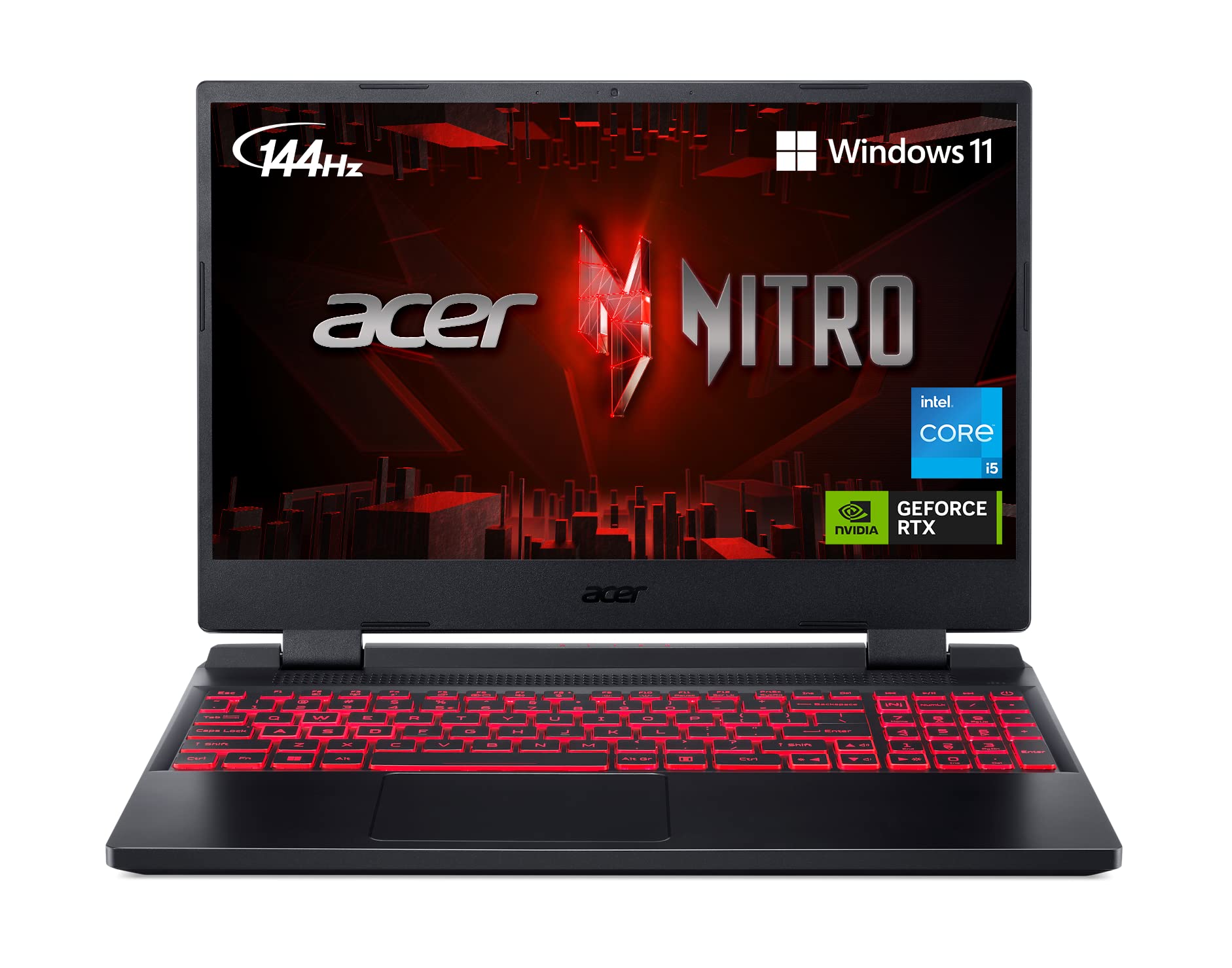


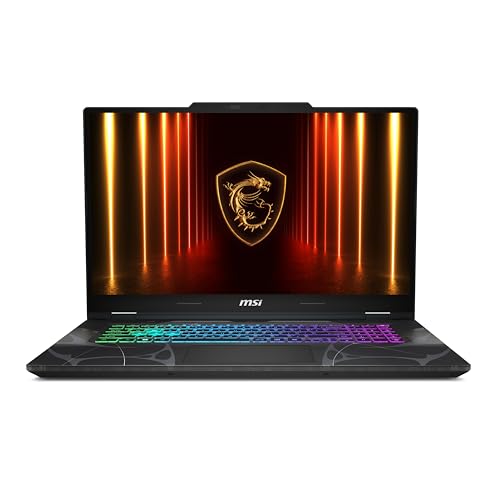

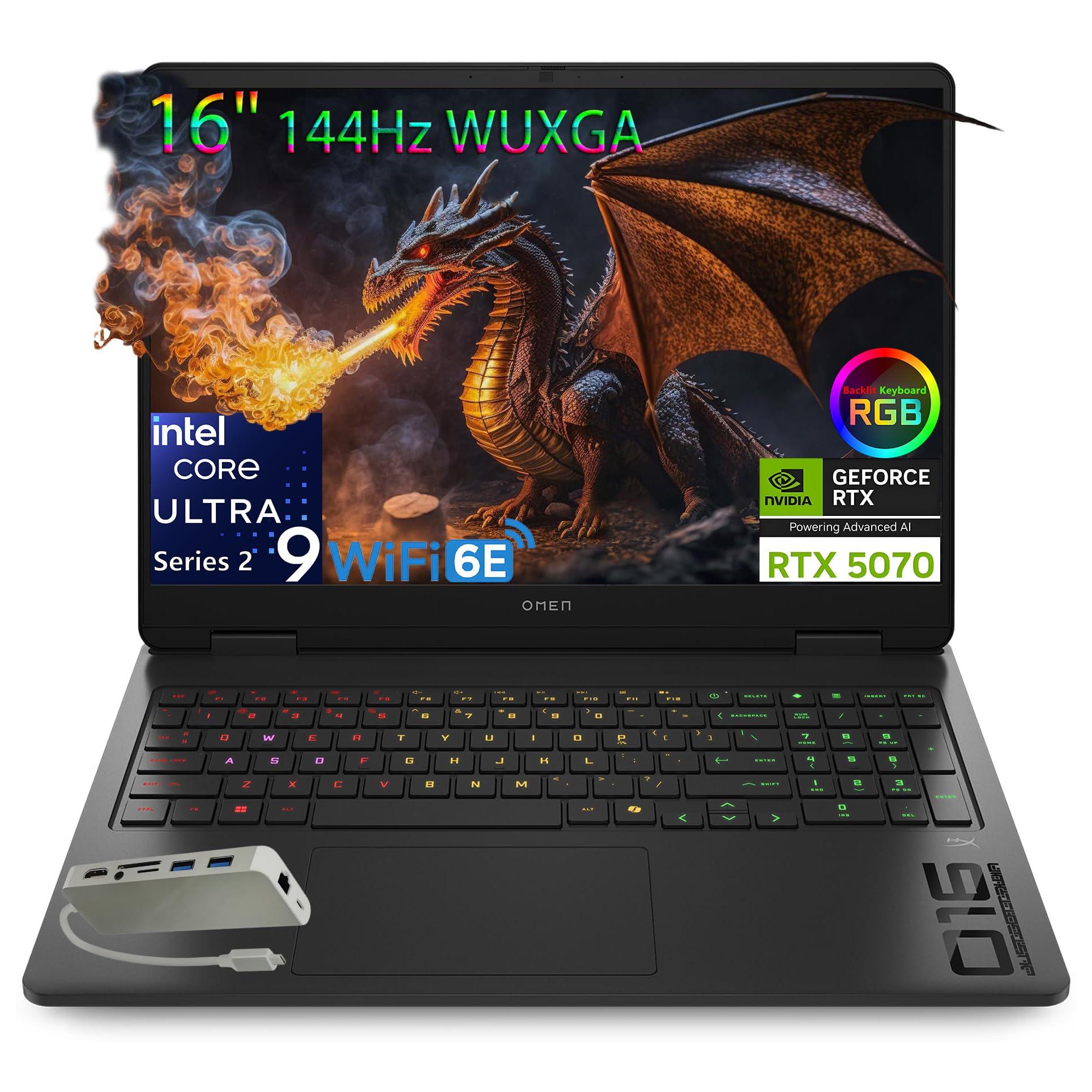
Who Should Buy the Best 144hz Laptops?
Start by placing yourself in one main group below, even if you sometimes do a bit of everything. Your primary routine decides where your money does the most good, whether that is a stronger processor, a brighter display, or a lighter body. Secondary uses can usually be handled by any sensible midrange configuration.
For Remote Workers and Creators
You need a clear webcam, a microphone that keeps your voice intelligible on calls, and a display that stays comfortable through long documents and photo edits. Prioritize a bright screen with accurate color, a reliable keyboard, and ports that let you add a monitor without a pile of adapters. A midrange processor with 16GB of RAM handles meetings, spreadsheets, and light creative work smoothly. If you record audio or edit video often, step up the processor and choose a larger SSD so large files stay on the machine.
For Students and Everyday Users
You need stability, long battery life, and a fair price more than raw speed. A 144Hz screen makes reading, browsing, and casual games feel noticeably smoother, but the basics matter more: a comfortable keyboard, enough storage for coursework, and a charger that is easy to carry. Look for 16GB of RAM if your budget allows, since browser tabs and office apps add up quickly. A sturdy hinge and a warranty you can actually use near campus are worth more than a small bump in processor speed.
For Gamers and Power Users
You are the group that gains the most from a 144Hz display, because fast games can actually produce enough frames to fill it. Prioritize a dedicated graphics card, strong cooling, and a processor that will not hold the graphics back. Low response time on the panel matters almost as much as refresh rate, since blur can undo the benefit of extra frames. Check that the machine can sustain performance over a long session, not just in short bursts, and plan on playing plugged in for the best results.
For Travelers and Commuters
You need low weight, a compact charger, and a body that tolerates daily movement in a bag. A 14 inch or slim 15 inch model around three to four pounds is far easier to live with than a thick gaming machine. Battery life matters more than peak speed, so favor efficient processors and a screen brightness you can lower on the go. A padded sleeve, a spare charging cable at your destination, and a machine with a metal lid all reduce the small risks that come with constant travel.
Key Features to Compare
Once your group is clear, compare the features below in that order of priority when shopping for the best 144hz laptops. Each one connects to a real situation you will face weekly, so judge specifications by the problem they solve for you rather than by the number alone. Small differences in some areas matter a lot, while large differences in others may never show up in your routine.
Processor and Performance Tier
The processor decides how the laptop feels when several demanding tasks run at once. Current Intel Core Ultra, AMD Ryzen, and Apple M series chips all handle office work easily, so everyday buyers should focus on efficiency and quiet fans. Creators who render video and gamers who stream while playing should choose a higher tier with more cores. A practical check is to list your three heaviest programs and confirm the tier you pick is commonly recommended for them. Buying one tier above your current need usually adds years of comfortable use.
Display Size, Resolution, and Brightness
Most buyers land between 14 and 16 inches, where the screen is large enough for split screen work but still portable. Full HD resolution suits gaming at high frame rates, while higher resolution helps creators who need fine detail. Brightness around 300 nits or more keeps the screen readable near windows, and a matte finish cuts glare. Remember that the 144Hz refresh rate only helps when the system can deliver high frame counts, so pair the panel with suitable graphics. Color accuracy matters if you edit photos for clients.
If you want a machine tuned mainly for play, see our guide to the best gaming laptops 144hz for a closer look at graphics and cooling tradeoffs.
Operating System
Windows offers the widest game library and the broadest choice of hardware at every price. macOS suits people already using an iPhone or Apple software, and its laptops are known for strong battery life and quiet operation, though native 144Hz options are limited. ChromeOS is simple and secure for browser based school and office work, but it cannot run most demanding games or specialist desktop programs. Choose the system your required software runs on first, then shop within it. Switching systems to save a little money often costs more time than it saves.
Ports and Connectivity
Count the devices you plug in on a normal day, then make sure the laptop covers them without daily adapter swapping. USB C with charging support simplifies travel, HDMI connects a monitor or TV directly, and at least one older USB A port still helps with drives and accessories. WiFi 6E or WiFi 7 gives faster and more stable connections on a modern router. Bluetooth that pairs reliably with your mouse and headphones sounds minor until it fails during a call. An SD card slot is a genuine time saver for photographers.
RAM and Storage
Treat 8GB of RAM as a floor for very light use and 16GB as the sensible target for most buyers, because it keeps multitasking smooth for years. Heavy creators and gamers who stream may benefit from 32GB. For storage, an SSD is essential for fast startup and loading, with 512GB a comfortable starting point. Check whether memory or storage can be upgraded later, since an upgradeable machine can grow with you. Cloud storage helps with documents but is a poor substitute for space when you work with video.
Shoppers who mainly need a portable everyday machine can also see our guide to the best notebook laptops for lighter options beyond the gaming category.
Common Mistakes to Avoid When Buying 144hz Laptops
- Choosing on price alone and ending up with a dim screen or too little memory that frustrates you daily.
- Ignoring the processor and graphics tier, then finding the screen can refresh faster than the system can feed it.
- Buying a large heavy model for a daily commute, or a tiny model for long desk sessions at home.
- Skipping the warranty terms and return window, which matter if a defect appears in the first months.
- Forgetting the cost of extras you truly need, such as a monitor cable, a mouse, or a padded bag.
Timing can also change what you pay, so it helps to read about the best time to purchase laptops before you commit during a quiet pricing period.
Tips to Get the Most From Your 144hz Laptop
Keep the operating system and firmware updated, since updates often improve battery behavior and fan control as well as security. Confirm that the display is actually set to 144Hz in the system settings, because some machines ship set lower to save power. Avoid running at full charge all the time if the maker offers a battery limit setting for desk use. Use a padded sleeve when commuting, clean the vents with gentle air a few times a year, and back up important files to a second location so a hardware fault never becomes a crisis.
Students weighing portability against screen size may also want to see our guide to the best laptops for college for campus focused advice.
FAQs
How long should a 144hz laptop last?
A well chosen 144hz laptop should last about four to six years for work and study. Gaming machines age faster because new games demand more graphics power each year. You can extend useful life by choosing 16GB of RAM, a 512GB or larger SSD, and a model with replaceable storage. Battery capacity will fade gradually, so expect shorter unplugged sessions in later years even when performance still feels fine.
Is a dedicated GPU worth it?
Yes, a dedicated GPU is worth it if you play demanding games or edit video regularly. It produces the high frame counts that make a 144Hz screen worthwhile and speeds up rendering and effects. If your days are documents, browsing, and streaming, integrated graphics are quieter, cheaper, and use less battery. The deciding question is simple: name the program that needs the GPU. If you cannot, you probably do not need one.
Is a Chromebook enough for school?
A Chromebook is enough for school when assignments live in the browser and the school uses web based tools. It starts fast, needs little maintenance, and usually costs less. It falls short when a course requires installed software for science, design, or programming, or when you want to play mainstream games. Check the course software list before buying, and remember that true 144Hz Chromebook choices are limited compared with Windows models.
Should I buy a laptop or a tablet?
Buy a laptop if you type long documents, run full desktop software, or play PC games. A real keyboard, a precise trackpad, and simple file management make long work sessions easier. A tablet suits reading, notes, drawing, and media, and it can work for light tasks with a keyboard case. Many people who try to replace a laptop with a tablet end up adding so many accessories that the laptop would have cost less.
How much RAM do I need?
Most buyers need 16GB of RAM for comfortable multitasking over several years. It lets you keep a browser, office apps, music, and chat open without slowdowns. 8GB can work for a single task focused student on a tight budget, but it limits future flexibility. Choose 32GB only if you edit large video projects, run virtual machines, or keep very heavy creative files open at once.
The Bottom Line
Match the machine to your main routine first, then confirm the processor, display, and memory support that routine for years. The product table above helps you compare the short list quickly once your priorities are set. For most readers, the best 144hz laptops are simply the ones whose strengths line up with their busiest day, at a price that leaves room for the accessories they need.
If value matters most in your final decision, see our guide to the best reasonable laptops for sensible configurations that avoid wasted spending.


