
Best 144hz Gaming Laptops: Every Type Explained Side by Side for 2026
Disclosure: We may earn a commission when you buy through links on this page, at no extra cost to you. As an Amazon Associate I earn from qualifying purchases. Learn more

Best 144hz gaming laptops compared with tablets, Chromebooks and ultraportables, with pros, cons, ideal users and typical prices.
A 144Hz screen redraws the image 144 times each second, which makes fast games look smoother and feel more responsive. Yet shoppers still face a confusing shelf, because tablets, Chromebooks, and slim ultraportables all promise entertainment and portability at lower prices.
This guide compares each type plainly, with strengths, limits, ideal users, and typical prices, so you can see what the gaming design buys you and what it costs. Start with the comparison table below, then use these comparisons to judge best 144hz gaming laptops against the alternatives honestly.

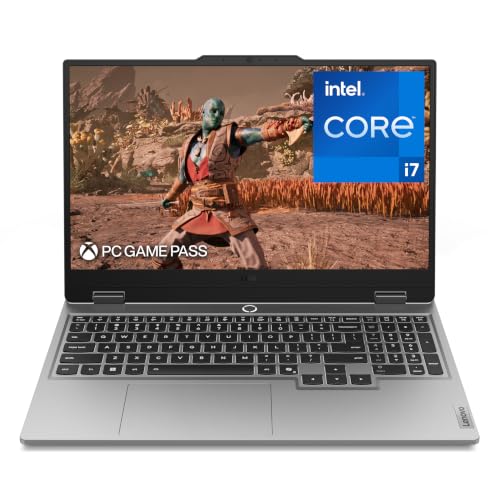

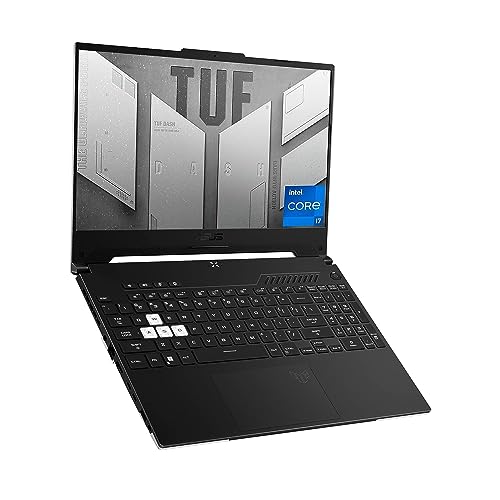
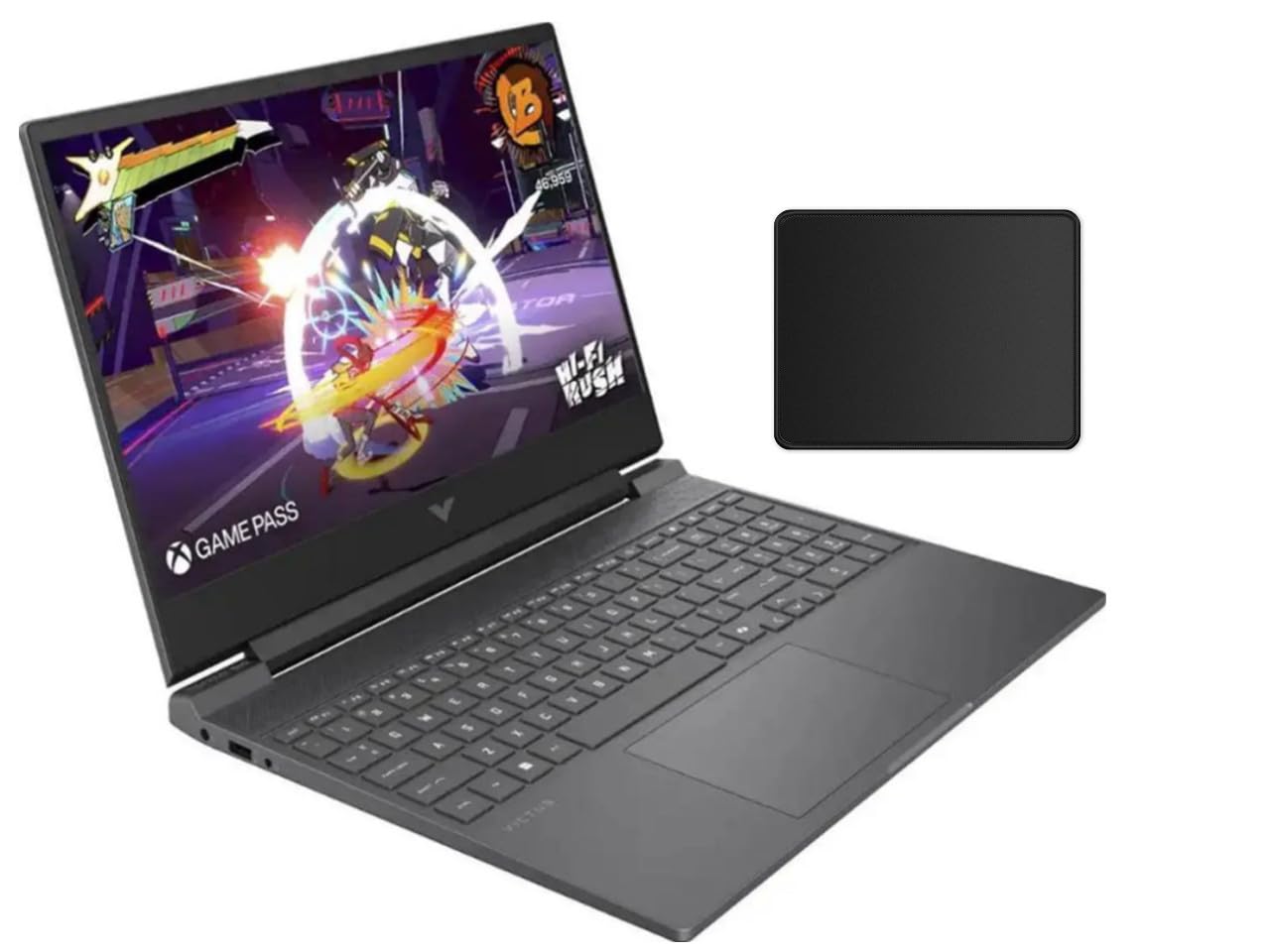


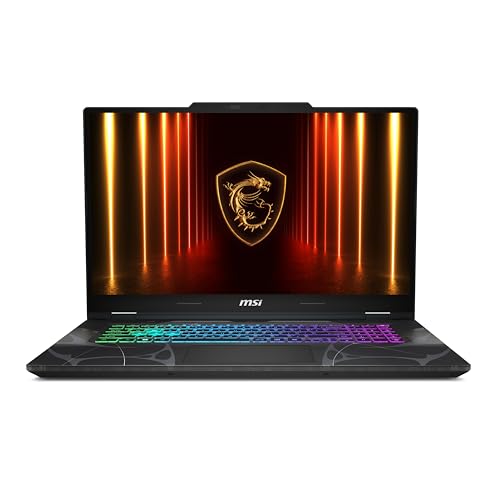
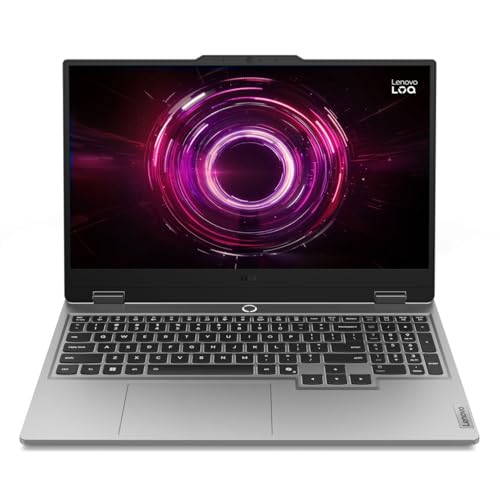
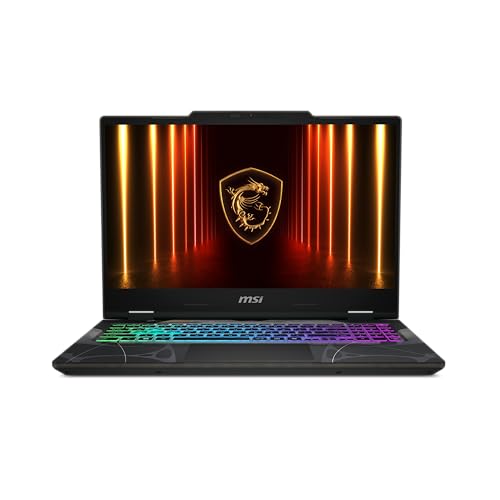
How 144hz Gaming Laptops Compare to Other Options
Think of the gaming laptop as the performance first option, usually around $800 to $2,000 depending on graphics power. The three types below each beat it on one or two measures while giving up the smooth, powerful play that defines it.
144hz Gaming Laptops vs Tablets
Tablets, usually around $250 to $900, win on weight, touch input, and battery life for reading and video. Their app stores offer plenty of casual games, but they cannot run full PC game libraries, accept most mods, or connect the wide range of controllers, headsets, and storage that PC players expect. A gaming laptop runs those libraries at high frame rates on its 144Hz panel and doubles as a full computer for work and study. Choose the tablet for media and light play on the move. Choose the gaming laptop when the games themselves are the main event and you want one machine for everything.
144hz Gaming Laptops vs Chromebooks
Chromebooks, often around $200 to $600, are simple, secure, and quick for browser based school and office work, with long battery life and low prices. Their limits are hard ones for players: most PC games do not run on ChromeOS at all, storage is small, and cloud gaming depends entirely on your connection quality. A gaming laptop costs more and weighs more, but it installs games locally, stores large libraries on its SSD, and keeps playing offline. If your gaming is limited to browser titles and streaming services on strong WiFi, a Chromebook plus a console may serve you. For a real PC library, it cannot substitute.
144hz Gaming Laptops vs Ultraportables
Ultraportables, typically around $700 to $1,500, are thin and light laptops built for travel, with quiet fans and excellent battery life. They handle documents, browsing, and light creative work gracefully, and some manage older or less demanding games at modest settings. What they lack is a strong dedicated graphics card and the cooling to sustain it, so modern games at 144Hz stay out of reach. The gaming laptop trades thinness for that graphics power and a fast panel. Frequent travelers who play lightly should favor the ultraportable. Players who value frame rate and settings should accept the extra weight of the gaming design.
When quality of play is the deciding factor, our guide to the best quality gaming laptops explains the build and cooling traits that separate strong models from loud ones.
Who Should Choose 144hz Gaming Laptops?
The clearest fit is the player of fast paced titles such as shooters, racing games, and competitive online games, where a high refresh rate makes motion easier to track and inputs feel more direct. Students and workers who need one machine for demanding software and serious play also fit well, since the same processor and graphics strength serves both. Creators who edit video or work in 3D gain real speed from the same hardware. Who should choose another type? Casual players, very frequent travelers, and anyone whose budget sits below around $700 will usually be happier with a console, a tablet, or an ultraportable, because the gaming premium buys power they will rarely use.
How to Choose the Right 144hz Gaming Laptop
Processor and Performance Tier
The graphics card decides your frame rates, and the processor must be strong enough to feed it. Current midrange and upper tier chips from the major makers pair well with 144Hz panels, keeping play smooth in competitive titles at high settings. More cores help streaming and editing alongside gaming. Avoid pairing a fast screen with the weakest processor tier, because the display will promise frames the system cannot deliver. Balance is the rule: graphics first, processor a close second, and no money wasted on extreme chips that a midrange graphics card cannot use.
Operating System
Windows is the default choice for gaming because nearly every PC title, launcher, and accessory targets it first. macOS runs a smaller game library and Apple laptops do not offer 144Hz gaming models in this sense, so it suits players only when work software demands it. ChromeOS depends on cloud services for anything beyond casual titles. Linux appeals to technical users who accept checking each game for compatibility. Your existing game library settles the question for most buyers, since repurchasing titles on another platform costs more than any hardware saving.
Weight and Portability
Gaming laptops usually weigh about 4 to 6 lb, plus a large power brick, because cooling and graphics hardware take space. A 15 inch model is the usual balance of screen size and carry comfort, while 17 inch models suit a mostly fixed desk. Under 3 lb claims belong to ultraportables, not this category, so treat them as a warning sign of weak graphics. If you carry the machine daily, budget for a padded backpack with a separate laptop section. Trying the loaded bag weight at home, with charger and mouse included, prevents a painful surprise in the first week.
Display Size, Resolution, and Brightness
The 144Hz refresh rate is the headline, but resolution and brightness complete the picture. At 15 inches, 1080p lets midrange graphics cards actually reach high frame rates, while 1440p looks sharper and demands stronger hardware. Brightness around 300 nits or more keeps the screen clear in lit rooms, and low response time prevents blur in fast motion. Matte panels cut glare during daytime play. Confirm the 144Hz rate applies at the native resolution, since a few models limit their fastest rate to lower settings. Our guide to the best 144hz laptops covers the broader fast screen category beyond gaming models.
Setup and Care Tips
Update the operating system, graphics drivers, and firmware on the first day, then set your games to use the dedicated graphics card and confirm the display is actually running at 144Hz in system settings, because many laptops ship set to 60Hz. Avoid running the battery at full charge all the time if a charge limit option exists for desk use. Use a padded sleeve when commuting, keep vents unobstructed on a hard surface while playing, and clean fan intakes with short bursts of air every few months. Heat is the long term enemy of performance, so these habits protect the speed you paid for.
FAQs
Is a dedicated GPU worth it?
Yes, for this category it is the whole point. A dedicated graphics card is what lets games reach the high frame rates a 144Hz screen can show, and it also speeds video editing and 3D work. Integrated graphics can run older or lighter titles at low settings, but modern games will fall far short of the panel. If your play is limited to puzzle and browser games, skip the gaming laptop entirely and save the money, because the GPU premium buys nothing you will use.
How much RAM do I need?
Choose 16GB for modern gaming, which covers current titles, voice chat, and a browser running together without stutters. 8GB is a false economy now, since several new games treat it as a hard minimum and background apps compete for the same space. 32GB helps streamers, modders with heavy packs, and creators more than players alone. If a model allows later upgrades, a single open slot adds flexibility. Otherwise, buy the memory you need for the next three years at the start.
Is 144Hz worth it on a gaming laptop?
Yes for fast games such as shooters and racing titles, where smoother motion makes targets easier to track. It matters less for slow strategy or story games, and the laptop still needs a graphics card strong enough to reach high frame rates, or the extra refresh rate goes unused.
How long should a 144hz gaming laptop last?
Plan on about four to six years, with the graphics card setting the limit. Competitive and esports titles stay playable the longest because they target modest hardware, while the newest story driven games will ask for lower settings over time. Battery life fades sooner than performance does. Cleaning fans, replacing thermal paste through a trusted shop when temperatures climb, and keeping storage partly free all extend useful life. Buying one tier above your current needs is the simplest way to add a year or two.
How much should I spend on a 144Hz gaming laptop?
Most buyers find the best balance between about $900 and $1,300, where a dedicated graphics card, 16GB of memory, and a true 144Hz panel come together. If the budget is tight, our guide to the best inexpensive gaming laptops shows where sensible savings live. Avoid models that pair a fast screen with the weakest graphics tier, since the panel will promise frames the system cannot deliver.
The Bottom Line
Let the graphics card, a processor that can feed it, and a true 144Hz panel lead your decision, then check weight and cooling for your routine. Compare finalists in the product table above on those terms. Judged that way, the best 144hz gaming laptops are easy to spot and hard to regret. Readers comparing wider formats can finish with our guides to the best notebook laptops and the best gaming computers laptops for the full landscape.


