Best 14 Inch Chainsaws (2026): Buying Guide
Disclosure: We may earn a commission when you buy through links on this page, at no extra cost to you. As an Amazon Associate I earn from qualifying purchases. Learn more
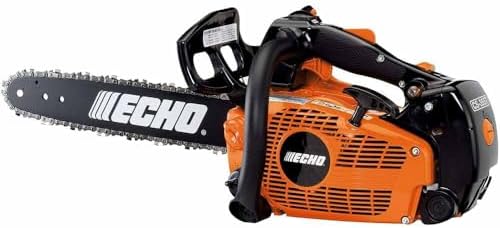
What to check before you buy the best 14 inch chainsaw: power source, weight and safety gear, and which type fits your home.
Choosing a chainsaw in this size sounds simple until you compare power sources, bar and chain specs, and safety gear side by side. The best 14 inch chainsaw for you depends on the wood you cut most, how often you work, and whether you want fuel, a battery, or a cord behind the cut. This guide compares the three main types and walks through the specs that actually change your day in the yard, starting with the comparison table below.
A 14 inch bar sits in a useful middle ground. It is long enough for fallen limbs, small trees, and stacks of firewood, yet the saw stays light enough to control during long pruning sessions. Get the type and features right, and you gain a tool that starts easily and cuts cleanly.


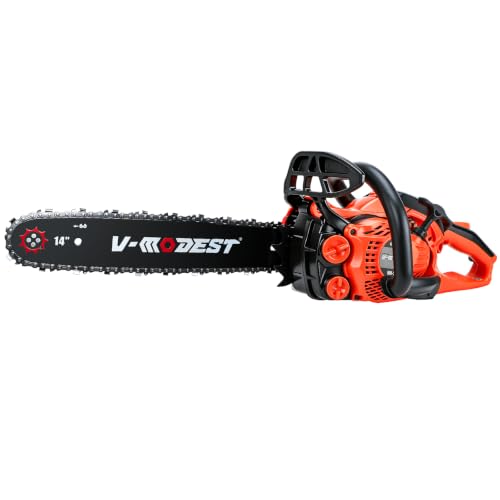

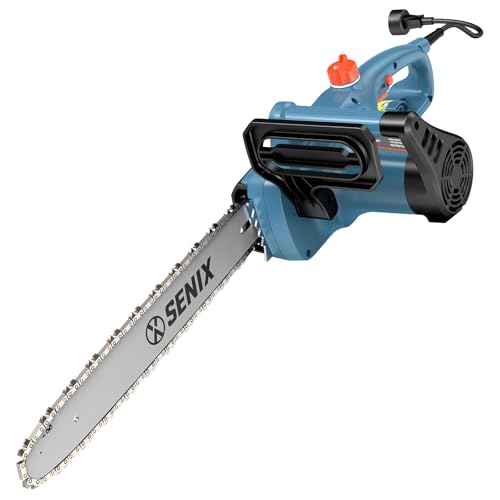


Chainsaw Types at a Glance
Gas models give you the most cutting power and unlimited run time as long as you carry fuel, but they are louder, heavier, and need more upkeep. Cordless battery models start with a button and run quietly, though run time ends with the charge in the pack. Corded electric models cost the least and never need charging, yet the cord limits how far you can roam. The product table above lines these types up by weight, power source, and cost so you can spot your match fast.
Three Types Compared
Gas models for heavy and remote work
Gas suits you if you cut dense hardwood often, work far from outlets, or clear land where no battery would last the day. Expect strong chain speed, a manual start, and regular tasks like mixing fuel, cleaning the air filter, and checking the spark plug. You also accept more noise, more vibration, and exhaust fumes. In return, you can refuel in minutes and keep cutting.
Cordless battery models for everyday yard work
Cordless suits you if you prune, limb, and cut firewood in shorter sessions and want the least fuss. You press a button, cut, and put the saw away without fuel or a cord to manage. The limits are run time per charge and the cost of spare packs, and power drops off on the thickest hardwood. If your platform already runs other yard tools, shared packs soften that cost. For a wider look at pack sizes and run time, see our guide to the best battery chainsaw options before you commit to a system.
Corded electric models for light work near home
Corded suits you if your cutting stays close to the house, in a garage, or on a small lot where an outdoor rated extension cord reaches every tree. These saws are usually the lightest and cheapest to buy, they start instantly, and they need no fuel or charging. The cord is the trade off, since it can snag on brush, limit your stance, and create a trip hazard you must watch while you cut. For steady light duty near an outlet, that compromise is often worth it.
What Matters Most When Comparing
When you compare listings in this size, weigh five things in this order. Start with build materials and weather resistance, since a saw lives in dust, rain, and cold garages. Next check size and capacity, meaning bar length, weight, and the wood diameter the saw handles well. Then look at assembly, because bar and chain fitting and tensioning decide your first hour. Finish with durability signals like chain and bar quality, and the length and terms of the warranty.
How to Choose the Right Chainsaw
Size and form factor
Bar length sets the largest log you can cut in one pass, and 14 inches handles limbs and logs up to about 12 inches across with room to spare. Shorter bars, such as 6 or 12 inches, feel nimble for pruning but stall on firewood rounds. Longer bars, from 16 to 24 inches, suit felling and big hardwood but add weight and demand more skill. Also weigh the handle layout. A rear handle saw gives you two handed control for ground work, while a top handle saw is built for trained climbers working in a tree.
Type
Your power source shapes cost, noise, and upkeep more than any other choice. Gas gives strong, steady power and quick refueling for rural or all day work. Battery power gives quiet, low upkeep cutting for suburban yards, with run time tied to pack size. Corded electric gives the lowest buy in price and steady power near home, limited only by cord length. Mini saws and pole saws solve different jobs, pruning overhead or trimming small limbs, so treat them as companions to a full size saw rather than stand ins for one.
Features worth paying for
Three extras earn their price on this size of saw. An automatic oiler feeds bar and chain oil as you cut, which cuts friction, heat, and wear without you stopping to pump a bulb. A battery and charger included in the box matters on cordless models, since a bare tool price hides the real cost of getting started. A carrying case protects the chain in storage, keeps oil drips off your garage floor, and makes transport safer. Skip paying extra for oversized bars or pro grade power you will never use on yard wood.
Weather resistant materials
A saw works in sawdust, sap, and damp air, so housing and finish matter. Look for a sturdy polymer or metal housing that shrugs off knocks, sealed controls that keep grit out of the switch, and a bar and chain with a finish that resists rust between uses. No saw of any type should be stored wet or left outdoors. Wipe the bar dry after wet cutting, and oil the chain before storage to slow corrosion.
Size for your space
Match the saw to where you store it and where you cut. A 14 inch model hangs on a garage wall or fits a shelf in its case, so it suits smaller sheds that a long bar saw would crowd. Think about your wood pile too. If you heat with wood and buck logs each fall, the cutting pace of this size handles a modest stack well, but a high volume firewood habit points you toward a larger saw.
Assembly and safe setup
Most saws arrive with the bar and chain separate, and setup takes about 15 to 30 minutes. Fit the bar, loop the chain with its cutters facing forward on top, seat it in the bar groove, then set tension so the chain lifts slightly yet snaps back and moves freely by hand with gloves on. Add bar and chain oil before the first start, since a dry chain wears fast. Read the manual for your model first, wear cut resistant gloves while handling the chain, and keep the scabbard on until you are ready to cut.
Care and off season storage
After each session, brush sawdust from the bar groove, air vents, and sprocket area, then check chain tension and sharpness before the next job. Drain fuel from a gas saw that will sit for months, or run it dry as the manual directs, because stale fuel gums the carburetor. Charge battery packs partly for storage and keep them indoors away from heat and freezing cold. For a step by step routine, follow our guide on how to clean a chainsaw before you put the saw away for winter.
How much should you spend?
Corded models cluster at about $60 to $120 and cover light pruning and small logs. Cordless models run about $150 to $300 with a battery and charger, and you pay for run time and faster charging. Gas models in this size run about $180 to $350, with price buying smoother starting and better anti vibration design. Spending under about $60 usually means weak motors and soft chains that dull fast, so check the warranty length before you buy.
Is a 14 Inch Chainsaw the Right Size for You?
This size fits you if your work is pruning orchard or shade trees, limbing fallen branches after storms, cutting small trees, and slicing firewood rounds for a stove or fire pit. It also suits first time saw owners, since the shorter bar is easier to control and less prone to dangerous kickback angles than a long bar. Our guide to the best chainsaw for homeowners shows how this size stacks up for typical yard duties. Step up a size if you fell large trees often, and step down if you only trim shrubs and small limbs.
Safety decides as much as size. Wear a helmet with eye and ear protection, cut resistant chaps, gloves, and sturdy boots every time you cut. Never cut above shoulder height or work from a ladder, and keep both hands on the saw with a firm stance. Get medical care right away for any chain injury, even a small one, since wounds from a moving chain carry dirt deep into tissue. If a tree leans toward a house, a road, or a power line, hire a professional tree service instead.
FAQ
What is the best 14 inch chainsaw?
It is the type that matches your wood, your lot, and your tolerance for upkeep, not one single model. Gas wins for remote and heavy cutting, cordless wins for quiet suburban yard work, and corded wins for light jobs near an outlet. Use the product table above to compare weight, power source, and included extras, then pick the type whose limits you will feel least often in your own yard.
What size chainsaw do I need?
Start from the thickest wood you cut in a normal year, not the biggest tree you might ever meet. Occasional oversize logs can be cut in stages from two sides, or handled by a rented saw or a tree service for one day. If you want the full sizing picture across every bar length, our chainsaw buying guide walks through felling, bucking, and pruning needs in one place, and the broader best chainsaw guide compares sizes side by side.
How long does a chainsaw last?
A cared for saw in this class often serves a homeowner for about 10 years or more, with the chain, bar, and sprocket replaced as wear parts along the way. Life shortens fast when a saw runs with a dull chain or low bar oil, since each strains the motor or engine. Battery packs lose capacity over the years and become the part you replace first on cordless models.
Is a chainsaw worth it?
It is worth it if you face storm limbs, firewood, or tree care more than once or twice a year, because a single visit from a tree service can cost more than a saw in this size. It is harder to justify if you have two small ornamental trees and no wood heat, since rental covers rare jobs. Count storage, safety gear, and upkeep in the real cost, not just the price of the saw itself.
How do you clean a chainsaw?
With the saw off, the battery out, or the cord unplugged, brush debris from the bar groove and cooling vents, wipe sap from the housing, and inspect the air filter on gas models. One point the care section did not cover is the oil ports. Clear the small oil outlet hole on the bar with a thin wire or a puff of air, because a clogged port starves the chain of oil even when the tank is full and the pump works.
What is the most reliable chainsaw brand?
No single brand is most reliable for every buyer, and reliability claims without service data behind them mean little. What predicts a long, trouble free life is a dealer or parts network near you, chains and bars that are easy to source, and a warranty with clear terms. A saw you can get serviced locally will outlast a famous badge that nobody nearby stocks parts for.
Final Thoughts
A 14 inch saw earns its place in the shed by covering the work most yards actually produce, from storm limbs to firewood rounds, without the weight of a pro saw. Decide your power source first, then check build materials, assembly, and the extras you will truly use. Compare your shortlist in the product table above, and choose the best 14 inch chainsaw for the wood in front of you and the space you store it in. Prices and availability can change, so check the product page before ordering.