Best 12 Volt Refrigerators 2026: Buying Guide for Portable Cooling
Disclosure: We may earn a commission when you buy through links on this page, at no extra cost to you. As an Amazon Associate I earn from qualifying purchases. Learn more

Compare the best 12 volt refrigerators for road trips, boats, and off grid cabins by size, power draw, and safe setup.
Keeping food and drinks cold away from a household outlet takes a different kind of appliance, and the best 12 volt refrigerators are built to run from vehicle, boat, and off grid power systems. They suit road trips, camping, work vehicles, boats, and cabins where mains power is limited or absent. The right unit balances cooling power, energy draw, size, and safe wiring, because a fridge that drains a battery or fits poorly will cause trouble even when it cools well.
This guide explains the main types, the power questions to ask, and the setup checks that keep food safe and batteries healthy. The product table shows how the main portable styles differ, and the sections that follow turn those differences into practical buying steps.

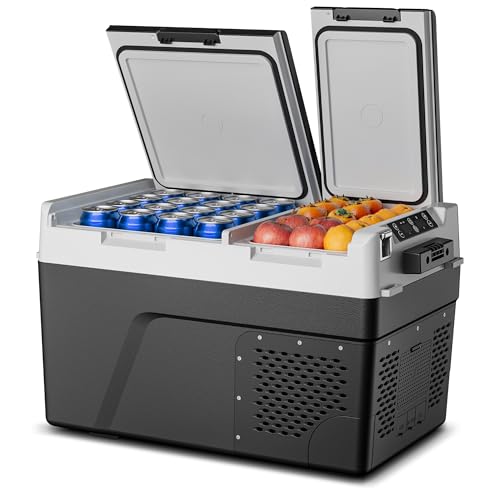
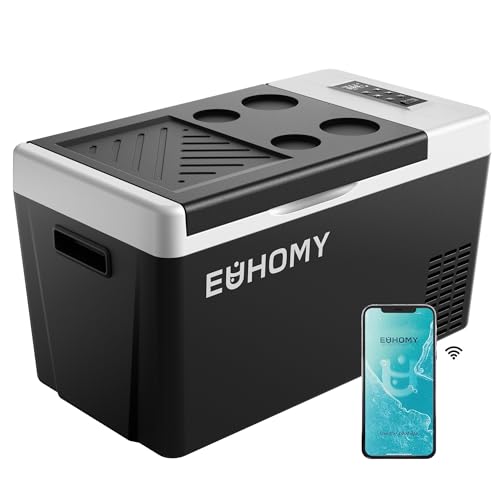
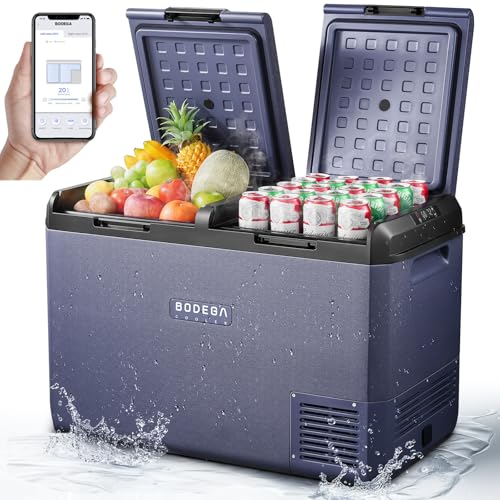

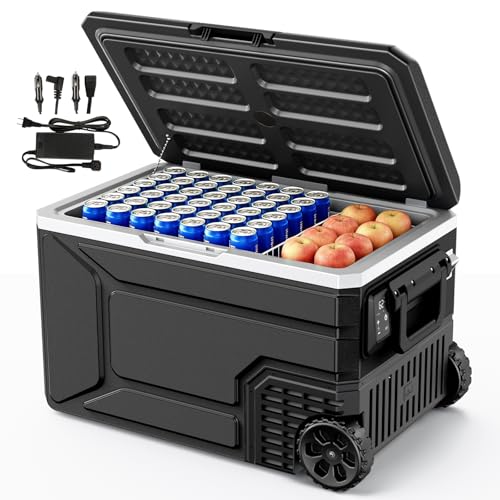

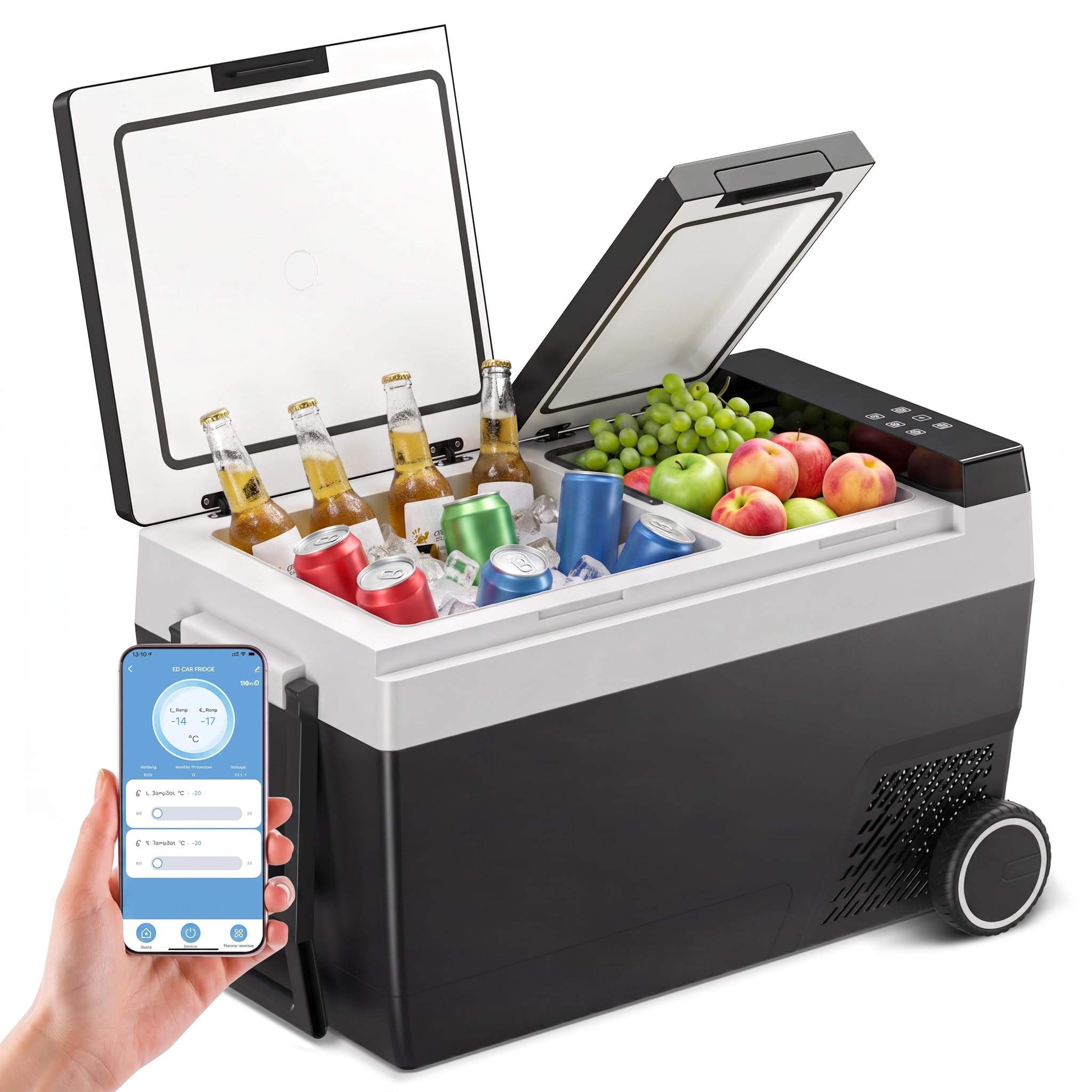

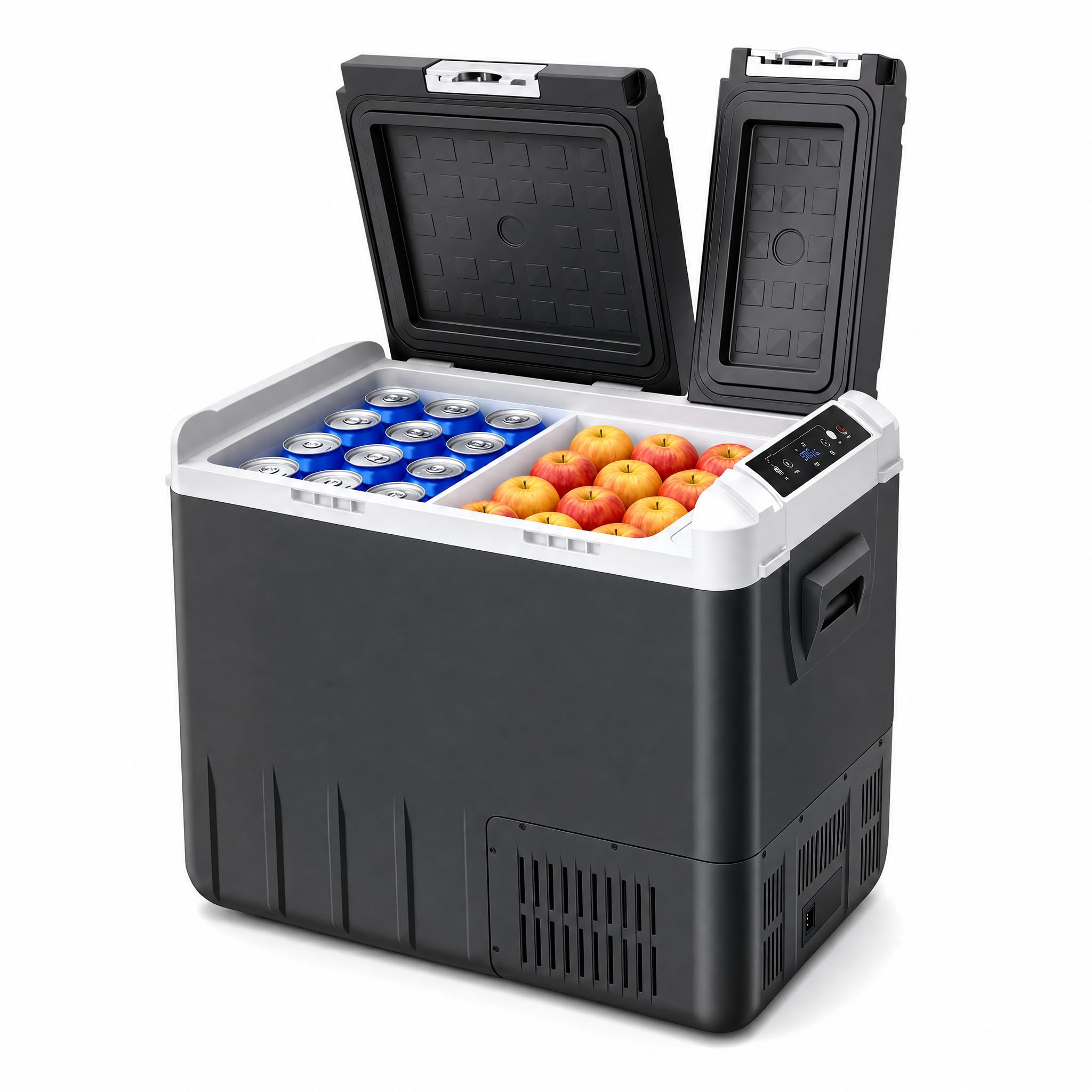
Spending Levels at a Glance
Price in this category reflects cooling performance, insulation, battery protection, and build quality more than brand prestige. Use the three levels below to set expectations, and remember that a cheaper unit can still serve short trips well when power and space allow.
Entry Level Spending
Entry level units suit short trips, day use, and buyers who already have a strong vehicle battery and a simple power plan. Check battery protection settings carefully at this level, because a low cutoff can still leave a starter battery weak after a long stop.
Mid Range Spending
Mid range units suit weekend trips and regular use in a vehicle or boat, where better insulation and steadier cooling earn their cost. A dual zone layout may appear here, which helps when you need frozen items and chilled drinks on the same trip.
Higher Spending
Higher spending units suit long trips, hot climates, and off grid cabins where cooling must stay reliable for days. Expect thicker insulation, a stronger compressor, quieter operation, and controls that hold temperature through heat and frequent opening.
How to Choose the Best 12 Volt Refrigerators
Choosing well means checking power, space, and cooling needs together, because a unit that passes one check can still fail another. Work through the factors below in order, and write down your answers before you compare units.
Configuration
Portable 12 volt units usually use a chest style lid, an upright front door, or a drawer layout, and each suits a different vehicle layout. Chest style units hold cold air well when opened and suit truck beds and large storage areas. Upright units give easier access to items at the back, while drawer units fit built in cabinetry in boats and vans.
Energy Efficiency
Energy use decides how long a battery lasts, so compare power draw in watts and daily energy use rather than trusting a single headline claim. A well insulated unit with an efficient compressor uses less power in heat, and a unit that cycles smoothly avoids sharp peaks that stress a small battery. Look for clear battery protection settings, and match the lowest cutoff to your battery type and your need to restart the vehicle.
Dimensions and Clearance
Measure the full space before you buy, including lid lift, door swing, ventilation gaps, and the path the unit takes into the vehicle. A unit that fits on paper can still fail when a lid cannot open fully under a bed cover or a seat. For a galley or a built in nook, compare the space with best undercounter refrigerators to understand clearance and airflow needs, even though a portable 12 volt unit has its own ventilation rules.
Temperature Control and Cooling Zones
Temperature control should hold a steady chill through heat, vibration, and frequent opening, not just reach a low number. A dual zone unit suits trips that need frozen goods and chilled drinks at once, and it can also serve as a dedicated drink space when one side is set warmer. If you plan to store drinks separately, compare the layout with best beverage refrigerators for ideas on shelf spacing and access, while remembering that portable units prioritize power efficiency over household capacity.
Capacity and Group Size
Capacity should follow trip length, group size, and how often you can restock, rather than a rule made for a household kitchen. A solo traveler on a short trip may manage with a compact unit, while a family on a week long trip needs room for meals, drinks, and ice. Remember that usable space is smaller than the stated volume once baskets, dividers, and bulky containers are counted.
Noise Level
Noise matters most when the unit runs near sleeping areas in a van, boat cabin, or tent setup. A modern efficient compressor usually runs quietly, but fan noise and vibration against a hard surface can still disturb sleep. Place the unit on a stable, level surface, and keep it away from direct contact with thin panels that can amplify hum.
Reliability and Warranty
Reliability in this category means seals that stay tight, latches that survive rough roads, and a compressor that restarts cleanly after power interruptions. Check warranty length for the compressor and for the unit as a whole, and read what the warranty covers for mobile and marine use. Maker guidance matters for installation and ventilation, so follow it closely and ask a qualified installer if wiring or mounting is unclear.
Types of Portable Cooling
Household refrigerator types do not all translate directly to 12 volt use, so read each one as a lesson in layout and capacity rather than as a direct portable match.
Side by Side Layouts
Side by side household units place fresh and frozen sections next to each other, which gives easy access to both sides in a large kitchen. That layout is rare in portable 12 volt units, because it needs more width and more power than most vehicles can spare. The useful lesson is access: a portable unit with two zones or two baskets can give similar convenience in a much smaller footprint.
Upright Units
Upright household freezers suit buyers who need organized frozen storage with shelves and door bins. In portable use, an upright front door unit can offer similar organization, but cold air escapes more quickly each time the door opens. That trade off matters on battery power, so upright portable units suit short stops and powered sites more than long off grid stays.
Chest Style Units
Chest style units are the closest household cousin to many portable 12 volt coolers, because a top lid holds cold air inside when opened. They suit long trips, hot climates, and users who pack in layers and do not need constant access to every item. The main drawback is access, since items at the bottom require moving items on top, so baskets and packing order matter.
Compact and Mini Fridges
Compact portable units suit solo travelers and short trips. They are easy to move, easy to power, and easy to fit in a small vehicle, but capacity limits group use and longer journeys. Use a compact unit when trips are short, restocking is easy, and power is plentiful, and step up in size when food spoilage would ruin a longer plan.
Tips to Get the Most From Your Portable Unit
- Pre chill food and drinks at home, so the unit starts cold and uses less battery power on the road.
- Keep the unit shaded and ventilated, and leave airflow space around compressor vents at all times.
- Set a safe temperature for fresh food, and check it with a simple thermometer during the first trips.
- Limit lid openings in heat, and pack items you need often near the top for quick access.
- Clean seals and vents regularly, and follow maker guidance for defrosting and storage between trips.
Frequently Asked Questions
Can I put a 12 volt refrigerator in the garage?
Yes, a 12 volt unit can work in a garage when it has suitable power, ventilation, and temperature range for the space. Garages can get very hot in summer and very cold in winter, so check the maker operating range before you rely on the unit there. For household garage planning, compare the space and airflow needs with best garage refrigerators, while remembering that a portable unit still needs its own 12 volt supply and battery protection.
What size 12 volt refrigerator do I need for my family?
Size depends on trip length, group size, meal plans, and restocking options rather than on household size alone. A couple on a weekend trip may manage with a medium unit, while a family on a week long trip needs room for meals, snacks, drinks, and ice. Pack a trial load before a long journey, and count usable space after baskets and bulky containers are in place.
How long should a 12 volt refrigerator last?
A well built portable unit can last many years when it is ventilated, cleaned, and powered within maker guidance. Heat, vibration, dust, and deep battery discharges shorten life more than steady daily use, so protection settings and mounting matter. Follow maker service guidance, store the unit clean and dry between trips, and keep wiring in good condition.
Do I need a counter depth design for a 12 volt refrigerator?
No. Counter depth design matters mainly for built in household kitchens, where a flush fit improves walkways and appearance. For portable 12 volt use, the more useful question is overall footprint, lid clearance, and ventilation. A unit that sits flush but blocks vents will perform worse than a slightly deeper unit with clear airflow.
How much electricity does a 12 volt refrigerator use?
Electricity use varies with size, insulation, ambient heat, set temperature, and how often the lid opens. A compact efficient unit in mild weather uses far less power than a large unit in summer heat with frequent access. Check the maker daily energy figure for a realistic baseline, then add a safety margin for hot days and heavy use.
The Bottom Line
Choose by trip length, vehicle space, and power system first, then let capacity and cooling zones follow from those answers. Protect your battery with sensible cutoff settings, give the unit shade and airflow, and try a real load before a long journey. A unit that fits well and runs steadily will serve you far better than a larger unit that strains your power supply, and that balance is the heart of choosing the best 12 volt refrigerators wisely.
Use the product table to compare your short list before you wire anything permanently. If wiring or mounting feels unclear, ask a qualified installer rather than guessing, and keep small parts away from children. With those checks done, you can travel with cold food and drinks and a battery you can still rely on.