Best 12 Inch Chainsaw (2026): Buying Guide
Disclosure: We may earn a commission when you buy through links on this page, at no extra cost to you. As an Amazon Associate I earn from qualifying purchases. Learn more
Which best 12 inch chainsaw fits your home? Size, features, price ranges and common mistakes, explained plainly.
A 12 inch bar sounds simple to shop for, yet saws in this size vary a lot in power source, weight, chain speed, and how much work they can handle before they feel strained. Picking the best 12 inch chainsaw means matching the saw to your branches, logs, and storage space instead of chasing the strongest spec on the box. This guide compares the main types and the criteria that separate them, and the comparison table below sums up the key differences.
By the end, you will know which power source fits your yard, what cutting capacity a 12 inch bar really gives you, and which features are worth paying for. If your cutting list includes thick trunks or daily firewood work, our guide to the best chainsaw covers the larger sizes built for that load.


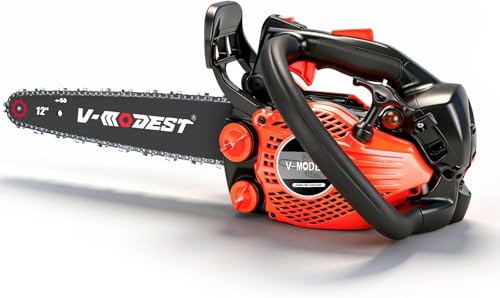

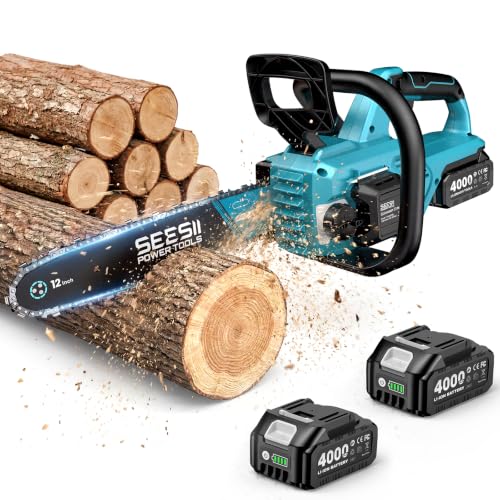
12 Inch Chainsaw Types Compared
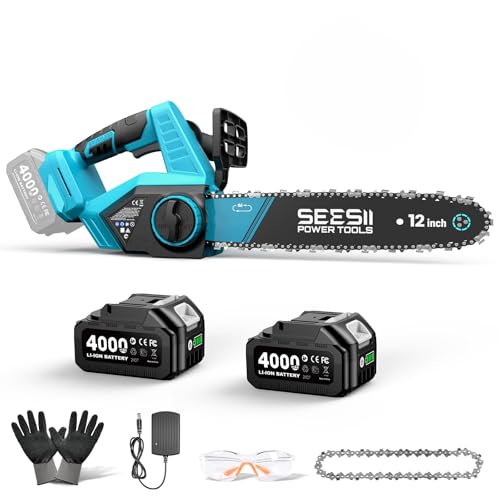
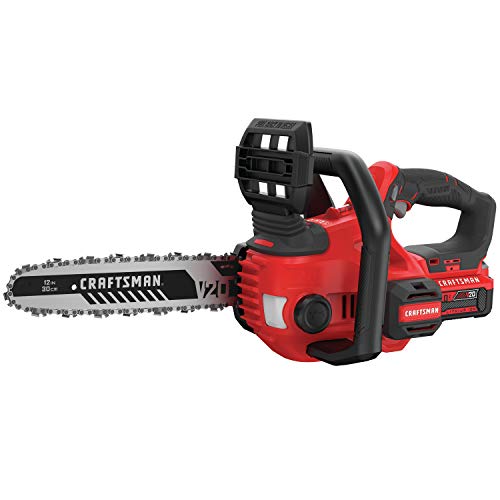
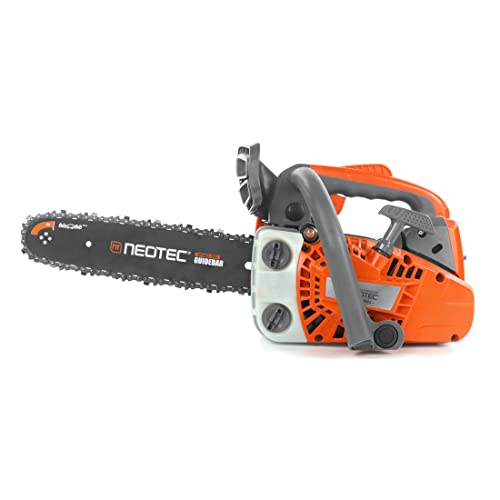
Instead of ranking individual models, it helps to compare the three power types sold in this size, because the type decides your noise level, upkeep, and where you can work. Battery saws start instantly, run quietly, and suit pruning plus light storm cleanup around the house. Corded electric saws cost less and never need charging, but the cord limits your range and demands an outdoor rated extension cord. Gas saws deliver sustained power for longer sessions, at the cost of fuel mixing, pull starting, more noise, and more engine upkeep.
Weight follows the same pattern. A corded saw is usually the lightest in hand, a battery saw carries the weight of its battery pack, and a small gas saw adds engine and fuel weight. Lighter matters more than raw power for most pruning, because your arms tire long before a small bar reaches its limit.
How to Evaluate a 12 Inch Chainsaw
Judge any saw in this size on five points: the power source and what it costs you in upkeep, the true cutting capacity behind the bar, the weight and balance in your hands, the safety and oiling systems fitted as standard, and the warranty plus parts support behind it. Sellers list chain speed and motor or engine size prominently, but capacity, weight, and support shape your day to day experience far more.
Who Should Buy a 12 Inch Chainsaw?
Homeowners With Small Trees and Shrubs
You prune ornamental trees, trim branches that hang over paths, and cut back shrubs a few weekends a year. A battery or corded saw in this size handles that work without the fuel storage and engine care a gas saw demands. This is exactly the group the best chainsaw for homeowners category serves, and a 12 inch bar covers nearly every branch a typical yard produces while staying easy to store on a garage shelf.
Firewood Cutters Working With Small Logs
You buy or gather logs that are already modest in diameter and buck them into stove lengths at home. A 12 inch saw can process that wood steadily as long as most logs stay near 10 inches across or smaller. A gas or strong battery model suits you best, because repeated bucking cuts drain batteries and heat up small motors faster than pruning does. If your log pile regularly holds thick hardwood rounds, step up a size instead.
Property Owners Clearing Storm Debris
After a storm, your job is fallen limbs, broken branches, and small downed trees scattered across the property. A 12 inch saw is light enough to carry from spot to spot and strong enough for limb work, and a battery model lets you start cutting without mixing fuel during a cleanup. Keep a spare charged battery or a full fuel can on hand, because debris work always runs longer than the first look suggests.
How to Choose the Right Chainsaw
Size and Form Factor
Bar length names the saw, but usable cutting length is a bit shorter, since the tip and the drive housing do not cut. In practice, a 12 inch bar makes clean single pass cuts through wood up to about 10 inches across, which covers most branches and small logs. Smaller options exist for lighter work, and our guide to the best mini chainsaw explains where those compact tools make sense. Bigger bars from 14 to 20 inches add capacity for thick logs, but they also add weight you will feel on every cut.
Power Source and Type
Battery saws are the most popular choice in this size because they start with a trigger, need little upkeep, and store indoors without fuel smells. If you already own tools on a battery platform, staying on that platform saves real money, and our guide to the best battery chainsaw compares platform options. Corded electric saws trade freedom for low cost and steady power near the house. Gas saws use a small two stroke engine and reward you with long run time between refills, as long as you accept pull starting, fuel mixing, and seasonal engine care.
Features Worth Paying For
An automatic oiler tops the list, because it feeds bar oil to the chain as you cut and saves you from squeezing a manual pump between cuts. A chain brake that stops the chain when the front hand guard is pushed forward is standard on quality saws and should never be missing. Tool free chain tensioning speeds up adjustments in the yard, though a traditional stud and nut setup holds tension firmly and costs less. A battery and charger included in the box matters for battery saws, since a bare tool price can look low until you add both.
Weather Resistant Materials
Most yard work happens in damp grass, light drizzle, and dusty air, so housing quality matters more than shine. Look for a sealed battery bay or a tidy cord connection on electric models, since water and grit find those openings first. Metal drive components and a sturdy bar cover hold up better than thin plastic where the chain runs. No household chainsaw is built for cutting in heavy rain, so treat weather resistance as protection during storage and damp days, not as permission to cut in a storm.
Size for Your Space
Storage shapes ownership more than buyers expect. A 12 inch saw with its bar cover fitted fits on a shelf or hangs from a wall hook, and battery and corded models can live indoors because they carry no fuel. Gas saws need a ventilated spot away from living space, plus room for a fuel can and bar oil. If your storage is a small closet or a single shelf, measure that space before you buy.
Assembly and Securing Your Work
Most saws in this size arrive with the bar and chain detached, and fitting them takes about ten minutes with the manual open beside you. Seat the chain in the bar groove with the cutters facing forward on top, set the tension so the chain lifts slightly off the bar but still snaps back, then recheck tension after the first few cuts as the chain warms and settles. Just as important, secure the wood before you cut: rest logs on a sawbuck or on the ground with support under the cut, and never hold a branch steady with your hand or foot.
Care and Off Season Storage
After each session, brush sawdust and sap from the bar groove, the clutch cover area, and the air intake, then wipe the chain with an oily rag before you slide the bar cover on. Our walkthrough on how to clean a chainsaw covers the deeper routine step by step. Drain or stabilize fuel in a gas saw before storage, run a battery saw battery down to a partial charge for shelf time, and store every saw with the chain tension slightly relaxed so the bar and chain rest without strain.
How Much Should You Spend?
Corded electric models in this size usually cost about $60 to $120 and make sense for light work near the house. Battery saws sold with a battery and charger commonly run about $150 to $300, with the platform and battery capacity driving the price. Small gas saws often fall around $180 to $350 and add the ongoing cost of fuel, oil, and engine parts. Spending more mainly buys lower weight, stronger motors, and better tensioning hardware, so pay for the tier that matches how many hours a year you truly cut.
Is a 12 Inch Chainsaw the Right Size for You?
Choose this size when your cutting list is branches, small trees, shrubs, and modest logs, and when you value a saw you can lift, carry, and store without effort. It is the sweet spot for yard work because it reaches nearly every branch a homeowner faces while staying calmer and lighter than a 16 or 18 inch saw. It is the wrong size when you fell mature trees, buck thick hardwood rounds all winter, or cut for hours daily. Those jobs need a longer bar and a stronger engine, and forcing a small saw through them wears the chain, bar, and motor early. Our chainsaw buying guide maps bar length to task in more detail if your list sits between sizes.
FAQ
Can a 12 inch chainsaw cut a 16 inch log?
Yes, with patience and the right method. Make a cut from one side to the depth the bar allows, then roll the log or walk around it and cut from the opposite side until the cuts meet. Support the log so the closing cut does not pinch the bar, and keep the tip out of the dirt as you finish. This works for occasional large logs, but if logs that size fill your wood pile every week, a longer bar will save you real time and effort.
How often should a 12 inch chainsaw chain be sharpened?
Sharpen the chain as soon as the saw starts making fine dust instead of coarse chips, or when you have to push to keep it cutting. For many home users that means a light touch up with a file after every few hours of cutting, and sooner if the chain touched soil or a hidden stone. A sharp chain pulls itself into the wood with light pressure, so if you are forcing the saw, stop and file rather than leaning harder on a dull chain.
What oil does a 12 inch chainsaw need for the bar and chain?
Use oil sold specifically as bar and chain oil, because it is blended to cling to the moving chain instead of flinging off at speed. Check the oil reservoir before every session and top it up whenever you refuel or swap a battery, since the tank is sized to run out at roughly the same pace. Do not substitute used motor oil, which carries contaminants that wear the bar groove and the oil pump and can harm the plants where the oil lands.
How long does a 12 inch chainsaw usually last?
The saw body can serve for many years of home use, while the chain, bar, and spark plug or battery are consumable parts that wear on their own schedule. Chains stretch and dull, bars develop worn grooves, and batteries slowly lose capacity after hundreds of charges. Expect to replace chains most often, the bar after several chains have run on it, and a battery pack years before the saw itself wears out. Care after each use is what stretches the life of everything else.
What safety gear should you wear with a 12 inch chainsaw?
Wear eye protection, hearing protection, work gloves, sturdy boots, and close fitting clothing every time, even for a two minute branch cut. Chainsaw chaps or protective trousers add serious protection for your legs during ground work and are worth owning if you buck logs often. Skip loose sleeves and jewelry that can catch on brush, and keep both hands on the saw with your thumbs wrapped around the handles. Small saws cut skin as fast as large ones, so size is never a reason to dress down.
Final Thoughts
The right choice comes down to your wood, your storage, and how much upkeep you will accept. Battery power suits most yards, corded power suits small budgets near the house, and gas power suits long sessions away from outlets. Compare those trade offs against the product table above, and you will land on the best 12 inch chainsaw for the work actually waiting in your yard.