
Best 12 Cup Bundt Pan (2026): How to Choose
Disclosure: We may earn a commission when you buy through links on this page, at no extra cost to you. As an Amazon Associate I earn from qualifying purchases. Learn more
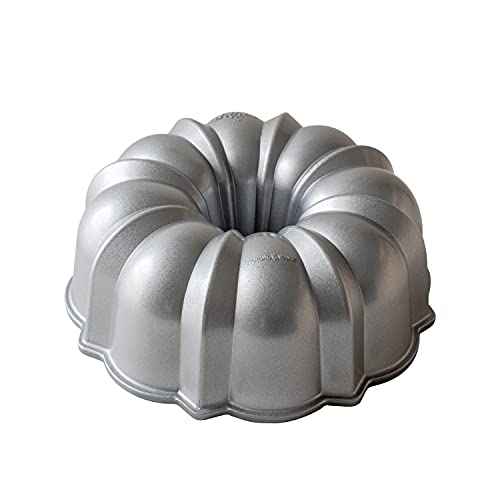
A practical guide to the best 12 cup bundt pan: what matters, what to skip and how to avoid common buying mistakes.
A bundt cake can look like a celebration and still stick in the pan, bake pale on one side, or overflow a crowded oven. Choosing the best 12 cup bundt pan for your home comes down to fit, material, and how often you actually bake. This guide helps you match the pan to your kitchen space, your household size, and your budget.
The comparison table below sums up the main types at a glance. If you want a broader view of shapes and sizes first, see our guide to the best bundt pan before you settle on the 12 cup size.


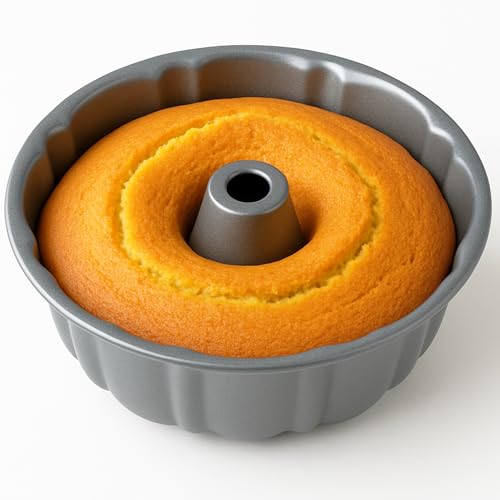
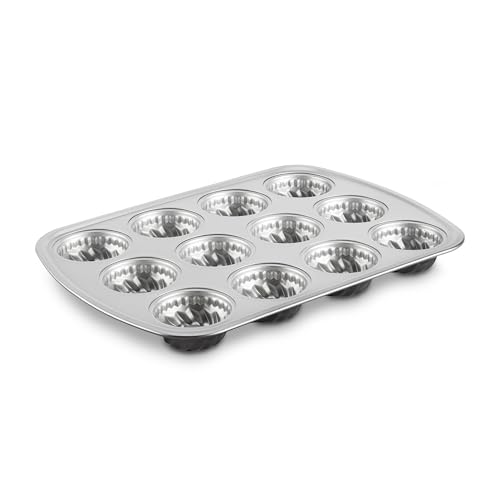

Quick Answer: What Sets a Good 12 Cup Pan Apart
A good 12 cup pan heats evenly, releases a detailed cake cleanly, and fits your oven and storage without a struggle. Cast aluminum gives sharp detail and steady browning. Coated metal gives forgiving release for newer bakers. Silicone gives flexible storage and gentle baking. None of these is right for every home, so the checklist below walks through the trade offs in the order most families feel them.
Before You Buy: A Quick Checklist for Choosing a Bundt Pan
Work through these points before you look at patterns or colors. A pan that matches your oven, your recipes, and your cleaning habits will serve you far better than a pretty shape that fights you each time.
Size: Match It to Your Space
A 12 cup pan usually measures about 10 inches across and holds batter from most standard cake recipes. Smaller 6 cup pans suit couples and small batches, while 10 cup pans fit compact ovens with little room to spare. A 15 cup pan needs generous oven depth and serves a crowd. Measure your oven rack space and your cabinet height first, and leave at least an inch of air around the pan for heat to circulate.
Which Type Fits Your Routine
Think about how you bake week to week. If you bake for school events and family dinners, a sturdy metal pan with deep flutes gives a classic ring shape. If you bake rarely, a simpler fluted shape releases more easily and stores without fuss. Mini pans make single servings but add washing and storage. Ceramic pans look lovely on the table yet heat more slowly, and flexible pans need a firm tray under them for safe lifting.
Light vs Dark Finish and Browning
Finish color changes how the crust forms. Dark finishes absorb more heat, so cakes brown faster and can form a thicker crust, which helps release but can dry edges on sweet batters. Light finishes reflect some heat and give a paler, softer crust that suits delicate lemon or vanilla cakes. If you own a dark pan, you can lower the oven temperature slightly and check a few minutes early to keep the outside tender.
Oven Safe Temperature
Check the stated oven safe limit before you buy, and match it to the way you cook. Most metal pans handle the heat of standard cake baking with ease, while silicone pans often carry a lower limit that still covers cakes but not broiling. Handles and coatings can have lower limits than the pan body itself. If you plan to use the pan for savory dishes like meatloaf or pull apart bread, confirm the limit covers those recipes too.
Nonstick Coating vs Uncoated
A coated surface releases detailed cakes with less greasing and suits bakers who want calm results on busy days. An uncoated metal surface lasts for decades when greased with care, and many bakers like that it never peels. Coatings do wear over time, especially with metal tools and harsh scrubbing. If easy release matters most right now, a guide to the best nonstick bundt pan covers that style in more depth.
Realistic Budget Ranges
Prices for this size fall into clear bands. Spending under $20 usually buys a light coated steel pan with a simple shape and a shorter coating life. About $20 to $40 covers heavier cast aluminum and better coatings, the band most home bakers find satisfying. About $40 to $60 brings thicker walls, ornate patterns, and finishes built to last. Spending more mainly buys weight, detail, and durability rather than a different kind of cake.
Three Types Compared: How to Choose Without Guesswork
Instead of chasing a single winner, match the pan type to your home. These three families cover nearly every 12 cup pan you will see, and each one shines for a different routine.
Cast Aluminum for Even Baking and Sharp Detail
Cast aluminum spreads heat smoothly, so the batter rises evenly and the pattern shows crisp ridges after release. The walls hold heat well, which gives pound cakes and dense batters a fine, even crumb. These pans feel solid without being hard to lift when full. They cost more than thin steel and reward careful greasing, since most have no coating or only a light one. Choose this type if you bake often and care about how the finished cake looks on the table.
Coated Metal for Easy Release on Busy Days
Coated steel or aluminum pans are the forgiving choice for weeknight baking and for gifts that must turn out well. The slick surface lets cakes slide free with a short cooling rest, and cleanup is usually a quick wash. The trade off is lifespan, since coatings thin with use and can scratch if you cut servings in the pan. Choose this type if you value calm, repeatable release and you are willing to replace the pan after some years of steady use.
Silicone for Flexible Storage and Gentle Baking
Silicone pans bend, stack, and tuck into drawers where a rigid pan will not fit, which helps in small kitchens and shared homes. Cakes bake gently and pale, and the flexible walls peel away from the cake instead of the other way round. You do need a baking sheet underneath for a steady lift, and sharp detail is softer than metal gives. Our guide to the best silicone bundt pan explains that style further.
What Separates a Good Bundt Pan
A good pan scores on even heating, clean release, resistance to warping, safe materials and honest cleaning effort. Maker specifications, the details in buyer reviews and general baking knowledge about how metals and coatings behave are the best guides. A pan earns its place when its strengths suit real home routines, not when it simply looks impressive in a photo.
Is a 12 Cup Bundt Pan the Right Size for You?
For most households of three to six people, this size hits a sweet spot. It takes a standard cake mix or a typical scratch recipe without changes, and it yields enough slices for dinner guests with a few left for the next day. If you mostly bake for one or two, a half batch in this pan bakes thin and dries fast, so smaller pans serve you better. Our roundup of the best mini bundt pan suits that habit well.
Consider your storage too. A 12 cup pan is wide and tall, and ornate shapes can snag on cabinet doors. If shelf space is tight, a simple fluted shape in this size still gives you the ring form without the bulk of deep sculpted patterns. Households that bake for potlucks and holidays, though, will use the full capacity often enough to justify the space it takes.
Common Mistakes to Avoid
- Buying by pattern alone, then finding the pan barely fits your oven or cabinet.
- Filling the pan to the rim, which lets batter spill and ruins the ring shape.
- Skipping grease in the grooves, so the most detailed parts of the cake stay behind.
- Using metal knives inside a coated pan, which cuts the surface and shortens its life.
- Storing the pan with heavy pots stacked inside, which can dent thin walls and warp the rim.
Cost of Ownership and Care
The purchase price is only part of what a pan costs you. Coated pans may need replacing after a few years of weekly use, while plain cast aluminum can serve for decades with no parts to renew. You will also use a little butter, oil, or baking spray for each bake, plus a soft brush that reaches into the grooves. Factor in that small ongoing effort when you compare a cheap pan with a heavier one.
Greasing well is the single habit that protects both cake and pan. Follow the steps in our guide on how to grease a bundt pan and your cakes will release with far less stress. For washing and storage, our notes on how to clean a bundt pan cover the basics. Store the pan dry, keep it apart from sharp tools, and avoid stacking weight on the rim so the shape stays true.
Your Questions, Answered
What is the most reliable bundt pan brand?
Reliability comes from build more than from a name. Look for a maker that states the pan material, wall thickness, coating type, and oven limit clearly, and that backs the pan with a real warranty. Consistent buyer reports about even baking and lasting release matter more than a famous label. A heavier pan from a maker that publishes full specifications is usually a safer bet than a light pan with vague claims.
How do you clean a bundt pan?
Let the pan cool, then soak it in warm soapy water for about 15 to 20 minutes so baked sugar softens before you scrub. Work a soft brush or cloth into each groove, rinse well, and dry the pan fully before storing it. For a stubborn spot, soak again rather than reaching for steel wool, which scratches coatings and roughens plain metal so later cakes stick more.
Is a bundt pan worth it?
Yes, if you enjoy cakes that look special with little decorating skill. The ring shape bakes evenly, slices neatly, and turns a plain batter into a centerpiece with only a dusting of sugar or a simple glaze. If you bake cakes only once or twice a year, borrow one or choose a low cost coated pan first. Frequent bakers get steady value from the pan within a single holiday season.
How long does a bundt pan last?
Plain cast aluminum can last for decades because there is no surface layer to wear away. Coated pans usually give several good years before release starts to fade, and gentle washing stretches that span. Silicone lasts well until it tears or takes on odors that washing cannot remove. In every case, storing the pan dry and keeping metal tools out of it adds years of useful life.
What size bundt pan do I need?
Match the pan to the batter volume your recipes make. Most standard cake recipes and boxed mixes produce batter that fills a 12 cup pan to the right level, about two thirds full. Recipes written for a loaf or a small round cake need a 6 cup pan instead, or the cake will bake thin. When a recipe lists pan volume rather than dimensions, trust the cup count, since width alone can mislead you.
What is the best 12 cup bundt pan?
The right answer depends on your home. Frequent bakers who want sharp detail and a pan that lasts should favor heavy cast aluminum. Bakers who want the easiest release for gifts and events should favor a quality coated pan. Small kitchens short on storage should consider silicone. Each type can produce an excellent cake when it matches your oven space, your recipes, and the care you will actually give it.
Final Thoughts
Start with fit, then choose the material that matches how often you bake and how much care you enjoy giving your tools. The product table above pulls those trade offs into one view so you can compare at a glance. For most homes, the best 12 cup bundt pan is the one that fits the oven, releases your favorite batter cleanly, and earns its cabinet space bake after bake.


