
Best 10x42 Binoculars Under $600 in 2026: Matching the Right Model to Your Routine
Disclosure: We may earn a commission when you buy through links on this page, at no extra cost to you. As an Amazon Associate I earn from qualifying purchases. Learn more

Match the best 10x42 binoculars under $600 to how you really use them, so you skip overpaying and get the right fit the first time.
There is no single 10x42 that suits every outing, because birding at dawn, watching a game from high seats and scanning a ridge all reward different strengths. The best 10x42 binoculars under $600 for you are the pair whose glass, field of view and fit match the way you actually spend time outdoors. Use the product table to check those points side by side.
Start with your routine rather than a spec list. Think about the light you use most, the distance you carry the binoculars and whether you wear glasses. The sections that follow turn those answers into clear choices about coatings, focus, eye relief and weather sealing.


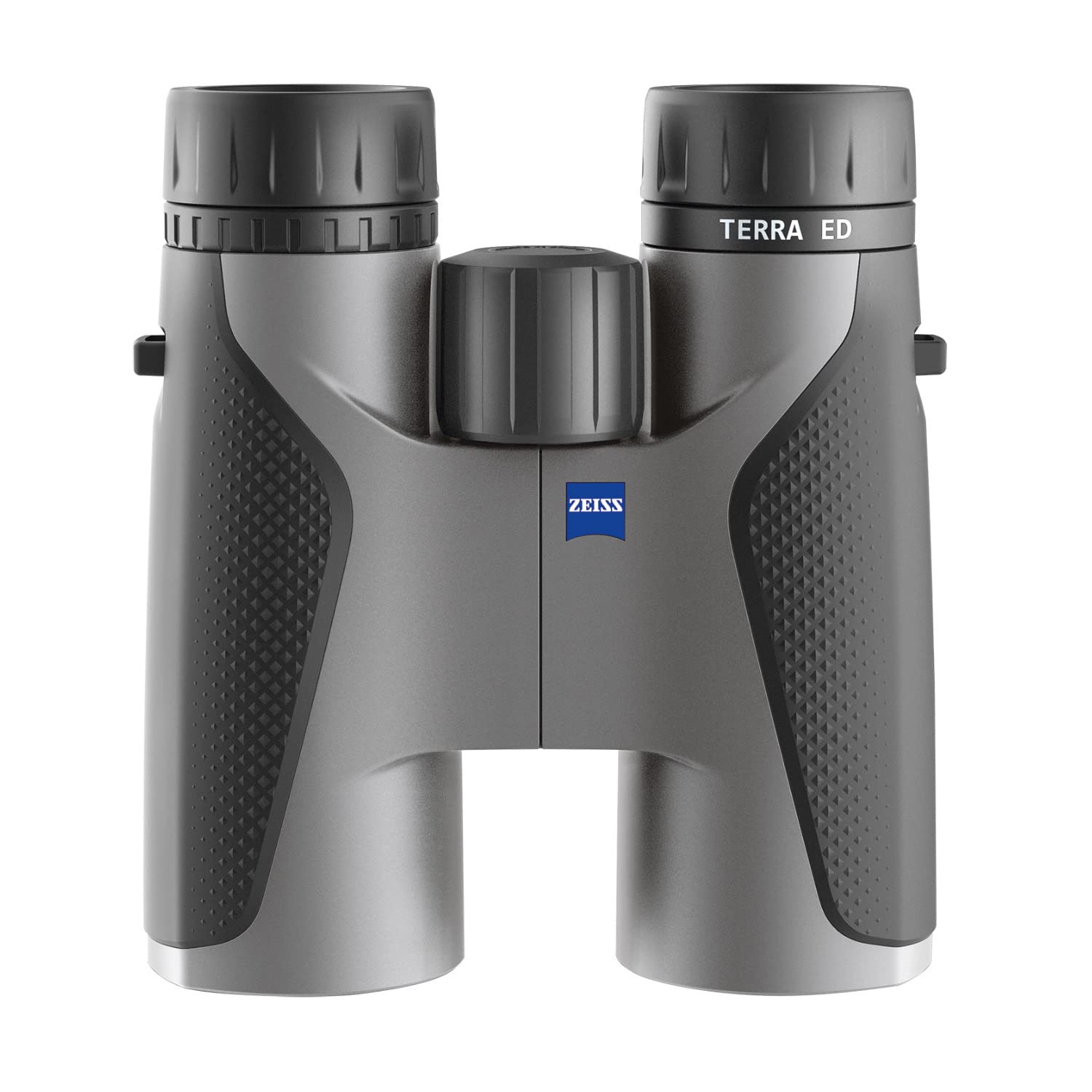


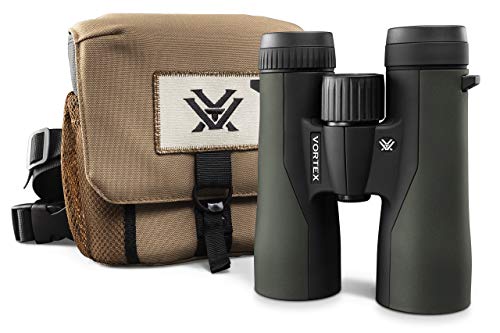


Who Should Buy Which 10x42 Binoculars?
Your most common outing should decide where the money goes. A pair that feels perfect on a forest trail can feel too narrow at a stadium, and a light travel pair may give up brightness at dusk.
Birders and Wildlife Watchers
You follow small, moving subjects through brush, so you need a wide field of view and a focus wheel that moves smoothly from a near branch to a distant tree line. Prioritize quality glass and a close focus distance of about 6 to 8 feet for insects and nearby birds. A grippy body matters too, because you hold the binoculars up again and again.
Travelers and Sports Spectators
You carry your binoculars in a day pack and pull them out for scenery, stadium play and harbor views, so size and weight shape your choice. Look for a pair around 24 to 28 ounces with a compact roof prism shape that packs flat. You can accept a slightly narrower field if the image stays sharp in daylight. Tough outer armor helps too, because travel gear gets bumped in bags and cars.
New Buyers and Everyday Users
You want one versatile pair for walks, school events, vacations and watching wildlife from a porch, without a long learning curve. Choose a smooth center focus wheel, a forgiving view when your eyes are not perfectly centered and clear diopter adjustment for the difference between your eyes. Spend on good coatings and solid weather sealing before extras, because those basics improve every view.
Key Features to Compare
Compare the factors below in order. They explain most of the price spread in this budget and most of the difference you will feel outdoors.
What You Can Realistically Get Under $600
A budget near $600 should buy fully multi coated lenses, quality roof prisms with phase coating and, on many models, extra low dispersion glass that reduces color fringing around bright edges. Expect solid waterproofing and a good warranty at this level. Savings usually show up in a narrower field or a heavier body, not in a dim image. If a lower price tempts you, see our guide to the best 10x42 binoculars under $500 to judge what that step down gives up.
Glass, Prisms and Coatings for a Clear Image
Most 10x42 models in this range use roof prisms because that layout keeps the body straight and compact. BaK 4 prism glass, phase coating and dielectric coating help light pass cleanly, which supports contrast when you look into shade or backlight. Extra low dispersion elements reduce the fringe that can outline birds against a bright sky. Judge this group together, because strong lens glass cannot fully fix weak prism coatings.
Field of View and Focus Control in the Field
Field of view is often listed around 315 to 390 feet at 1,000 yards, and a wider view makes it easier to find and follow moving subjects. The trade off is that extreme width can soften the outer edge, so clean edges matter more than the largest number. The center focus wheel should turn with steady resistance and no gritty spots. A close focus near 6 feet suits nature viewing, while a faster wheel helps at games.
Eye Relief, Eyecups and Fit for Glasses Wearers
Eye relief around 15 to 19 mm lets glasses wearers see the full view without pressing the lenses against their frames. Twist up eyecups should hold each position firmly, and wearers without glasses extend them so the eyes sit at the right distance. Set the barrel spacing until the two circles merge into one round image. If black edges keep appearing as you move, the fit is off, and even excellent glass will feel tiring.
Durability and Weather Sealing for Outdoor Use
Look for waterproof sealing and fogproof construction, usually with nitrogen filling that keeps inner moisture from clouding the lenses when you move between warm and cool air. Rubber armor absorbs small bumps and improves grip with wet or gloved hands. Check that lens caps stay attached or store easily, because lost caps leave glass exposed in a pack. Sealing guards against rain, but it does not make a pair safe to store wet.
A Simple Decision Checklist for Matching a 10x42 to Your Routine
Write down your top three outings, then rank the factors above for those outings before you look at prices. Dawn and dusk use puts brightness and coatings first. Fast moving subjects put field of view and focus speed first. Long carries put weight first. This ranking stops a single headline spec from deciding the whole purchase.
Next, set the barrels to your eyes, turn the diopter once for your right eye, and practice finding a distant sign, then a near object, in one smooth motion. Shoppers who decide that a lower tier covers daylight use can see our guide to the best 10x42 binoculars under $300, while readers comparing the format without a firm price cap can see our guide to the best binoculars 10x42.
Finally, treat the price cap as a tool rather than a target. Many buyers find the best 10x42 binoculars under $600 by spending enough for strong coatings and sealing, then stopping before paying for small gains they cannot see in their light. Keep the packaging until you have checked the pair outdoors.
Common Mistakes to Avoid When Buying 10x42 Binoculars
These errors are common because box numbers look simpler than the real view.
- Choosing by magnification alone leaves you with a narrow, shaky view that is hard to hold on a small subject.
- Ignoring eye relief forces glasses wearers to miss the edges of the scene and strain to hold a full image.
- Skipping the diopter setting leaves one eye slightly soft, so the view never looks fully sharp.
- Buying the widest field without checking edge clarity gives you a large view with distracting blur where subjects often move.
- Storing a wet pair in a closed case traps moisture against the lenses and invites spots and odor.
Cleaning Coated Lenses Without Scratching Them
Clean the lenses only when dust or spots actually affect the view. Blow loose grit away first, then wipe gently with a clean lens cloth in small circles, because rubbing dry grit across coated glass can scratch it. Never use a shirt or paper towel, since both can drag particles and leave fibers behind. Keep the caps and eyepiece cover on when the pair hangs unused.
After rain, pat the body dry and leave the binoculars out in moving air until the strap and armor feel dry, then store them in a padded bag in a cool, dry place. If the view stays cloudy inside the lenses after gentle drying, contact the maker or a repair service rather than opening the sealed body yourself.
Frequently Asked Questions
Can you get a good pair of 10x42 binoculars under $600?
Yes, a good pair of 10x42 binoculars is realistic under $600, and this budget sits well above basic entry models. At this level the optical basics should be handled well, so your choice can turn on fit and field of view instead of fixing weak glass. One useful check is warranty support in your country, because a long warranty adds value that a spec sheet does not show.
Is a smartphone enough instead of 10x42 binoculars for distant viewing?
No, a smartphone is not enough for sustained distant viewing, because phone zoom mostly crops the image and loses detail as you enlarge it. Binoculars give both eyes a steady, magnified view that is easier to watch for minutes at a time. A phone still wins for sharing a quick photo. Many birders use both, watching through the binoculars first, then recording the moment with the phone.
What specs matter most for new buyers choosing 10x42 binoculars?
For new buyers, comfortable fit and a smooth focus wheel matter most, because a pair that feels awkward stays home. After fit, look at eye relief if you wear glasses and choose weather sealing if you walk in damp places. One point often missed is strap comfort: a thin strap digs in on a long walk, and a wider strap can make a pair feel far better in daily use.
What makes 10x42 binoculars perform well in low light?
A 10x42 performs well in low light when its coatings pass light efficiently and its exit pupil suits your eyes. Dividing 42 by 10 gives an exit pupil of 4.2 mm, which matches many eyes at dawn and dusk. In very dim woods, steadiness matters just as much, because a shaking image hides detail that brightness alone cannot restore. Rest your elbows on your knees or a rail when the light fades.
What does 10x42 mean in binocular specifications?
In binocular specifications, 10x42 means the view appears 10 times closer and the front lenses measure 42 mm across. That pairing balances reach with a body most adults can hold steady and carry all day. If 10 times feels shaky when you try a pair, that is useful information, not a personal failing, and a lower power may suit you better.
Our Verdict
Match the pair to your routine first: coatings and brightness for low light, field and focus for moving subjects, and weight and eye relief for long, comfortable sessions. Use the product table to compare those points at each price, and favor the pair you can set up quickly and hold without strain.
Chosen that way, the best 10x42 binoculars under $600 stop being a price contest and become a tool you reach for on every outing. Spend where your light and subjects demand it, and the view will reward you.


