
Best 1080p Home Theatre Projectors for Every Need in 2026: How to Pick the Right One
Disclosure: We may earn a commission when you buy through links on this page, at no extra cost to you. As an Amazon Associate I earn from qualifying purchases. Learn more

Pick the best 1080p home theatre projectors for a dark movie room or a bright living room by checking brightness, throw distance and contrast.
There is no single projector that suits every room. A model that looks rich in a dark basement can look washed out beside living room windows, and a bright model can feel harsh for late night films. The best 1080p home theatre projectors match your room light, your seating distance and the way you actually watch. Use the product table to check each model against those three points first.
Start with how you watch most often. Film nights in a controlled room reward contrast and quiet fans. Family viewing with lamps on rewards brightness and simple streaming. Games add low delay between controller and screen.





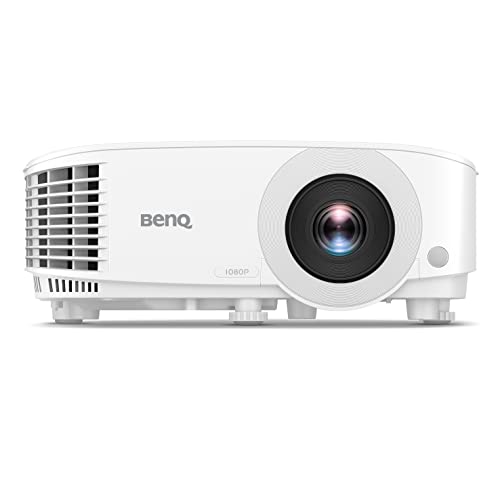
Who Should Buy Which 1080p Home Theatre Projectors?
Your room and your habits decide more than any single specification. Match your situation below first.
Movie Fans With a Dark Dedicated Room
You watch films with the lights off and the curtains closed, so contrast and black levels matter more than raw brightness. Prioritise strong native contrast, a quiet fan and a lens with enough zoom to fill your screen from the back wall. For a room built only around films, see our guide to the best 1080p home theater projectors, which uses the American spelling.
Families Watching in a Bright Living Room
You share the room with lamps and windows, so you need brightness that holds up with some light in the room. Look for higher rated brightness, a built in streaming platform and sound that fills the room without extra boxes on day one. If the same space also hosts game days, see our guide to the best projectors for home entertainment for the broader picture.
Gamers Who Want a Big Screen
You want films on Friday and fast games on Saturday, so input lag joins brightness on your shortlist. Choose a projector with a dedicated game mode and a quoted lag figure, fed from a console or PC over HDMI. A screen of 100 inches or more makes racing titles feel larger than any television in the same budget, as long as the delay stays low.
Small Room and Portable Viewing Fans
You set up on a table, watch, and put everything away again, or carry the projector to a garden or a friend's house. A short throw lens, auto focus and a light body matter more than the last word in contrast. Readers planning a fixed room instead can see our guide to the best home cinema projectors.
Key Features to Compare
Work through these five checks in order. The best 1080p home theatre projectors for your room pass all five, and each check rules out models that would disappoint you at home.
Brightness and Contrast for Your Room Light
Brightness is quoted in ANSI lumens, and that figure decides whether the image survives your room light. A dark dedicated room often works well at about 1,500 to 2,500 ANSI lumens, while a living room with daylight usually needs about 2,500 to 3,500 or more. Contrast decides how deep blacks look once the room is dark, and it matters more for films than brightness does. Beware of models that quote plain lumens instead of ANSI lumens, because those numbers run far higher for the same projector.
Throw Distance, Zoom and Screen Size
Throw ratio tells you how far the projector must sit from the screen for a given image width. A standard throw model often fills a 100 inch screen from about 8 to 12 feet away, while a short throw model can do it from about 3 to 6 feet. Measure your room first, and check the zoom range, because a lens with about 1.3x zoom gives you placement slack when the shelf cannot sit at the perfect distance.
Projection Technology and Light Source
DLP projectors are usually compact and sharp, with strong motion clarity, though some viewers notice rainbow flashes on high contrast scenes. Three chip LCD models avoid that effect and often show rich colour, while LCOS designs sit at the top end for contrast. The light source matters just as much. Lamp models cost less upfront but need a new lamp after about 4,000 to 10,000 hours, while LED and laser models often run about 20,000 to 30,000 hours.
Input Lag and Motion Handling
Input lag is the delay between your controller input and the change on screen, measured in milliseconds. Under about 40 milliseconds feels fine for most players, and under about 20 milliseconds suits fast shooters. A refresh rate of 60 Hz covers films, sport and most console play well, and some gaming models accept higher rates at 1080p if your source can send them. Smooth motion settings can help sport look fluid, but turn them off for films if faces start to look like a daytime soap.
Connectivity, Streaming and Sound
Count the HDMI ports before you buy, because a console, a disc player and a streaming stick can fill two ports quickly. An HDMI port with ARC or eARC lets the projector send sound back to a soundbar over one cable. Built in platforms such as Google TV save you a separate stick, but a simple model plus your own stick ages better. Built in speakers handle casual viewing, yet a soundbar will give films the weight the picture deserves.
How to Plan Screen Size and Placement for a 1080p Home Theatre Projector
At 1080p resolution, seating distance decides how large you can go before pixels start to show. A common comfort zone is to sit about 1.5 to 2 times the screen width away, so a 100 inch screen suits seats roughly 10 to 13 feet back. Sit closer and fine detail in faces can look soft. Decide the screen size from your seats, not from the largest blank wall you own.
Placement shapes the picture as much as size does. A ceiling mount or a rear shelf lets you use lens shift or zoom to square the image. Table placement low in front of you usually forces digital keystone correction, which shrinks the usable resolution and softens edges. Keep vents clear, and try the image on the bare wall for one full film before you drill any holes.
Common Mistakes to Avoid
Most returns trace back to one of these five errors, all easy to check before you order.
- Trusting a huge lumen claim with no ANSI label leaves you with a dim picture once real room light hits the screen.
- Buying the projector before measuring throw distance leaves you with an image that is too big or too small for your wall.
- Relying on digital keystone to fix a badly placed projector softens the picture and throws away part of the 1080p detail you paid for.
- Ignoring fan noise ratings puts a loud projector right above your seats, where it competes with quiet dialogue in every film.
- Budgeting nothing for a screen, a mount or sound leaves the projector sitting on a box and playing through a tiny speaker.
Keeping the Lens, Vents and Filter Clean
Clean the lens only with a soft microfiber cloth and a blower, never with household glass cleaner, because the coated glass scratches easily. Wipe the case vents with a dry cloth each month, and clean or replace the dust filter on the schedule in your manual. Dust inside the light path shows up as soft blobs on bright scenes.
Let the fan finish its cool down cycle before you unplug the projector or pack it away. If your model uses a lamp, avoid switching it off and on again in quick bursts, because repeated hot strikes shorten lamp life. Store a portable projector in a padded case with the lens cap on.
Frequently Asked Questions
What screen size suits a 1080p home theatre projector in a small room?
A screen of about 84 to 100 inches suits most small rooms at 1080p. Measure your seating distance first and keep it near 1.5 to 2 times the screen width. In a tight room, a slightly smaller screen with the seats pulled closer often looks sharper than the largest screen you can fit. A fixed frame screen also beats a wrinkled pull down sheet at this size.
DLP or LCD: which projection technology is better for a 1080p home theatre projector?
Neither technology wins for every viewer, so match it to your eyes and your room. DLP gives you a compact body and crisp motion, but try one first if you can, because a small share of viewers see rainbow flashes. LCD models run larger, yet they show no rainbow effect and hold colour brightness well in rooms with some light.
Is a 4K projector worth it over a 1080p home theatre projector?
For most seats at normal distances, a good 1080p projector still looks sharp, and 4K earns its price mainly on very large screens or close seats. If your screen will pass about 120 inches, see our guide to the best 4k home projectors before you decide. Spend the saving on a better screen and sound first.
Does refresh rate matter for watching sport on a 1080p home theatre projector?
Yes, refresh rate matters for sport, even if you never play games. Clean motion handling keeps a fast ball and scrolling score tickers readable instead of smeared. Look for honest 60 Hz handling and a sport or motion setting you can adjust. Sit a little farther back for fast matches too, because a huge image makes any motion blur easier to spot.
How long does the light source in a 1080p home theatre projector last?
It lasts about 4,000 to 10,000 hours in a lamp model and about 20,000 to 30,000 hours in most LED and laser models. Eco mode stretches lamp life further and also cuts fan noise. Watch for a picture that slowly dims or shifts colour, because that is the practical end of life sign, long before the source fails outright.
Wrapping Up
Choose by room first, features second. Brightness that matches your light, a throw distance that fits your walls and contrast that suits your films will beat any single headline number. Check lag if you game, and leave budget for a screen and sound.
Compare the best 1080p home theatre projectors against those points in the product table above, and the right model will stand out. Set it up level and adjust from there.


