
Best 1000 Watt Speakers for Every Need: How to Pick the Right One for 2026
Disclosure: We may earn a commission when you buy through links on this page, at no extra cost to you. As an Amazon Associate I earn from qualifying purchases. Learn more

Match the best 1000 watt speakers to your room, yard, or event and learn why peak watts alone do not tell you how loud a speaker really gets.
There is no single speaker that suits every room, yard, and event. A model built for a living room will disappoint at an outdoor party, and a loud party box is wasted on a desk. This guide matches the best 1000 watt speakers to real uses, so you can pick by how you actually listen. Start with the use cases below, then compare your shortlist in the product table.
One warning up front. The watt figure on the box is often a peak rating, not the steady power the speaker delivers, so treat it as a starting point rather than proof of loudness.
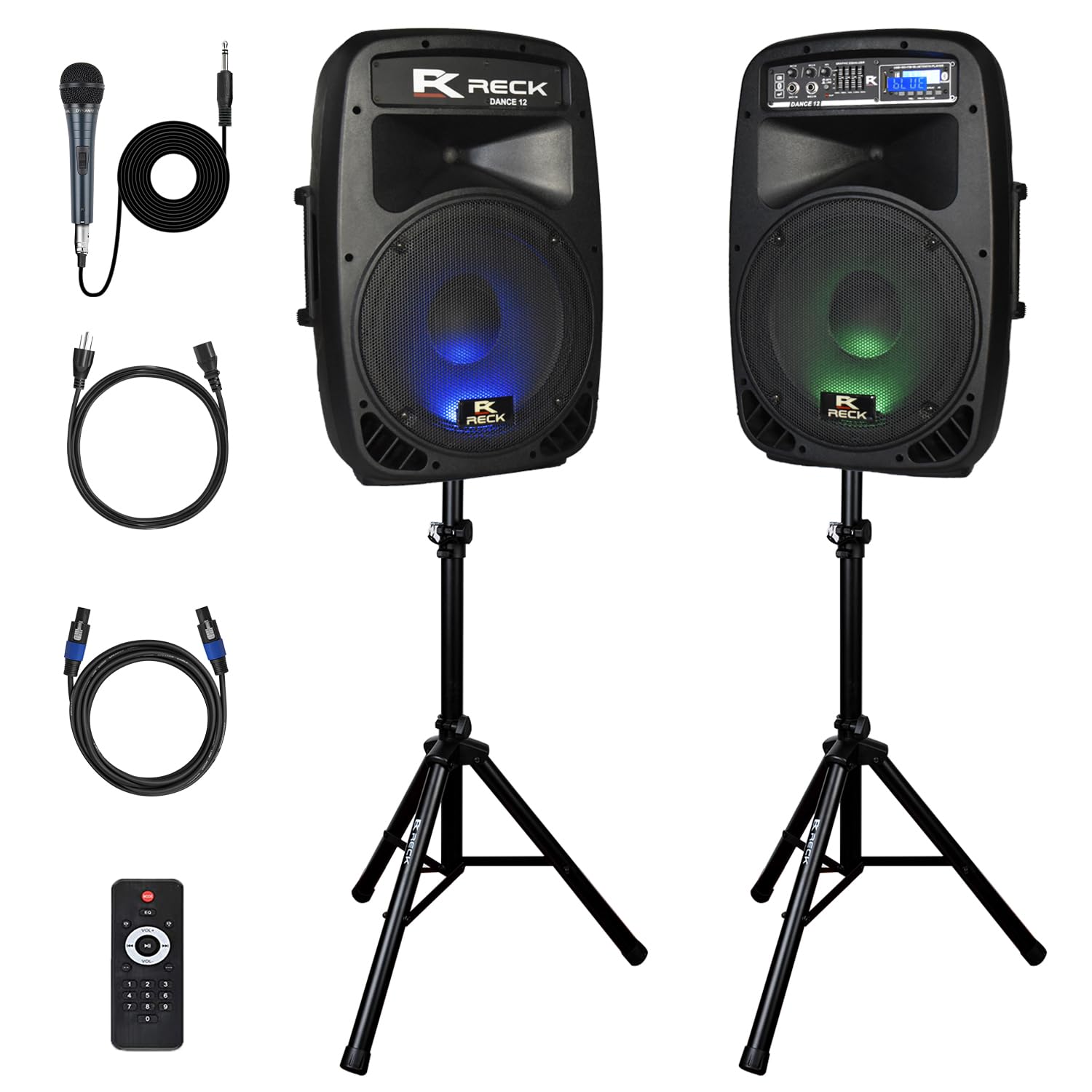


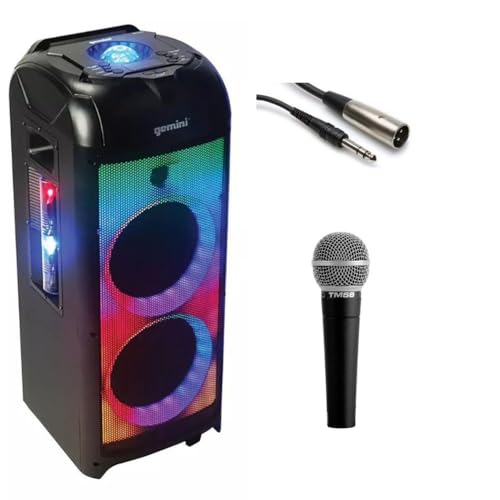

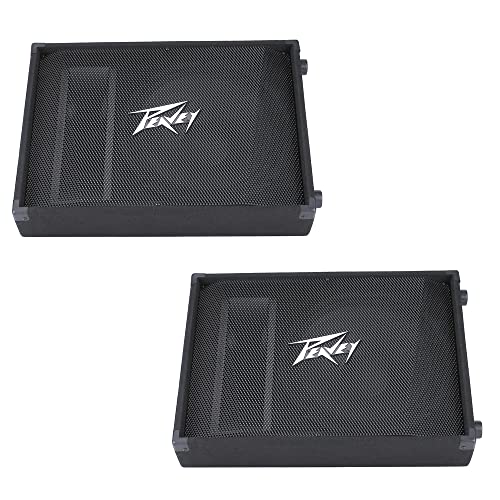

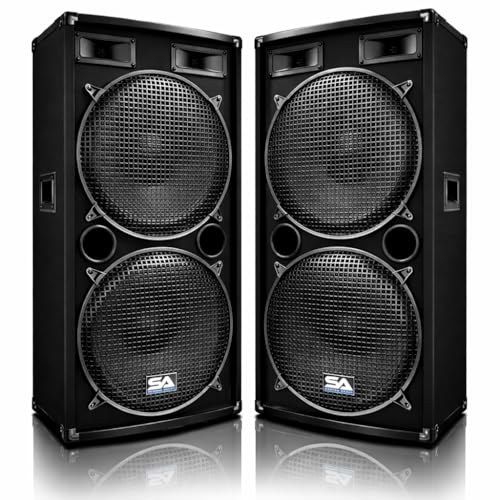

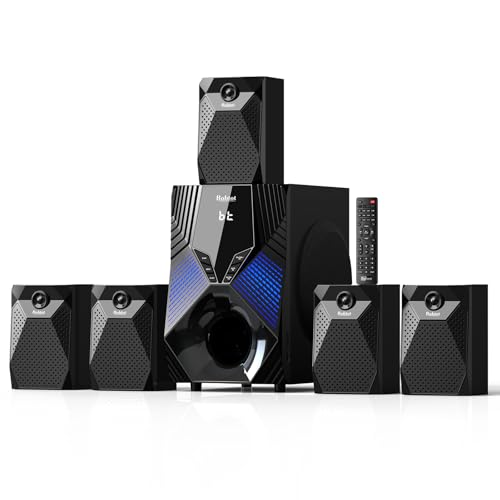

Who Should Buy Which 1000 Watt Speakers?
Your main use decides the size, features, and connections that matter. Find your group below, note the priorities, and ignore the rest. A speaker that nails your priorities at a fair price beats a louder or fancier model built for someone else.
For Gamers and Power Users
If your speaker serves a gaming or media setup, low delay matters as much as volume. Wired connections and modern Bluetooth with low latency support keep sound in step with the action on screen. You also want clear dialogue at low volume for late sessions, not just punch at full blast. Stereo pairing or a matched pair gives you a proper sound stage at a desk or TV. Power users should also check for an optical or HDMI input, since those links carry clean sound from a console or TV without extra gear.
For Remote Workers and Creators
Creators and home workers need accuracy more than sheer output. A balanced, neutral tuning makes voices, edits, and calls sound true, so you can judge a recording without guessing. Look for reliable Bluetooth multipoint, which lets the speaker stay paired with a laptop and a phone at once, plus a wired input for zero delay during editing. A built in microphone is a bonus for calls, but placement and clarity matter more. Choose a size that fits your desk without crowding your monitor, and favor simple physical controls you can reach without an app.
For Students and Everyday Users
Students and casual listeners should prize steady performance, long battery life on portable models, and a price that leaves room in a tight budget. A single well tuned speaker fills a dorm room or small apartment easily at this power level, so you rarely need a pair. Simple pairing, a rugged build that survives a move each term, and a standard USB C charging port all add daily ease. Skip fragile finishes and complex app setups. The speaker you use every day without thinking about it is the right one.
For Travelers and Event Hosts
If your speaker travels to cookouts, tailgates, and community events, weight and toughness come first. Look for sturdy handles, corner protection, and a battery that lasts a full event, or a wired model if outlets are always nearby. Water resistance protects against spills and sudden rain. Loudness outdoors is a different game from indoors, because open air swallows bass, so a larger driver and a cabinet built for projection matter more than the watt claim. A microphone input turns the same speaker into a simple PA for announcements.
Key Features to Compare
Peak Watts vs Real Output
This is the most important comparison in this whole category. Many listings advertise peak watts, a short burst figure, while the steady RMS rating may be far lower. Two speakers both labeled 1000 watts can differ a lot in real volume. Sensitivity, driver size, and cabinet design shape loudness just as much as power. To learn how ratings translate into real listening levels, see our guide to the best watts for speakers. When a listing shows only a peak number and hides the rest, read that silence as a warning sign.
Sound Quality and Tuning
Sound quality comes from the drivers, the cabinet, and the tuning working together. Larger drivers move more air and give fuller bass at outdoor volumes, while smaller setups can sound tighter indoors. Check the frequency response range for a sense of how low the speaker reaches, but trust balance more than extremes. A speaker tuned only for heavy bass will bury voices and lyrics at a party. If you listen mostly to speech, podcasts, and acoustic music, a neutral tuning will please you longer than a bass heavy one.
Placement and Room Size (for Speakers)
Match the speaker to the space. A bookshelf or desktop model suits a small room, where a huge party speaker will boom and overwhelm at low volume. For a large living room, a stereo pair spread apart gives width that one box cannot. Outdoors, plan on more power and a speaker placed on the ground near a wall or corner, which strengthens bass for free. Height matters too. Tweeters near ear level, seated or standing, keep voices clear, so a stand can be a smarter buy than extra watts.
Battery Life and Portability
Portable models live or die by honest battery figures. Makers rate battery life at moderate volume, so expect much less at the high volumes outdoor events demand, sometimes half the claimed hours. Weight deserves the same honesty. A speaker you cannot carry across a parking lot in one trip will get left behind. Check whether the battery can be replaced or serviced, since a sealed dead battery can end an otherwise good speaker. For home only use, a wired model skips all of this and often sounds better for the same money.
Durability and Water Resistance (IP Rating)
An IP rating tells you how well the cabinet keeps out dust and water. IPX4 handles splashes, which is enough for a kitchen or a covered patio. IP67 means the speaker can survive a short dunk and heavy rain, which suits poolside and beach use. Remember that salt water and sand still demand a rinse and a dry afterward. Beyond the rating, look at grille strength, rubber bumpers, and port covers. Those details decide whether a drop at a tailgate is a scare or a repair bill.
Common Mistakes to Avoid When Buying the Best 1000 Watt Speakers
- Judging loudness by the peak watt number alone, without checking driver size or real output ratings.
- Buying only on price and skipping the inputs you need, such as a microphone jack or an optical port.
- Choosing a speaker far too large for a small room, or far too small for outdoor events.
- Ignoring battery life at high volume on portable models, then running short mid event.
- Skipping the warranty and return terms on a heavy item that is costly to ship back.
If your budget is the deciding factor, our guide to the best speakers under 1000 shows how much sound that budget level usually buys. Shoppers comparing by total spend can also check the best speakers for 1000 dollars for a price first view of the market.
Tips to Get the Most From Your 1000 Watt Speaker
Keep the firmware updated through the maker app, since updates often fix pairing bugs and improve battery handling. Store portable models indoors in a case or cover to protect the drivers and grille from dust and knocks. Clean the grille and ports with a soft dry brush, and keep charging contacts dry. Avoid running any speaker at maximum volume for hours, because distortion at the top of the range strains drivers and shortens their life. A small step down in volume usually sounds cleaner and keeps the speaker healthy.
Frequently Asked Questions
Does a 1000 watt rating mean a speaker is louder?
Not always, because the figure is often a peak rating rather than steady output. Loudness also depends on driver size, sensitivity, and cabinet design, and a well built speaker with a lower honest rating can sound louder and cleaner. Compare the RMS rating when it is listed, and favor brands that publish full specs. If only a peak number is shown, assume the real output is much lower and judge by size and reviews of similar models.
Wired or wireless: which sounds better?
Wired connections sound more consistent, because they avoid compression and pairing dropouts, and they have no delay for video and games. Modern Bluetooth, especially version 5.3 with a good codec, sounds very close for music and adds freedom to move the speaker. The practical answer is to buy a speaker that offers both. Use wireless for everyday listening and plug in when you watch films, edit audio, or need the most stable link for an event.
Do I need a special codec?
Most listeners do not need a special codec, because standard Bluetooth audio handles music well at normal listening levels. Advanced codecs can preserve more detail and lower delay, which helps with video and critical listening, but both your phone and the speaker must support the same one. If you stream from many different devices, stable pairing and multipoint support will improve your daily experience far more than chasing a codec logo on the box.
How long does the battery last on a portable model?
Battery life depends heavily on volume. Makers usually quote figures at moderate levels, and a portable speaker in this class may run a full day at background levels but only a few hours near maximum volume outdoors. Bass heavy music drains the battery faster as well. For long events, plan on a power bank or an outlet for part of the day, and lower the volume during quiet stretches to stretch the charge you have.
What IP rating do I need for outdoor use?
For a covered patio and light splashes, IPX4 is enough for most people. For open yards, pools, and beach days where rain or a dunk is possible, look for IP67, which covers full short immersion. No rating makes a speaker safe to leave outside all season, so bring it in after events. Also dry the charging port before you plug in, since moisture in the port is a common cause of charging faults.
Wrapping Up
Pick by use first, then check real output rather than peak watts, and match the size and toughness to your space. Those three steps prevent nearly every bad purchase in this category. Compare your finalists in the product table above, confirm the inputs and battery match your plans, and you will find the best 1000 watt speakers for the way you actually listen.


