
Best 1080p Home Theater Projectors in 2026: A Buying Guide for Movie Nights
Disclosure: We may earn a commission when you buy through links on this page, at no extra cost to you. As an Amazon Associate I earn from qualifying purchases. Learn more

Compare the best 1080p home theater projectors by brightness, contrast, throw distance and light source, with setup and screen tips.
A projector can turn a plain wall into a cinema sized picture, but only if the brightness, throw and screen suit your room. The best 1080p home theater projectors give you sharp detail at 100 inches or more without the cost jump of a native 4K model. This guide explains what actually matters so you can read the product table with clear priorities.
Start with your room, not with a spec sheet. Note how dark you can make the space, how far the projector will sit from the screen, and whether movies, sports or games will fill most of your viewing. Those answers shape every choice that follows.


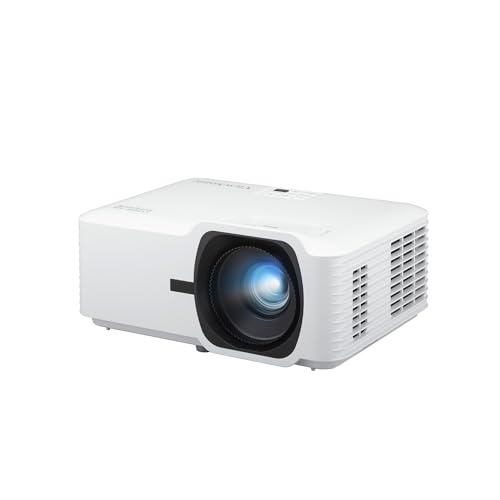
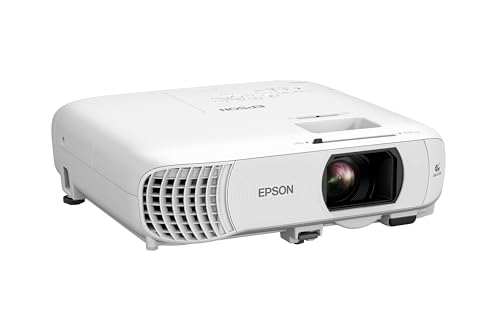


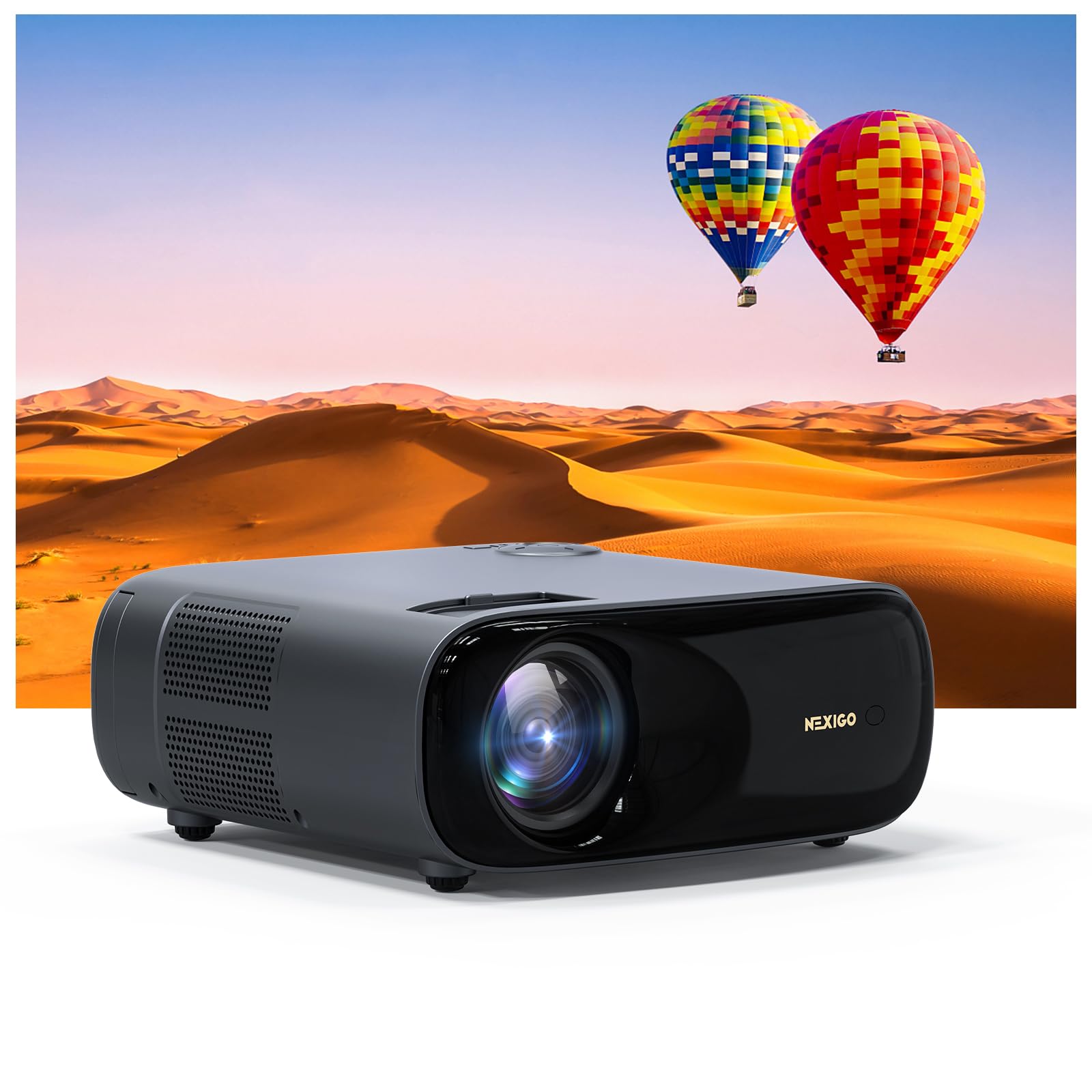
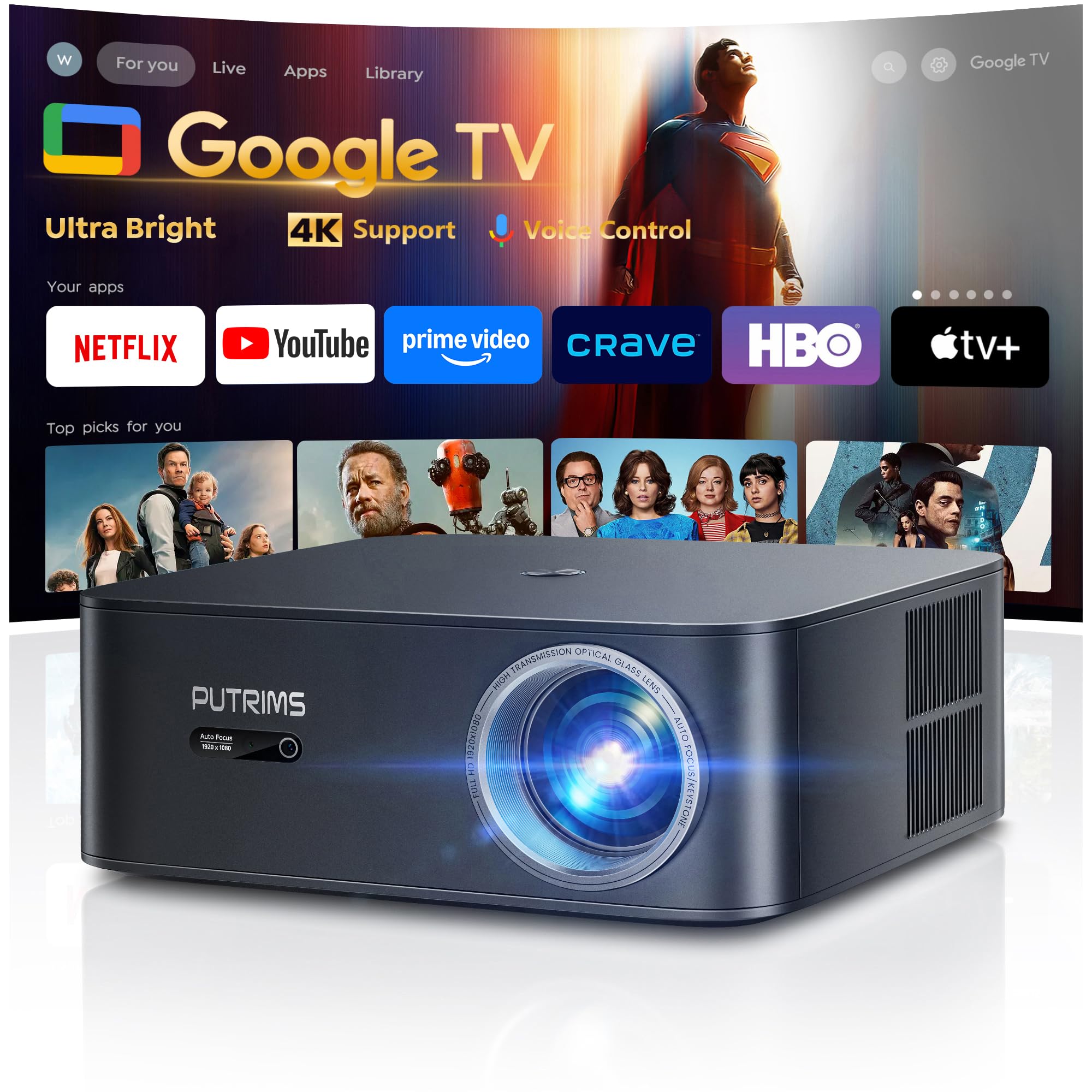
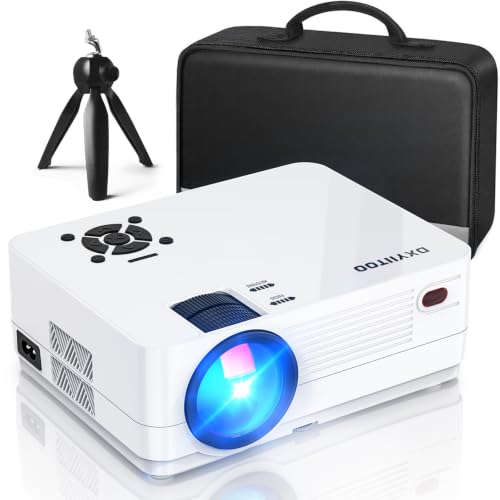
Who Should Buy Which 1080p Home Theater Projector?
Match your main use first, because a model that excels for films in a dark room may disappoint for bright afternoon sports.
Movie Fans With a Darkened Room
You watch films at night and can close curtains or blinds. Prioritize contrast and black level over raw brightness, since deep blacks make dark scenes look layered rather than gray. A standard throw model with a fixed screen suits you best. If films are your main focus, see our guide to the best movie projectors for home theater.
Families Using a Living Room for Mixed Viewing
You split time between movies, shows and sports, and some light always leaks in. Choose higher brightness and a light source that starts fast, so casual viewing feels easy. Built in speakers can cover small rooms, though a soundbar improves dialogue.
Renters and First Time Projector Owners
You need a setup that moves easily and leaves no marks. A tabletop model with a good zoom range lets you place it on a shelf and adjust the image without drilling. Plan to position the projector as square to the screen as you can.
Key Features to Compare
Compare these factors in order, because room fit and brightness decide whether finer points become visible.
How Bright a Home Theater Picture Needs to Be
Brightness for projectors is quoted in ANSI lumens, a measured standard that lets you compare brands fairly. A dark room can look vivid at about 1000 to 1500 ANSI lumens on a 100 inch screen. A living room with lamps or daylight usually needs about 2000 to 3000 ANSI lumens to keep colors from washing out. Bigger screens spread the same light over more area, so step up in brightness as your image grows.
Contrast Ratio and Black Levels
Contrast describes the gap between the darkest and brightest parts of the image, and it shapes how films look more than sharpness alone. High native contrast gives shadow detail in night scenes and makes faces stand out against dark backgrounds. Treat very large dynamic contrast numbers with care, since they rely on dimming tricks rather than scene detail. If you watch mostly movies, rank contrast just behind brightness.
Throw Distance, Throw Ratio and Screen Size
Throw ratio tells you how wide the image will be from a given distance, and it decides where the projector can live. A standard throw model often needs about 8 to 12 feet to fill a 100 inch screen, while a short throw model can do it from a few feet. Measure your room depth and screen width first, then check the ratio and zoom to confirm the image fits.
Image Technology and Light Source Life
Most 1080p models use DLP, LCD or LCoS chips to form the image. DLP tends to be compact and sharp, though some viewers notice rainbow flashes on high contrast scenes. LCD avoids that effect and often shows strong color brightness. Lamps last about 3000 to 5000 hours and need paid replacements, while LED and laser sources can last about 20000 hours or more. If low upkeep appeals to you, see our guide to the best laser projectors for home theater.
Lens Shift, Zoom and Keystone Correction
Lens shift moves the image without moving the projector body, so you can mount the unit off center and keep the picture square. Zoom changes image size within a range, which gives you placement freedom in a fixed room. Digital keystone correction also squares the image, but it reshapes pixels and can soften detail, so treat it as a backup. Choose real lens shift if your mount position is already fixed.
Connections, Sound and Fan Noise
Most setups need at least two HDMI inputs, one for a streaming stick or player and one for a console or cable box. An HDMI port with ARC or eARC can send sound back to a soundbar through the same cable. Fan noise matters in quiet scenes, so look for an eco mode that lowers both brightness and noise. For everyday clips and shows as well as films, see our guide to the best video projectors for home theater.
Types of 1080p Home Theater Projectors Compared
Projector types differ mainly in placement and light source.
Standard Throw Lamp Models for Dedicated Rooms
These models sit on a ceiling mount or rear shelf and use a replaceable lamp. They often deliver strong contrast for the price and suit a fixed screen in a dark room. The trade off is lamp cost over time. Choose this type if your mount position rarely changes.
LED and Laser Models for Low Upkeep
Solid state light sources turn on quickly, hold color well and remove lamp changes from your budget. Prices tend to run higher at the same brightness, but heavy users save the difference in replacement lamps. This type suits families who project daily.
Short Throw and Portable Models for Tight Spaces
Short throw models sit close to the wall, which cuts shadows when people walk past and suits small rooms. Portable models add a handle and modest speakers, but they trade brightness and lens quality for size. Choose them for flexible use across rooms.
Matching a Projector to Your Room and Budget
Price tiers map closely to brightness, contrast and lens quality, and trade offs are sharpest at the budget end.
Best 1080p Home Theater Projectors Under $500
Models under $500 can fill a 100 inch screen in a dark room, but expect modest ANSI lumens, limited or no lens shift and basic keystone correction. Spend on brightness and a real zoom lens first, and accept simpler built in sound. Pair the projector with a matte white screen for more even color. For more options, see our guide to the best affordable projectors for home theater.
Common Mistakes to Avoid
- Buying by advertised lumens instead of ANSI lumens leaves you with a picture that looks dim in real use.
- Placing the projector before measuring throw distance can leave an image that overflows or underfills your screen.
- Relying on digital keystone correction every day softens detail and shrinks the usable image area.
- Projecting onto a textured or colored wall distorts color and hides fine detail in dark scenes.
- Ignoring fan noise ratings makes quiet dialogue scenes hard to enjoy in a small room.
- Skipping a surge protector risks damage to the light source and main board during a power event.
Care and Maintenance for a Home Theater Projector
Keep the lens clean with a soft lens cloth or a blower, and never wipe a dry lens with rough fabric that can scratch the coating. Clean or replace the air filter on the schedule in your manual, because a clogged filter traps heat and can shorten light source life. Leave space around the vents and let the fan finish its cool down cycle before you unplug the unit.
Track lamp hours in the settings menu if your model uses a lamp, and plan a replacement before brightness fades badly. Store a portable model in a padded case away from dust. Check mount bolts and cable connections once or twice a year.
FAQ
How large a screen can a 1080p home theater projector fill well?
A 1080p home theater projector usually looks sharp on a screen of about 100 to 120 inches. At that size, individual pixels stay hard to see from about 10 to 12 feet away. Going much larger can reveal softness in fine text and faces. If you sit closer than 8 feet, a smaller screen often looks cleaner.
Does a 1080p home theater projector need a special screen?
No special screen is required, but a flat matte white screen improves brightness and color compared with most walls. A gray screen can deepen perceived blacks in a room with some ambient light, though it slightly dims the image. Avoid glossy surfaces, because they create hot spots that shift as you move seats.
Can a 1080p home theater projector show 4K and HDR content?
Yes, many 1080p models accept a 4K signal and scale it down to their native resolution, and many support HDR10 tone mapping. The picture will not gain true 4K detail, but HDR handling can improve highlight and shadow range on well made content. Check that your streaming device can output 1080p HDR if the projector downscales poorly.
How much input lag should a 1080p home theater projector have for casual gaming?
For casual gaming, input lag under about 40 milliseconds feels responsive in most single player titles. Many models offer a game mode that lowers lag by turning off extra image processing, often reaching about 16 to 30 milliseconds at 1080p. Turn game mode off again for movies to restore motion processing.
How long does a 1080p home theater projector lamp usually last?
A typical lamp lasts about 3000 to 5000 hours in normal mode and longer in eco mode, which often reaches about 8000 to 10000 hours at reduced brightness. Heat and frequent short on and off cycles shorten that life more than total hours alone. Let the fan cool the lamp fully after each session.
Final Thoughts
Put room fit first: confirm throw distance and screen size, then compare ANSI lumens for your light level and contrast for film quality. Add lens shift or a flexible zoom if your mount spot is fixed. Use the product table above to check those points against your short list.
When you compare best 1080p home theater projectors with those priorities set, the right model for your room usually stands out quickly. Buy for the space you have now, and your first movie night will reward the planning.


