Best 100 Inch Projector Screen (2026): How to Choose
Disclosure: We may earn a commission when you buy through links on this page, at no extra cost to you. As an Amazon Associate I earn from qualifying purchases. Learn more

A practical guide to the best 100 inch projector screen: what matters, what to skip and how to avoid common buying mistakes.
Your family finally agrees on a movie, the projector is ready, and the picture lands on a cream colored wall with a bookshelf shadow across one corner. That moment is why finding the best 100 inch projector screen matters more than most people expect. A proper screen gives you a flat, bright, evenly colored picture that a wall rarely matches.
This guide helps you choose by room, by how many people watch, and by budget. Work through the checklist, compare the screen types, and use the comparison table below to narrow your shortlist before you spend anything.


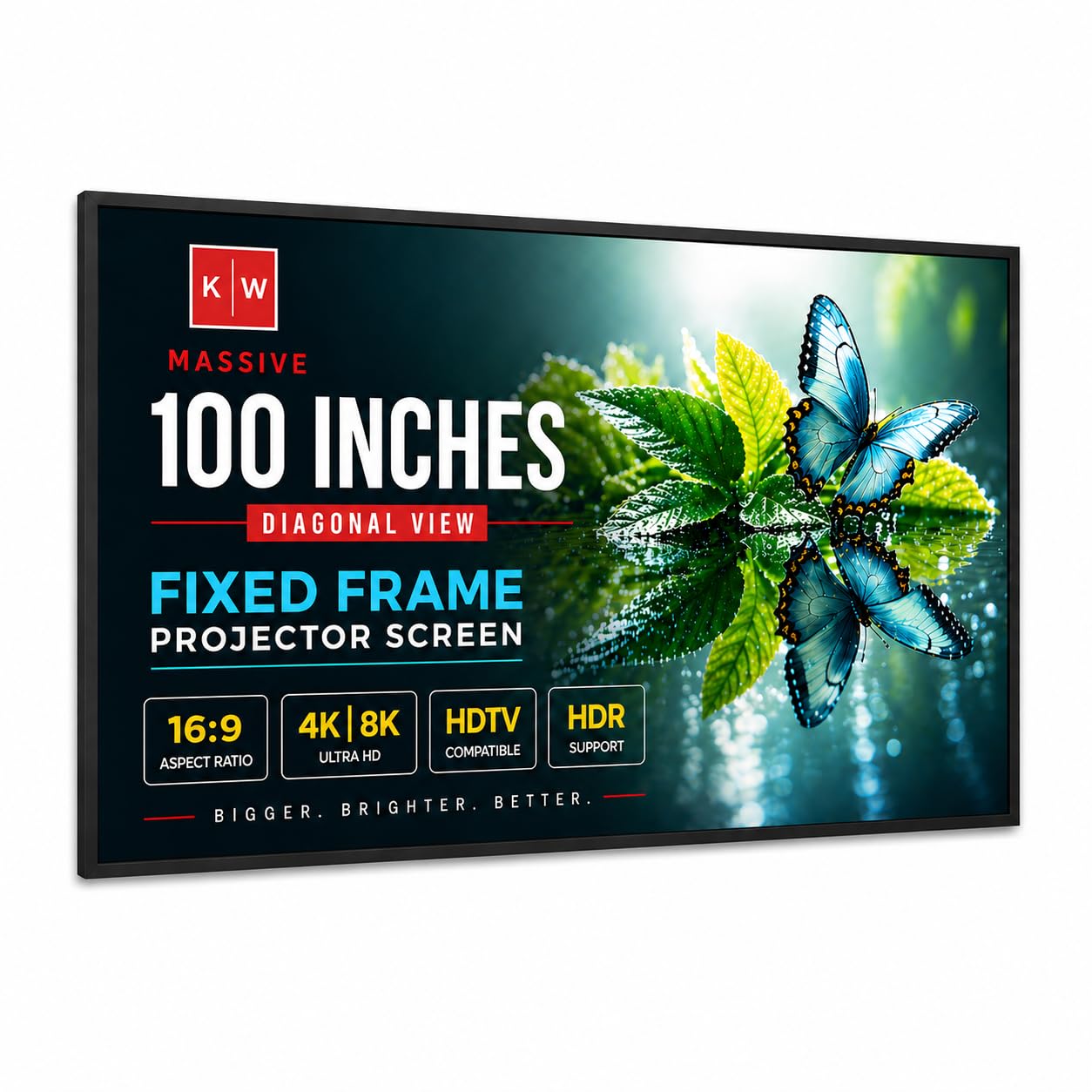


Quick Answer: The Three Screen Types Most Homes Choose
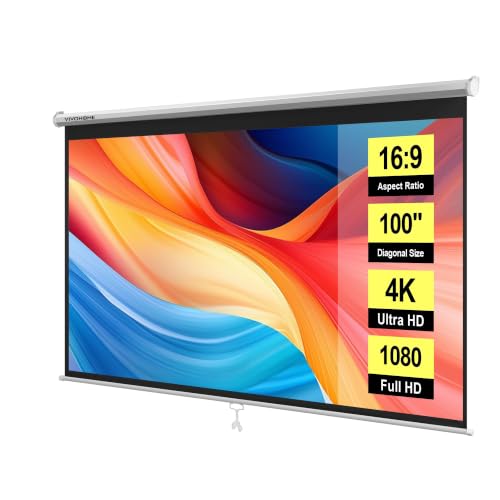
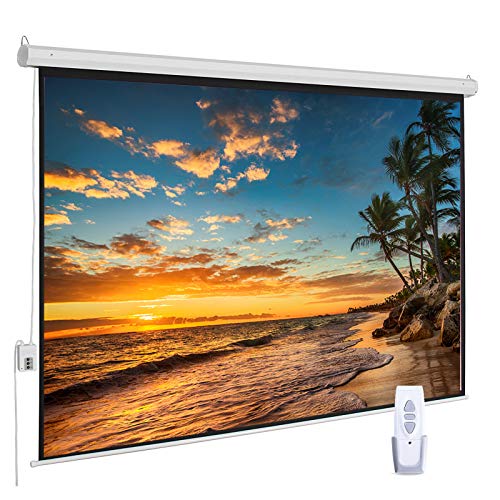
Most households end up choosing between three types. A fixed frame screen stays on the wall full time and holds the fabric perfectly flat, so it suits a room where the screen can be a permanent feature. A pull down or motorized screen rolls into a case when you are done, which keeps a living room looking like a living room the rest of the week.
The third option is a portable screen on a tripod or folding frame, or even a plain sheet of screen fabric you mount yourself. Portable types cost less and move between rooms or out to the yard, but they wrinkle more easily and take a few minutes of setup each time. Your routine, not the spec sheet, usually decides which type wins.
Before You Buy: A Quick Checklist for Choosing a Projector Screen
Five checks cover almost every decision at this size. Take rough measurements as you read, because a screen that almost fits is a screen you will return.
Size: Match It to Your Space
A 100 inch screen measured diagonally in a 16 to 9 shape is about 87 inches wide and 49 inches tall, and the frame or case adds a few inches on every side. Mark that full outline on your wall with painters tape before you order, then check for light switches, vents, and doors that swing into the space. If the outline crowds the wall, a smaller size will look better than a big screen squeezed in. If you are still weighing sizes, our guide to the best projector screen compares the common options side by side.
Which Type Fits Your Routine
Think about how often the screen goes up and down. A screen you raise and lower daily needs a smooth, reliable mechanism, and that is where a best motorized projector screen earns its higher price, since one button press replaces a tug and a hope that the fabric stops level. A manual pull down costs less and has no cord or motor to fail. Fixed frames skip mechanisms entirely, so all of your money goes into the fabric and frame instead.
Screen Size for Your Room and Seating Distance
For a 100 inch image, most viewers sit comfortably about 10 to 15 feet from the screen. Closer than that, you start turning your head and noticing pixel structure on lower resolution projectors. Farther away, the picture feels more like a large TV and loses the theater effect you paid for. Your projector also needs the right throw distance to fill 100 inches, so confirm in its manual that your room depth can produce this size with the lens you own.
Screen Material, Gain, and Light in Your Room
Matte white fabric with a gain near 1.0 reflects light evenly to every seat and keeps colors accurate, which is why it is the default choice for rooms you can darken. Gray fabric improves perceived contrast when some light leaks in, at the cost of slightly dimmer whites. Ambient light rejecting fabric goes further and throws away light coming from above and the sides, but it costs more and narrows the best viewing area to seats near the center. Match the material to your worst viewing conditions, not your best.
Realistic Budget Ranges
Plain fabric and simple portable screens can cost under $50, though you supply the frame or wall mounting yourself. Most pull down and entry level fixed frame screens fall between about $100 to $300. Motorized models and ambient light rejecting materials usually run about $300 to $600 or more at this size. A diy projector screen built from fabric and lumber can land near the low end if you already own basic tools, and it lets you size the frame to an awkward wall.
Is a 100 Inch Projector Screen the Right Size for You?
This size hits a sweet spot for shared rooms. It is large enough to feel like an event, yet it still fits on a typical living room wall above a low media console.
Families Sharing a Living Room
If the whole household watches together, a retractable screen protects your decor and your budget. The picture appears for movie night and vanishes for homework, games, and guests. Choose a fabric with a wide viewing area so children on the floor and adults at the ends of the sofa all see similar brightness. A black border around the image also helps young viewers focus and makes the picture look sharper than it is.
A Dedicated Media Room
When a room exists mainly for movies and sports, a fixed frame screen gives you the flattest surface and the most consistent picture. Pair it with seating placed for sound as well as sight lines, and the room starts to feel like a small cinema. Our guide to the best projector screen for home theater goes deeper on pairing screens with dark walls, controlled lighting, and surround sound layouts.
Renters and Rooms That Change Roles
If you cannot drill into walls or the room doubles as a home office, portability matters more than a perfect surface. A best portable projector screen on a tripod stores in a closet and sets up where the group happens to gather, indoors or out. Accept a little less flatness, store the fabric rolled rather than folded, and the picture will still beat projecting onto textured rental paint by a wide margin.
What Changes the Picture You See
Four factors change what you see on screen: fabric flatness, gain and viewing area, how the screen mounts or retracts, and what each type costs to own over time. Manufacturer specifications for size, gain and material help, as do patterns in buyer feedback about wrinkles, curling edges and mechanism failures. Judge each type on the same plain criteria so you can weigh it against your own room.
Common Buying Mistakes to Avoid
- Measuring only the diagonal. The viewing area is 87 by 49 inches, but the frame, case, and mounting hardware need extra wall space on every side.
- Ignoring your projector throw distance. A projector placed too close or too far cannot fill the screen cleanly, no matter how good the fabric is.
- Buying a bright room screen for a dark room. Ambient light rejecting fabric narrows the viewing area, so it can dim the picture for side seats that never had a light problem.
- Hanging the screen too high. Your eye level when seated should land near the lower third of the image, or necks ache during long films.
- Skipping the tape outline. Ten minutes with painters tape prevents the most common return at this size, which is a screen that overwhelms the wall.
Cost of Ownership and Care
A projector screen has almost no running cost. It uses no power unless it is motorized, and even then the draw is brief and small. Your real costs are mounting hardware, a possible replacement remote or power cord for motorized models, and the fabric itself if it gets damaged. Budget a little for wall anchors rated for the full weight of the case or frame, not just the fabric weight listed in some product descriptions.
Care is simple but specific. Dust the surface with a dry microfiber cloth, working in one direction, and never scrub or use household cleaners, since coatings on ambient light rejecting and gray fabrics can streak or peel. Keep retractable screens rolled up when not in use so dust settles on the case instead of the viewing surface. If you are mounting a screen yourself, the steps in how to hang a projector screen cover finding studs, leveling the case, and setting the drop so the image lands square.
Your Questions, Answered
How long does a projector screen last?
A fixed frame screen can last a decade or more, because the fabric never moves and the frame holds constant tension. Retractable screens usually wear out at the mechanism first, so gentle, straight pulls and avoiding half open stops extend their life. Yellowing is the other limit: fabric stored in strong sunlight ages faster, so keep spare fabric and portable screens out of direct sun between uses.
What size room do you need for a 100 inch projector screen?
You need a wall about 8 feet wide once the frame is counted, plus seating that starts roughly 10 feet back. Ceiling height matters less than people fear, since the image is only about 49 inches tall, but a low ceiling can force the screen top close to the ceiling and push the bottom edge near the floor. In a narrow room, angle the seating slightly inward rather than shrinking the screen, because viewing comfort depends on distance more than width.
Can you use a 100 inch projector screen in a bright living room?
Yes, if you control where the light lands. Hang the screen on the wall opposite heavy curtains rather than beside a bare window, so daylight falls behind the screen instead of across it. A projector with higher brightness helps, but moving a floor lamp out of the reflection path often improves the picture more than extra lumens. For daytime sports, sit closer to the center seats, where every fabric type looks brightest.
What is the best 100 inch projector screen for a shared family room?
For a room the family uses all day, the retractable types usually win, because the screen disappears and nobody has to decorate around a giant white rectangle. Pick the manual version if the screen moves once a week, and the motorized version if it moves daily, since convenience decides whether people bother using it. Add blackout curtains before upgrading the fabric, because cheap light control beats costly material in most shared rooms.
Final Thoughts
Start with your wall and your routine, and the right choice gets simple. Fixed frames reward dedicated rooms, retractable screens protect shared spaces, and portable types keep renters flexible. Check your measurements against the product table above one last time, and you will land on the best 100 inch projector screen for the way your household actually watches. Prices and availability can change, so check the product page before ordering.