Best 10000 Btu Window Air Conditioners (2026): Types, Sizing and Buying Tips
Disclosure: We may earn a commission when you buy through links on this page, at no extra cost to you. As an Amazon Associate I earn from qualifying purchases. Learn more

How to choose the best 10000 btu window air conditioner: type, window fit, room coverage, noise level and budget.
A 10000 BTU unit sits in a tricky middle ground. It is strong enough for a large bedroom or a modest living room, yet the wrong design can leave you with a noisy box, a window you can no longer open, and a room that still feels clammy. This guide to the best 10000 btu window air conditioner compares the three main types by coverage, cooling performance, noise level, and energy use, and the product table on this page lists current options.
Instead of ranking specific models, this article compares types and the criteria that separate them. That way you can judge any listing you find against the same standards, including window fit, rated coverage, and the features that actually matter at this size.
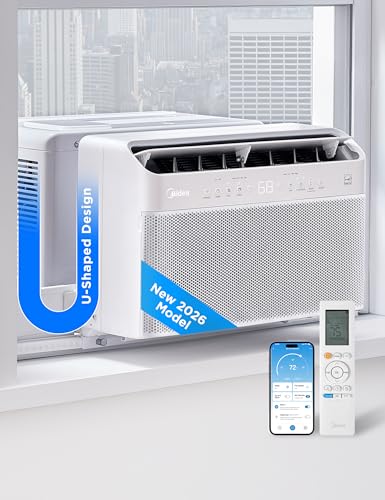
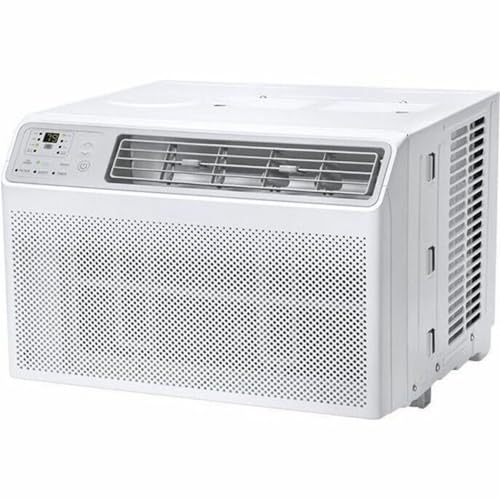
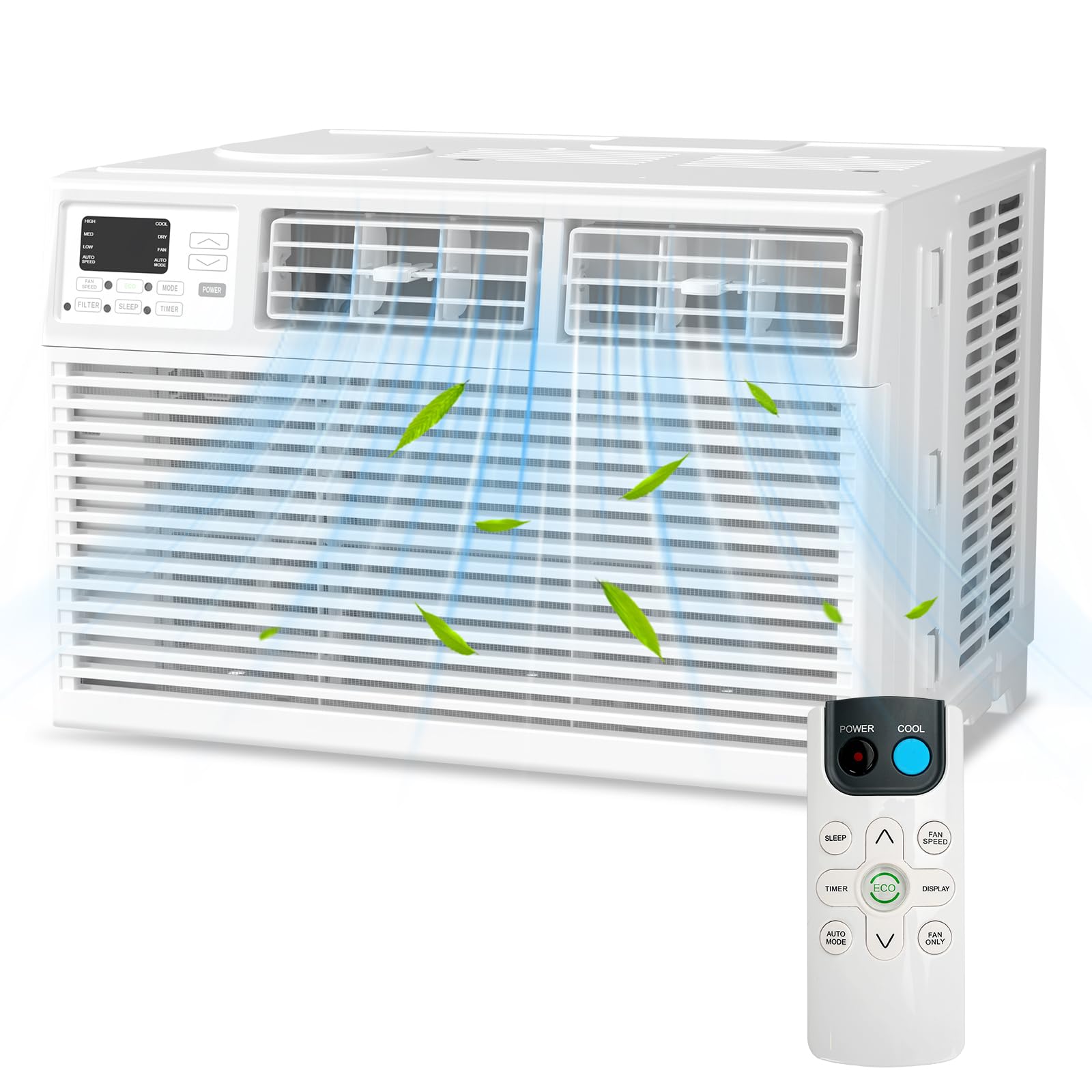
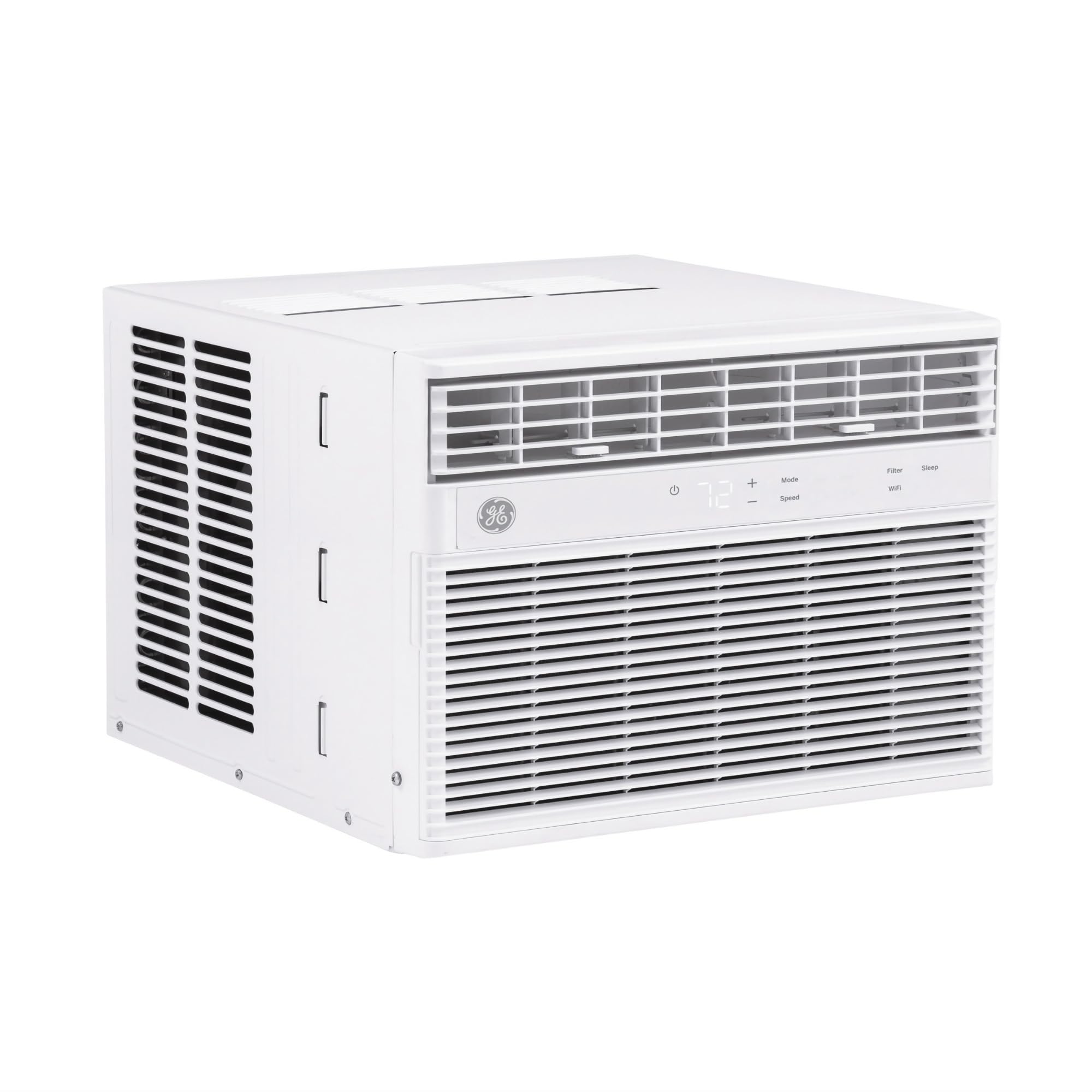

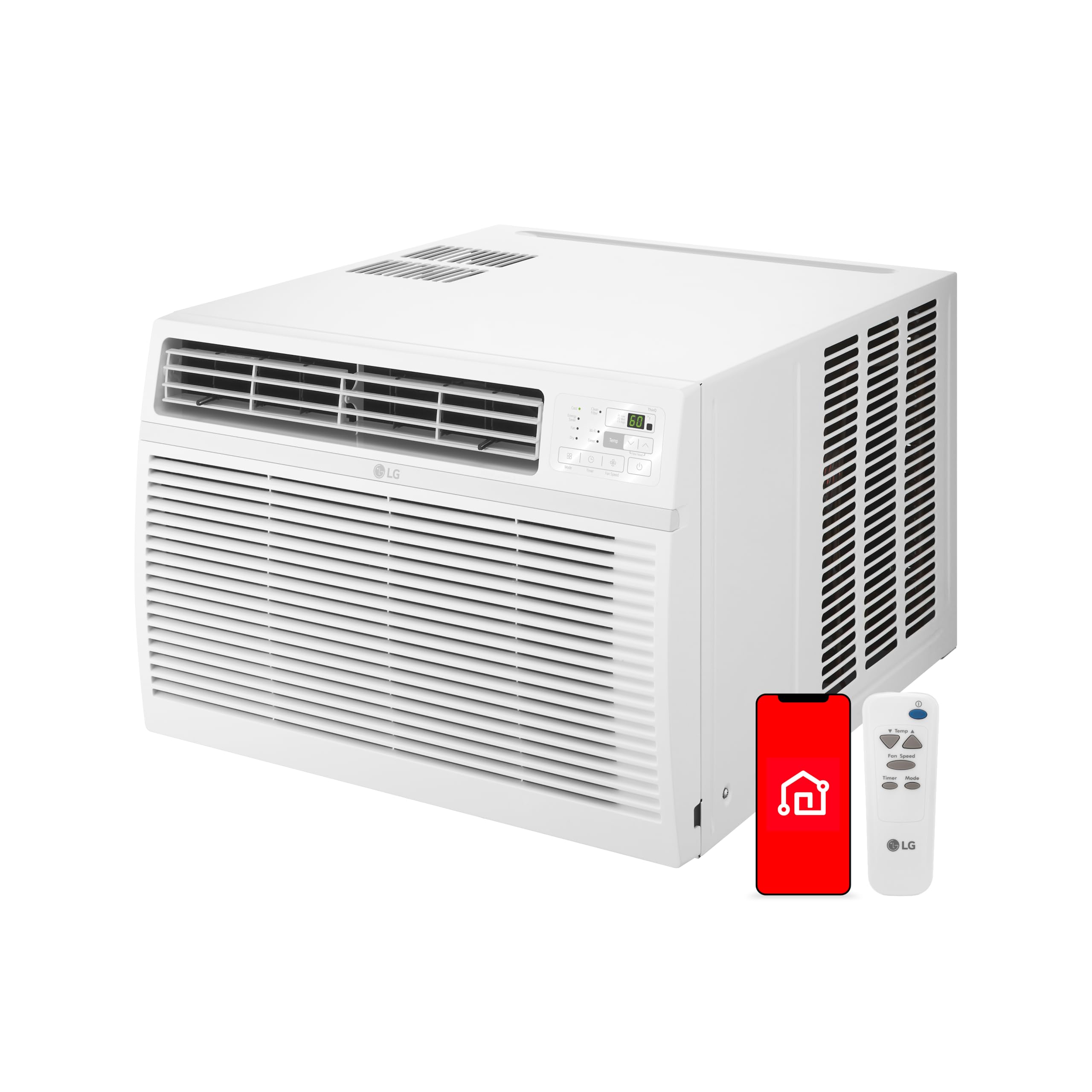


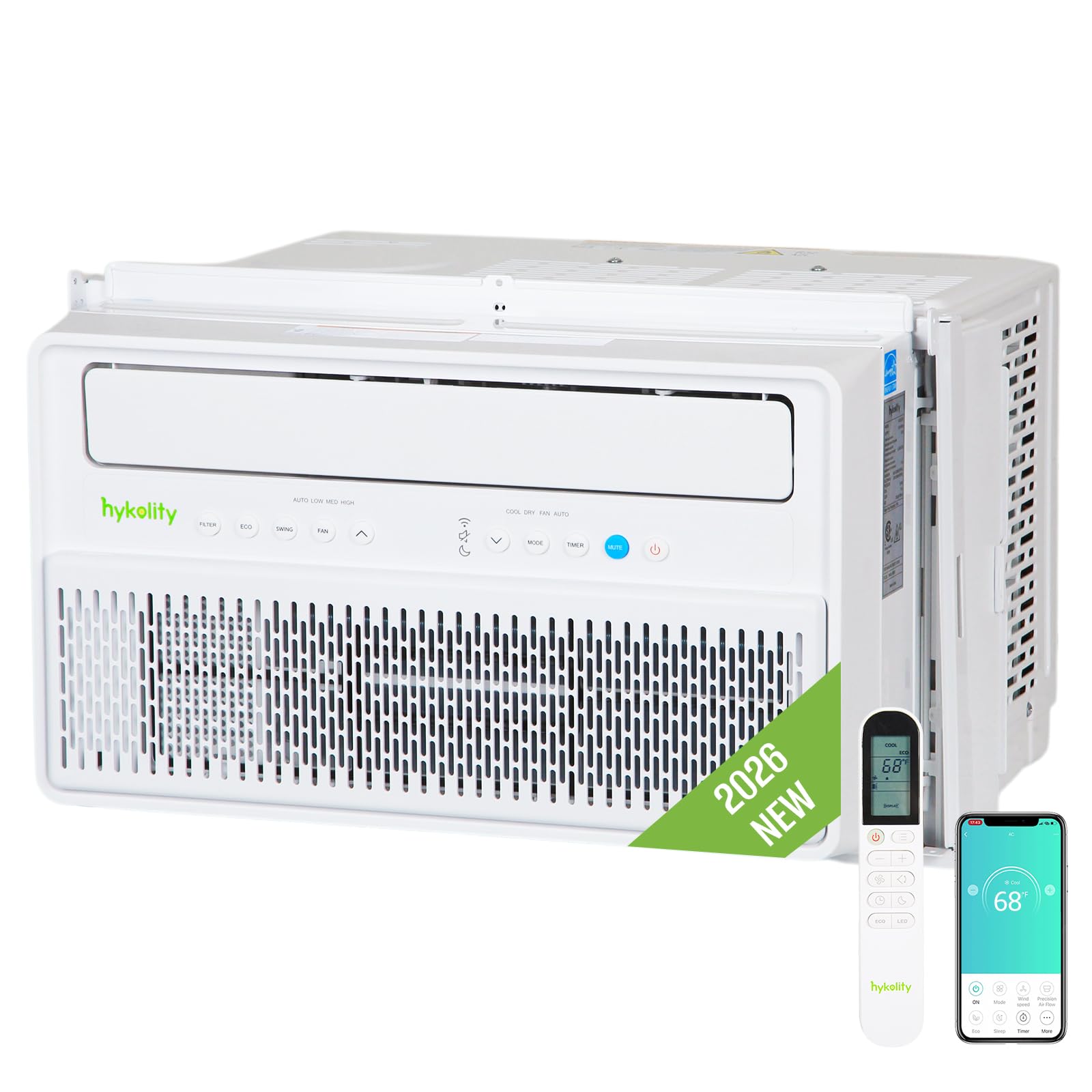

Three Types to Compare at a Glance
Nearly every unit at this size falls into one of three groups. Standard models use a fixed speed compressor and cost the least. Inverter models adjust compressor speed to hold a steady temperature. U shaped and saddle models straddle or hang over the sill so the window can still open and much of the noise stays outside. Your room, your window style, and how light a sleeper you are will usually point to one group.
The Three Types Worth Your Money
Inverter Models for Steady Comfort
An inverter unit speeds its compressor up or down instead of switching it fully on and off, so the room temperature stays even and the air keeps moving gently. That steady output also pulls moisture from the air more consistently, which matters in humid climates where a room can feel sticky even at the set temperature. The trade off is price, since inverter models usually cost more than standard ones with the same rating. Choose this type for a main living space or any room you cool for long stretches each day.
Standard Models for Simple Cooling
A standard unit uses a compressor that runs at full power, stops at the set temperature, then starts again. You feel slightly wider swings in temperature, but the controls are simple, the design is proven, and replacement filters and parts are easy to find. These models make sense for a guest room, a home office used a few hours a day, or a rental where you may not stay long. The trade off is higher noise on startup and less refined humidity control, but the savings can be substantial.
U Shaped and Saddle Models for Quiet Rooms
These designs move the compressor farther from the room and let the window close between the indoor and outdoor sections, or rest the unit over the sill like a saddle. The closed window blocks a good share of the operating sound, and you keep some daylight and the option to open the window on mild days. Installation takes more care, and the support brackets must match your wall and sill. Pick this type for a bedroom above a street or any space where a blocked window would bother you.
How We Chose the Types in This Guide
We grouped units by the criteria that decide satisfaction at this size: rated coverage, cooling performance, noise level, energy use, filter and maintenance access, and smart features. The grouping draws on manufacturer specifications, Energy Star data, and patterns in verified buyer feedback, such as complaints about rattles, short cycling, and confusing remotes. Each type above is judged on the same published specs you can check yourself before ordering.
How to Choose the Right Window Air Conditioner
Size and Form Factor
Start with the window itself. Measure the opening width and height, then compare them with the minimum and maximum window dimensions and the unit width listed in the specs, since a 10000 BTU chassis is wider than smaller units and will not squeeze into every frame. Check the weight as well, because most units at this size are heavy enough that lifting one safely takes two people. Expandable side panels fill small gaps, but large gaps need foam or a support bracket rated for the weight.
Matching the Unit to Your Window Style
Most units are built for double hung windows that slide up and down. If you have casement or sliding windows that move side to side, you need a tall, narrow casement model or a maker approved kit, since a standard chassis leaves a large open gap that panels cannot seal. Through the wall models are a separate category that slide into a wall sleeve, and they are not interchangeable with window units even when the BTU rating matches. Confirming your window style first prevents the most common return at this size.
Features Worth Paying For
A remote you can read in the dark, a sleep mode that eases the temperature overnight, and a filter check reminder all earn their keep. WiFi control helps if you want the room cool before you get home, and a dehumidifier mode is genuinely useful during wet weeks when the air feels heavy but not hot. A built in heater suits rooms that run cold in spring and fall. Skip paying extra for novelty displays and voice features you will rarely use once the novelty fades.
Room Size and Coverage Ratings
A 10000 BTU rating covers about 450 square feet under standard conditions, meaning an average ceiling height, normal insulation, and a room that is not in sun all day. Add cooling power in your planning if the room is a kitchen, faces strong afternoon sun, or regularly holds more than two people, since each factor adds heat. If your space sits right at the limit, stepping up a size usually beats running a smaller unit at full blast. Going far oversize is its own problem, because the unit cools the air fast, shuts off, and leaves humidity behind.
Running Cost and Energy Use
Compare the CEER rating on the yellow Energy Guide label, since a higher number means more cooling for each watt you buy. Inverter models tend to score well here because they spend much of the day at partial output rather than at full draw. For a plain language walkthrough of watts, hours, and your local rate, see our guide on how much electricity does a window air conditioner use. Simple habits help too, such as running a ceiling fan so you can set the thermostat a few degrees higher in comfort.
Noise Levels for Bedrooms
Look for a published decibel rating measured on the lowest fan speed, since that is the setting a bedroom unit will use overnight. Quiet designs at this size can run in the low 40s in decibels on low, while many standard models sit in the mid to high 50s on high. A loose fit adds its own noise, so a firm bracket, level mounting, and snug foam seals prevent the buzzing and rattling that buyers often blame on the machine itself. If you record, stream, or take calls in the room, treat the low speed rating as a deciding spec.
Filters, Tanks, and Maintenance
Most window units use a washable mesh filter that slides out from the front, and easy access matters because a clogged filter quietly cuts airflow and cooling. Rinse it about once a month during heavy use and let it dry fully before sliding it back. Condensate should drain toward the outside, so check that the installed unit tilts slightly outward and that the drain path stays clear. For full seasonal steps, follow our guide on how to clean a window air conditioner before you store or restart the unit.
How Much Should You Spend?
At this size, about $250 to $350 usually buys a standard model with a remote and basic modes, and listings far under that range often mean a smaller rating or a missing install kit. Spending about $350 to $500 typically adds inverter operation, lower noise, WiFi control, or a U shaped design. Above that range you are paying for the quietest operation, heat mode, or premium build rather than more cooling. Whatever tier you choose, budget a little extra for a support bracket and sealing foam if your window needs them.
Is a 10000 Btu Window Air Conditioner the Right Size for You?
This size fits a room of roughly 350 to 450 square feet, such as a primary bedroom with an attached bath, a studio apartment main room, or a family room that closes off with doors. It also suits an open kitchen and dining area of similar size when cooking heat is occasional. If your room is far smaller, a gentler unit will cycle less and cost less to run, so compare the best 5000 btu window air conditioner options for spaces near half this coverage.
Larger or open plan spaces push past what one unit can do evenly, and the far corners stay warm while the area near the window overcools. For those layouts, look at the best window air conditioner for large rooms before committing. If you have no suitable window at all, or you want a permanent system for several rooms, weigh the trade offs in our window ac vs mini split comparison, since a mini split costs far more upfront but serves the whole space quietly.
FAQ
What is the best 10000 btu window air conditioner?
The best choice depends on your room and window, but inverter models suit most buyers because they hold temperature and humidity steadily. One detail many shoppers miss is the electrical side: most units at this size run on a standard 115 volt outlet, yet they should not share a circuit with a microwave or another large appliance. Check the plug type and circuit load in the listing before you order, especially in older homes.
What size window air conditioner do I need?
Multiply the room length by its width to get the square footage, then match that figure to the coverage ratings explained above. Treat connected spaces as one room when a wide doorway or open arch joins them, since the unit cools the combined air volume, not just the room where it sits. A quick sketch with doorways marked usually settles whether you need this size or the next one up.
How long does a window air conditioner last?
A window unit typically lasts about 10 to 15 years before cooling fades or repair costs stop making sense. Coastal air can shorten that span because salt corrodes the outdoor coils and fins. Storing the unit indoors during winter, rather than leaving it in the window with a cover, protects the electronics and keeps pests out of the cabinet, and that habit alone can add seasons of service.
Is a window air conditioner worth it compared with a portable unit?
For the same BTU rating, a window unit almost always cools better, because its hot side sits outside and no exhaust hose leaks heat back into the room. Portable units earn their place only when windows cannot hold a unit or building rules forbid one. Window models also free up floor space and drain condensate outside automatically. If your window can support the weight safely, the window design is the stronger value.
How do you clean a window air conditioner beyond the filter?
Unplug the unit first, then vacuum the front grille and the accessible coil fins with a soft brush attachment, working gently so the thin fins do not bend. Wipe the cabinet and louvers with a damp cloth, and check the outdoor side for leaves or cottonwood fluff blocking airflow. If you see mold growth deep inside the cabinet or smell a sour odor that cleaning does not fix, have a technician service it rather than spraying cleaners onto electrical parts.
Final Thoughts
Match the type to your room first, then compare listings within that type using the product table above. Inverter models reward long daily use, standard models keep a simple room cool for less, and U shaped designs protect your sleep and your view. When you settle on the best 10000 btu window air conditioner for your space, measure once more, confirm the circuit, and order the bracket in the same box. For a wider look at every size, start with our guide to the best window air conditioner and narrow down from there.