Best 10000 Btu Portable Air Conditioners (2026): Types, Sizing and Buying Tips
Disclosure: We may earn a commission when you buy through links on this page, at no extra cost to you. As an Amazon Associate I earn from qualifying purchases. Learn more
How to choose the best 10000 btu portable air conditioner: hose type, room coverage, noise, drainage and budget.
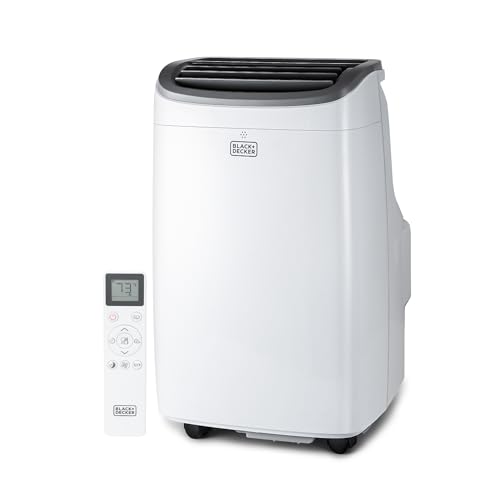
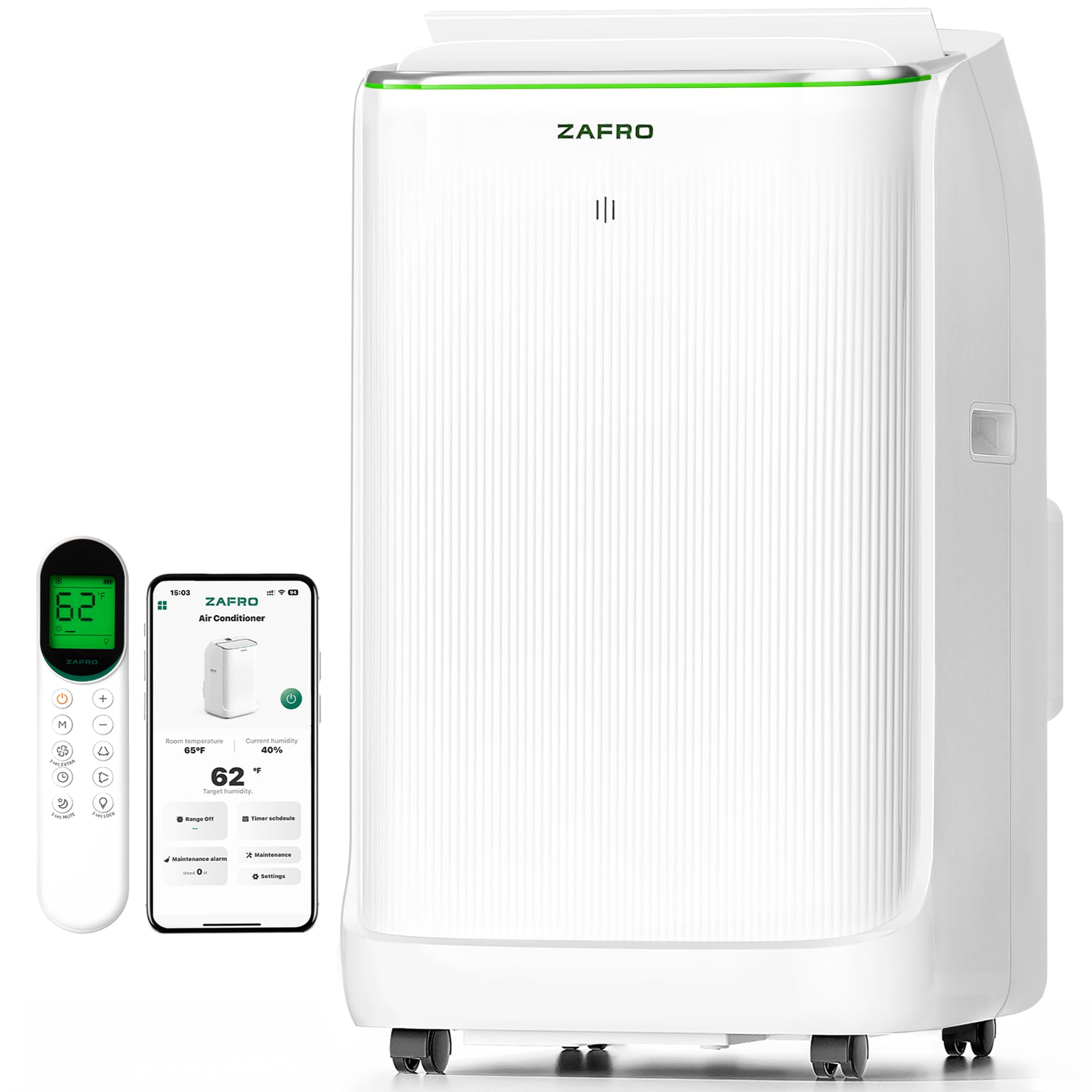
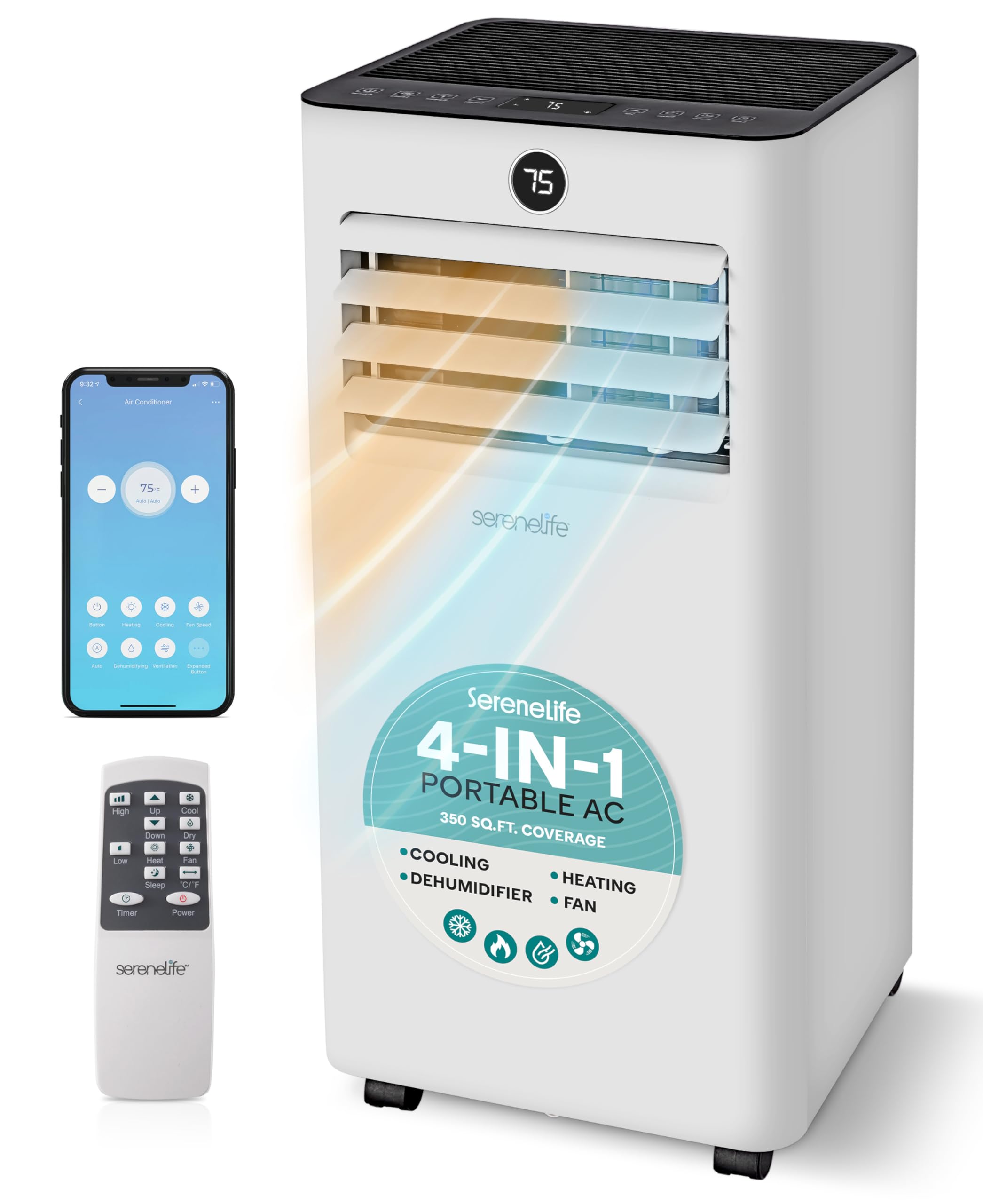
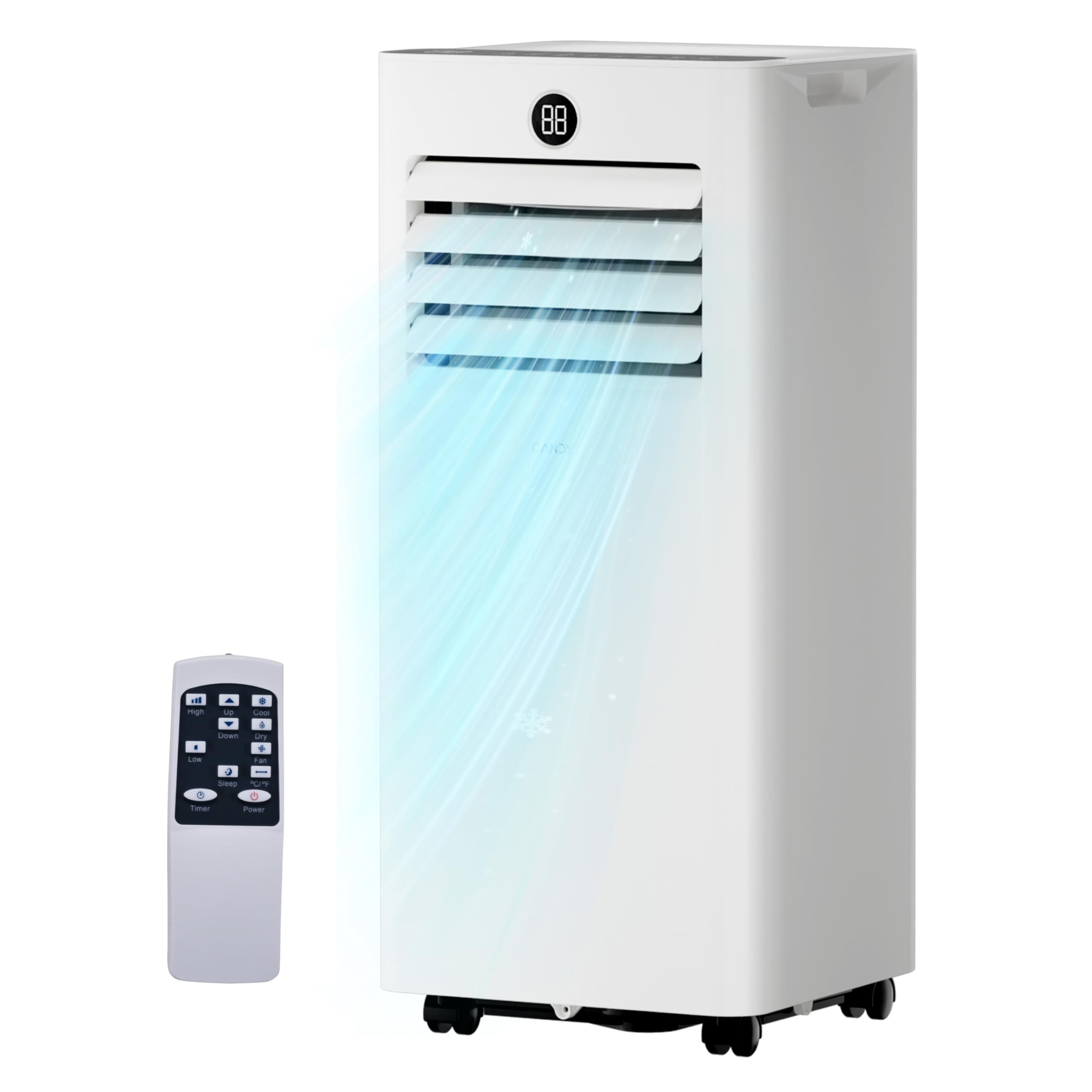
A portable air conditioner in the 10000 Btu class sits in a useful middle ground. It is strong enough for most bedrooms and small living rooms, yet it still rolls through a doorway and vents through a standard window kit. Choosing the best 10000 btu portable air conditioner is less about the headline rating and more about hose design, noise, drainage, and how the rated coverage matches your room. The product table on this page lists current options so you can spot the trade offs before you read the details.
This guide walks through the types you will see, the specs that change daily comfort, and the sizing checks that prevent a return. It covers running costs, bedroom noise, and filter care.





Types Compared
Most models in this size fall into three broad types, and the type matters more than small feature lists. Your room layout and tolerance for noise will usually point to one type quickly.
Single hose types
A single hose unit pulls air from inside the room, cools part of it, and sends warm air outside through one exhaust hose. This design is the most common at this size, and it is often the lightest and the simplest to set up. The drawback is efficiency. As warm air leaves, outdoor air seeps in through gaps around doors to replace it, so the unit works harder on very hot afternoons. Choose this type for a bedroom or office that needs cooling for part of the day and where a lower price matters most.
Dual hose types
A dual hose unit uses one hose to draw in outdoor air and a second hose to push warm air back out. Room air stays inside the loop that gets cooled, so less warm air is pulled in from hallways and adjoining rooms. Cooling feels steadier in larger spaces and the unit often reaches the set temperature faster. The trade off is bulk, since two hoses need window space and careful routing. If you are comparing designs, our guide to the best dual hose portable air conditioner explains where the extra hose helps most.
Inverter and variable speed types
An inverter type adjusts compressor speed instead of switching fully on and fully off. Once the room nears the target, the compressor slows down and holds the temperature with smaller swings. You may notice quieter operation at low speed and less of the chilly then warm cycle that fixed speed units create. These models tend to cost more. They suit light sleepers and anyone who runs cooling through the night and values steady comfort over the lowest price.
How to Compare 10000 Btu Models
Start with coverage and the rating method, then look at noise, energy use, drainage, and controls. Two units can share the same 10000 Btu label and still behave very differently in your room, because older Btu ratings and the newer SACC rating measure performance in different ways. SACC gives a lower number that reflects real room losses from the hose and the heat the unit adds back. When you compare listings, match SACC to SACC and keep the older rating only as a rough guide.
Next, read the noise rating at the lowest fan speed, not only the headline figure, and check the weight and the floor footprint. Finally, confirm what the window kit covers, since sliding doors and casement windows often need a separate kit that is not in the box. Readers who want a wider view across sizes can start with our overview of the best portable air conditioner options before narrowing to this class.
How to Choose the Right Portable Air Conditioner
Size and form factor
Measure the floor space where the unit will sit and leave clearance around the air intake and the exhaust connection. Most 10000 Btu units need a square of floor roughly the size of a small side table, plus room behind for the hose bend. Check the hose length as well, because a unit placed far from the window will force sharp bends that restrict airflow. Casters help you move the unit between rooms, but carpet and thresholds can still slow you down, so plan a clear path.
Type
Beyond hose count, think about what else the unit must do. Some types add a heat mode that can take the chill off a room in spring and fall, while others focus only on cooling and dehumidifying. A dry mode helps in humid climates where the air feels sticky even when the temperature is not extreme. Ventless designs you may see advertised are evaporative coolers, not true air conditioners, and they add moisture instead of removing it. If you rent, a portable unit also avoids the window weight limits and lease rules that can rule out a window unit.
Features worth paying for
A remote you will actually use, a clear display you can dim at night, and a timer that starts cooling before you get home all earn their keep. WiFi control is worth paying for if you want to start the unit from another room or check that you turned it off after leaving. An auto restart after a power cut matters in areas with brief outages. Washable filters and a continuous drain option save more frustration than extra fan speeds or decorative lighting.
Room size and coverage ratings
Manufacturers usually rate a 10000 Btu portable unit for about 300 to 450 square feet under standard conditions. Treat the top of that range with caution. A shaded room with standard ceilings sits near the easy end, while a sunny room with large windows needs more capacity for the same floor area. If your room sits near the upper limit, the unit will run longer cycles and may never quite catch up on the hottest days. Stepping up one size often gives calmer, quieter cooling than pushing this size to its limit.
Running cost and energy use
Look for the energy efficiency ratio or the combined energy efficiency ratio on the spec sheet, since a higher number means more cooling for each watt used. Your actual bill depends on local electricity rates, how many hours you run the unit, and how warm you keep the room. Raising the set temperature by a couple of degrees during the afternoon peak can cut run time noticeably. Sealing gaps around the window panel also pays off, because cooled air that leaks out is energy already paid for.
Noise levels for bedrooms
Portable units keep the compressor inside the room, so they will always sound louder than a window unit of similar size. Ratings in this class often fall around 50 to 55 decibels on low, roughly the level of moderate rainfall. What bothers sleepers is often the change in sound when the compressor starts, not the steady fan hum itself. Place the unit a few feet from the bed, keep the hose as straight as you can, and use the sleep mode if it softens fan changes. For more detail on night use, see our guide to the best portable air conditioner for bedroom setups.
Filters, tanks and maintenance
All portable units pull room air through a filter that catches dust and lint, and that filter needs rinsing or vacuuming on a regular cycle during heavy use. In humid weather the unit also removes water from the air. Some designs evaporate most of that water out through the exhaust hose, while others collect it in an internal tank that you must empty. A continuous drain hose removes the tank chore entirely if you have a floor drain nearby. Keep the exhaust hose and window seals clean as well, since dust buildup restricts airflow.
How much should you spend?
Basic single hose models in this size often fall at about $300 to $400, and they cover simple daytime cooling well. Spending at about $400 to $500 usually buys a dual hose design, better window kits, or quieter low speed operation. Above about $500, you are mostly paying for inverter compressors, stronger dehumidifying, and smarter controls rather than more raw cooling. Money spent on the right hose type and a proper window seal improves comfort more than extra modes.
Is a 10000 Btu Portable Air Conditioner the Right Size for You?
This size fits a primary bedroom, a home office, or a small living room where you spend most of the evening. It suits renters who cannot install a window unit, and households that want cooling they can move to a guest room when family visits. It is also a sensible backup for homes with central cooling that leaves one upper floor room warmer than the rest of the house.
It is a poor fit for an open plan living and dining space, a garage workshop with poor insulation, or a room with high heat from ovens or many occupants. In those cases the unit will run almost without pause and the room will still feel warm near the ceiling. Before you decide against a portable design, read a clear portable ac vs window ac comparison, since a window unit of the same rating often cools a fixed room more efficiently if your windows and lease allow one.
FAQ
What is the best 10000 btu portable air conditioner?
The best choice depends on your room and your window, not on a single universal model. For most bedrooms, a dual hose or inverter type with a low noise rating on its lowest fan speed will feel best day to day. For occasional daytime use in an office, a simpler single hose type usually gives enough cooling for less money. Match the SACC rating to your room area first, then choose the hose type and drainage style that fit how you live in that space.
What size portable air conditioner do I need?
Start with floor area, then adjust for the room itself. High ceilings increase the volume of air to cool, so a room with ceilings well above the standard height may need the next size up even at modest square footage. Large windows that face the afternoon sun, a kitchen that adds cooking heat, and a room above a hot garage all push you upward as well. When two sizes both look plausible on paper, the larger one will cycle more calmly in extreme heat.
How long does a portable air conditioner last?
With regular filter care and dry storage in the off season, many owners get about 7 to 10 years of use from a unit in this class. Lifespan drops when the unit runs against a clogged filter or sits in storage with water left in the tank. Before storing it, run the fan alone for a while to dry the inside, empty any collected water, and coil the hose loosely so the plastic does not crack at a sharp bend.
Is a portable air conditioner worth it?
It is worth it when you need cooling in one or two rooms, cannot use a window unit, or want a unit you can move and store. It is less worthwhile as the only cooling for a whole apartment in a very hot climate, where running costs add up and performance lags behind fixed options. Think of it as targeted comfort. If one warm bedroom is ruining your sleep, solving that single room can feel worth the price.
How do you clean a portable air conditioner?
Unplug the unit, slide out the filter, and rinse it with lukewarm water, then let it dry fully before you put it back. Wipe the cabinet and the air outlets with a damp cloth, and check the drain outlet for slime or debris that can block water flow. At the end of the season, clean the window panel and hose ends too, since dust there gets pulled back in at the next setup. Our step by step guide on how to clean a portable air conditioner covers the deeper seasonal routine.
Final Thoughts
A 10000 Btu portable unit rewards careful sizing more than any single feature. Confirm your room area against the SACC rating, pick the hose type that matches your heat and noise needs, and plan drainage before the first humid week arrives. Use the product table above to compare the main types against those priorities, and you will land on the best 10000 btu portable air conditioner for your space without overpaying for capacity or modes you do not need.