
Best 10 Inch Nonstick Pan (2026): How to Choose
Disclosure: We may earn a commission when you buy through links on this page, at no extra cost to you. As an Amazon Associate I earn from qualifying purchases. Learn more

A practical guide to the best 10 inch nonstick pan: what matters, what to skip and how to avoid common buying mistakes.
Picture a weekday morning in a small kitchen. Two eggs need to slide out cleanly, toast is already browning, and the cabinet holds just one spare slot. A best 10 inch nonstick pan earns that slot when it fits your burner, your storage, and the number of people you feed. The comparison table below lines up the main types so you can match one to your home.
This guide focuses on daily fit rather than cooking show performance. You will weigh space, household size, coating type, stovetop match, and care costs. If you are still comparing sizes, our guide to the best nonstick pan gives that wider view before you narrow to this size.


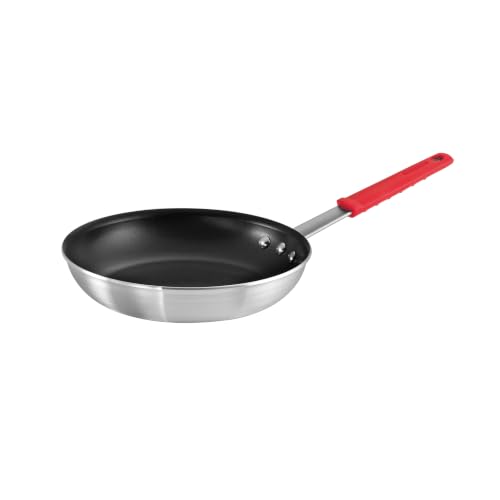


Quick Answer: How the Main Types Compare
Three constructions cover most homes. Traditional coated aluminum is light, heats fast, and suits eggs, pancakes, and fish. Ceramic coated aluminum feels similar in the hand but uses a mineral based coating that many shoppers prefer for its ingredient list. Hard anodized aluminum costs more, resists warping better, and suits cooks who use the pan every single day.
If the ceramic route appeals to you, our guide to the best ceramic nonstick pan explains how that coating ages. None of the three types suits everyone. Your burner type, oven habits, and washing routine should decide the pick.
Before You Buy: A Quick Checklist for Choosing a Nonstick Pan
Work through these points in order. Size and stovetop fit come first, because a coating you love cannot fix a pan that rocks on your burner or blocks a second pot.
Size: Match It to Your Space
A 10 inch pan measures about 10 inches across the rim, and the flat cooking surface inside is closer to 8 to 9 inches. That surface suits two to three eggs, two chicken breasts, or quesadillas for one or two people. An 8 inch pan crowds omelets, while 11 and 12 inch pans need a large burner and wider cabinet space. Check your burner diameter and shelf depth before ordering, and picture the handle inside a closed cabinet door.
Which Type Fits Your Routine
Your routine should drive the coating choice. Traditional coatings release delicate foods with very little fat and forgive gentle heat. Ceramic coatings appeal if you want a mineral based surface, though release can fade sooner with daily use. Shoppers who put ingredient lists first often start with our guide to the best non toxic nonstick pan to compare label claims. Hybrid and granite style finishes vary between makers, so read the care notes for the exact model instead of trusting the finish name.
Features Worth Paying For and Ones to Skip
Pay for a lid if you steam vegetables, melt cheese on burgers, or finish eggs gently, because a fitted lid traps moisture and cuts splatter. A stainless steel handle stays sturdy and usually tolerates higher oven heat than wrapped grips. Skip oversized sets when you only need this one size, since extra pieces eat cabinet space. Skip novelty finishes with no clear care instructions, and skip bundled tools you already own. Spend the savings on the single pan you will use daily.
Is It Non Toxic? Understanding Coatings
Labels can confuse, so slow down here. Traditional nonstick coatings are often PTFE based and are sold as PFOA free today, while ceramic coatings use a silica based layer without PTFE. Stainless steel and cast iron avoid coatings entirely but need more fat and heat control for eggs. Follow the maker temperature guidance for any coated pan, and stop using it for delicate cooking once the coating is deeply scratched or peeling. Check the maker page for that exact model when a claim matters to you.
Induction, Gas and Glass Top Compatibility
Stovetop match decides how evenly the pan heats. Induction burners need a magnetic base, and a simple magnet test on the pan bottom tells you if it will work. Gas burners suit almost any base, but flames wider than the base waste heat and scorch the sides. Glass top stoves need a flat, smooth base that sits fully on the element, because a warped pan spins and heats in patches. If you cook on two stovetops, choose a base rated for both.
Oven Safe Temperature and Handles
Oven limits depend on the handle and lid more than on the pan body. Bare metal handles usually carry the highest ratings, while silicone wrapped grips often carry lower limits, and glass lids can differ from the pan rating. Always use the lowest rating among pan, handle, and lid as your ceiling. A pan that moves from stovetop to oven lets you sear a chicken breast and finish it without a second dish. If you rarely use the oven, a modest rating costs less.
Realistic Budget Ranges
Price bands map to construction more than to release quality. Basic coated pans sit under $20 and suit light use or a first apartment. The middle band, about $30 to $50, usually buys a thicker base, a sturdier handle, and better warp resistance. Premium options, about $50 to $100, add hard anodized bodies and higher oven ratings. Treat any coated pan as a replaceable tool, and weigh the band against how often you cook eggs and fish weekly.
Types Compared: Choosing by Construction
With the checklist done, compare the three constructions on daily feel. Weight, base thickness, and coating style change how the pan behaves far more than color or packaging does.
Lightweight Coated Aluminum for Daily Ease
A thin to medium aluminum body keeps the pan easy to lift with one hand, even when it holds food. That matters for older cooks and anyone working in a tight sink area. These pans heat quickly and respond fast when you lower the flame under eggs. The trade off is durability, since thin bases warp sooner on high heat. Choose this build for breakfasts, grilled sandwiches, and gentle reheating rather than hard searing.
Hard Anodized Bodies for Heavy Daily Use
Hard anodized aluminum has a treated surface that makes the body harder and more resistant to dents and warping. The coating inside still does the food release work, so care rules stay the same. These pans feel more planted on the burner and spread heat more evenly across the base. They also cost more and weigh more, which some cooks notice when flipping pancakes. Choose this build for daily use on a busy family stovetop.
Ceramic Coated and Uncoated Alternatives
Ceramic coated pans offer slick release when new and a light colored interior that shows browning clearly. Their release tends to fade faster, so many owners reserve them for eggs and fish only. For a direct comparison of cooking styles, our overview of nonstick vs stainless steel shows where each surface wins. A stainless steel pan with a preheated surface and enough fat handles searing well and never needs coating care. Some homes keep one of each.
What Separates One Pan From Another
Pans differ on heat distribution, base thickness, coating type, stovetop and oven compatibility, handle comfort, and cleaning effort. Maker specifications and patterns in buyer reports, such as repeated notes about warping or fading release, are the best guides. The goal is a clear view of types and specs, so your choice rests on your kitchen.
Is a 10 Inch Nonstick Pan the Right Size for You?
For one or two people, this size covers most breakfasts and many dinners. It toasts a sandwich, crisps quesadillas, and reheats two servings of leftovers without crowding. Egg dishes are the classic use, and our guide to the best nonstick pan for eggs goes deeper on shapes for omelets and scrambles. A household of four can still use it daily, but dinner proteins for everyone will need batches.
Think about your usual menu before you commit. Pancakes cook one large or two small at a time, so a big weekend batch moves slowly. A full pan of vegetables will steam instead of browning. If most meals feed four or more, a 12 inch main pan plus this size as the egg pan makes a practical pair. If you mostly cook for one, an 8 inch pan may earn more daily use.
Common Buying Mistakes to Avoid
- Buying by rim size alone leaves you with a cooking surface too small for two chicken breasts.
- Ignoring burner size means flames or elements heat unevenly and waste energy on every meal.
- Skipping the induction check means the pan may not heat at all on your stovetop.
- Paying for a large set means cabinet space goes to pieces you rarely touch.
- Planning to use high heat daily means the coating ages faster than you budgeted for.
- Forgetting replacement cost means a cheap pan used daily can cost more over time than a sturdier one.
Cost of Ownership and Care
Ownership cost is the purchase price divided by years of good release, plus small extras like a soft sponge and a pan protector for storage. Keep wood or silicone tools near the stove. Our steps for how to clean a nonstick pan cover washing in detail, including browned residue. Stack pans with a cloth or protector between them, because bare metal bases dragged across a coating will scratch it over time.
Avoid cooking sprays that leave a sticky film, and use a small amount of oil or butter instead. Store the pan where the handle does not force the rim against a cabinet edge. These habits protect the coating and delay replacement.
Your Questions, Answered
How do you clean a 10 inch nonstick pan after cooking eggs?
Let the pan cool on the stovetop before washing, because cold water on a hot coated surface stresses the bond between coating and body. Wash with warm water, a drop of dish soap, and a soft sponge, then dry it fully before storing. If egg film clings, a short soak loosens it without scrubbing. This cooling step is the part many owners skip, and skipping it quietly shortens pan life.
How long does a 10 inch nonstick pan last with daily use?
Most coated pans give about two to four years of strong release with daily use and gentle care. The first sign of age is usually eggs gripping in the center, where heat hits hardest. Later signs include a dull, rough patch that food catches on even with oil. When release fails at low heat with proper preheating, replacement is more sensible than scrubbing harder. A weekend only pan stays slick far longer.
What size nonstick pan do I need for two people?
For two people, the deciding factor is how many dishes share the meal. If eggs or a protein cook alone in the pan, 10 inches is plenty. If vegetables join the protein in the same pan, the food will crowd and steam. Couples who cook mixed one pan dinners often prefer two quick batches or a second larger pan. Your menu style matters more than headcount alone.
Is a 10 inch nonstick pan worth it if you already own stainless steel?
Yes, for weekday speed. Stainless steel excels at searing and pan sauces, but eggs, fish skin, and sticky glazes cost you soaking time afterward. A coated pan turns those jobs into a quick rinse, and it uses less fat for delicate foods. The pair covers nearly every stovetop task without overlap. If your stainless pan already handles eggs well for you, skip the purchase and save the cabinet space instead.
What is the best 10 inch nonstick pan for a glass top stove?
Look for a thick, flat base that sits still when you tap the rim, plus a smooth bottom with no raised rings. Lift the pan to move it instead of sliding it, because grit trapped under the base can scratch the glass surface. Clean the base before each use if your kitchen has sugar or salt spills near the stove. That lift and wipe habit protects the stovetop itself, which costs far more to repair than any pan.
Final Thoughts
Match size to your burner and cabinet, pick a coating that fits your routine, and budget for eventual replacement. Use the product table above to compare the finalists against those three points. Chosen well, the best 10 inch nonstick pan becomes the pan you reach for each morning without thinking. Prices and availability can change, so check the product page before ordering.


