
Best 10 Inch Cast Iron Skillet (2026): How to Choose
Disclosure: We may earn a commission when you buy through links on this page, at no extra cost to you. As an Amazon Associate I earn from qualifying purchases. Learn more

A practical guide to the best 10 inch cast iron skillet: what matters, what to skip and how to avoid common buying mistakes.
A 10 inch skillet earns its keep when it fits your burner, your oven, and your shelf without a fight. If you fry eggs for two, brown chicken for a small household, or bake cornbread on a weeknight, the best 10 inch cast iron skillet is the pan that stays out on the stove. This guide helps you choose by space, household size, and budget, and the comparison table below sums up the main types at a glance.
If you want the wider view across all sizes, our guide to the best cast iron skillet covers the full range. This page stays focused on the 10 inch fit that couples and small families reach for daily.


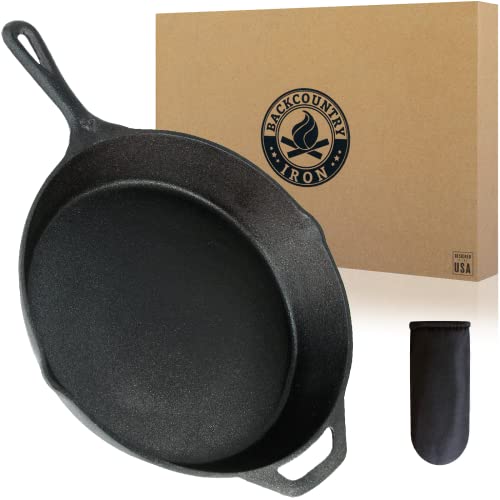
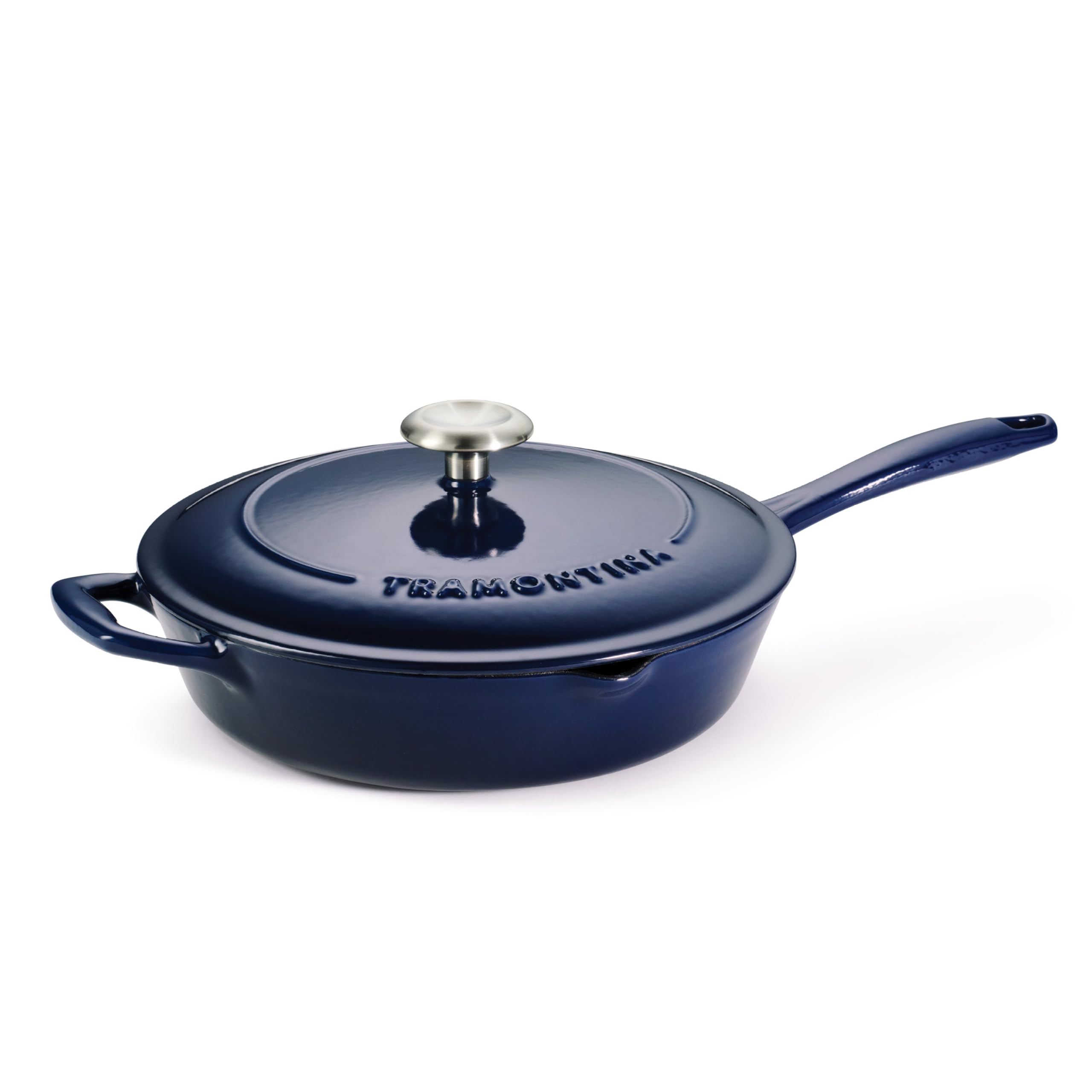
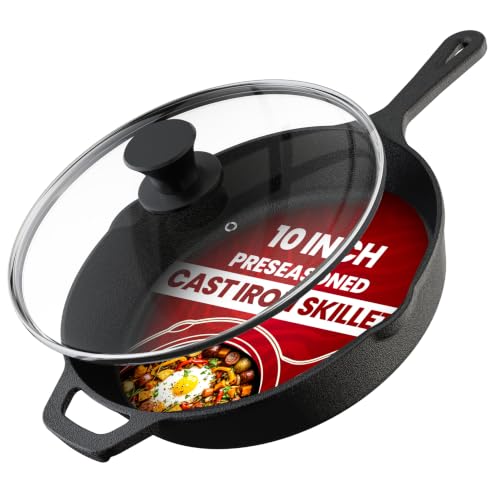

Quick Answer: Three Types That Cover Most Homes
Most buyers land on one of three types, and the product table above shows how they compare. A classic pre seasoned bare iron skillet suits most homes and budgets. A lighter build suits cooks who lift the pan often or store it up high. An enameled or smooth finish skillet suits cooks who want easier release and simpler cleanup. Pick by your routine first, and the details below will confirm the choice.
- Most homes: classic bare iron, pre seasoned, with a helper handle.
- Easier handling: a thinner casting that trims weight.
- Lower upkeep: enameled iron, or a smooth machined surface.
Before You Buy: A Quick Checklist for Choosing a Cast Iron Skillet
Work through these points before you order. Each one ties back to your home, your stove, and how often you cook.
Size: Match It to Your Household and Your Space
The 10 inch figure is the outer diameter, and the flat cooking surface inside is often around 8 inches across. That space fits two chicken breasts, three or four eggs, or a pan of roasted vegetables without crowding. A filled pan often weighs about 4 to 6 pounds, so think about your wrists and where the pan will live between meals. If lifting a loaded skillet to drain or serve sounds hard, our guide to the best lightweight cast iron skillet shows thinner options in the same basic size.
Which Type Fits Your Routine
Bare iron arrives pre seasoned, and that seasoning builds as you cook fatty foods, so release improves month by month. Smooth machined surfaces release eggs sooner, though they cost more. Enameled iron needs no seasoning and handles tomato sauce without fuss, but a hard drop can chip the coating. Depth matters too: deeper sides hold cornbread batter and contain splatter, while standard sides give your spatula an easier angle for eggs and fish. For the lowest fuss start, see our guide to the best pre seasoned cast iron skillet.
Features Worth Paying For, and Ones to Skip
Pour spouts on both sides help you drain fat with either hand. A short helper handle opposite the main handle is worth real money at this size, since a full pan is heavy to move with one wrist. A lid earns its shelf space only if you braise or steam often, because it adds storage bulk the rest of the year. Skip bundled lids for a pan you will use mainly for searing, and skip extra handle covers if you already own thick oven mitts.
Material Safety: Bare Iron, Enamel, and Other Pans
Cast iron has no PFAS or PTFE coating that can wear out, flake, or overheat, and that is a big reason many homes switch to it. The dark seasoning layer is simply oil baked onto the iron, and a small amount of iron can pass into food, more so with long simmered acidic dishes. Enameled iron adds a glass based coating over the metal, which stays stable in normal cooking while it stays intact. If you are weighing materials more broadly, our comparison of cast iron vs stainless steel skillet lays out how the two handle heat, weight, and upkeep.
Stovetop Compatibility: Induction, Gas, and Glass Tops
Cast iron works on gas burners, electric coils, and induction cooktops, since the metal is magnetic and needs no special base. On a glass top stove, lift the pan instead of sliding it, because a rough bottom can scratch the surface over time. Preheat on medium heat for a few minutes rather than blasting the empty pan on high, since gradual heating gives a more even surface and protects the seasoning.
Oven Use, Broiler Use, and Handles
A one piece iron handle goes straight into the oven and under the broiler, which is how you finish a thick steak or crisp a frittata top. Check the stated heat limit for the model you choose, since enameled finishes and fitted handle covers often carry lower limits than bare iron. The shorter handle on a 10 inch pan also helps in compact ovens, where a long handle can push the pan off center or block the door.
Realistic Budget Ranges
Basic bare iron skillets often cost under $30, with a rougher finish and no lid, and they cook just as hot as pricier pans once the seasoning builds. Paying about $30 to $75 adds smoother casting, a helper handle, and more even factory seasoning. Paying about $75 to $150 covers most enameled and smooth machined options, where the money goes to finish and easier upkeep rather than hotter searing. Pans priced over $150 add fine finishing, careful quality control, and looks that suit stove to table serving.
Three Types of 10 Inch Cast Iron Skillet
With the checklist in mind, here is how the three types shake out for different homes.
Classic Pre Seasoned Bare Iron for Most Homes
This is the default choice for a reason. The factory seasoning gives a workable surface from the first week, the weight sits mid range, and a helper handle makes oven transfers safe. It sears steak, fries potatoes, and bakes skillet cookies with no special care beyond normal washing and drying. Choose this type for one pan that covers breakfast through dinner for one to three people, and you do not mind seasoning that improves gradually as you cook.
Simple Bare Iron With Fewer Extras for Value
Value models strip away the lid, the handle cover, and the polished finish, and put the money into the casting itself. The surface starts rougher, so fried eggs may stick for the first few weeks until your own seasoning fills in the texture. Choose this type if budget leads your decision, you cook often enough to build seasoning fast, and you already own mitts and a spare lid that roughly fits.
Smooth Machined or Enameled Iron for Long Term Use
A smooth machined surface releases delicate foods sooner and wipes clean with less scrubbing, while enameled iron removes seasoning upkeep from your routine entirely. Both cost more upfront, and both reward cooks who use the pan daily for years. Enameled versions also serve at the table, which matters in homes where the skillet goes straight from stove to serving. Choose this type if easy release or zero seasoning care matters more than price, and you will treat the finer finish with care.
What Separates These Types
The types above were weighed on heat distribution, durability, material safety, stovetop and oven compatibility, weight, and cleaning effort. The comparison draws on maker specifications and on patterns in verified buyer feedback, such as repeated mentions of sticking, rust, or chipped enamel. Your final pick comes down to your stove, your storage, and your cooking habits.
Is a 10 Inch Cast Iron Skillet the Right Size for You?
For one to three people, this size hits the sweet spot. It browns a pair of pork chops without steaming them, holds a frittata for two with leftovers, and fits a standard batch of cornbread. Households of four or more, or cooks who meal prep big batches, will feel the walls closing in and should look at a 12 inch pan as the main skillet instead. Renters gain the most here, since one pan handles the stove top, the oven, and the broiler.
Common Buying Mistakes to Avoid
- Judging by the outer diameter alone, then finding the cooking surface too small for your meals.
- Sliding the pan across a glass top stove, which leaves fine scratches that build up over time.
- Choosing the deepest skillet for eggs and pancakes, since tall walls block your spatula and make flipping awkward.
- Buying a lid and extras you will store more than use, which wastes both money and cabinet space.
- Expecting factory seasoning to act like a coated pan on day one, then blaming the iron when the first eggs stick.
Cost of Ownership and Care
Ownership costs stay low with cast iron. There is no coating to replace, and your ongoing spend is cooking oil, an occasional handle cover, and a trivet. Daily care takes two minutes: wash with warm water and a brush, dry the pan on low heat, and wipe on a thin film of oil while it is warm. When the seasoning looks patchy after acidic cooking, our guide on how to season a cast iron skillet walks through restoring an even layer in the oven. Treat the pan this way and it will outlast several sets of coated cookware.
FAQ
How long does a 10 inch cast iron skillet last?
A bare iron skillet can last for decades of daily cooking, and many are handed down between generations because there is no coating with a fixed lifespan. What ends its life early is a crack from a hard drop onto concrete or warping from thermal shock, such as cold water hitting a ripping hot pan. Enameled versions last as long as the coating stays intact, so treat the rim and edges with care.
How do you clean a 10 inch cast iron skillet after eggs stick?
Let the pan cool until warm, then add warm water and let it sit for about 15 minutes so the stuck bits soften. Lift the residue with a brush or a pan scraper, rinse, and dry the pan on the stove right away. A short soak like this is fine for the seasoning, unlike leaving the pan in water overnight. For deeper problems such as rust spots, our guide on how to clean a cast iron skillet covers the full rescue steps.
Is a cast iron skillet worth it in a small apartment?
Yes, and small kitchens may benefit the most. One 10 inch skillet can replace a frying pan, a small baking dish, and a broiler tray, which frees cabinet space for food storage instead. It also tolerates weak, uneven rental burners, since thick iron smooths out hot spots. The only real cost is weight, so plan a low, easy to reach home for it rather than a high shelf.
Can a 10 inch cast iron skillet bake cornbread well?
It is one of the best pans for the job. A standard boxed mix or a typical home batter recipe fills a 10 inch skillet to the right depth, giving you a crisp bottom crust and a tender center. Preheat the empty pan in the oven while the oven warms up, then swirl in a little fat before the batter goes in. That hot start gives the edges their crunch, with no extra equipment.
What makes a cast iron skillet reliable over time?
Look for a base that sits flat with no wobble on a level counter, walls of even thickness, and a handle with no rough casting seams at the grip. In a store, set the pan down and press one edge: a reliable pan stays still instead of rocking. Even casting also heats evenly, so food browns at the same rate in the center and near the walls.
Final Thoughts
Start with your space, your household size, and your routine, and the right type picks itself. Most homes will be happiest with classic pre seasoned bare iron, value hunters can save with a simpler casting, and daily cooks who dislike upkeep can step up to smooth or enameled iron. Whichever route you take, the best 10 inch cast iron skillet is the one that fits your stove and your shelves so well that you reach for it without thinking. Compare the options in the product table above, and choose the type you will still enjoy lifting five years from now.


