
Best 100 Watt Speakers Made Simple for 2026: A Clear Buying Guide
Disclosure: We may earn a commission when you buy through links on this page, at no extra cost to you. As an Amazon Associate I earn from qualifying purchases. Learn more
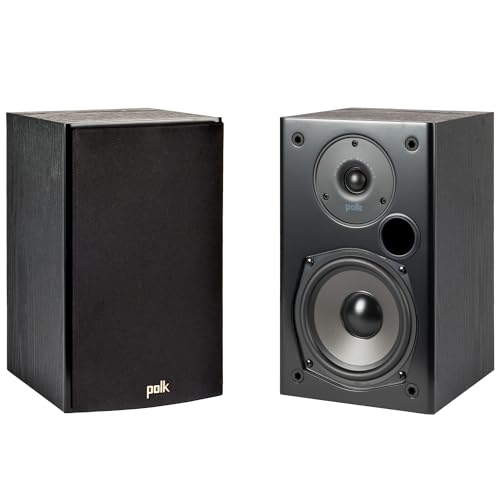
Buying the best 100 watt speakers for the first time? Learn the terms, compare options, and avoid rookie mistakes with this easy guide.
If this is your first speaker purchase, welcome, because 100 watts is a friendly place to start. It is enough power for living rooms, backyards, classrooms, and small parties without the cost or bulk of large event systems. This guide explains the best 100 watt speakers in plain English, from what a watt really means to the mistakes that waste money.
We will go step by step, basics first and shopping second, so no term gets used before it gets explained. Keep the product table in mind as you read, and by the end you will know exactly which style fits your room and your plans.
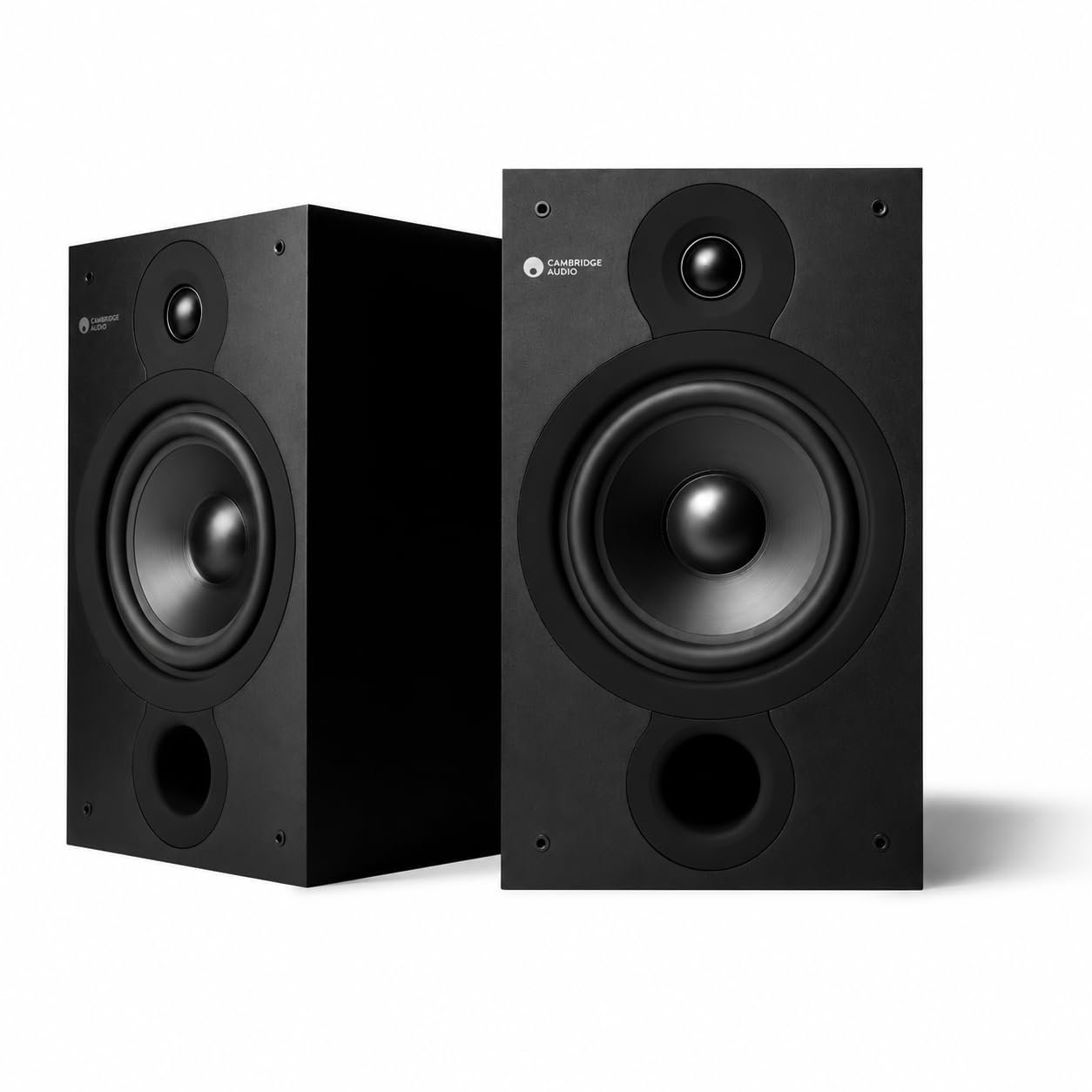


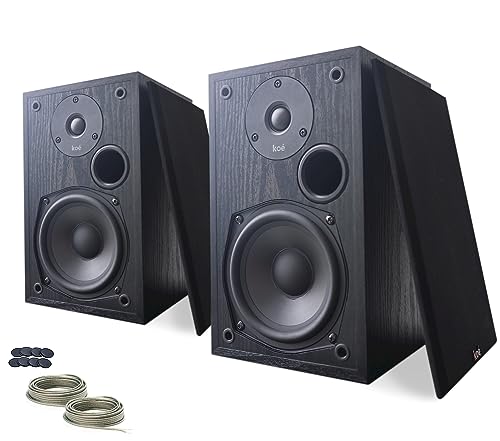


Best 100 Watt Speakers 101: The Basics
A watt is a unit of electrical power, and on a speaker it describes how much power the speaker can handle or, on powered models, how much its built in amplifier can deliver. A 100 watt speaker is a mid powered option, louder than a small desktop speaker and calmer than a large DJ cabinet. Loudness does not grow in a straight line with watts. Doubling power adds only about 3 dB, a small step, while ten times the power sounds roughly twice as loud to most ears.
That is why speaker sensitivity, covered below, matters as much as the watt number. Two speakers can both say 100 watts and differ clearly in volume and clarity. If you want the deeper math in friendly form, see our guide to the best watts for speakers after this one. For now, remember that 100 watts describes capability, not a promise, and the rest of the specs decide what you actually hear.
Key Specs Explained in Plain English
Spec sheets look intimidating, but five ideas cover almost everything a first time buyer needs. Learn these and you can read any product page with confidence.
Sound Quality and Tuning
Sound quality starts with frequency response, the range of notes a speaker can play, written like 60 Hz to 20 kHz. Lower first numbers mean deeper bass. A 100 watt speaker with a response starting near 55 Hz to 65 Hz will sound full for music in a normal room. Tuning describes the balance the maker chose, such as bass heavy for parties or neutral for clear voices. If you listen to podcasts and acoustic music, neutral tuning flatters voices. If you host parties, a little extra bass feels fun at low volume but can muddy lyrics when loud.
Durability and Water Resistance (IP Rating)
Durability is about cabinet strength, grille protection, and how the speaker handles bumps in normal life. Water resistance is described by an IP rating. IPX4 means the speaker tolerates splashes from any direction, fine for poolside use with care. IP67 means it can survive brief immersion in shallow water, which suits beach and boat days. No rating means keep it dry, full stop. For indoor only use, skip paying extra for high IP ratings and put the money toward sound instead. Match the rating to your real habits, not your most extreme imagined day.
Sensitivity and Loudness
Sensitivity tells you how loud a speaker plays with very little power, written as a dB number such as 88 dB or 95 dB. Higher is louder on the same watts, and the gap is bigger than it looks because dB is a compressed scale. A speaker at 95 dB needs far less power to reach party volume than one at 86 dB. For a 100 watt speaker, sensitivity of 90 dB or higher is a healthy sign for most rooms. If no sensitivity is listed, assume the maker had nothing to brag about and compare other models.
Microphone Inputs and Party Features
Some 100 watt speakers include a microphone input so one box can handle both music and announcements. This matters for teachers, coaches, tour guides, and backyard hosts who run games or karaoke. Look for a proper XLR or quarter inch input with its own volume knob, since sharing the music volume control is awkward. Simple echo effects are common and fun for karaoke. If you never plan to speak over music, you can ignore this feature completely and save money. Buy for the events you actually host.
Placement and Room Size
Placement changes sound more than most first time buyers expect. A 100 watt speaker fills a living room or classroom with ease and handles a backyard gathering when placed well. Put the speaker on a stand or shelf near ear height, keep it out of corners unless you want extra boomy bass, and point it at the listeners. Two smaller listening zones may need the speaker centered rather than louder. If your space is a desk, our guide to the best computer speakers for 100 covers near field setups in detail.
Rookie Mistakes to Avoid
Almost every unhappy first purchase traces back to one of these five mistakes. Read them now and you will skip the return shipping label.
- Judging by peak watts alone, when peak numbers can be double or triple the honest continuous RMS rating.
- Buying a passive speaker with no amplifier to power it, then wondering why the sound is faint and distorted.
- Choosing by cone size or cabinet size instead of sensitivity and intended use.
- Forgetting cables, stands, and a cover, so the real total cost surprises you at checkout or later.
- Paying for outdoor ratings and party lights you will never use, while skimping on the sound traits you hear daily.
Getting Started: Setup and First Use
Setup day goes smoothly when you follow a calm order. Unbox and inspect the speaker, charge it fully if it has a battery, and read the input labels before plugging anything in. Start with volume low, play a song you know well, and raise the level slowly while you walk the room and listen for distortion or rattles. Connect one source at a time so faults are easy to trace. For shoppers comparing value across formats, our guide to the best speakers under 100 shows what smaller budgets deliver.
In the first week, try the speaker in its real spot at real volumes, not just beside the box. Update the firmware if the maker offers an app, since updates often fix Bluetooth dropouts and add features. Store the speaker indoors, upright, and away from heaters, and coil cables loosely to protect the connectors. Keep the receipt and warranty details in one folder. Most problems appear early, and prompt exchanges are far easier than later repairs.
FAQs
Is 100 watts loud enough for a party?
Yes, 100 watts is loud enough for most house parties and backyard gatherings of a few dozen people. A speaker with sensitivity around 92 dB or higher will reach strong party volume without strain in that setting. Huge outdoor crowds and school gyms are a different job that calls for larger systems or two speakers working together. For a normal home celebration, placement near listeners matters more than adding watts.
What is the difference between peak watts and RMS watts?
RMS watts describe the power a speaker can handle or deliver continuously, which is the number you should trust. Peak watts describe a brief burst lasting a fraction of a second, useful mainly for marketing. A speaker rated at 100 watts RMS is stronger in real use than one rated at 400 peak watts with a small RMS figure. When a listing shows only peak watts, treat the claim as incomplete and look for the RMS rating before buying.
What IP rating do I need for outdoor use?
For outdoor use near drinks, pools, or light weather, look for at least IPX4, which covers splashes. Choose IP67 if the speaker may face rain, sand, or a drop in shallow water at the beach. Remember that the rating covers the speaker itself, not your phone or cables. Even rugged models live longer when stored indoors between events. If the speaker will never leave the house, save money and skip high ratings.
How long does the battery last on a 100 watt speaker?
Battery life on portable 100 watt speakers usually runs about 8 to 20 hours at moderate volume. Loud bass heavy play drains the battery much faster, sometimes in half the rated time, because low notes demand the most power. Published figures assume gentle listening, so plan with a cushion for real events. If the speaker can play while plugged in, bring the adapter to long gatherings and treat the battery as backup rather than the whole plan.
Wired or wireless: which sounds better for a 100 watt speaker?
A wired connection sounds slightly better and never drops out, while Bluetooth wireless sounds very good for casual listening and wins on convenience. Bluetooth can add a small delay, which matters when the speaker serves a TV, but music alone hides it completely. Many owners use Bluetooth day to day and plug in a cable for movies or important events. Choose per moment rather than treating it as a permanent decision, because most models offer both.
Wrapping Up
You now know the three ideas that matter most, honest RMS power, sensitivity, and the right power format for your gear. Add placement at ear height and a quick check of inputs, and first time buying stops feeling risky. When you compare the best 100 watt speakers for your room, use the product table above, trust the RMS and sensitivity numbers over peak watt claims, and buy for the listening you actually do.


