Best 1 Lb Bread Machine (2026): Buying Guide
Disclosure: We may earn a commission when you buy through links on this page, at no extra cost to you. As an Amazon Associate I earn from qualifying purchases. Learn more

Which best 1 lb bread machine fits your home? Size, features, price ranges and common mistakes, explained plainly.
A small loaf sounds simple until the first stale half goes in the trash. If you bake for one or two people, or your kitchen has little spare counter room, the best 1 lb bread machine gives you fresh slices without a pile of leftovers. This guide helps you choose by household size, storage space, and budget, and the comparison table below sums up the main types.
A 1 lb loaf is roughly 8 to 12 slices depending on how thick you cut them. That suits many couples for two days of toast and sandwiches.


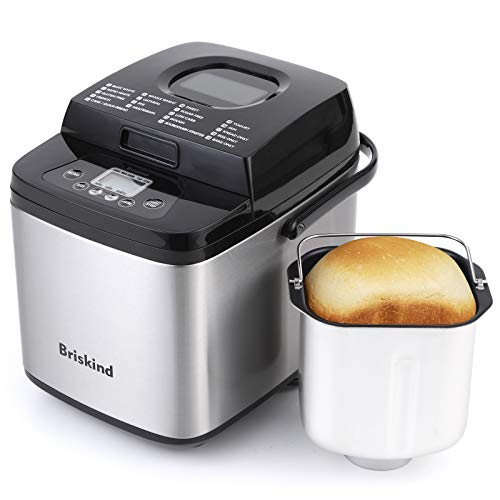
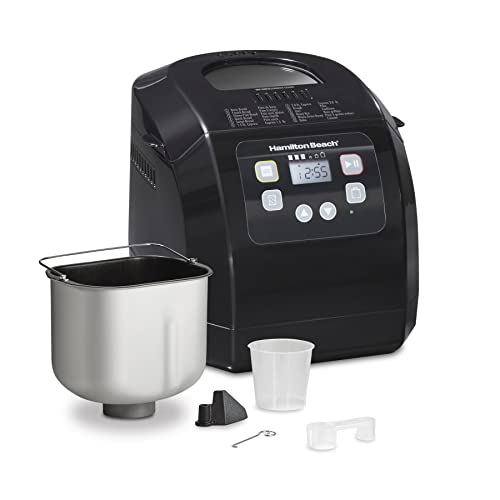

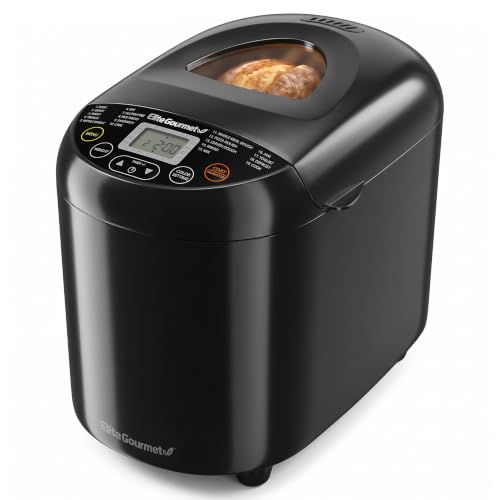
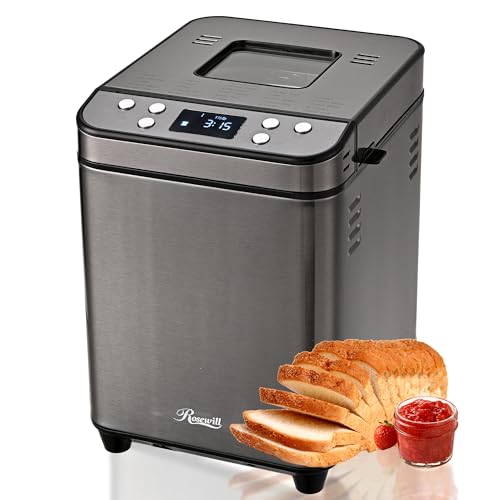

Quick Answer: What Fits Most Homes
For most households, a compact vertical model with a basic white cycle, a whole wheat cycle, and a dough cycle covers nearly every loaf you will actually bake. Add a delay timer if you want bread ready at breakfast. Skip extra dispensers and long lists of specialty cycles unless you already know you will use them weekly.
If counter space is your main limit, measure the footprint and the height with the lid open before you look at settings at all. Our broader guide to the best bread machine explains how small models sit within the full size range.
Before You Buy: A Quick Checklist for Choosing a Bread Machine
Size: Match It to Your Space
Bread machines are sold by the largest loaf they can bake, and common sizes run from 1 lb up to 2.5 lb. A true 1 lb model makes the smallest full loaf, which means less waste for small households and a pan that is easier to wash and store. Some compact machines also offer a 1.5 lb setting, which helps when guests visit. Check loaf sizes in the manual rather than trusting the box, since a few pans shaped for larger loaves bake small loaves unevenly.
Which Type Fits Your Routine
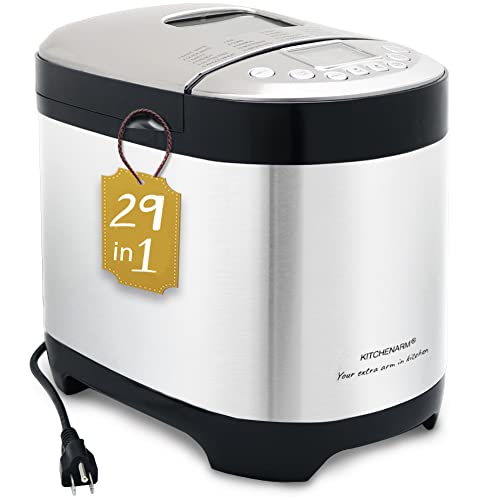
Vertical machines stack the loaf tall and take up the least counter room, while horizontal machines shape a loaf closer to a bakery loaf and need more width. Programmable models let you adjust knead, rise, and bake times for your own recipes. A stainless steel housing wipes clean, though it adds weight. Dual paddle designs knead thick dough more evenly in wider pans, but for a 1 lb pan a single paddle is usually enough and leaves a smaller hole in the loaf.
Features Worth It, and Ones to Skip
A dough cycle is worth having because it lets you shape rolls and pizza bases by hand and bake them in your oven. A gluten free cycle matters if you bake those loaves often, since that dough needs a shorter knead and a longer rise. A jam cycle is fun once or twice a year for most homes, so treat it as a bonus. A nut dispenser helps only if you add fruit and nuts to many loaves, and it is one more part to wash.
If gluten free baking is your main reason for buying, read our guide to the best gluten free bread machine before you decide, since pan shape and cycle length matter more for those recipes.
Wattage, Power, and Energy Use
Small bread machines usually draw about 450 to 650 watts during the bake stage, and far less while kneading and rising. A full cycle still uses less energy than heating a full size oven for one small loaf. Wattage alone does not tell you how well a machine bakes, though. Good insulation and a heating element that spreads heat evenly around the pan matter more, and they help the crust brown on the sides.
Safety Features and Certifications
Look for a UL or ETL listing on the label, which means the electrical design has been checked by a recognized safety laboratory. A cool touch housing helps in a tight kitchen where you brush past the machine while it bakes. Nonslip feet keep the machine still as the paddle works thick dough, and automatic shutoff after the keep warm stage ends adds peace of mind. Keep the cord away from the sink, and never lift the pan out with wet hands.
Counter Space and Dimensions
Measure three numbers before you order: the width and depth of the spot, and the clearance under your upper cabinets with the lid fully open. Many compact models stand about 11 to 13 inches tall closed and need several more inches to open. Vent space matters too, since steam escapes near the lid and can mark cabinet wood over time. If you will store the machine in a cupboard, check its weight as well, since a lighter model is far easier to lift twice a week.
Realistic Budget Ranges
Under $100, expect the core cycles, one paddle, and a lighter housing, which is enough for plain white and wheat loaves. At about $100 to $150, you usually gain a delay timer, crust shade control, and a better pan coating. At about $150 to $200, build quality improves and motors run more quietly. Above about $200, you mostly pay for programmability and premium materials. For a 1 lb machine, the middle ranges offer the best balance for daily use.
Three Types of 1 Lb Machines Compared
Compact Vertical Models for Tight Kitchens
This is the classic small machine shape, with a tall pan, a small footprint, and a simple control panel. It suits renters, small kitchens, and anyone who stores the machine away between bakes. The trade off is loaf shape: slices come out tall and narrow, which fits toast well but looks less like a bakery loaf. If you bake a plain loaf twice a week and want the lowest price and easiest storage, start with this type and judge models by pan quality and cycle choice.
Programmable Models for Varied Baking
Programmable machines let you save custom cycles and adjust each stage, which helps when you bake whole wheat, enriched dough, or loaves that need longer rises. They often add more preset cycles and a clearer display. The cost is a steeper learning curve and a higher price, and the manual becomes required reading at first. Choose this type if you bake often and want control, or plan to grow from basic loaves into specialty breads.
If slow fermented loaves are your goal, our guide to the best bread machine for sourdough covers what those cycles demand.
Sturdier Models Built for Daily Use
A third group focuses on durability rather than extra cycles: heavier housings, stronger motors, and pans with thicker coatings. These machines cost more, but they suit households that bake most days and want parts support for years. Check that the maker sells replacement pans and paddles, since those parts wear first. If you bake only on weekends, this level of build is more than you need, and the money is better spent on good flour.
How to Judge a Machine Before You Order
Start with the manual, which most makers post online. It lists loaf sizes, cycle times, and ingredient order, and it reveals whether the gluten free and dough cycles are full cycles or short ones. Next, scan owner comments for repeated points about pan coating, paddle fit, and noise, rather than single angry reviews. Finally, check the warranty and whether pans and paddles are sold as spare parts.
New bakers can start with our guide to the best bread machine for beginners and a basic lesson on how to use a bread machine.
Is a 1 Lb Bread Machine the Right Size for You?
Choose 1 lb if you bake for one or two people, eat bread with one meal a day, or dislike freezing leftovers. A small loaf stays fresh for about two days at room temperature, which matches how fast a small household uses it. Choose a larger machine if you make sandwiches for a family or bake for gatherings.
One middle path is a compact machine with both 1 lb and 1.5 lb settings. You keep the small footprint for daily loaves and gain a bigger option for weekends. Keep in mind that a 1 lb loaf gives smaller slices, about the size of a standard toaster slot, so let slice size, not just loaf weight, guide the choice.
Common Buying Mistakes to Avoid
- Buying by loaf weight alone: a machine can list 1 lb yet stand nearly as tall as a 2 lb model, so your cabinets still may not clear the open lid.
- Ignoring replacement part costs: a worn pan or lost paddle can cost a large share of a budget machine price, which changes the real value fast.
- Paying for cycles you will never run: jam, cake, and yogurt settings add cost and menu clutter when most homes use three or four cycles in total.
- Skipping the delay timer check: some timers cannot be used with perishable ingredients like milk and eggs, so read the manual limits before counting on overnight loaves.
- Forgetting about noise: kneading can thump and hum early in the cycle, which matters if the machine will run overnight near a bedroom.
Cost of Ownership and Care
Running costs stay low. Flour, yeast, salt, and a little oil for a 1 lb loaf cost far less than a store bought loaf of similar quality, and electricity for one cycle is a small part of that total. The main ongoing cost is a replacement pan or paddle every few years if the coating wears. Our article on is a bread machine worth it compares machine baking with bakery prices over time.
Care is simple but steady. Wipe the inside of the housing after each bake once the machine has cooled, and wash the pan and paddle in warm soapy water rather than in a dishwasher, since harsh detergent dulls the coating. Never use metal tools to free a stuck loaf, because scratches lead to sticking later. Store the machine with the lid ajar so moisture escapes, and keep the paddle in the pan.
FAQ
How do you clean a bread machine?
Unplug the machine and let it cool fully before you touch the pan. Soak the pan in warm water for about ten minutes to soften baked on dough, then wash it with a soft sponge and dry it well. If the paddle sticks on its shaft, warm water will loosen it. Wipe the heating chamber with a damp cloth only, and never pour water inside the housing, since the element and motor sit below it.
How long does a bread machine last?
With regular home use, a bread machine often lasts about five to eight years, and the pan coating usually wears out before the motor does. Baking three times a week shortens that span, while weekly baking stretches it. Keeping the paddle shaft clean extends its life, since dried dough around the seal forces the motor to work harder. When a maker stops selling pans for a model, that is often the practical end of its life.
What size bread machine do I need?
Count slices per day first. One or two people eating about four slices a day do well with a 1 lb loaf baked every other day. A family packing lunches daily needs a 1.5 lb or 2 lb machine, or two small loaves baked back to back. If you like to bake once and freeze, a larger loaf makes sense. If you prefer bread fresh and bake often, the smaller size keeps waste low.
What is the best 1 lb bread machine for a first time buyer?
A first time buyer does best with a compact vertical model, a clear display, and a short list of proven cycles: basic, whole wheat, dough, and gluten free if needed. Reliability matters more than brand name here, so favor makers that sell spare pans and honor a warranty of at least one year. Avoid fully programmable models at first, since custom stages add choices you do not yet need. Once you know which loaves your household eats most, upgrades are easier to judge.
Final Thoughts
A small machine earns its place when it matches your household, your counter, and the way you actually eat. Measure your space, pick the type that fits your routine, and spend on pan quality and parts support before extra cycles. Chosen that way, the best 1 lb bread machine becomes a quiet daily helper rather than a gadget that gathers dust. Use the product table above to compare the main types once more before you order.