
Best 1.5 Quart Saucepans (2026): Picks That Fit Real Homes
Disclosure: We may earn a commission when you buy through links on this page, at no extra cost to you. As an Amazon Associate I earn from qualifying purchases. Learn more

The best 1.5 quart saucepan for your stove: clad stainless, nonstick or ceramic, with sizing and budget checks.
A small saucepan earns its place when it handles the jobs you do every week without crowding your stove or your cabinets. You melt butter, warm soup for lunch, cook oatmeal, and simmer a sauce while the main dish cooks elsewhere. Choosing the best 1.5 quart saucepan for your home comes down to your stove type, how many people you cook for, and how much upkeep you will accept. The comparison table below sums up the main types, and the checklist that follows helps you match one to your space, routine, and budget.


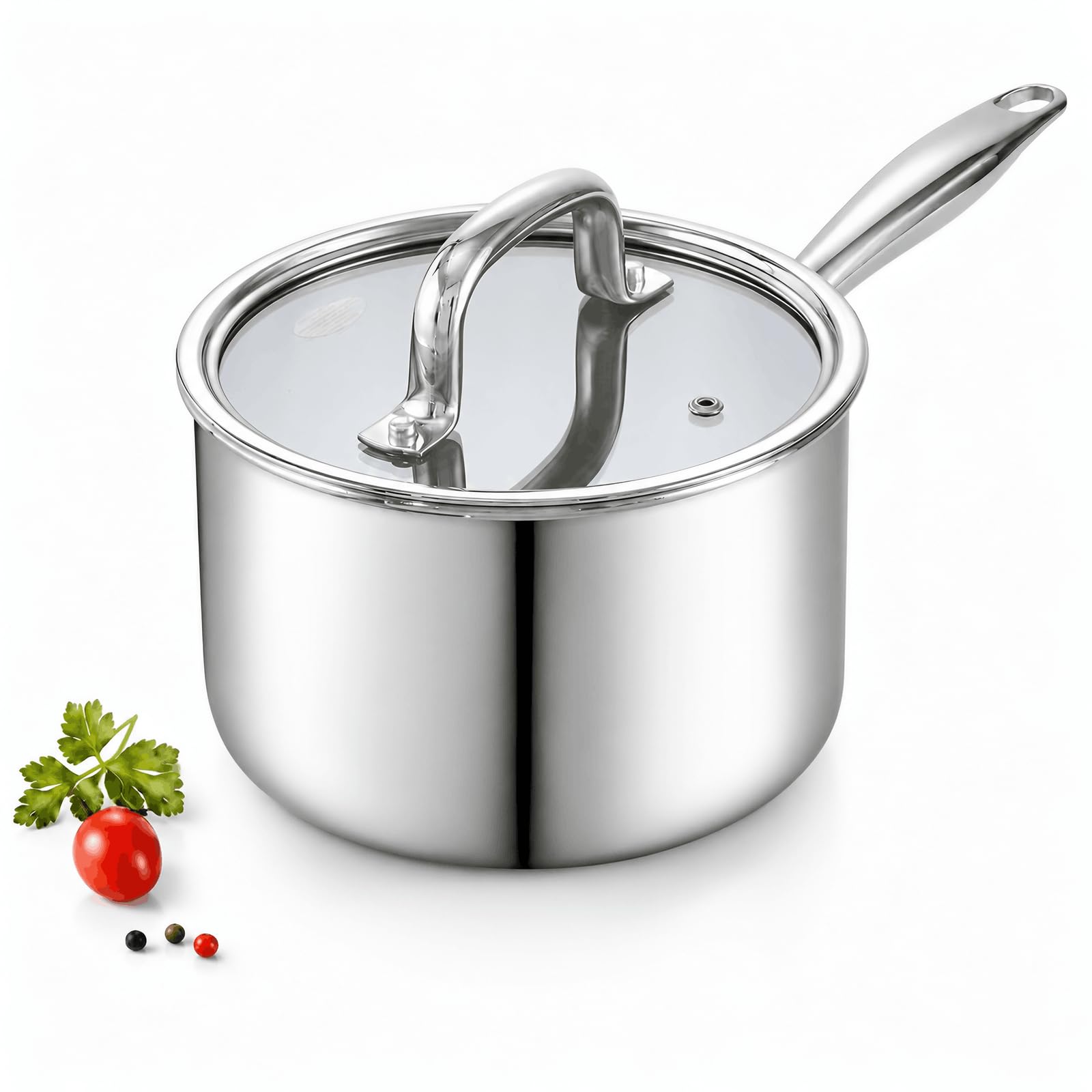
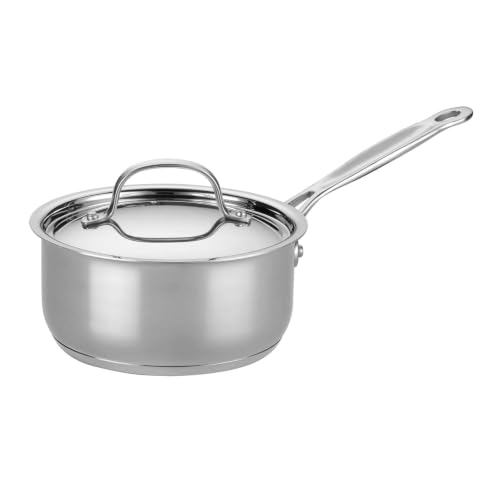

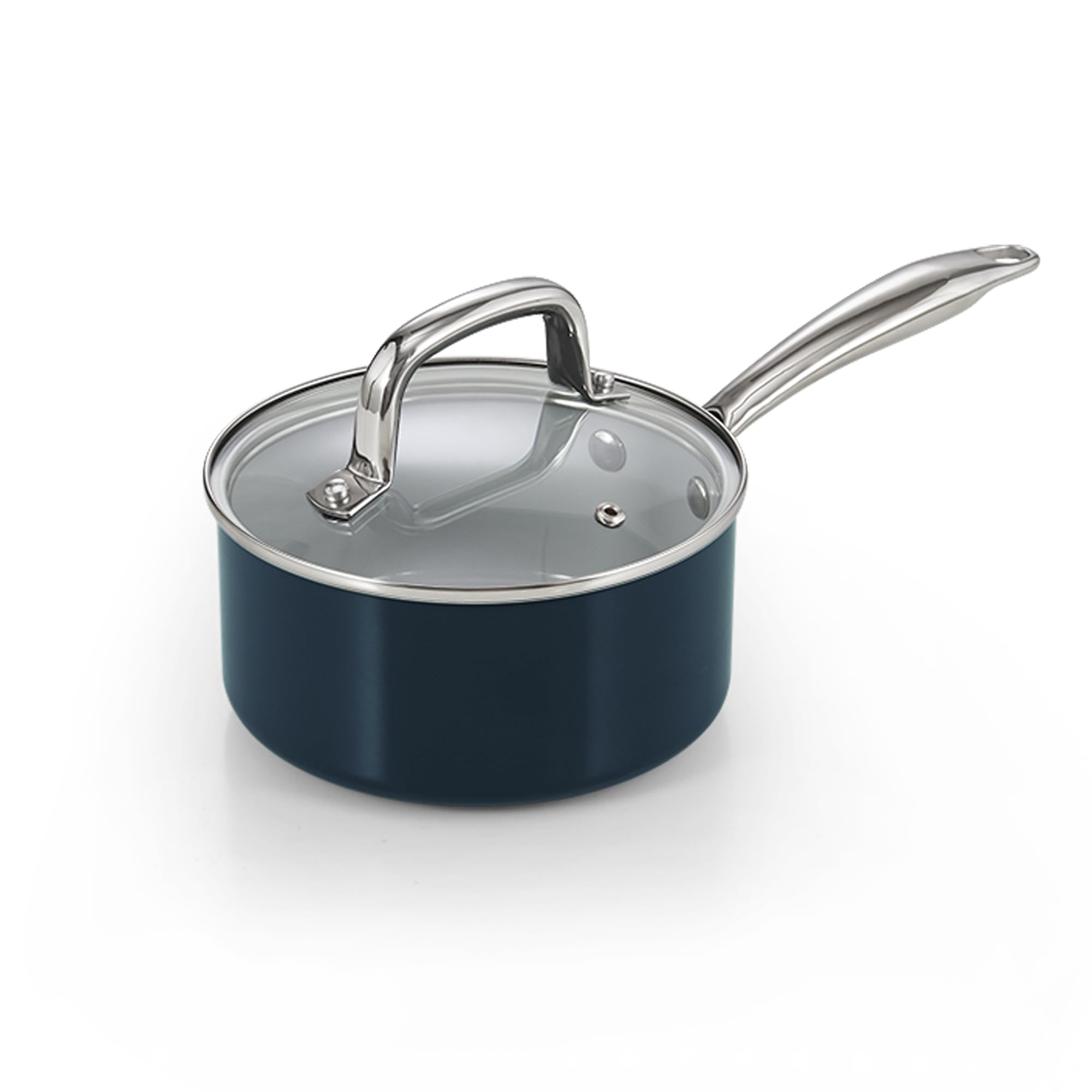

Quick Answer: The Main Types in 30 Seconds
If you want one answer first, most homes do well with clad stainless steel in this size. It simmers evenly, tolerates high heat, and lasts for years with basic care. A nonstick version suits you better if you cook eggs, oatmeal, and milk based sauces often and want fast cleanup. A ceramic coated version suits short, gentle cooking and a preference to avoid traditional nonstick coatings. Pick the type that matches your stove first, then check lid fit, handle comfort, and oven limits before you spend.
Before You Buy: A Quick Checklist for Choosing a Saucepan
This size looks simple, but small details decide whether you reach for the pan daily or leave it in a cabinet. Work through size, material, safety, compatibility, and budget in that order.
Size: Match It to Your Space
A 1.5 quart pan holds about 6 cups, and you should fill it only about two thirds full for safe simmering, so plan on roughly 4 cups of food at a time. That suits oatmeal for two, rice for a small family side dish, reheated soup, and sauces that serve two to four people. A 1 quart pan feels cramped for rice, while a 2 quart pan gives more room for pasta water and larger batches. Our guide on what size saucepan do i need walks through household size in more detail if you are torn between sizes.
Which Type Fits Your Routine
Stainless steel handles searing, deglazing, and acidic tomato sauces without reacting, and clad versions with an aluminum core heat more evenly than a single layer pan. If that sounds like your cooking, compare shapes in our best stainless steel saucepan guide. Nonstick pans release eggs and sticky grains with little oil, but the coating wears over time and needs gentle tools. Ceramic coated pans offer slick release when new and suit low to medium heat cooking, though the coating also fades with use. Copper heats fast but needs polishing and costs more. A saucier has rounded corners for whisking, while a standard saucepan has straight sides that reduce evaporation.
Features Worth It and Ones to Skip
A tight fitting lid is worth paying for, since it keeps simmering steady and speeds up boiling. A small pour spout helps when you drain vegetables or pour sauce without drips, and interior measurement marks save you from dirtying a measuring cup. A strainer lid can help with pasta and potatoes, but only if the holes line up well with the rim. Skip a steamer insert in this size unless you truly steam small portions often, because it adds storage bulk and washing.
Is It Non Toxic?
No cookware is free of all concerns, so read the coating details with care. Traditional nonstick uses a PTFE coating, and makers state it is safe at normal cooking heat, but it can break down at very high heat and should not be heated empty. Ceramic coatings are made without PTFE and PFAS, yet they still wear over time. If avoiding coatings matters most to you, plain stainless steel gives you a surface with no applied coating at all. Shoppers comparing coated options can start with our best ceramic saucepan guide.
Induction, Gas and Glass Top Compatibility
Compatibility starts with the base. Induction burners need a magnetic base, so check for an induction ready symbol or test a magnet against the bottom and confirm it sticks firmly. Gas burners suit almost any base, but a very small pan can sit unevenly on wide grates, so confirm the diameter fits your smallest burner. Glass top stoves need a flat, smooth base that will not scratch or rock. Shoppers with induction should also read our best induction saucepan guide for base details.
Oven Safe Temperature and Handles
Check two limits before you buy, the pan body limit and the lid limit, since glass lids often allow less heat than metal lids. Many stainless steel pans allow oven use to about 500 degrees, while coated pans often allow about 350 to 450 degrees, but the listing for your pan controls. A long, slightly curved handle balances a full pan better than a short stubby one, and silicone coated handles can lower the oven limit.
Realistic Budget Ranges
Under about $30, expect basic stainless steel or entry level nonstick with a thinner base and a shorter service life. From about $30 to $50, you get thicker bases, better lids, and more secure handles, which is the range most homes should target. From about $50 to $100, clad construction and stronger warranties become common. Above about $100, you pay for premium cladding, polished finishes, or copper, which helps keen cooks but does not change what a small sauce needs.
Types Compared: How to Choose Without Guesswork
Instead of ranking models, compare the three types most homes consider in this size. Start with the type that fits your usual food, then weigh how long you expect the pan to serve you.
Clad Stainless Steel for Most Homes
Choose clad stainless steel if you cook a mix of sauces, grains, and reheated meals and want one pan to keep for many years. It tolerates metal utensils, high heat, and scrubbing, and it moves from stove to oven with few limits. The trade off is food sticking. Eggs and milk need lower heat and a little fat, and cleaning can take soaking. For households that cook daily, this type gives the lowest cost over time despite a higher first price.
Nonstick for Easy Release and Fast Cleanup
Choose nonstick if your small pan mostly handles eggs, oatmeal, custards, and reheating sticky leftovers. Release is the whole point, and cleanup takes seconds with a soft sponge. Our best nonstick saucepan guide explains coating care in more depth. Plan on a shorter life than stainless steel, since even careful use wears the coating, and avoid high heat and cooking sprays that leave residue. This type suits renters, busy parents, and anyone who values easy mornings over decades of service.
Ceramic Coated for Gentle Everyday Cooking
Choose a ceramic coated pan if you prefer to avoid PTFE and you cook mostly at low to medium heat. It handles sauces and reheated grains well when new, and the light colored interior makes it easy to see browning. The trade off is durability of release. The slick feel fades faster than traditional nonstick, so view it as a medium term pan rather than a lifetime buy.
Our Selection Process for the Best 1.5 Quart Saucepans
We judge this size on heat distribution, durability, material safety, stovetop and oven compatibility, and cleaning effort, using maker specifications and patterns in verified buyer reviews. We give extra weight to base thickness, lid fit, handle attachment, and stated oven limits, since those details shape daily use in a family kitchen. We leave prices to the product listings because they change often.
Is a 1.5 Quart Saucepan the Right Size for You?
It is right for you if you regularly cook small amounts and own a larger pot for big jobs. One or two people will use it daily for breakfast grains, single portions of soup, and side sauces. A family of four will use it as a second pan beside a 3 or 4 quart pot, for gravy or reheating leftovers. It is too small if you boil pasta for a crowd or cook soup for freezing, since it will boil over and slow you down. Think of it as a specialist for small, frequent tasks rather than your only pot.
Common Mistakes to Avoid
- Buying this size as your only saucepan, so large meals force you to cook in cramped batches.
- Ignoring burner fit, so the pan rocks on a grate or heats slowly on induction.
- Choosing a coated pan for high heat searing, so the coating wears out early.
- Paying for a steamer insert and extra lids you have no storage room to keep.
- Skipping the lid check, so steam escapes and simmering takes constant adjustment.
- Forgetting replacement cost, so a low first price turns into repeat buying every few years.
Cost of Ownership and Care
Your ongoing cost is mostly replacement timing and the tools the surface needs. Stainless steel asks for a good scrub pad and occasional soaking, but it should not need replacing for many years. Coated pans ask for soft sponges and wooden or silicone tools, and you should budget to replace them when release fades. Hand washing helps every type, even when a listing allows a dishwasher, because harsh detergents dull coatings over time. Our guide on how to clean a saucepan covers stain removal for each material.
Your Questions, Answered
What is the most reliable saucepan brand?
Reliability in this size depends more on construction than on a name. Look for a thick, flat base, handles fixed with sturdy rivets or solid welding, and a warranty that covers defects for several years. Repeated complaints about warping, loose handles, or lids that stop fitting tell you more than a single glowing review.
How do you clean a saucepan with burnt milk on the bottom?
Fill the cooled pan with warm water and a spoon of baking soda, then let it sit for about 20 to 30 minutes before washing. The soak lifts most burnt milk without hard scrubbing, which protects both steel and coated surfaces. For a stubborn ring on stainless steel, simmer the same mixture for a few minutes, cool it slightly, and wash again. Dry the pan fully before storing it, since standing water can leave spots and dull the finish.
Is a 1.5 quart saucepan worth it if you already own a large pot?
Yes, if you often reheat or cook amounts under 4 cups, because a large pot wastes heat around a small portion and is slower to wash. A small pan also frees your large pot during holiday cooking, when gravy needs its own burner. It is not worth it if your cooking is mostly big batch soups and pasta, or if cabinet space is too tight for one more pan.
How long does a 1.5 quart saucepan last?
A clad stainless steel pan can serve for decades, and the first signs of old age are usually a warped base that rocks or a handle that loosens. A traditional nonstick pan often gives about 3 to 5 years of good release with gentle care, while ceramic coated pans often fade sooner. Replace any coated pan when food sticks across the whole base or the coating flakes. Replace any pan, coated or not, if the base warps enough to spin on a glass top stove.
What size saucepan do I need for a family of four?
For a family of four, treat 1.5 quart as a side pan and pair it with a 3 or 4 quart pan for main dishes. The small pan covers gravy, sauce, and reheating a single portion, while the larger pan handles soup and pasta for everyone. Measure your largest burner and your cabinet depth before ordering either size, since a long handle can stop a cabinet door from closing in small kitchens. That quick check prevents a return that a capacity chart alone would miss.
Final Thoughts
Start with your stove and your routine, then let material, lid fit, and budget narrow the field. For most homes, clad stainless steel in this size offers the best balance of even heating and long service, while coated types trade lifespan for easier release. Use the product table above to compare the best 1.5 quart saucepan options for your kitchen, and choose the type you will enjoy using on an ordinary weekday, not just on special occasions.


