
Berkey vs Propur: Which One Fits Your Home Better? (2026)
Disclosure: We may earn a commission when you buy through links on this page, at no extra cost to you. As an Amazon Associate I earn from qualifying purchases. Learn more

Berkey vs Propur: see how they differ in everyday use, features and value, and which one makes more sense for your home and budget.
Picture a weekday morning in a busy kitchen. The kettle is on, lunch boxes are open, and three people want a glass of water before the tap filter jug is even half full. A tall gravity filter on the counter solves that problem quietly, and the berkey vs propur choice is the one most households land on once they start comparing this style of system.
Both brands sell gravity fed countertop units that need no plumbing and no power, yet they differ in size range, filter element design, and certification approach. This guide walks through those differences by home size, counter space, and budget, and the comparison table below sums up the headline specs before we get into the detail. If you want the wider field first, start with our guide to the best countertop water filter options, then come back here for the head to head.
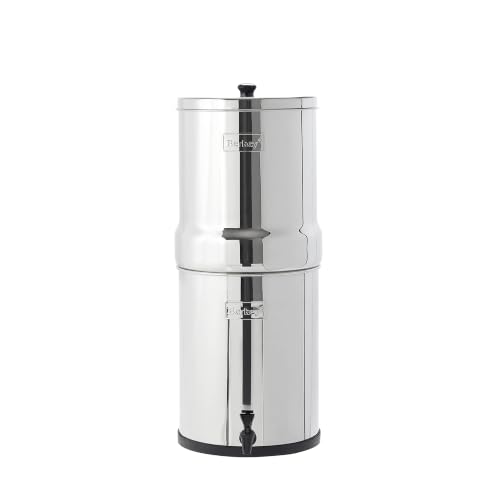
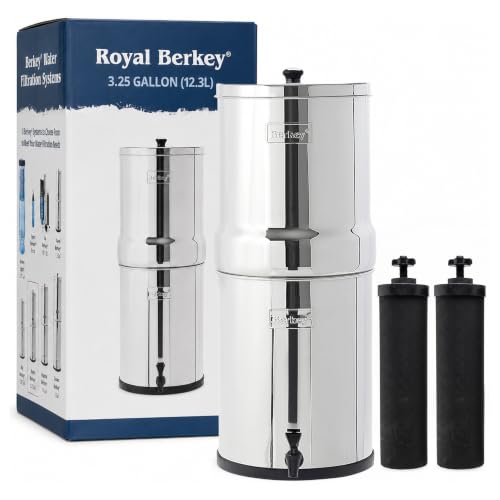
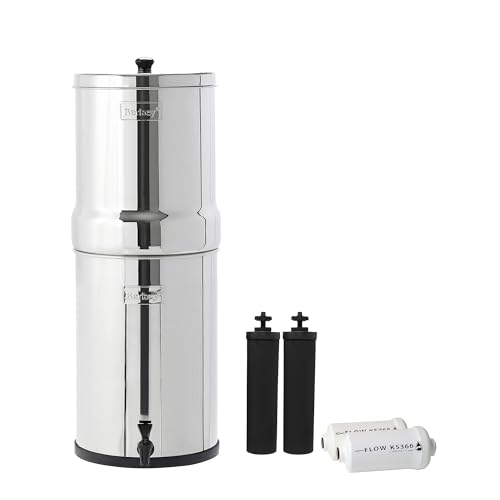
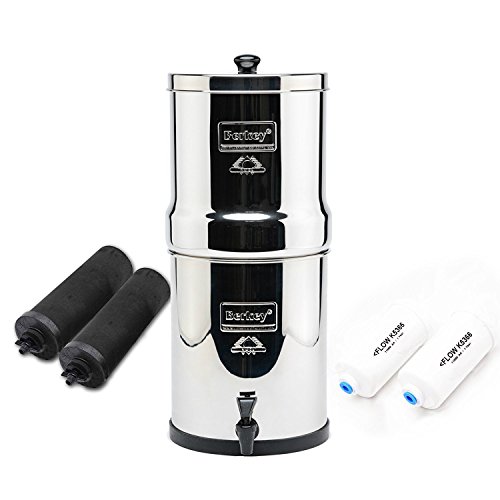


Berkey vs Propur at a Glance
Strip away the marketing and the two systems share the same basic layout. You pour water into an upper chamber, it passes slowly through filter elements into a lower chamber, and you draw it off through a spigot. Neither needs a plumber, a power outlet, or a hole in your counter.
Where they part ways is in the details. Berkey offers the wider spread of sizes and a filter element set known for very long service life. Propur leans harder on certified filter elements and a slightly lower entry price for its gravity range. Berkey systems currently list from about $370 to $550 depending on size, so check the product page for current Propur pricing before you compare. Everything below expands on those points one factor at a time.
Meet the Contenders: Berkey and Propur
Berkey Overview
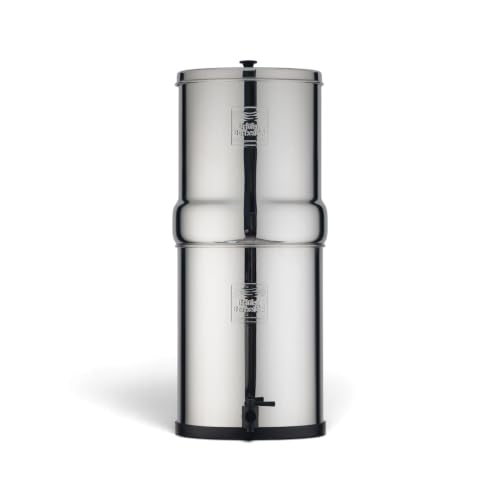
Berkey builds its name around stainless steel gravity systems sized for almost any household, from compact units of about 1.5 gallons up to a 6 gallon model aimed at big families and group use. The heart of each system is a pair of black purification elements that sit in the upper chamber, and you can add more elements to larger chambers to speed up the flow. Optional extra elements are sold for reducing fluoride, which matters in towns where the supply is fluoridated and you want that addressed.
The brand sells widely through dealers as well as its own channels, so spare elements, spigots, and stands are easy to source years later. If the larger end of the range is where your household sits, our big berkey review covers the most popular family size in more depth.
Propur Overview
Propur takes the same gravity fed idea and pairs it with filter elements built around a ceramic and carbon style design. Its gravity systems cluster in the middle of the size range, which suits couples and mid sized families who refill once a day rather than twice. The company also sells a broader filtration catalog, including shower and whole house products, although only the gravity countertop line belongs in this comparison.
Propur puts more weight on formal certification claims for its elements, a point we return to in the certifications section. Its chambers are also stainless steel, the spigot setup is familiar to anyone who has used a drinks dispenser, and the footprint on the counter is similar to a large coffee maker.
Head to Head: Where They Really Differ
Installation and Compatibility
Setup for both brands is a kitchen table job, not a toolbox project. You wash the chambers, prime the filter elements under a tap until the air clears, seat them in the upper chamber with wing nuts, and stack the chambers together. Most people finish in about 20 to 30 minutes, and the priming step is the one part worth doing slowly, since dry elements filter poorly and drip for hours.
Compatibility is mostly about space and water source. Both systems stand tall, so measure the gap between your counter and upper cabinets before ordering. Check each maker's guidance on the water sources its system supports, and follow local notices if your supply is ever under an advisory.
Build Quality and Finish
The chambers on both systems are stainless steel with a brushed finish that hides fingerprints reasonably well and wipes clean with a damp cloth. Lids sit loosely rather than sealing, which is normal for gravity units, and the spigots are plastic on standard models from both brands, with metal upgrades sold as accessories. The steel feels sturdy in hand and resists the dents and cracks that end the life of plastic housings.
Small differences show up in the details. Berkey chambers nest inside each other for storage or travel, a trick campers and renters appreciate. Berkey also sells a water view spigot on some models, letting you see the water level in the lower chamber at a glance instead of lifting the top chamber to check.
Features and Filter Life
Flow rate is the feature you feel every day. A full upper chamber on either system flows fastest with fresh elements, then slows as the water level and pressure drop. Adding elements speeds things up, and Berkey chambers accept more elements as size grows, which is why big households lean that way.
Filter life is where the designs truly split. A pair of Berkey black elements is rated by the maker for thousands of gallons, which for most families means years between changes, while Propur elements are rated for a shorter replacement cycle, commonly measured in months of typical use. Element sets cost less on the Propur side but come around far more often, so the running cost gap is narrower than the lifespan gap first suggests.
Certifications
This is the section to read carefully if paperwork matters to you. Berkey publishes independent results for its elements rather than marketing an NSF certification mark, and it is open about that position. Some buyers are fine with that record, while others want a certification mark before spending this much.
Propur takes the opposite route and markets key elements with NSF certification for specific claims, alongside third party reports. Certification only ever covers the exact claims listed for that element, so whichever brand you choose, read the claim list for the contaminants you actually care about, such as lead or chlorine taste, rather than assuming a badge covers everything.
Warranty and Support
Both companies back the steel chambers with warranties measured in years and cover elements and spigots for shorter periods, which reflects the fact that elements are consumables. Exact terms vary by part and by seller, so check the warranty page for the specific model before you buy, and keep your receipt somewhere safer than a kitchen drawer.
Support also runs through dealer networks for both brands, and that has a practical upside. Replacement elements, washers, and spigots are stocked by many retailers, so a worn part rarely means retiring the whole system. Before ordering spares, confirm the part matches your chamber size, since fittings are not shared between the two brands.
Price and Value
Berkey asks more upfront, especially at the large end of the range, and justifies it with element life. If a pair of elements genuinely carries a family through several years, the cost per gallon stays very low even at the higher purchase price. Propur asks less at the register and less per element set, but you will buy those sets far more often.
Value, then, depends on your habits. Households that hate maintenance schedules usually get more satisfaction from the Berkey pattern of rare, pricier element changes. Households that prefer small, predictable yearly costs, or that may move and change systems in a year or two, often find the Propur pattern easier to live with.
Our Recommendation for Your Home
Pick Berkey If
Choose Berkey if your household is large, your water use is heavy, or you want the widest choice of sizes, including a genuinely big unit for gatherings and emergency storage. It also suits buyers who like the idea of changing elements rarely and who are comfortable relying on published reports rather than certification marks. Renters who move often will like how the chambers nest down for packing.
Pick Propur If
Choose Propur if formal certification on the filter elements is a deciding factor for you, or if your household is small to mid sized and a mid sized system covers a full day of drinking and cooking water. It also fits buyers who prefer a lower starting price and simple yearly element swaps over one large purchase followed by years of inaction.
Not Sold on Either? One More Option
If the slow drip of gravity filtration puts you off, countertop reverse osmosis is the main alternative, trading counter space and a power outlet for faster output and a different style of filtration. The smaller unit in our aquatru carafe review suits one or two people, while the larger countertop model in our aquatru classic review fits families who filter a lot of water each day. Neither needs plumbing, so they stay renter friendly like the gravity systems above.
Your Questions, Answered
Which filter elements last longer, Berkey or Propur?
Berkey elements last far longer on paper, with a pair rated for thousands of gallons against months of use for a Propur set. One habit protects either brand: write the install date on a strip of tape on the lower chamber. Memory is unreliable over months and years, and a dated note stops you from running elements long past their rating or swapping good ones out early.
Which system is easier to clean, Berkey or Propur?
Both are simple, since the chambers are plain steel with no hidden channels. Propur edges ahead slightly for routine care because its elements are smaller and quicker to lift out and scrub. With either system, remove the spigot every few months and clean behind its washer, a spot most owners forget until a slow drip or an off taste reminds them.
What is the main difference between Berkey and Propur?
The main difference between berkey and propur is the filter element philosophy. Berkey builds around very long life elements supported by independent reports, while Propur builds around certified elements on a shorter replacement cycle. A useful way to decide is to think about who will maintain the filter. The best system is the one whose upkeep pattern your household will actually follow without reminders.
Is Berkey better than Propur for a large family?
For a large family, Berkey usually fits better, because its range tops out at about 6 gallons and larger chambers accept extra elements for faster flow. Propur systems can still serve a big household, but expect to refill the upper chamber more than once on heavy cooking days. Count your daily drinking and cooking water before deciding, since one honest day of measuring beats guessing from family size alone.
The Bottom Line
Neither system is a mistake. Berkey wins on size choice and element life, Propur wins on certification and starting price, and both deliver calm, quiet filtration with no plumbing and no power. Check the product table above against your counter height and daily water use, decide which upkeep pattern suits your household, and the berkey vs propur question answers itself.


