AquaTru Carafe Review: Honest Pros, Cons & Who It's For (2026)
Disclosure: We may earn a commission when you buy through links on this page, at no extra cost to you. As an Amazon Associate I earn from qualifying purchases. Learn more
Thinking about the AquaTru Carafe? Our honest AquaTru Carafe review covers everyday pros and cons, who it suits, and smarter alternatives if it's not a fit.
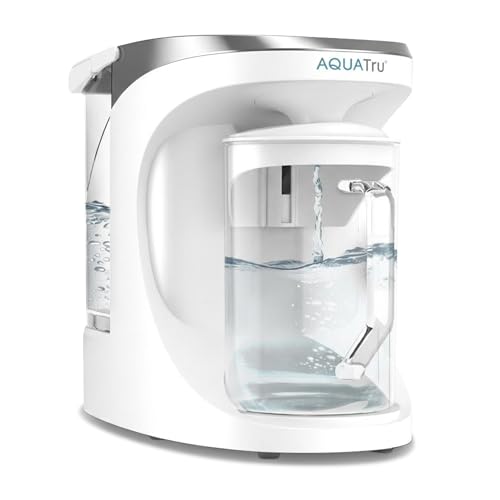
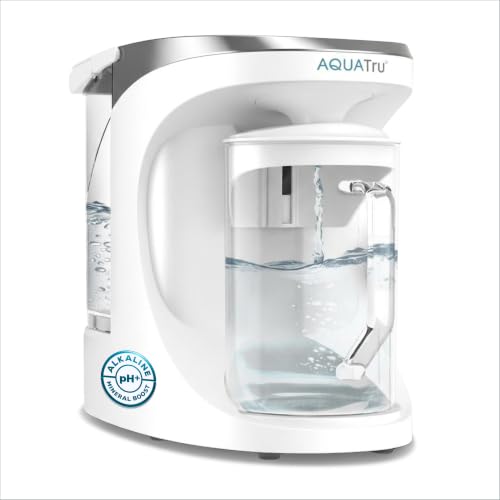
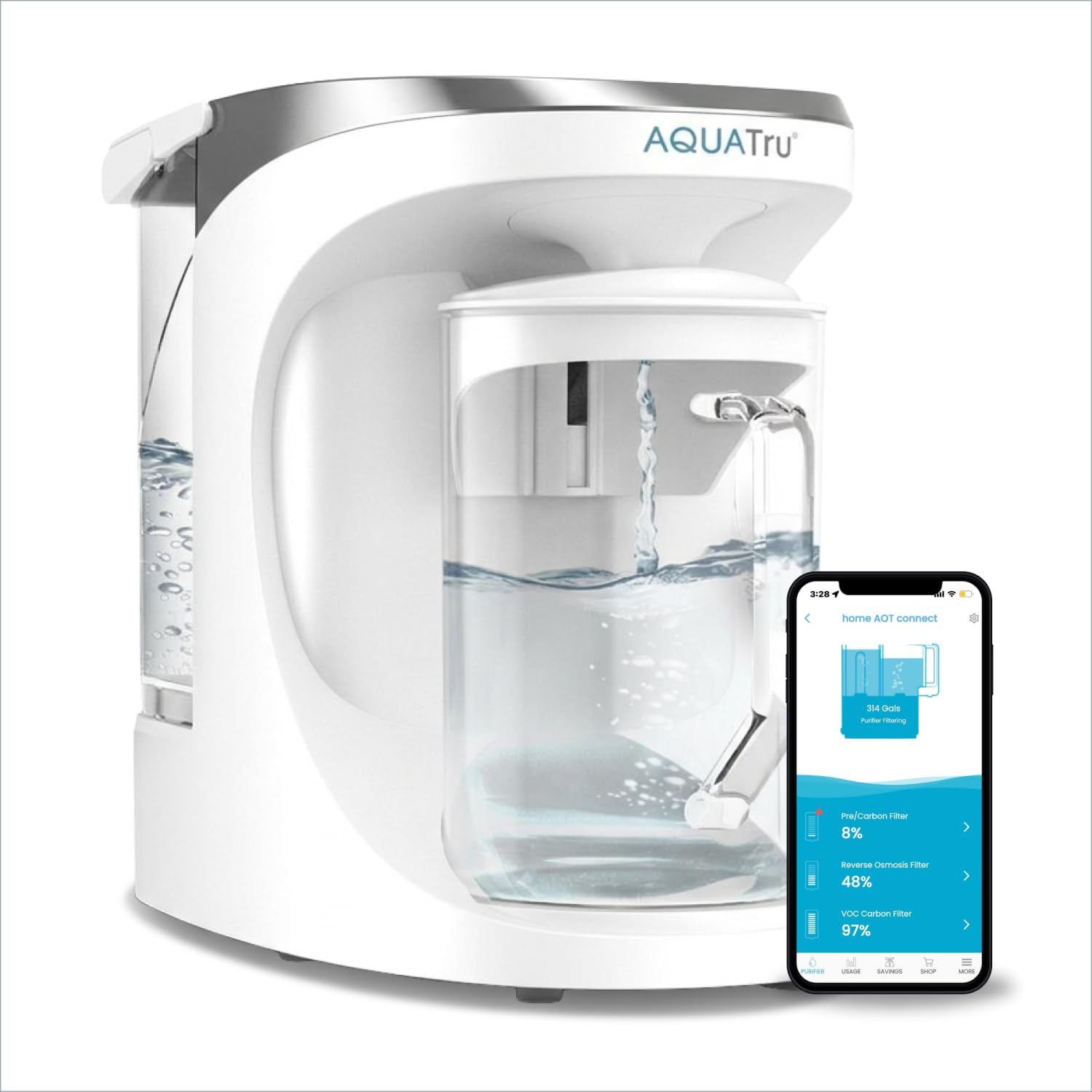
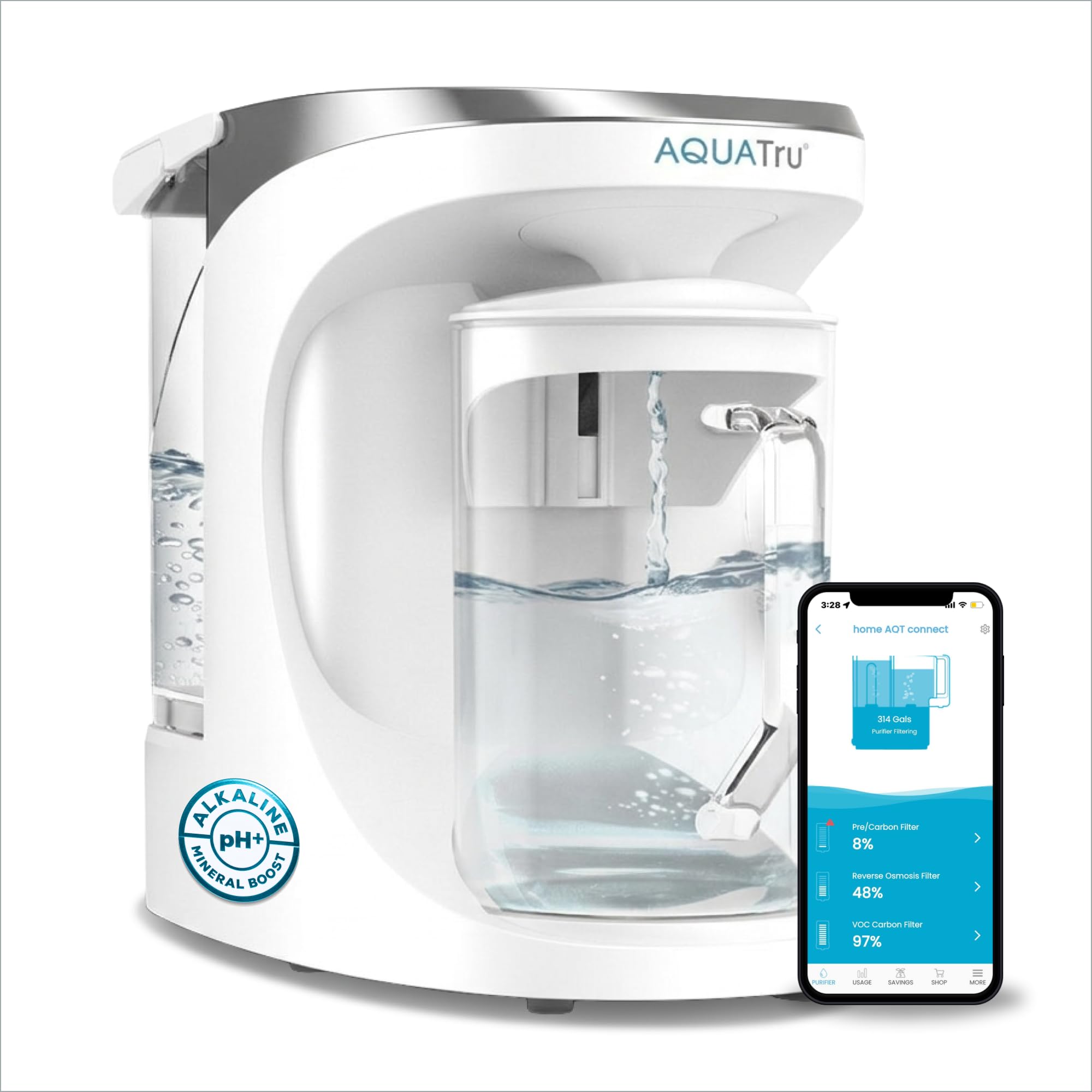
The AquaTru Carafe is a countertop water purifier built around a glass carafe, and this aquatru carafe review looks at it the way you would live with it at home. Instead of a plastic tank sitting on the counter all day, filtered water collects in a carafe you can carry to the table or store in the fridge.
That design will not suit every kitchen, so this guide walks through fit, daily use, upkeep, and ownership cost before you spend anything. You will find the key tradeoffs in the comparison table below, and our guide to the best countertop water filter options covers the wider category if this style is not right for your home.


Quick Verdict
The Carafe makes the most sense for one to three people who want reverse osmosis filtration without plumbing work and who prefer glass over a plastic tank. The tradeoff is patience and routine. You filter in batches rather than drawing endless water on demand, and you commit to regular filter changes. Skip it if your household drinks a lot of water all day, or if counter and fridge space are both tight.
AquaTru Carafe: Key Specs
- Format: countertop purifier with a removable glass carafe for filtered water
- Filtration: multiple stages that combine sediment and carbon filtration with a reverse osmosis membrane
- Installation: none in the plumbing sense, because the unit sits on the counter and plugs into a standard outlet
- Source tank: a separate reservoir you fill from the tap and empty of leftover concentrate after filtering
- Upkeep: replaceable filters on a set schedule plus regular washing of the carafe and reservoir
- Best setting: kitchens, small dining spaces, and rental homes where drilling or plumbing changes are off the table
First Impressions and Build
The first thing you notice is how much the design leans on the carafe itself. Glass feels nicer to pour from than a plastic tank, it does not hold flavors from last week, and it looks at home on a dining table in a way most countertop appliances do not. The base unit is compact for a powered purifier, though you still need clear counter space plus room to lift the carafe out.
The flip side of glass is simple. It can chip or break in a way plastic will not, and a full carafe is heavier than you might expect. Households with small children carrying the carafe, or with crowded counters where things get knocked often, should weigh that before buying.
How It Performs in Everyday Home Use
Installation and Compatibility
Setup is about placement and power rather than tools. You need a flat counter spot near an outlet, enough height clearance to remove the carafe and the source reservoir, and a routine for filling at the sink. Renters value this most, because nothing connects to your faucet or your plumbing and the unit leaves with you when you move. Measure counter depth and the space under your cabinets first.
Build Quality and Finish
The parts you touch most are the carafe, the lid, and the reservoir, and those are the parts to judge. The glass feels substantial rather than fragile thin, and the lid and handle shape matter more in week ten than in minute ten, because you will pour from this thing several times a day. Plastic appears in the base and reservoir, which keeps weight down. Keep the base dry, because standing water under any countertop appliance marks surfaces over time.
Features
The feature set is deliberately narrow. The unit filters a batch of water, signals when a cycle is done, and tracks filter life so you are not guessing from the calendar alone. There is no chilled water, no hot water, and no sparkling option, and that focus is part of the appeal for buyers who are tired of appliances that try to do everything. What you give up is speed. A batch takes time to filter, so the habit that works is filtering ahead and keeping the carafe in the fridge rather than waiting while you are thirsty.
Certifications
Reverse osmosis is a proven method for reducing dissolved substances that carbon pitchers alone cannot address, and that is the real reason to consider this class of purifier. Still, read certification claims with care. Look for testing or certification against named standards for the specific contaminants you care about, such as lead, rather than relying on a general claim that water is pure. Check the maker documentation before you buy, because certified contaminant lists can differ between models.
Features You Will Actually Use
In daily life, three things carry this product. The first is the fridge friendly carafe, which turns filtered water into something you serve rather than something you fetch from an appliance. The second is batch filtering that fits a routine, such as running a cycle while you make breakfast and another while dinner cooks. The third is filter life tracking, which removes the guesswork that makes many owners run filters far past their useful life.
Just as useful is what the design avoids. There is no faucet adapter to leak and no permanent mark on a rental kitchen. If your household mainly drinks water at meals and fills a bottle or two in the morning, this rhythm feels natural within a few days.
Living With It: Setup, Cleaning and Upkeep
Living with the Carafe is mostly a loop of small habits. Fill the reservoir, run a cycle, move the carafe to the fridge, and empty the leftover concentrate rather than filtering it again. Rinse the reservoir often, because it holds unfiltered tap water and can develop a stale smell if it sits. Wash the carafe as you would any glass pitcher, and follow the maker steps for flushing when filters are new.
Put filter change dates on your household calendar the day you set the unit up. Most disappointment with purifiers like this comes from neglected filters, not from the appliance itself, and a simple reminder keeps taste and flow where they should be.
What We Like and What We Don't About the AquaTru Carafe
- Like: glass carafe that pours well, stores in the fridge, and suits serving at the table
- Like: reverse osmosis filtration with no plumbing, no drilling, and no landlord permission needed
- Like: a footprint and look that fit smaller kitchens and open plan spaces better than bulky tank units
- Don't like: batch filtering means planning ahead, which frustrates households used to instant access
- Don't like: ongoing filter costs are part of the deal from day one, not an optional extra
- Don't like: glass needs care, and a replacement carafe is an added cost if it breaks
Is the AquaTru Carafe Right for Your Household?
It fits households of one to three people who drink filtered water steadily through the day and who eat at home often enough to enjoy a carafe on the table. It also suits renters and anyone in a home where under sink work is impractical. Larger families can use it, but they will run more cycles per day, and at some point a larger format purifier simply matches the demand better.
If your main goal is filling big pots fast, keeping a sports team hydrated, or spending as little as possible per glass, this is the wrong shape of solution. Your household size and your patience for batch routines decide this purchase more than any single feature does.
How the AquaTru Carafe Compares
The closest comparison sits inside the same brand. The larger classic countertop format holds more water in a plastic tank, while the Carafe trades capacity for glass and a smaller presence, and our page on aquatru classic vs aquatru carafe breaks that choice down directly. If capacity is your sticking point, the aquatru classic review explains who the bigger format suits.
Outside the brand, the main fork is power versus gravity. A large gravity unit such as the one covered in our big berkey review needs no outlet and holds far more water, but it takes much more counter height. The Carafe is the easier daily appliance for a small modern kitchen, while gravity systems suit big households and backup water storage.
Price, Deals and Warranty
Expect premium pricing for this category. A powered reverse osmosis unit with a glass carafe costs far more upfront than a simple pitcher, and the purchase only makes sense when you count the filters you will buy over the first years as part of the price. Seasonal sale events are the usual moment to look for a lower entry price or bundled spare filters. Check the warranty length and what it covers, especially whether glass parts are included.
Common Buying Mistakes to Avoid
- Measuring only the counter width and forgetting the height you need to lift the carafe and reservoir clear.
- Budgeting for the unit alone and ignoring filter replacements, which raises the real cost every year you own it.
- Expecting on demand water for a large family from a batch carafe format built for smaller households.
- Buying reverse osmosis for taste alone when a far cheaper carbon option would have solved your actual complaint.
- Skipping your local water report, which tells you which contaminants are worth paying to reduce.
Cost of Ownership and Care
Your running costs are filters, a small amount of electricity for each cycle, and the water that reverse osmosis sends out as concentrate rather than into your glass. That waste stream is normal for this technology, but households on metered water should weigh it honestly. Protect your spending by changing filters on schedule rather than early out of habit, and by handling the carafe over the sink instead of carrying it across the room with wet hands.
Your Questions, Answered
How do you clean the AquaTru Carafe?
Wash the glass carafe and lid in warm water with a mild dish soap, and rinse well so no soap taste carries into the next batch. Wipe the base with a damp cloth rather than soaking it, because the base holds the electrical parts. A soft bottle brush helps with the neck of the carafe, and you should let everything air dry fully before a long stretch in the fridge to keep odors away.
What is a cheaper alternative to the AquaTru Carafe?
A carbon pitcher or a faucet mounted filter costs far less upfront and far less per year, and for many homes with decent tap water that is enough. The catch is scope. Those options mainly improve taste and reduce a narrower set of substances, while reverse osmosis addresses dissolved material they leave behind. A cheaper route only counts as an alternative if it solves the specific concern that sent you shopping in the first place.
How long does the AquaTru Carafe last?
The appliance itself should serve for years with basic care, while the filters are consumables that you replace on a repeating cycle. The practical weak points are the glass carafe, which can break, and seals or lids that wear with constant washing. Keeping one spare set of the filters you use most means a change never turns into a week of drinking unfiltered water while you wait for a delivery.
What are common AquaTru Carafe problems?
Most reports follow a familiar pattern for this type of purifier. Flow slows as filters near the end of their life, taste drifts when changes are overdue, and small leaks usually trace back to a part that was not seated fully after cleaning. Start troubleshooting with filter seating, a full rinse of the reservoir, and a check that the carafe sits correctly on the base before you assume anything is broken.
Is the AquaTru Carafe worth it?
Do the simple math for your home. If you now buy bottled water most weeks, a countertop purifier can earn its cost back over time while cutting plastic waste. If you rarely drink plain water at home, the same unit becomes an expensive object taking up counter space. Worth here is about your habits, not the specification sheet.
The Bottom Line
The AquaTru Carafe answers a narrow question well: how do you get reverse osmosis water in a home that cannot change its plumbing, served from glass instead of plastic? Use the product table above to check current pricing against the filters and warranty terms. If your household is small and your routine suits batch filtering, this aquatru carafe review should leave you feeling it is a strong fit.