
Berkey vs Clearly Filtered: Which One Fits Your Home Better? (2026)
Disclosure: We may earn a commission when you buy through links on this page, at no extra cost to you. As an Amazon Associate I earn from qualifying purchases. Learn more

Berkey vs Clearly Filtered: see how they differ in everyday use, features and value, and which one makes more sense for your home and budget.
Picture a weekday morning in a busy kitchen. One person wants filtered water for coffee, another needs a full bottle before school, and the pitcher in the fridge is empty again. That small daily friction is where the berkey vs clearly filtered choice really starts. One option is a large gravity system that sits on your counter and holds gallons at a time. The other is a pitcher that lives in the fridge and suits smaller households. This guide compares them by space, household size, daily ease of use, and the full cost of owning each one, so you can match the format to your home before you spend anything. The comparison table below sums up the main differences at a glance.
If you are weighing other formats entirely, our guide to the best countertop water filter covers the wider field. Here, the focus stays narrow: one countertop tank and one pitcher, and which household each serves best.


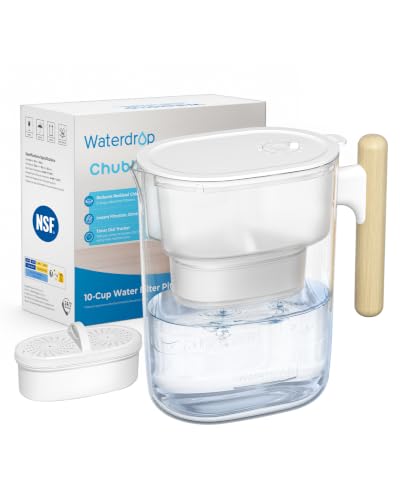
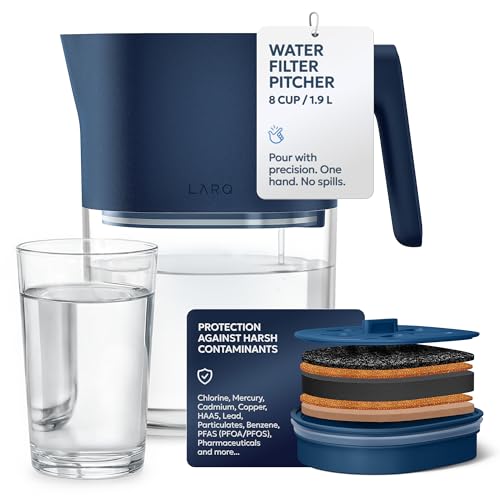


Berkey vs Clearly Filtered at a Glance
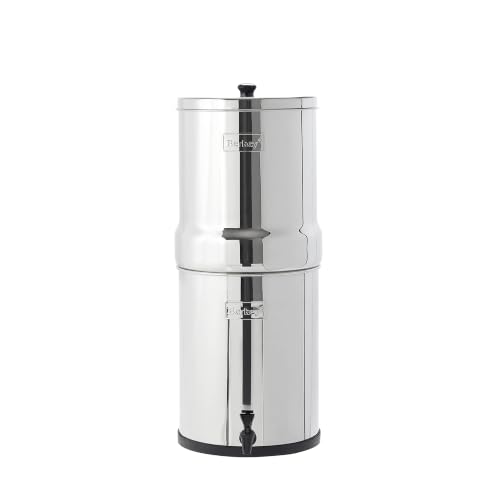
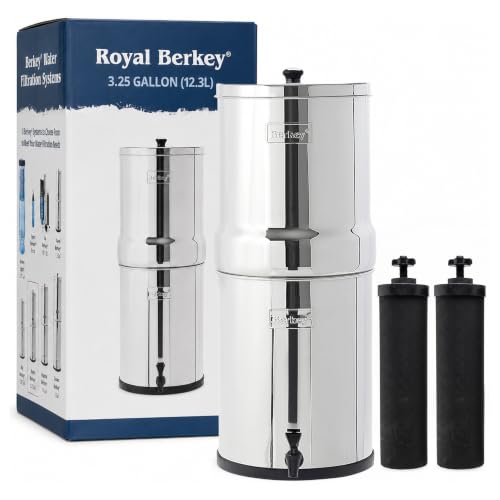
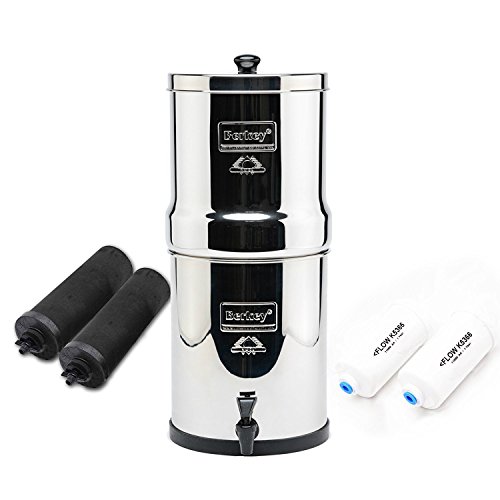
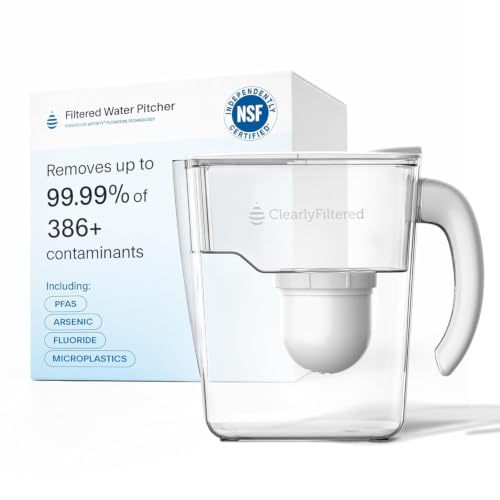
The shortest version of berkey vs clearly filtered is format. Berkey is a two chamber gravity system, usually made of stainless steel, that you fill from the top and draw from through a spigot. Clearly Filtered is best known for its pitcher, which you fill at the sink and store in the fridge like any other water pitcher. Berkey holds far more water per fill and asks for more counter space. The pitcher holds less, needs filling more often, and asks almost nothing of your kitchen layout.
- Format: Berkey is a countertop gravity tank. Clearly Filtered is mainly a fridge pitcher.
- Capacity: Berkey suits steady demand from several people. The pitcher suits one or two people with modest daily use.
- Filter life: Berkey elements last far longer between changes. Pitcher filters are replaced every few months.
- Cost shape: Berkey costs more at the start and less often after that. The pitcher costs less at the start, with filter costs that come around more often.
- Plumbing: Neither one connects to your tap or needs a drain line, so both work in rentals.
Meet the Contenders: Berkey and Clearly Filtered
Berkey Overview
Berkey systems pair an upper chamber, where you pour in tap water, with a lower chamber that stores the filtered water. Gravity pulls water down through the filter elements, and you serve it from a spigot at the base. Common home sizes hold roughly one and a half to six gallons depending on the model, so a single morning fill can cover drinking and cooking for the day. The footprint is tall rather than wide, and many owners add a stand so a pot fits under the spigot. If the largest common model interests you, our big berkey review looks at that size in more depth.
Clearly Filtered Overview
Clearly Filtered built its name on a pitcher with a filter that targets a long list of contaminants, and the brand also sells filtered bottles and other formats. The pitcher works the way most households already expect: fill the top reservoir at the sink, let water pass through the filter into the body of the pitcher, then pour as needed and return it to the fridge. There is nothing to assemble beyond seating the filter, and no counter space is given up at all. The trade is volume. A pitcher holds only a fraction of what even a small gravity tank holds, so busy homes refill it often.
Head to Head: Where They Really Differ
Installation and Compatibility
Neither system needs a plumber, a hole in the counter, or a connection under the sink, which makes both friendly to renters. The Berkey asks more of you on day one. You assemble the chambers, install the elements and spigot, and prime the elements before the first use. Priming matters, because elements that are not primed well can flow very slowly at first. The pitcher asks almost nothing: rinse and seat the filter, fill, and let the first batch drain. Compatibility is mostly about space. Measure the height of a Berkey against your upper cabinets, and check that a full pitcher fits your fridge shelf.
Build Quality and Finish
Most Berkey systems use stainless steel chambers, which resist dents, shrug off sunlight on a bright counter, and can serve a household for many years with basic care. The parts that wear are the spigot, washers, and wing nuts, all of which are replaceable. The steel also adds weight, and a full large system is something you move with two hands and some care. The Clearly Filtered pitcher is plastic, light enough to lift with one hand even when full, and easy to wash in the sink. Plastic pitchers can pick up scratches and fridge odors over time, and the lid and handle are the parts most likely to show wear first.
Features
The feature gap follows the format. With a Berkey, the headline features are volume and independence from the fridge: filtered water at room temperature, on tap all day, even during a power cut, since gravity does the work. You can also add extra elements to speed up flow, and separate fluoride filters can be fitted on many systems if your household wants them. The pitcher offers cold filtered water with no wait at the tap, a shape that pours like a normal jug at the table, and a filter change reminder on some versions. What it cannot do is keep up with a crowd. A family filling bottles, a kettle, and a stockpot in the same hour will drain it fast.
Certifications
This is the section to read with care, and to check again before you buy, because documents change. Clearly Filtered publishes performance data for its pitcher filter and cites independent certification for a range of contaminants. Berkey points to independent results for its elements, and its certification status has been debated for years, so the paperwork trail looks different from brands that carry a standard NSF listing. Do not rely on a summary like this one for a specific contaminant. Download the current performance data sheet or certification listing for the exact filter you plan to buy, and confirm that the substance you care about, such as lead, appears on it with a stated reduction.
Warranty
Warranty terms differ by part, which is common for water filters. On the Berkey side, the steel chambers and hardware have historically carried longer cover than the filter elements, which are treated as consumables with shorter cover. On the Clearly Filtered side, the pitcher body and the replaceable filter are likewise treated differently. Exact terms change, so read the current warranty page for the model you want, and keep your proof of purchase. Using the system as directed, with no harsh cleaning agents on the elements, keeps your cover intact.
Price and Value
A Berkey system commonly lands at about $370 to $550 depending on size, before any added elements or a stand. The pitcher lists at about $110, with replacement filters changed every few months. Spread over years, the math flips around. The Berkey start price is steep, but its elements can keep working for a very long time, so the yearly running cost can end up low for a heavy use household. The pitcher is gentle on a budget this month, yet a large family replacing filters on schedule, year after year, may spend more over time than expected. Run the numbers for your own household size before deciding which one is truly the cheaper seat at the table.
Our Recommendation for Your Home
Pick Berkey If
Choose the Berkey format if your household drinks a lot of water and you are tired of refilling a small container. It suits families, shared houses, and anyone who cooks with filtered water daily, since a morning fill covers pots as well as glasses. It also suits homes that want filtered water during power cuts, and counters with the vertical room to spare. You do need to accept the start price, the priming step at setup, and a spot on the counter that stays taken. If your kitchen is tiny or your household is one person, much of that capacity will sit unused.
Pick Clearly Filtered If
Choose the pitcher if you want cold filtered water, a low start price, and zero change to your kitchen layout. It suits singles, couples, students, and renters who may move soon and want something that packs into a box in minutes. It also suits anyone who mainly drinks water by the glass rather than cooking with it in volume. The honest cost is effort in small doses: frequent refills, a filter swap every few months, and patience on days when guests arrive and demand peaks. If that rhythm sounds fine, the pitcher is the simpler life.
Not Sold on Either? One More Option
Some households land between these two formats and want powered filtration without plumbing work. Countertop reverse osmosis systems plug into a wall outlet and push water through a membrane, which changes both the taste profile and the upkeep routine. If that direction appeals to you, our aquatru carafe review covers a carafe style option, and our aquatru classic review looks at a larger countertop unit. Either route trades simplicity for faster output and a different filter schedule.
Your Questions, Answered
Which filter lasts longer, Berkey elements or Clearly Filtered pitcher filters?
Berkey elements last far longer. A pitcher filter is typically replaced every few months, while a pair of Berkey elements can serve a household for years before flow slows and cleaning no longer restores it. Your own timing depends on how much water you filter and how much sediment your tap water carries. Keep a simple note of the install date on the fridge or inside a cabinet door, since slow changes in flow are easy to miss until they become annoying.
Which is easier to clean, Berkey or Clearly Filtered?
The pitcher is easier to clean in everyday terms. It comes apart quickly, the parts fit in a kitchen sink, and most pieces wash with warm soapy water in a few minutes. The Berkey chambers also wash by hand, but the system is larger, the elements must be handled gently and never with soap, and the spigot area needs a little more attention to stay fresh. Neither is hard work. The difference is scale: five minutes at the sink for the pitcher, versus a planned session a few times a year for the gravity system.
What is the main difference between Berkey and Clearly Filtered?
The main difference is how water reaches your glass. Berkey stores gallons of filtered water in a steel tank on the counter and serves it through a spigot, so supply rarely runs short during the day. Clearly Filtered filters a pitcher at a time in the fridge, so the water is cold but the supply is small and needs steady refilling. That single difference drives almost every other gap in this comparison, from price shape to filter life to how each system feels in a family kitchen on a busy evening.
Is Berkey better than Clearly Filtered for well water or a boil notice?
Neither purchase should be based on an emergency scenario alone. If your home is under a boil notice, follow the notice and boil water as directed, because a household filter is not a substitute for official guidance unless it is rated for that use. Homes on private wells should test their water first and choose treatment built for what the test finds. Talk with your local health department or a water treatment professional about your results, and only then match a system, gravity, pitcher, or otherwise, to the findings.
The Bottom Line
There is no single winner here, only a better fit. Berkey gives a household volume, long filter life, and water that flows with no power, at the price of counter space and a larger first payment. Clearly Filtered gives cold water, a small start price, and almost no setup, at the price of frequent refills and regular filter swaps. Look again at the product table above, count the people in your home, and measure your counter and fridge space. Then choose the berkey vs clearly filtered option that matches how your household actually drinks and cooks.


