
BenQ HT2060 Review: Honest Pros, Cons & Who It's For (2026)
Disclosure: We may earn a commission when you buy through links on this page, at no extra cost to you. As an Amazon Associate I earn from qualifying purchases. Learn more
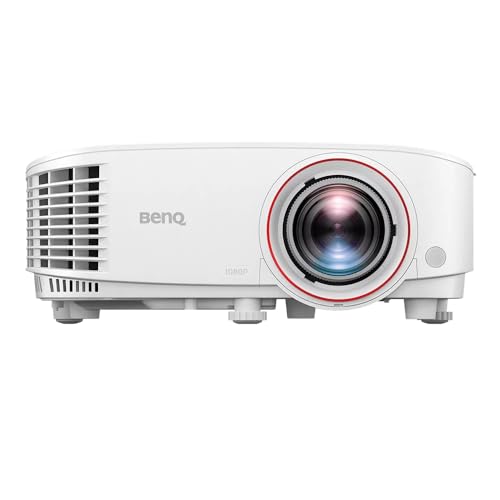
Thinking about the BenQ HT2060? Our honest BenQ HT2060 review covers everyday pros and cons, who it suits, and smarter alternatives if it's not a fit.
A projector earns its place in a home when the whole household can use it without fuss. This benq ht2060 review looks at the model through that lens, covering picture, placement, sound, and running costs for a living room, a bedroom, or a home office. Instead of spec sheet claims, you get the practical questions answered: where it fits, what it needs around it, and what ownership involves over time.
Use the comparison table below to check the headline specs side by side, then read on for the detail behind each one. If you are still deciding whether a projector suits your room at all, our guide to the best projector types explains the main categories first.




BenQ HT2060: Key Specs
The spec sheet matters most where it touches placement and daily use, so read it in this order.
- Resolution: native 1080p, which suits screens of about 80 to 120 inches in most homes.
- Light source: a lamp, so plan for a replacement lamp after several years of regular viewing.
- Brightness: quoted in ANSI lumens, and best judged against your room light, not other rooms.
- Color: coverage aimed at the Rec. 709 standard used by broadcast and streaming HD content.
- Lens: zoom plus vertical lens shift, which gives you placement freedom without moving furniture.
- Connections and sound: HDMI inputs for your sources and a built in speaker for casual viewing.
First Impressions and Build
The case is a plain, boxy unit in a light finish that blends into a shelf or ceiling mount without drawing the eye. That matters in a shared room, where a projector often sits in view all week and only works on movie night. The top panel controls are simple, the remote covers the settings you touch most, and the vents route warm air away from the lens so the image stays stable once the unit warms up.
Build quality feels aimed at steady home duty rather than travel. It is light enough to move between rooms for an event, yet the lens controls have the firm, damped feel you want when you dial in focus once and expect it to stay.
How It Performs in Everyday Home Use
Most home viewing is a mix of streaming shows, sports, family films, and the odd work presentation. The sections below break performance into the four areas your household will notice first.
Picture Quality
At 1080p, sharpness depends more on your screen size and seating distance than on the chip alone. Sit at a distance of roughly one and a half times the screen width and the pixel grid disappears, leaving clean edges on faces, text in menus, and fine detail in darker scenes. Color is the stronger suit here, since accurate color makes skin tones and clothing look natural without constant adjustment. A simple white wall works, though a plain matte screen gives you more even brightness across the frame.
Brightness and HDR
Brightness decides where the projector can live. In a darkened room the image looks punchy at large sizes, while a bright living room with uncovered windows will wash out the darker end of the picture at any size. Curtains or a smaller image are the honest fixes, not a higher brightness mode that lifts fan noise. Check the listing for HDR support, since not every 1080p projector decodes it.
Smart Platform and Apps
Treat the projector as a display first. Your apps live on whatever source you connect, such as a streaming stick, a game console, a laptop, or a disc player, and that source choice shapes your menu speed and app library far more than the projector does. This split has an upside for families: when a streaming device ages or an app drops support, you replace a small stick rather than the projector itself. Check what is actually in the box before you order, because bundled streaming hardware varies by seller and region.
Sound
The built in speaker handles dialogue for news, cartoons, and casual shows at modest volume, and it keeps a bedroom setup free of extra boxes. It will not fill a large living room or give film soundtracks real weight, so plan a soundbar or powered speakers if movies are the main event. Place any external speaker below the screen, not beside the projector, so voices seem to come from the picture.
Features You Will Actually Use
Vertical lens shift is the feature you will thank most, because it lets you raise or lower the image without tilting the unit and distorting the frame. The zoom lens adds a second layer of freedom, letting the projector sit on a shelf you already own instead of at one exact distance. Picture modes earn their keep too: one calm setting for films at night, one brighter setting for sports with the lights partly on, and you rarely need to touch anything else.
Gamers in the house should look at the low input lag modes, which keep button presses and on screen action in sync for casual games. Automatic keystone sounds handy but use it sparingly, because digital correction softens parts of the image; a square physical setup always looks better. A sleep timer and a quiet eco mode round out the list for bedrooms, where fan noise matters more than peak brightness.
Living With It: Setup, Cleaning and Upkeep
Setup is a one afternoon job: place the unit square to the wall or screen, level it, set the image height with lens shift, then focus with a menu screen rather than a moving scene. Leave clear space around the vents and a little room behind for cables, and route the power cord so nobody can snag it in the dark. A ceiling mount gives the cleanest result in a dedicated room, while a sturdy shelf suits renters.
Upkeep is light. Dust the vents with a soft brush, wipe the case with a dry cloth, and keep the lens covered when the unit sits unused for weeks. Never spray cleaner on the lens itself.
What We Like and What We Don't About the BenQ HT2060
- We like: a lamp based design keeps the purchase price well below laser and 4K models.
- We like: lens shift and zoom make placement forgiving in real rooms with real furniture.
- We like: color tuned for HD content looks natural for films, shows, and sports.
- We don't: native 1080p cannot match the fine detail of a 4K model on very large screens.
- We don't: the built in speaker is a starting point, not a home theater solution.
- We don't: streaming relies on an external source, so budget and plan for one.
Is the BenQ HT2060 Right for Your Household?
Families who share one screen for films, shows, and weekend sports get the most from it, since accurate color and flexible placement suit mixed content and mixed seating. It also fits a bedroom that doubles as a second viewing room, where a TV would dominate the wall, and a home office that needs a big shared image for calls and documents by day and films by night. Skip it if your room cannot be darkened at all, or if you sit very close to a screen over 120 inches and expect 4K level detail.
How the BenQ HT2060 Compares
The closest comparisons split by placement style. Ultra short throw laser models sit inches from the wall and cost far more, and you can read a separate hisense px3-pro review to see what that budget buys. Compact lifestyle projectors trade lens controls for built in streaming and easier travel, a balance covered in our hisense c2 ultra review. This model sits between them: a standard throw lamp based unit with proper lens adjustment and no smart platform tax. For a wider shortlist, see the full benq ht2060 alternative roundup.
Price, Deals and Warranty
The HT2060 is an older model, so stock and prices vary by seller. Current 1080p home projectors from major brands list from about $550 to $1,000 or more, with seasonal events such as Prime Big Deal Days and Black Friday bringing the deepest cuts. Before you chase a deal in any benq ht2060 review or listing, confirm the warranty length, who handles service in your country, and whether the lamp is covered for the full term. Keep proof of purchase with the manual, because warranty claims on projectors almost always start with the receipt.
Common Buying Mistakes to Avoid
- Sizing the room wrong: measuring for the screen but forgetting the throw distance the lens needs.
- Ignoring ambient light: expecting a bright image at noon with open curtains and no plan to darken the room.
- Forgetting the extras: leaving the mount, a longer HDMI cable, and a streaming source out of the budget.
- Overbuying features: paying for smart extras you will replace with a streaming stick within a year anyway.
- Skipping the return terms: ordering without checking how returns work if the image size does not suit your wall.
Cost of Ownership and Care
Ongoing costs are modest but not zero. A replacement lamp after several years of regular viewing is the main planned expense, eco mode stretches lamp life and lowers fan noise, and the rest is time spent dusting vents and the shelf it sits on. A surge protector is a cheap safeguard for any ceiling mounted unit. Budget once for the mount or shelf, the cables, and any external speaker, and after that the projector mostly asks for a clean, ventilated spot and gentle handling of the lens.
Your Questions, Answered
How do you clean the BenQ HT2060?
Power the unit down and let it cool fully before you touch it. Brush dust from the vents and intake grilles with a soft, dry brush, working outward so dust does not fall inside. Wipe the case with a dry microfiber cloth. For the lens, use only a blower or a lens tissue made for optics, never household glass cleaner or a paper towel, since coatings scratch easily and a scratched lens cannot be repaired at home.
What is a cheaper alternative to the BenQ HT2060?
Cheaper paths trade away lens shift first, then brightness and color accuracy. A basic 1080p lamp based model costs less up front with similar lamp costs later, while a smaller portable LED unit suits occasional use in a bedroom. If your seating sits close to the screen, keep 1080p and give up size instead. The savings only make sense if your room is dark and your screen stays under about 100 inches.
How long does the BenQ HT2060 last?
The lamp is the part that wears first, and eco mode stretches its life, so a household watching a few hours most evenings should plan on one replacement lamp over the years. Fans, dust buildup, and aging streaming sources usually matter next. Clean vents, honest ventilation, and a surge protector do more for lifespan than any setting. Expect the projector to outlast at least one generation of the streaming device feeding it.
What are common BenQ HT2060 problems?
Most reported complaints trace back to setup rather than defects: a soft corner from a unit that is not square to the screen, washed out color from uncontrolled room light, or fan noise that grows as dust builds in the vents. Rainbow artifacts can bother a small share of viewers with any single chip DLP design, so sensitive viewers should try one in person where possible. Dead pixels and focus drift after warm up are warranty matters, not normal behavior.
Is the BenQ HT2060 worth it?
It is worth it when your room can go reasonably dark, your screen lands in the 80 to 120 inch range, and you value low upkeep over smart features. The value case rests on total cost: flexible placement, and a source device you can upgrade cheaply, with a replacement lamp as the one planned cost. If you mostly watch in daylight or want a fully self contained smart unit, the same money serves you better elsewhere.
The Bottom Line
Judged as shared family hardware rather than a spec sheet trophy, the strengths line up well: natural HD color, forgiving placement, and predictable running costs. Weigh those against the product table above, check your room light honestly, and the right call becomes clear. For households that want a big, calm picture for films, sports, and shows, benq ht2060 review verdicts will keep landing in the same place: a sensible, durable choice.


