
Atmos vs Non Atmos: Which One Fits Your Home Better? (2026)
Disclosure: We may earn a commission when you buy through links on this page, at no extra cost to you. As an Amazon Associate I earn from qualifying purchases. Learn more

Atmos vs Non Atmos: see how they differ in everyday use, features and value, and which one makes more sense for your home and budget.
Picture a rainy Friday night at home. The kids are on the couch, a big bowl of popcorn is going around, and the storm scene in your movie sounds flat and boxed in through the TV speakers. Choosing between atmos vs non atmos soundbars decides whether that rain stays in front of you or seems to fall all around the room. Neither choice is right for every household, so this guide compares the two formats by room, by who is watching, and by budget.
Below you will find a plain side by side look at how each format handles sound, dialogue, setup, connections, and cost. The comparison table below gives you the short version first, and the sections after it explain what those differences feel like during normal family viewing, from morning news to weekend movies.


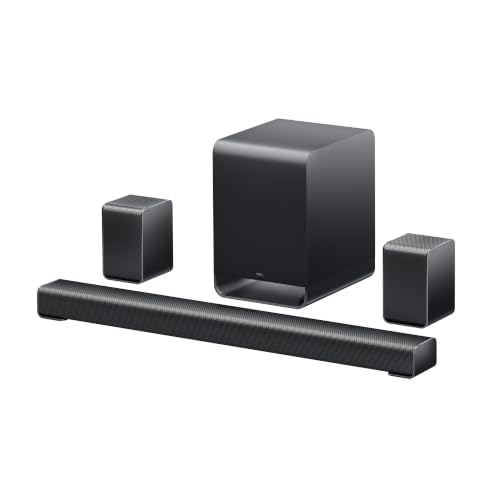
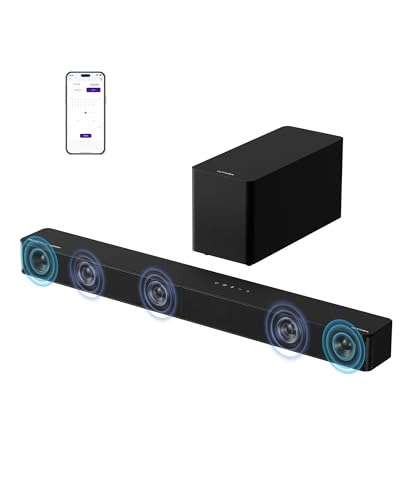

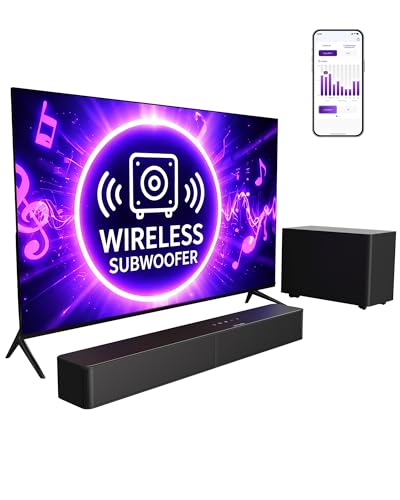
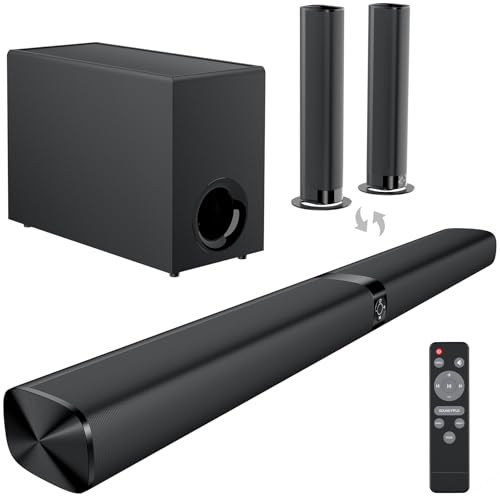
Atmos vs Non Atmos at a Glance
The table sums up the whole comparison in a few lines. If you only read one section before shopping, make it this one, then use the rest of the guide to check the points that matter most in your home.
| Criterion | Atmos | Non Atmos | Winner |
|---|---|---|---|
| Sound dimension | Height effects from above you | Sound stays at the front | Atmos |
| Dialogue tools | Center channel and voice modes are common | Basic tone controls on most models | Atmos |
| Setup effort | Needs the right port and placement | Often one cable and done | Non Atmos |
| Typical price | Starts higher, often about $300 | Wide range from about $100 | Non Atmos |
| Best suited to | Movies and newer streaming shows | News, sports, and everyday TV | Tie |
Meet the Contenders: Atmos and Non Atmos
Atmos overview
An Atmos soundbar plays Dolby Atmos, an object based audio format that places individual sounds in space rather than locking them to fixed channels. Along with the usual front and surround information, an Atmos track carries height information, so a helicopter can pass overhead and rain can seem to fall from the ceiling down. Soundbars create that effect either with up firing drivers that bounce sound off the ceiling or with processing that simulates height from front drivers. If you want to see what the premium end of this format looks like in a living room, our sonos arc ultra review walks through one flagship example in detail.
Non Atmos overview
A Non Atmos soundbar covers the formats most TV viewing still uses: stereo, Dolby Digital, and surround mixes that spread sound across the front and sides of the room without any height layer. That covers a huge share of daily watching, including broadcast channels, sports, talk shows, and older movies. These bars tend to be simpler machines with fewer drivers, fewer settings, and a lower price. A plain TV speaker style bar is the most basic version of this idea, and our bose tv speaker review shows what that simplest category offers if clear, no fuss TV sound is all you need.
Head to Head: Where They Really Differ
Sound Quality: Atmos vs Non Atmos
The clearest gap shows up in busy movie scenes. An Atmos bar adds a vertical layer to the soundstage, so effects move above and around you while the front stage stays wide, and action feels closer to what a cinema presents. A Non Atmos bar can still sound full and wide, especially with a separate subwoofer adding weight to explosions and music, but every effect stays on one flat plane in front of the couch. Room shape shapes the Atmos result, though. Reflected height sound works best with a flat ceiling about 8 to 14 feet high, and vaulted or very high ceilings weaken the effect a lot.
Dialogue Clarity: Atmos vs Non Atmos
Most Atmos bars include a dedicated center channel that anchors speech to the screen, plus voice enhancement modes that lift the frequencies where conversation sits. That helps on movie night when effects and music compete with whispered lines. Many Non Atmos bars handle dialogue well too, but stereo models mix voices into the same drivers as everything else, so clarity depends more on the recording. One practical feature to look for on either side is a night mode. It compresses loud peaks so you can keep the volume low after the kids are asleep and still follow every word without reaching for the remote.
Ease of Setup: Atmos vs Non Atmos
A Non Atmos bar is usually the easier install. An optical cable from the TV, power, and you are done, and it works happily with older televisions. An Atmos bar asks for a bit more. It needs an HDMI eARC port for full quality Atmos from streaming apps and disc players, and you may need to open the TV sound menu and set output to passthrough so the format reaches the bar unchanged. Placement matters as well, because up firing drivers need a clear path to the ceiling, so a bar tucked inside a cabinet with a shelf above it cannot do its main trick. Check the label printed next to your HDMI ports before you buy, since ARC and eARC look identical on the cable.
Connectivity: Atmos vs Non Atmos
Atmos bars usually carry the longer connection list. Along with eARC you often get WiFi streaming for music services, Bluetooth, voice assistant support, and one or more extra HDMI inputs. That extra input matters more than it sounds, because plugging a streaming box or game console straight into the bar guarantees the Atmos signal arrives intact even when an older TV cannot pass it through. Non Atmos bars keep things lean with Bluetooth and an optical or HDMI ARC connection, which is honestly enough for a bedroom TV or a home office screen. If the bar will double as your main music speaker in the living room, WiFi streaming is the one upgrade worth insisting on.
Value: Atmos vs Non Atmos
Value here means what each extra dollar actually buys you. Stepping up to Atmos pays for height drivers, a real center channel, and often extras like room calibration, expandable wireless rear speakers, and a wireless subwoofer that you can place where it sounds best instead of where the cable reaches. A Non Atmos bar puts its smaller budget into the basics, meaning bigger front drivers and simpler, more reliable controls that everyone in the house can use without a manual. If your viewing is mostly news, sports, and sitcoms, the Atmos premium buys features your content rarely uses, and the simpler bar is the smarter spend even though it costs less.
Price and value
Expect most Non Atmos bars to fall between about $80 and $250, while Atmos models generally run from about $250 to $900 or more once a subwoofer and rear speakers join the package. Think about total cost of ownership too. An Atmos setup may add a longer HDMI cable, a wall mount that holds the bar clear of the TV edge, or a matching subwoofer later, and each add on nudges the real price up. Neither format needs a subscription, which keeps yearly ownership cost at zero for both. Set your ceiling price before you shop, because the step from a good basic bar to a full Atmos system is the biggest single jump in this whole category.
Our Recommendation for Your Home
Pick Atmos if…
Choose Atmos if family movie nights are a regular event, your streaming services carry a good library of Atmos movies and shows, and your TV has an eARC port ready. It also suits a living room with a flat ceiling at a normal height, where the height effect can actually land. Space is not a deal breaker, since compact Atmos bars exist for smaller rooms; our sonos beam gen 2 review covers one small footprint option and how it handles a modest sized room. Just confirm your ceiling and seating distance suit the format before paying the premium.
Pick Non Atmos if…
Choose Non Atmos if your screen time is mostly news, sports, talk shows, and everyday series, or if the bar is headed for a bedroom, a guest room, or a home office where a simple setup matters more than drama. It is also the safer pick for an older TV with only an optical output, and for households where several people of different ages share one remote and want sound that just works. You still get a large step up from built in TV speakers, which is the improvement most people notice every single day.
Not Sold on Either? One More Option
If neither format feels right, the third route is a receiver based home theater setup with separate speakers placed around the room. It delivers the most flexible and powerful sound of all, but it asks for much more space, wiring, and money, and it rarely suits a tidy family living room. For most households the smarter move is to compare every bar format side by side in our guide to the best soundbar, weigh the two formats above against your room, and pick the one that matches how your family actually watches.
Your Questions, Answered
Which lasts longer, an Atmos soundbar or a Non Atmos soundbar?
The speakers themselves age at about the same rate, and either type should serve for roughly 5 to 10 years of daily use. What ages fastest is the software and connection side, since streaming apps and HDMI standards keep moving. An Atmos bar with an extra HDMI input gives you a workaround when a newer streaming box appears, because you can plug it straight into the bar. A simpler Non Atmos bar has fewer features to go out of date, so both formats stay useful for a long time in different ways.
Which is easier to clean, an Atmos soundbar or a Non Atmos soundbar?
A Non Atmos bar usually wins here because its top surface is flat and simple to wipe down. Up firing drivers on an Atmos bar face the ceiling and quietly collect dust in their angled openings, and dust buildup can muffle the height effect over time. Clean either bar with a dry microfiber cloth, use a soft dry brush on fabric grilles, and never spray cleaner directly onto the bar. A quick wipe every few weeks keeps the sound and the finish in good shape.
What is the main difference between Atmos and Non Atmos?
The main difference is height information. An Atmos soundtrack treats sounds as objects that can sit anywhere in space, including above your head, while a Non Atmos mix assigns sound to fixed channels at ear level around the front and sides. One detail many shoppers miss is that the source has to carry an Atmos track in the first place. Look for the Atmos label inside your streaming app on the title page, because a regular stereo or surround stream gives an Atmos bar nothing extra to work with.
Is Atmos better than Non Atmos?
Atmos is better only when your content, your TV, and your room all support it at the same time. A household that streams mostly broadcast style shows will hear little difference, while a movie loving family with an eARC equipped TV and a flat ceiling gains a clear step up in immersion. Before paying extra, check whether your favorite apps offer Atmos on the plan you actually pay for, because some services reserve it for higher tiers. That single check settles the atmos or non atmos question for many homes.
The Bottom Line
Both formats beat TV speakers by a wide margin, so the real question is how your household watches. Atmos earns its premium for movie fans with the right room and TV, while Non Atmos delivers clear, simple, everyday sound for less money and less setup effort. Compare your shortlist against the product table above, match the format to your ceiling, your TV ports, and your weekly viewing, and the atmos vs non atmos decision makes itself.


