AstroAI L7 Review (2026): Is It Worth the Money?
Disclosure: We may earn a commission when you buy through links on this page, at no extra cost to you. As an Amazon Associate I earn from qualifying purchases. Learn more
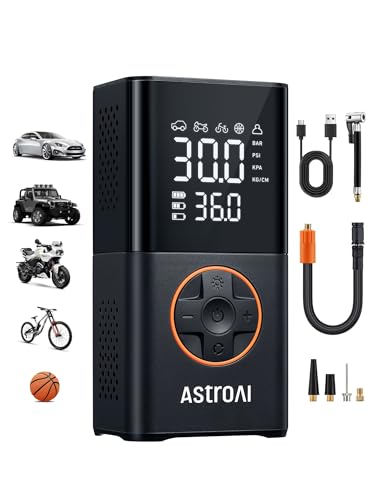
Our AstroAI L7 review covers performance, design, cleaning, pros and cons, and who should buy it. Plus the best alternatives and where to get the best price.
This astroai l7 review takes a practical approach to a small portable tire inflator. Instead of repeating marketing claims, it walks through the specs that decide whether a compact inflator suits your car, your storage space, and your habits. You will find what to check on the maker listing, which design details matter at the roadside, and where a unit in this class reaches its limits.
A compact inflator earns its keep in small moments. Tire pressure drops as the weather cools, a slow leak shows up before a trip, or a bike tire needs air in the garage. If you are comparing this class broadly, our guide to the best portable tire inflator covers the full field, and the comparison table below sums up how this type stacks up.
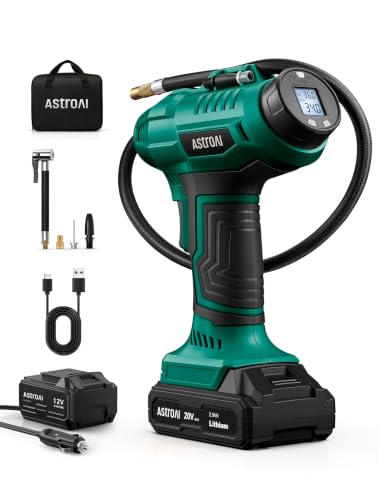
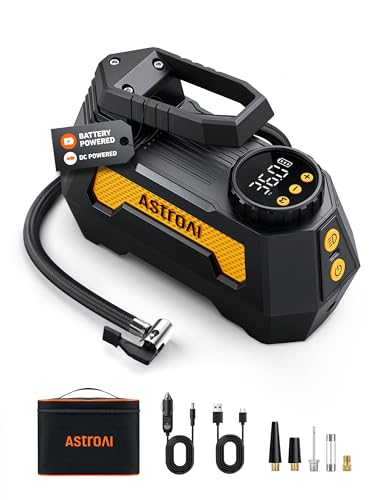
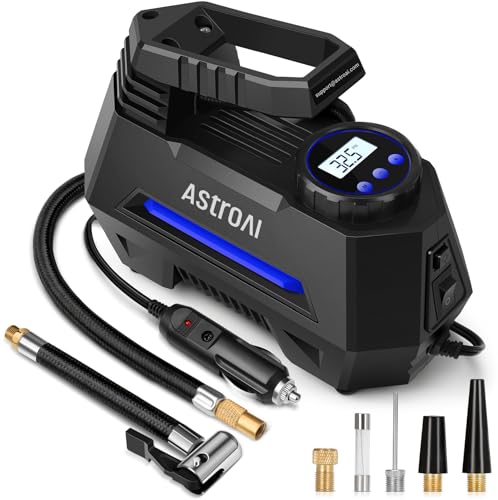

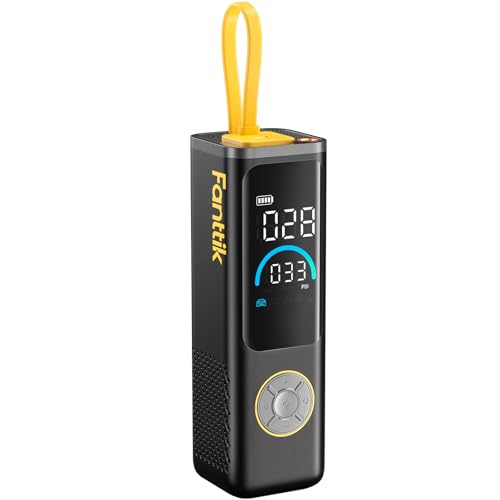
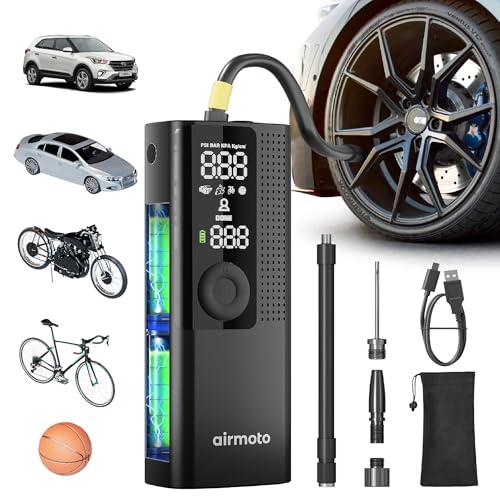
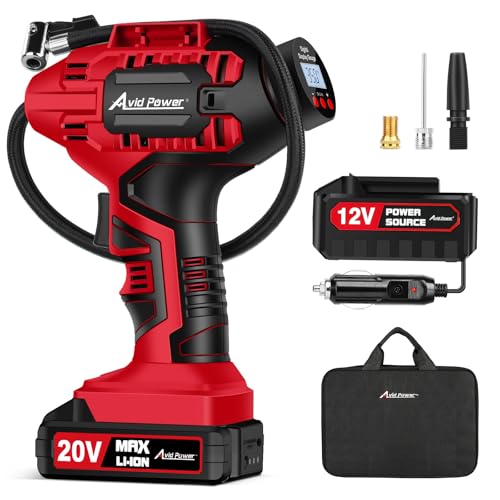
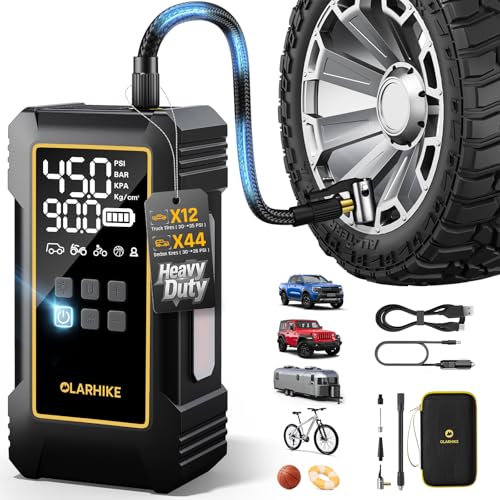

What This AstroAI L7 Review Checks First: Specs at a Glance
Start with the pressure range. Most car tires run at the pressure printed on the driver door placard, often near 30 to 35 psi, so a compact inflator should reach that level with room to spare. A higher maximum rating matters less than steady delivery at car tire pressures. Also check the stated continuous run time, since small motors heat up as they work.
Next, confirm the power source and box contents. Units in this class draw power from a vehicle outlet or a built in battery, and each choice changes how you can use it. Note the cord length, adapters, gauge type, and warranty length. Those items tell you more than any headline number.
Design and Build Quality
A portable inflator lives in a trunk or a garage shelf, and it gets knocked around between uses. A tough shell matters, but the details matter more. Look for a hose that stores neatly instead of dangling loose, a cord that tucks away, and buttons you can press with cold or gloved fingers. A unit that stores as one tidy bundle is far more likely to be in the car when you need it.
Weight and footprint matter too. A compact body fits under a seat or beside a spare tire, which suits drivers with small cargo areas. The display should sit where you can read it while crouched beside a tire, and the casing should feel solid at the seams. Photos and stated dimensions on the listing reveal most of this before you order.
Performance Factors That Matter
Compatibility With Your Vehicle
Check that the chuck fits a standard Schrader valve, the type used on nearly all car and truck tires. Then match the inflator to your full set of jobs. Bicycle tires with Presta valves need an adapter, sports balls need a needle, and inflatables need a wide nozzle. If the kit includes those pieces, one tool covers the whole household. Also confirm the rating covers a compact spare, which often needs much higher pressure than a regular tire.
Inflation Speed and Pressure Control
Small inflators trade speed for size, and that trade is usually fine for topping off. Adding a few pounds of pressure to each tire is a short job, while filling a fully flat tire takes far longer and pushes a small motor hard. Pressure control matters more than raw speed. A gauge you trust and a motor that stops near your target protect you from overshooting, which wears tread unevenly.
Ease of Use in Real Conditions
Most inflation happens in poor light, cold air, or a parking lot at night. A backlit display, a built in light, and simple controls earn real value then. Think about reach as well. The hose and cord must run from the power source to all four tires without dragging the unit through dirt. A chuck that locks on with one hand leaves your other hand free to steady the hose.
Durability Over Time
Heat is the main enemy of a small compressor. Short jobs with rest breaks between tires keep temperatures safe, while one long run to fill a large tire strains the motor. Clear vent slots, a hose that resists kinks, and strain relief where the cord meets the body all point to a longer life. Treat the stated duty cycle as a real limit.
Key Features to Compare
Automatic Shutoff and Preset Pressure
With preset control, you set the target pressure, start the motor, and the unit stops on its own when the tire reaches that number. This removes the stop and check cycle that makes a basic gauge model slow to use. It also helps when front and rear tires call for different pressures, since you reset the target rather than watching a needle. Shared with a partner or teen driver, preset control makes correct results far more likely.
Power Source Options
A corded unit drawing from the vehicle never runs out of charge, and it works after months of storage without upkeep. A battery unit frees you from the cord and can inflate bike tires or sports gear far from the car, but it needs charging now and then to stay ready. Drivers who only air up car tires tend to do well with vehicle power, while households with bikes, strollers, and yard gear often get more from a battery model.
Gauge and Display Readability
A digital display shows pressure in clear numbers and often lets you switch units between psi, bar, and kPa, which helps if you own gear rated in different units. An analog dial never needs power, though it is harder to read in low light and easier to misjudge by a pound or two. Verify either type once against a handheld gauge you trust. If both readings agree within a pound, you can rely on the built in display from then on.
Adapters and Hose Reach
The adapter set decides how much of your garage this one tool can serve. A needle covers balls, tapered nozzles cover air mattresses and pool gear, and a Presta adapter covers many road bikes. Hose reach matters just as much. A short hose forces you to hold the unit in the air while it runs, which adds noise beside your ear. A hose that lets it sit flat on the ground keeps the chuck seated on the valve.
Ease of Use, Cleaning and Maintenance
Using a compact inflator well comes down to a calm routine. Park on level ground, check the placard pressure while the tires are cold, connect the chuck until it seats, set your target, and let the motor run. Work tire to tire with short pauses, and rest the unit if the casing feels hot.
Cleaning takes almost no effort. Let the unit cool fully, then wipe the shell and hose with a dry or slightly damp cloth. Never immerse it in water, and keep vents clear of dust and trunk debris. Store the adapters in their slots, coil the cord without tight bends, and keep the inflator dry. If it runs on a battery, top up the charge every few months in storage.
Strengths and Tradeoffs to Weigh
- In its favor: a compact body stores in the car full time, so help is always on hand.
- In its favor: preset pressure and auto stop make correct inflation simple for any driver.
- In its favor: one adapter kit covers tires, bikes, balls, and common inflatables.
- Tradeoff: small motors fill slowly and need rest breaks on large or fully flat tires.
- Tradeoff: battery versions demand routine charging, while corded versions tie you to the vehicle.
Who Should Buy This Kind of Inflator, and Who Should Skip It
Daily drivers who want to handle a low tire warning at home instead of hunting for a working air pump at a fuel station are the core audience. Correct pressure supports even tread wear and steady fuel use, and a home unit makes the monthly check painless. Apartment dwellers with no garage also benefit, since the small body stores in the car.
Households with bikes, scooters, and sports gear get extra value from the adapter kit, and new drivers gain a simple safety tool with a clear routine. Skip this class if you run large truck or trailer tires often, fill tires many times a week, or need fast fills for a small fleet. Those jobs call for a larger compressor with a bigger motor and a longer duty cycle.
How It Compares With Other Approaches
Within the compact class, models differ mainly in power source, speed, and how rugged the hose and chuck feel. If you want a corded unit built around vehicle power, the viair 88p review looks at that style in depth. If your garage runs on a cordless tool platform, the ryobi p737d review covers an inflator shaped around that idea. Match the style to where you will actually use the tool.
Where to Buy and What Price to Expect
Compact portable inflators in this class commonly sell for about $25 to $60, with battery models toward the upper end of that range. Prices and availability can change, so check the product page before ordering, and confirm the listing shows the full adapter set and warranty terms. A clear listing beats a steep discount on a vague one.
FAQ
Is the AstroAI L7 worth it for a car owner?
It can be, if you top off your tires a few times a year. Cold snaps alone can drop pressure enough to trigger a dashboard warning, and each avoided trip to a fuel station saves time. The value grows if the unit also serves bikes or sports gear at home. If you already own a compressor, a compact unit adds little beyond trunk convenience.
Can the AstroAI L7 inflate a completely flat tire?
A compact inflator can usually raise a flat tire that still holds air, but expect a long run and at least one rest break to protect the motor. A tire flat from a puncture will lose air again, so treat the fill as a way to reach a repair shop slowly and safely. If the tire rolled on the rim while flat, have a professional inspect it first.
What problems should owners watch for with a compact inflator?
The common issues are a chuck that no longer seals tightly, a hose that cracks near its fittings, and readings that drift as the unit ages. Catch all three early with a quick monthly routine. Run the unit on one tire, compare its reading with a handheld gauge, and flex the hose gently while you look for cracks. Storing the hose without sharp bends prevents most of these problems.
How long does a compact portable inflator last?
With light home use, a unit in this class can last for years, because topping off tires is gentle work when you respect the rest breaks. Storage habits decide much of the outcome. A trunk that bakes in summer heat ages batteries and hoses faster than a cool garage shelf, so bring a battery model indoors during extreme heat. If the motor sounds strained on short jobs, plan a replacement.
How do you clean the AstroAI L7?
Unplug it or switch it off, let it cool, and wipe the shell, hose, and cord with a dry cloth. For sticky grime, use a cloth dampened with water only, and dry every part before storing it. Keep water away from the vents, display, and power connections, and never spray the unit with a hose. A soft brush clears grit from the vents and chuck threads, which helps the chuck seal on the valve.
What is a cheaper alternative to a compact powered inflator?
A basic model powered from the vehicle outlet, with a dial gauge and no presets, costs less and still handles car tires well. For bikes only, a good floor pump costs even less and never needs power. What you give up is ease, since you watch the gauge yourself and stop the motor by hand. If you inflate often, preset control is the feature most worth paying for.
Final Thoughts
A small inflator is a simple tool with an outsized effect on peace of mind, as long as its specs match your tires and your habits. Weigh the pressure rating, power source, gauge, and adapter set against the jobs you actually do, and let the product table above guide the side by side details. Judged so, this astroai l7 review points to a clear answer: buy the compact class for routine top offs and roadside readiness, and look larger only if your workload demands it.