
Are Knife Sets Worth It? The Honest Answer (2026)
Disclosure: We may earn a commission when you buy through links on this page, at no extra cost to you. As an Amazon Associate I earn from qualifying purchases. Learn more
Are Knife Sets Worth It? Here's the Honest Answer? A clear, practical answer with the key facts, pros and cons and what it means for your home.
A boxed knife set looks like the easiest way to stock a kitchen, and the low price per knife makes the deal feel obvious. But are knife sets worth it for your home depends on how many people you cook for, how much counter room you can spare, and whether you will actually use every piece in the block. This guide gives you the honest answer for everyday households, and the comparison table below sums up the main trade offs before we walk through them in detail.
The short version is that a set earns its money when it replaces guesswork for a household that cooks most days and starts with few decent knives. It wastes money when half the pieces sit untouched while one or two knives do all the work. Everything below is about telling those two situations apart before you spend anything.

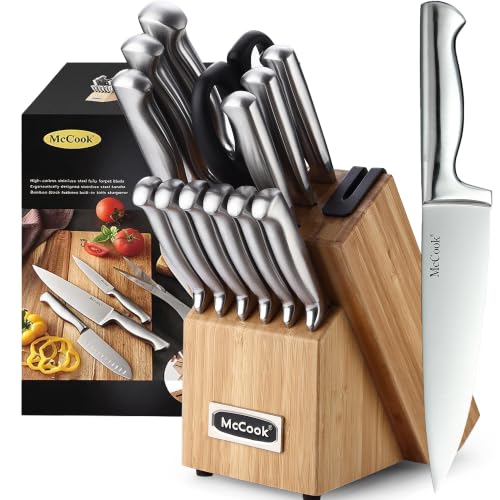
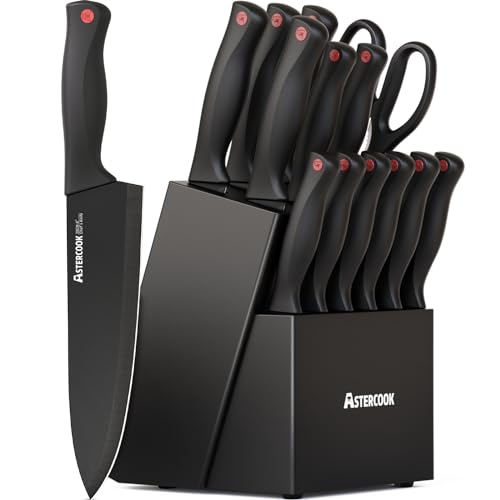
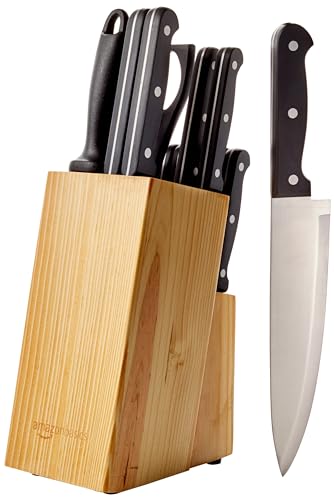

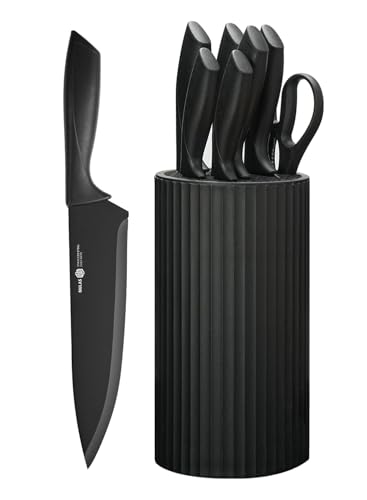
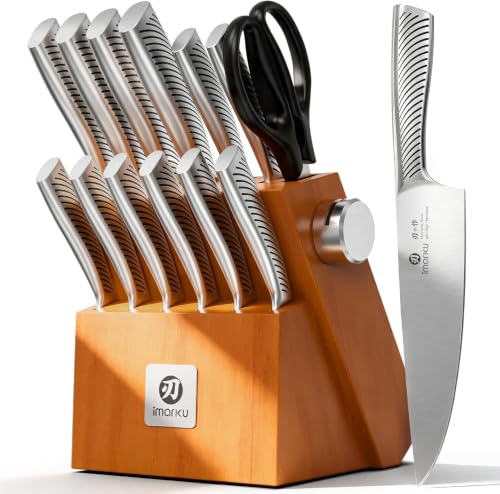
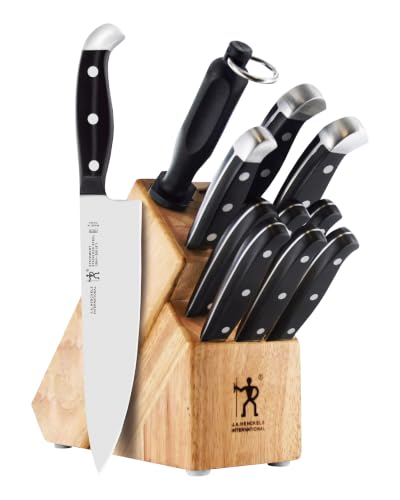
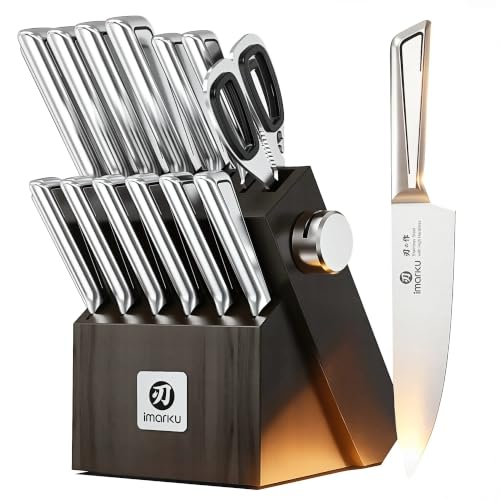
The Short Answer
For most homes, a knife set is worth it if you are building a kitchen from near zero, cooking for two to six people, and you want one purchase that covers daily prep without a lot of research. A set gives you the core knives, a storage block, and usually shears and steak knives in a single box, and the cost per piece is hard to beat when the same items are bought one at a time.
A set is not worth it when you already own a good chef knife you enjoy using, when your counter space is tight enough that a block becomes clutter, or when you cook a narrow range of meals and reach for the same knife every time. In those cases your money works harder spent on one or two individual knives chosen for your hands and your habits. If you decide a set fits your home, our guide to the best knife set compares the main options by household size and budget.
The Pros of Buying a Knife Set
The strongest argument is simple coverage. One purchase puts a chef knife, a bread knife, utility and paring knives, shears, and table knives in the drawer or block on day one, so no recipe stops midway because a basic tool is missing. For a new household, that completeness removes a lot of small decisions and small extra orders.
- Lower cost per knife. Sets are priced as bundles, so the per piece cost usually lands well below buying comparable knives one by one.
- Storage is solved. The block or tray keeps blades covered, edges protected, and knives visible, which matters in busy family kitchens where loose knives in a drawer get damaged and are a hazard to reach into.
- One look for the whole kitchen. Matching handles suit open shelves and visible counters, and a single style makes a set an easy wedding or housewarming gift.
- One warranty and one maker. If a handle loosens or a blade chips early, you deal with a single company instead of tracking receipts for separate purchases.
There is also a quieter benefit for shared households. When everyone in the home cooks with the same set, nobody guards a personal favorite knife, and a dull or damaged piece is easy to spot because the full set has a known place. Families teaching teenagers to cook often like that predictability, since each knife has a clear slot and a clear job.
The Cons of Buying a Knife Set
The flip side is filler. Many sets pad the piece count with items a typical home rarely touches, such as a second small utility knife, a boning knife, or six steak knives in a household that eats steak twice a month. You pay for those pieces, store them, and clean around them, even when they add nothing to your weeknight cooking.
- Even quality across unequal needs. Every knife in a set shares the same steel and price point, yet your chef knife does most of the work and deserves the largest share of the budget.
- The block claims counter space. A full block can take up a noticeable footprint in a small kitchen, and it fixes your storage in one spot whether that spot suits your layout or not.
- Matching is fragile. Lose or damage one knife a few years later and an exact replacement in the same style may no longer be sold, leaving a gap in the block.
- Sets can outgrow you. As your skills and tastes sharpen, you may want one better knife, and the set gives you no credit toward that upgrade.
None of these points makes a set a bad buy on its own. They matter most when the set is large. A compact set of six to ten pieces keeps the pros and trims most of the cons, while a sprawling twenty piece block is where waste and clutter usually creep in.
Cost Breakdown: Upfront and Running Costs
Upfront, most family sets fall between about $60 and $300. Budget sets under about $100 cover the basics with lighter blades and simpler handles. The middle band, about $100 to $300, is where blade steel, balance, and handle comfort usually improve in ways you feel during a week of chopping onions and slicing roasts. Above that, you often pay for looks, brand, and extra pieces more than for cutting performance a home cook will notice.
Running costs are modest but real. Plan on a honing steel or a pull through sharpener at about $15 to $30, unless the set includes one. Professional sharpening, if you prefer it, runs about $5 to $10 per knife, and most homes only need the main two or three knives done once or twice a year. A replacement block or an in drawer tray, if your storage needs change, adds about $20 to $50.
Spread over the life of the set, the math favors buying once and buying sensibly. A set that serves a family for eight to ten years at about $150 upfront plus light upkeep costs far less per year than replacing a cheap set every two or three years. The expensive mistake is not the price tag itself, it is paying for fifteen pieces when your cooking only calls for six.
Who Should (and Should Not) Buy a Knife Set
New households and first kitchens
If you are furnishing a first apartment, setting up after a move, or replacing a drawer of mismatched knives, a set is the most practical route. You get full coverage in one order, storage included, and your budget goes to the kitchen as a whole rather than to weeks of comparing single knives. Choose a modest piece count and put the savings toward a good cutting board.
Families who cook most days
Homes cooking dinner five or six nights a week for three or more people genuinely use a wider range of knives. A bread knife earns its slot with school lunches, steak knives come out for family meals, and shears handle packaging and herbs daily. For this group, the bundle price usually beats piece by piece buying within the first year of use.
Cooks who already own a good core
If your drawer already holds a chef knife, a paring knife, and a serrated knife you like, a full set mostly duplicates what you own. Skip it. Add single pieces only where a real gap shows up in your cooking, and spend the difference on keeping your current knives sharp. The same advice holds for very small kitchens, where a block on the counter costs more in lost workspace than the bundle saves in money.
Alternatives to Consider
The main alternative is building a small core set piece by piece. Buy a chef knife that fits your hand, a paring knife, and a serrated bread knife, then add tools only as your cooking demands them. This route costs more per knife but puts the largest share of the budget into the blade you use for most tasks, and nothing in your drawer is filler. Our companion piece on what knives do i really need walks through the daily tasks that decide which pieces make that core list.
A middle path is a small set plus open stock additions. Start with a compact block of the essentials, then buy single specialty knives, such as a fillet knife for a household that cooks a lot of fish, as the need proves itself. Wall mounted magnetic strips and in drawer trays also free you from the block, letting renters and small kitchens keep a set worth of knives without giving up counter room.
Your Questions, Answered
What knives does a typical home actually reach for every week?
Most weeknight cooking runs on three knives: a chef knife for produce and proteins, a paring knife for small in hand work, and a serrated knife for bread and tomatoes. Shears get used far more than expected, from opening packaging to trimming herbs. Everything beyond that core earns its place only when a household habit calls for it, such as steak knives for regular grilled dinners or a long slicing knife for holiday roasts.
How should kitchen knives be stored in a small kitchen?
An in drawer tray with individual slots is usually the best small kitchen answer, because it protects edges and uses space that already exists. A magnetic wall strip is the other strong option near the prep area, as long as it is mounted where children cannot reach. Whichever route you choose, keep blades dry before storing them, since trapped moisture in a closed slot is what stains and pits steel over time. Our full guide on how to store kitchen knives compares each option by kitchen layout.
How often do the knives in a set need sharpening?
For a family cooking most days, the chef knife usually needs real sharpening two or three times a year, while lightly used pieces may go a full year. A useful home check is slicing a ripe tomato: if the blade skids on the skin instead of biting in, the edge needs work. Technique matters as much as the tool, and our step by step guide on how to sharpen kitchen knives covers whetstone and pull through methods for home cooks.
Can the knives from a set go in the dishwasher?
They can survive it, but they age faster if they do. Dishwasher detergent is harsh, the heat is hard on handles, and blades knock against racks and other utensils, which dulls edges and can chip thin tips. Hand washing takes under a minute per knife and is the single easiest habit for making a set last. If dishwasher loading is a priority in your home, weigh that honestly, because it argues for a lower priced set you will not mind replacing sooner.
How long should a decent knife set last in a family kitchen?
A mid priced set that is washed by hand and sharpened on schedule commonly serves a family for eight to twelve years. The first parts to show age are usually the handles and the block finish, not the blades, so storing the block away from the steam of a kettle or dishwasher vent slows that wear. When one heavily used knife finally wears out, replacing that single piece keeps the rest of the set in service.
Wrapping Up
So, are knife sets worth it? For a household starting from scratch, cooking often, and short on time for research, yes: a right sized set is the cheapest simple route to a complete, safely stored kitchen. For a cook with a trusted core of knives or a counter with no room to spare, the same money does more work spent one knife at a time. Check the product table above against your household size and your counter space, and let those two facts, not the piece count on the box, make the decision.


