Aquasana vs Pelican Whole House Water Filters: Which Is Better in 2026?
Disclosure: We may earn a commission when you buy through links on this page, at no extra cost to you. As an Amazon Associate I earn from qualifying purchases. Learn more

Aquasana vs Pelican whole house water filters: we compare the key differences, pros and cons side by side so you can decide which one is right for you.
If you are weighing aquasana vs pelican whole house water filter options for your home, here is the quick answer. Choose Aquasana if broad filtration is your main goal and you want a system built around carbon media that targets chlorine taste and odor plus other common city water concerns. Choose Pelican if scale control without salt is your main goal and you want conditioning paired with basic filtration and simpler routine upkeep. The comparison table below sums up where each brand puts its effort.
Both brands treat water at the point where it enters your home, so every tap, shower, and appliance receives treated water. They simply solve different problems first, and that difference should drive your choice more than brand loyalty. If you are still mapping out the category itself, our guide to the best whole house water filter options explains the main system types before you commit to either name.

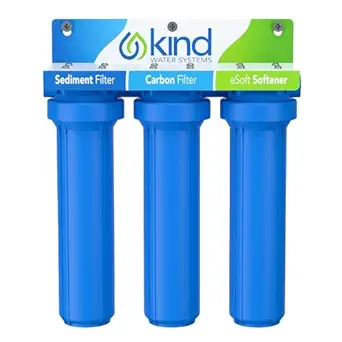
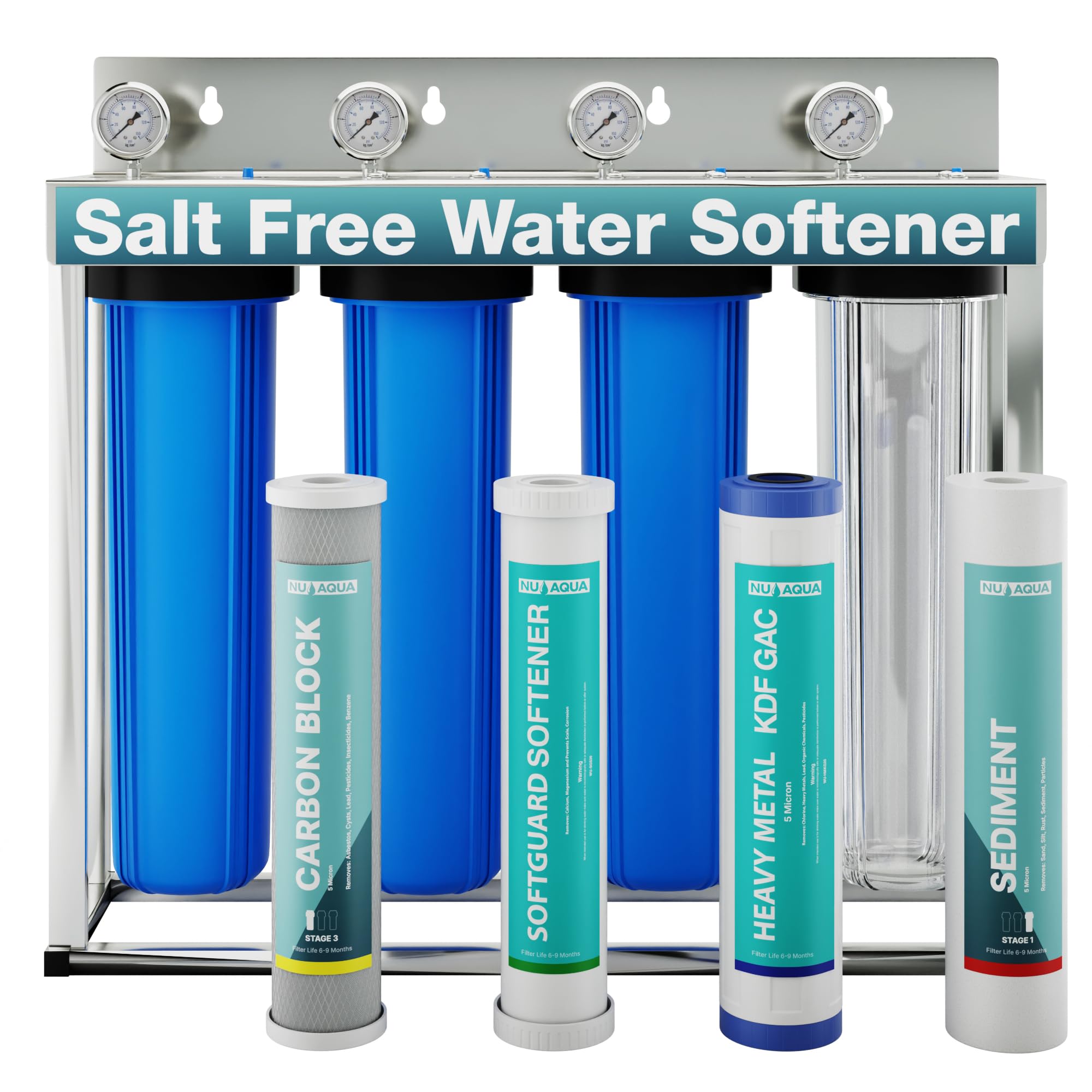
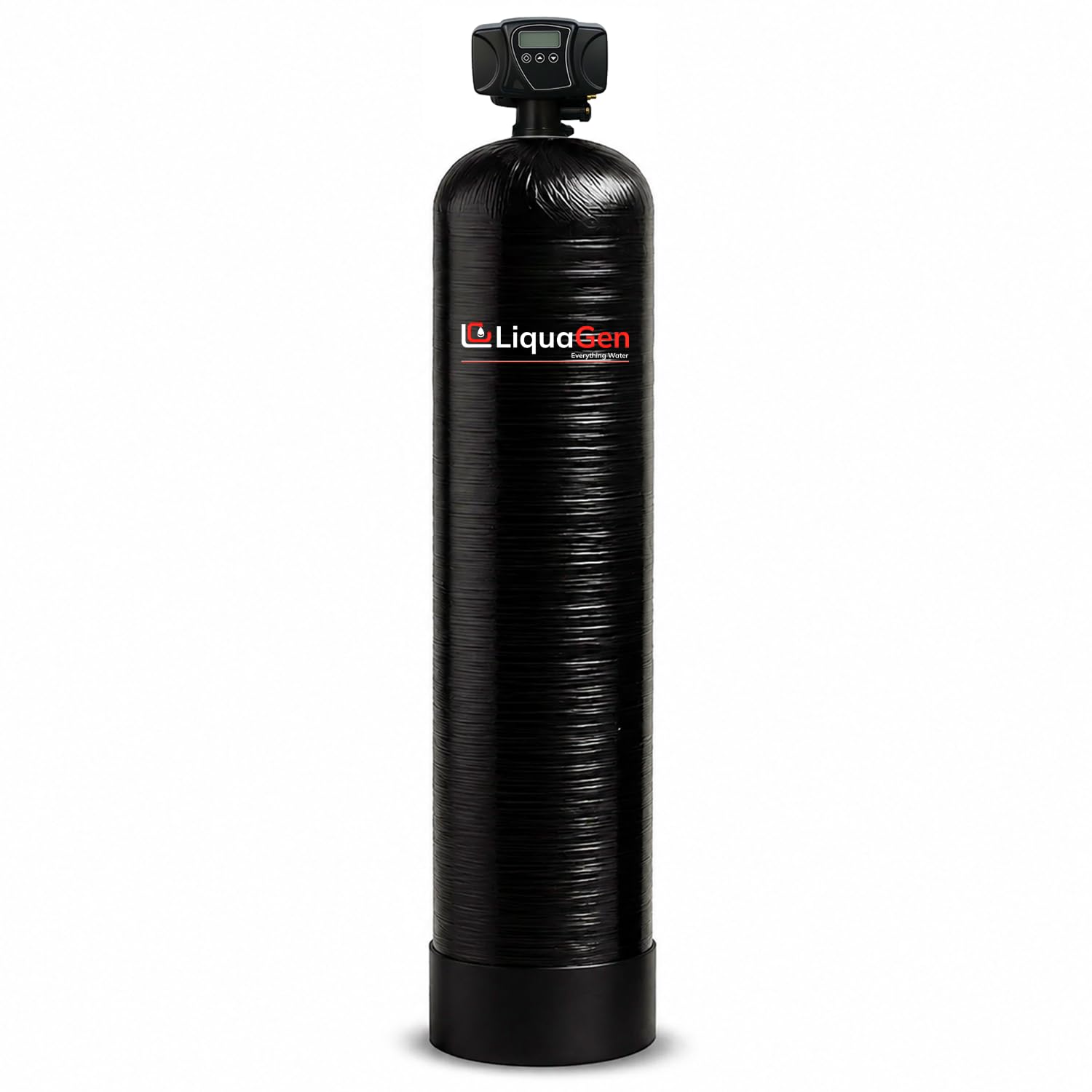


Aquasana vs Pelican Whole House Water Filters: Comparison Table
The table below condenses this aquasana vs pelican whole house water filter comparison into the points that matter most at purchase time. Read it as a guide to priorities rather than a scorecard, since a strength in one row only helps you if it matches the water problem you actually have at home.
| Criterion | Aquasana | Pelican | Edge |
| Main focus | Filtration of chlorine and common contaminants | Salt free conditioning for scale plus carbon filtration | Depends on your water |
| Scale control | Optional add on stage | Core part of most systems | Pelican |
| Routine upkeep | Pre filter changes plus tank media replacement | Pre filter changes plus media replacement on a longer cycle | Pelican |
| Drain or power needs | Depends on added stages such as UV | Core conditioning usually needs neither | Pelican |
| Best fit | City water where taste and odor bother you | Hard water homes focused on scale | Tie |
Notice that neither column wins every row. That pattern is the real story of this matchup, and the sections below explain how each row plays out in daily use.
What Is Aquasana? What Is Pelican?
Aquasana overview
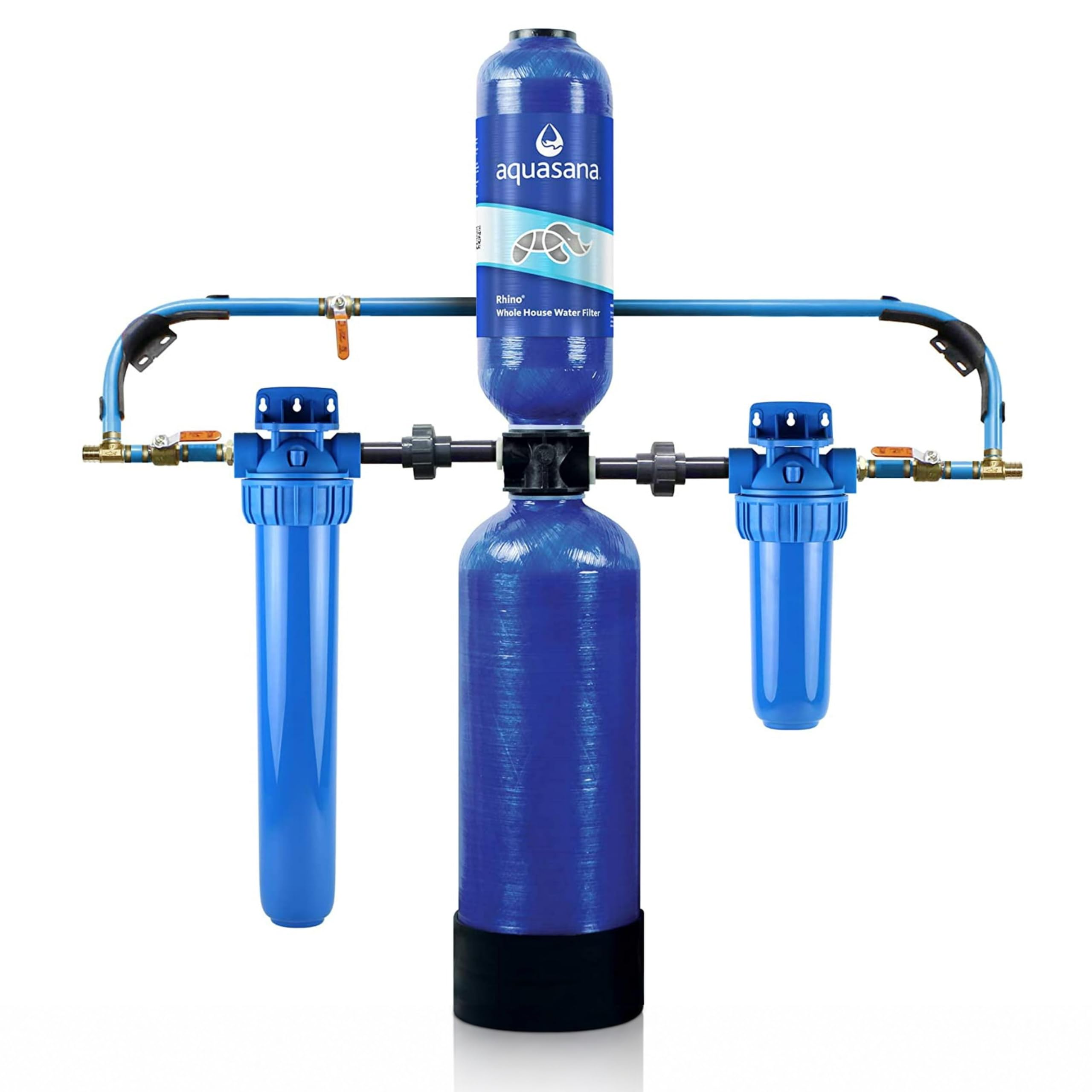
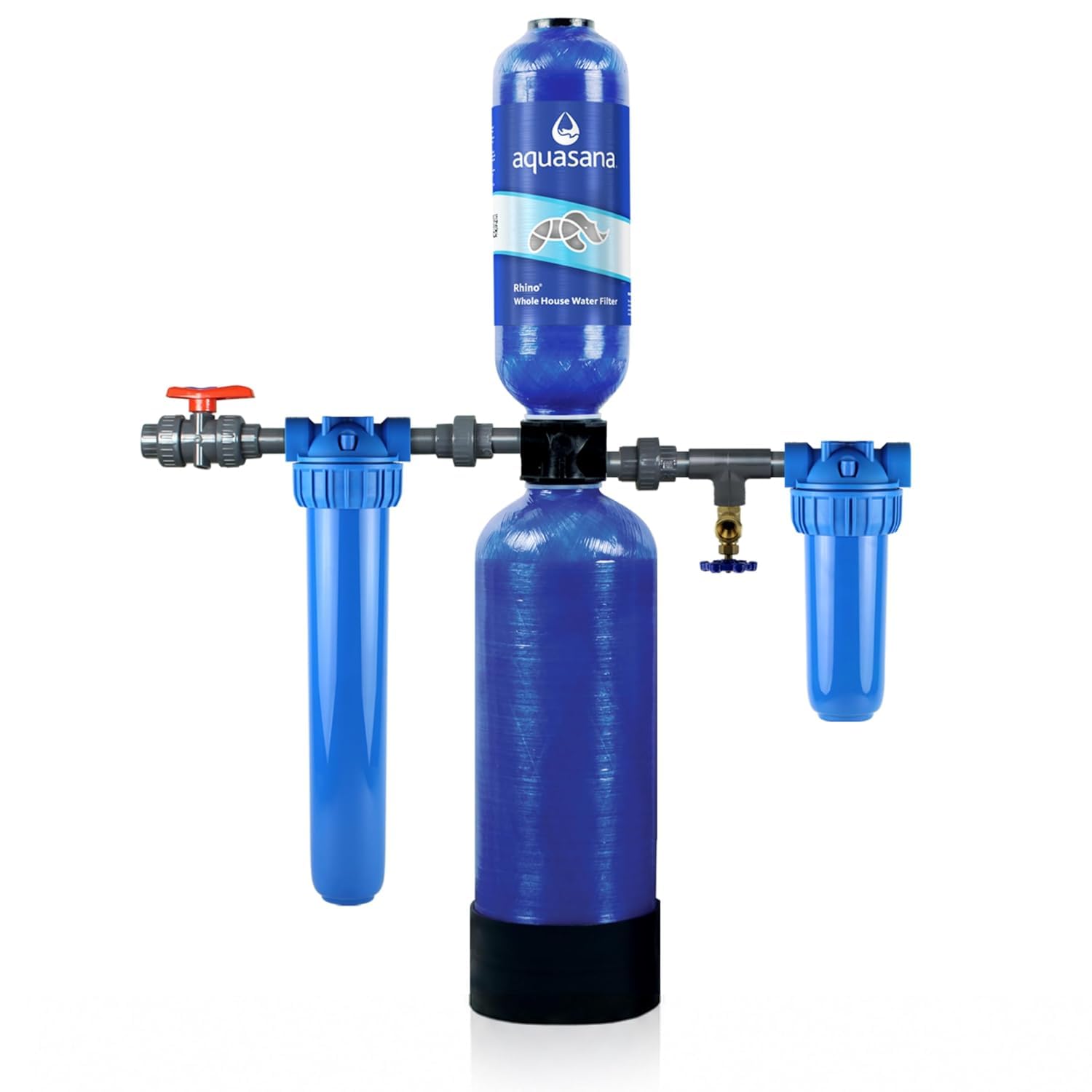
Aquasana builds whole house systems around large tanks of filtration media, usually activated carbon blended with media that helps reduce chlorine and related compounds. The pitch is cleaner tasting water at every tap, with optional stages for sediment, UV treatment, or salt free scale control added to the core tank. If you want a closer look at the flagship tank setup, our aquasana rhino review walks through how that configuration is put together. Aquasana suits buyers who start from a water quality concern and then add features around it.
Pelican overview
Pelican built its name on salt free water conditioning that changes how hardness minerals behave so they are less likely to form hard scale on pipes, heaters, and fixtures. Most Pelican whole house setups pair that conditioning tank with carbon filtration, so you get scale control and better taste in one line of equipment. The brand appeals to homeowners who dislike the feel and upkeep of a traditional softener, since there is no salt to haul and no brine discharge to manage. Pelican suits buyers whose first complaint is scale, with filtration as the supporting act.
Key Differences
The two brands overlap more than their marketing suggests, yet six areas separate them in ways that affect your plumbing, your budget, and your weekends. Work through each one against your own water report and household habits.
Installation and Compatibility: Aquasana vs Pelican
Both systems cut into your main water line, so you need a suitable spot near where water enters the home, room for tall tanks, a shutoff valve, and a bypass so you can service the system without cutting water to the whole house. Aquasana setups grow more complex as you add stages, and a UV stage needs a nearby outlet while some configurations want drain access. Pelican conditioning cores typically need neither power nor a drain, which can simplify placement in a garage or utility closet. Either way, confirm your line size, water pressure, and clearance for tank removal before ordering, since returns on plumbed equipment are a hassle.
Build Quality and Finish: Aquasana vs Pelican
Both brands use large mineral tanks with inlet and outlet heads, pre filter housings, and standard plumbing fittings, and in normal indoor use the tanks themselves rarely limit system life. The parts you will actually touch are the filter housings, O rings, and bypass valves, so sturdy housings and easy to grip fittings matter more than tank finish. Plan to install either system indoors or in a sheltered spot, since freezing temperatures can crack housings and void coverage. A neat install with unions or a bypass loop also makes later media changes far less painful, whichever brand you pick.
Features: Aquasana vs Pelican
Aquasana systems centre on filtration stages. A sediment pre filter catches grit that would clog the main media, the carbon tank handles chlorine taste and odor, and you can add UV if your water source raises microbial concerns or a descaler stage if scale is a secondary issue. Pelican systems centre on conditioning. The carbon stage still improves taste, but the defining stage is the salt free media that treats hardness minerals without removing them or adding sodium. Think of it this way. Aquasana sells you a filter you can extend toward conditioning, while Pelican sells you a conditioner that includes filtration.
Certifications: Aquasana vs Pelican
Certifications are where you should slow down and read documents instead of headlines. Look for independent certification to NSF ANSI standards for the specific claims that matter to you, such as chlorine reduction under Standard 42 or health related contaminant reduction under Standard 53, and check whether the certification covers the complete system or only the media inside it. Aquasana promotes certified performance for several of its filtration claims, while Pelican conditioning claims rest on scale reduction testing that follows a different path, since salt free conditioning does not soften water in the measured sense. Match each claim to your water report rather than counting badges.
Warranty: Aquasana vs Pelican
Warranty terms differ by component, so read them as separate promises for the tank, the media, and the smaller parts rather than one headline number. Coverage often assumes your water stays within stated limits for things like iron, hardness, and chlorine levels, and it rarely pays for a plumber to swap parts. Registration deadlines can also apply, so file the paperwork right after installation. When you compare the two brands, weigh how long the expensive parts are covered and what conditions could void that coverage on your water supply. A long term on paper means little if your well water falls outside the stated limits.
Price and value
Sticker price tells only part of the story, since both brands ask for ongoing spending after the install. Budget for the equipment, a plumber if you are not confident cutting into the main line, pre filter cartridges on a regular cycle, and eventual replacement of the main media, which is the largest single upkeep cost for either brand. Pelican can look simpler to own because the conditioning core asks little of you between media changes. Aquasana can deliver stronger filtration value if chlorine and related concerns are your real problem. Judge value per year of service, not per box delivered.
Which Should You Buy?
Your water, not the brand names, should settle this aquasana vs pelican whole house water filter decision. Start from a recent water report or a home test, name your top two problems in order, and then see which set of strengths below lines up with that list.
Choose Aquasana if…
Choose Aquasana if chlorine taste and odor are what you notice most, if your city water report lists disinfection byproducts among your concerns, or if you want the option to add UV treatment later on the same platform. It also fits if you are comfortable tracking cartridge and media schedules in exchange for deeper filtration. Buyers who cook and brew at home often notice the taste change at the kitchen tap first, and that daily payoff is where this brand earns its keep.
Choose Pelican if…
Choose Pelican if white scale on fixtures, spotted glassware, and crust inside your water heater are the problems you see every week. It also fits if you want conditioning without salt bags, without brine discharge, and without the slippery feel that softened water leaves on skin. Renters aside, it suits owners who plan to stay put and want a set and forget core with only light cartridge duty. If your water tastes fine already and hardness is the whole complaint, paying extra for filtration depth you will never notice is hard to justify.
Other Options to Consider
If neither brand matches your priorities, two other directions are worth a look before you buy. Shoppers who want filtration and conditioning balanced evenly often research SpringWell, and our springwell cf1 review covers that approach in detail. Homeowners who prefer a cartridge based system with staged filters they can service one housing at a time often look at iSpring, covered in our ispring wgb32b review. Treat both as research stops, not defaults, and compare their media costs and flow ratings against the two brands above using the same water report.
FAQ
Is Aquasana better than Pelican?
Neither brand is better for every home. Aquasana is the stronger pick when filtration depth drives your decision, while Pelican leads when scale control with minimal upkeep matters most. One extra check helps here. Ask each household member which problem they notice daily, taste at the tap or scale on fixtures, and let the most felt problem break the tie.
What is the main difference between Aquasana and Pelican?
The main difference is intent. Aquasana designs around removing things from water with carbon based media, while Pelican designs around changing how hardness minerals behave so they form less scale, with filtration added. A useful way to picture it is taste versus feel and appearance. Filtered water changes what you sip, while conditioned water changes what you scrub off the shower door.
Which is easier to clean, Aquasana or Pelican?
Neither system asks you to scrub its main tank, since the media stays sealed inside. Cleaning in practice means rinsing the sediment pre filter housing and wiping its threads and O ring when you swap cartridges. Pelican owners generally face fewer add on stages to rinse out, so their cartridge routine tends to be shorter. Work slowly when you open a housing, since trapped pressure can splash water even after the supply is off.
Which lasts longer, Aquasana or Pelican?
System life depends less on the brand and more on how much water your household pushes through the media each day. A large family with several bathrooms will exhaust any media bed sooner than a couple in a small home on the same street. Count your bathrooms and laundry volume before you trust any lifespan figure, and treat maker estimates as based on average use that may not resemble yours at all.
Final Thoughts
There is no universal winner in the aquasana vs pelican whole house water filter debate, only a better match for your water and your tolerance for upkeep. Aquasana rewards buyers who put filtration first and accept a regular media schedule, while Pelican rewards buyers who put scale control first and want conditioning that largely looks after itself. Look back at the product table above, line its rows up against your water report, and choose the column that solves the problems you actually live with. That is the system you will still be glad you installed years from now.