Aquasana Rhino Review (2026): Is It Worth the Money?
Disclosure: We may earn a commission when you buy through links on this page, at no extra cost to you. As an Amazon Associate I earn from qualifying purchases. Learn more

Our Aquasana Rhino review covers performance, design, cleaning, pros and cons, and who should buy it. Plus top alternatives. Updated 2026. Updated for 2026.
A large tank system is a serious purchase, so this aquasana rhino review focuses on the questions that decide whether it fits your home. You will find how the design affects water pressure, what the filtration media can and cannot do, and what upkeep looks like over time.
If you are still comparing system types, see our guide to the best whole house water filter before you commit to one format. Then check the details in the comparison table below against the needs of your household.

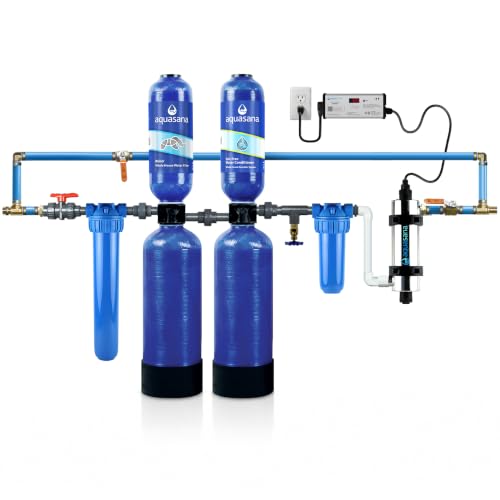
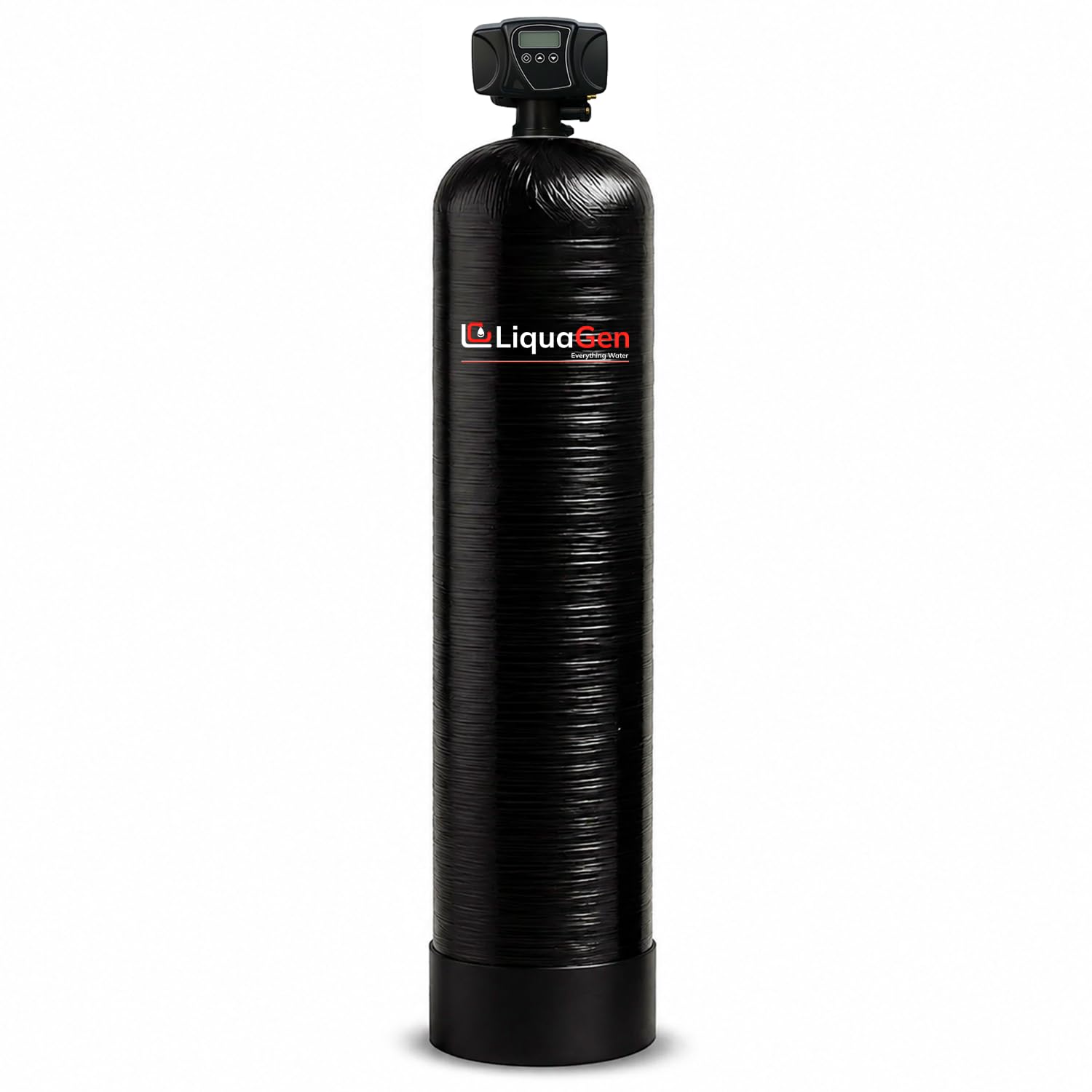
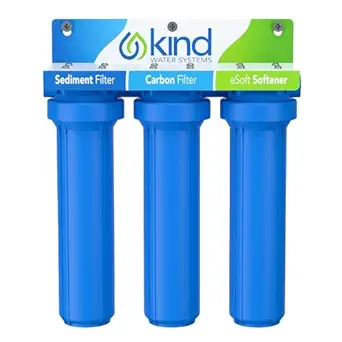


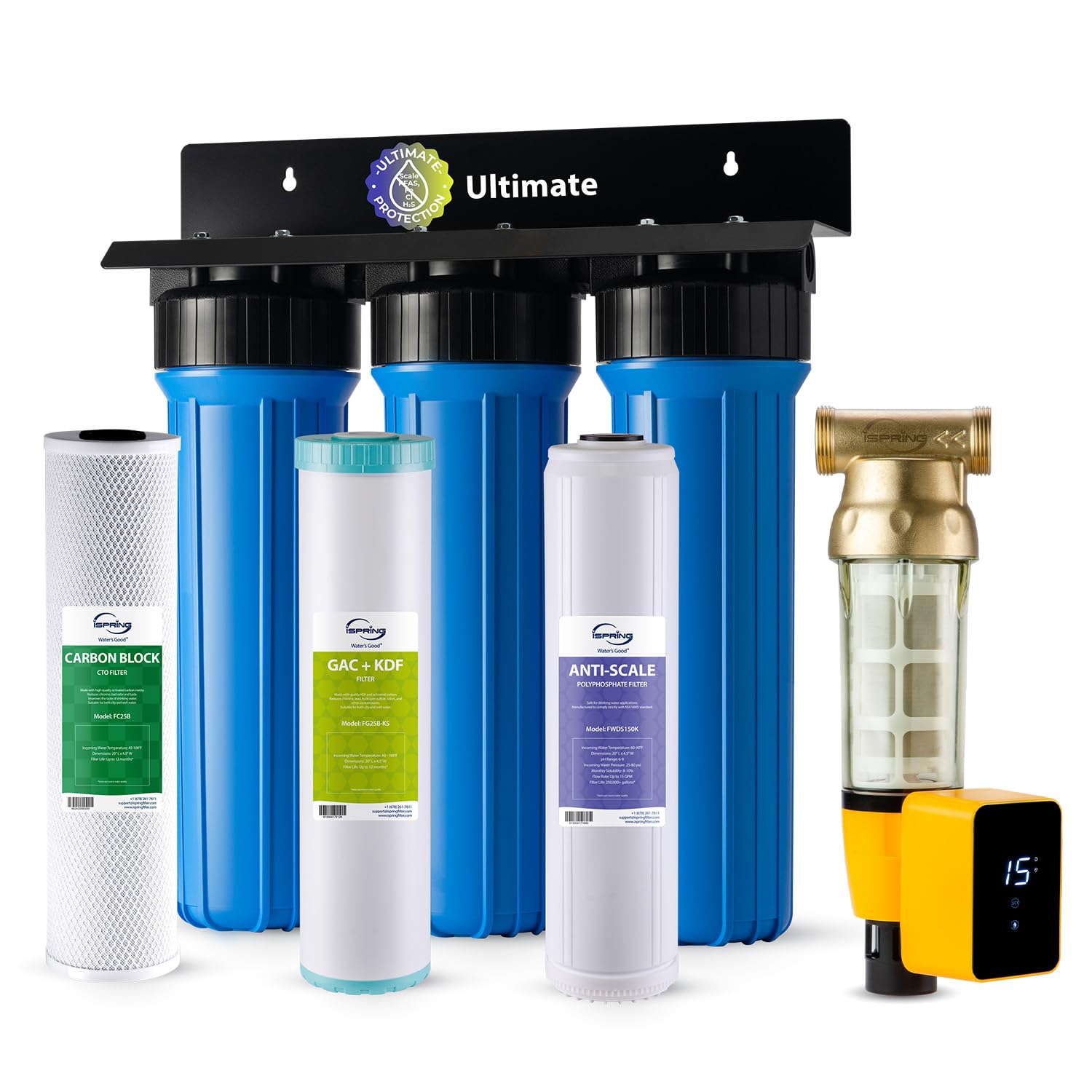
Quick Verdict
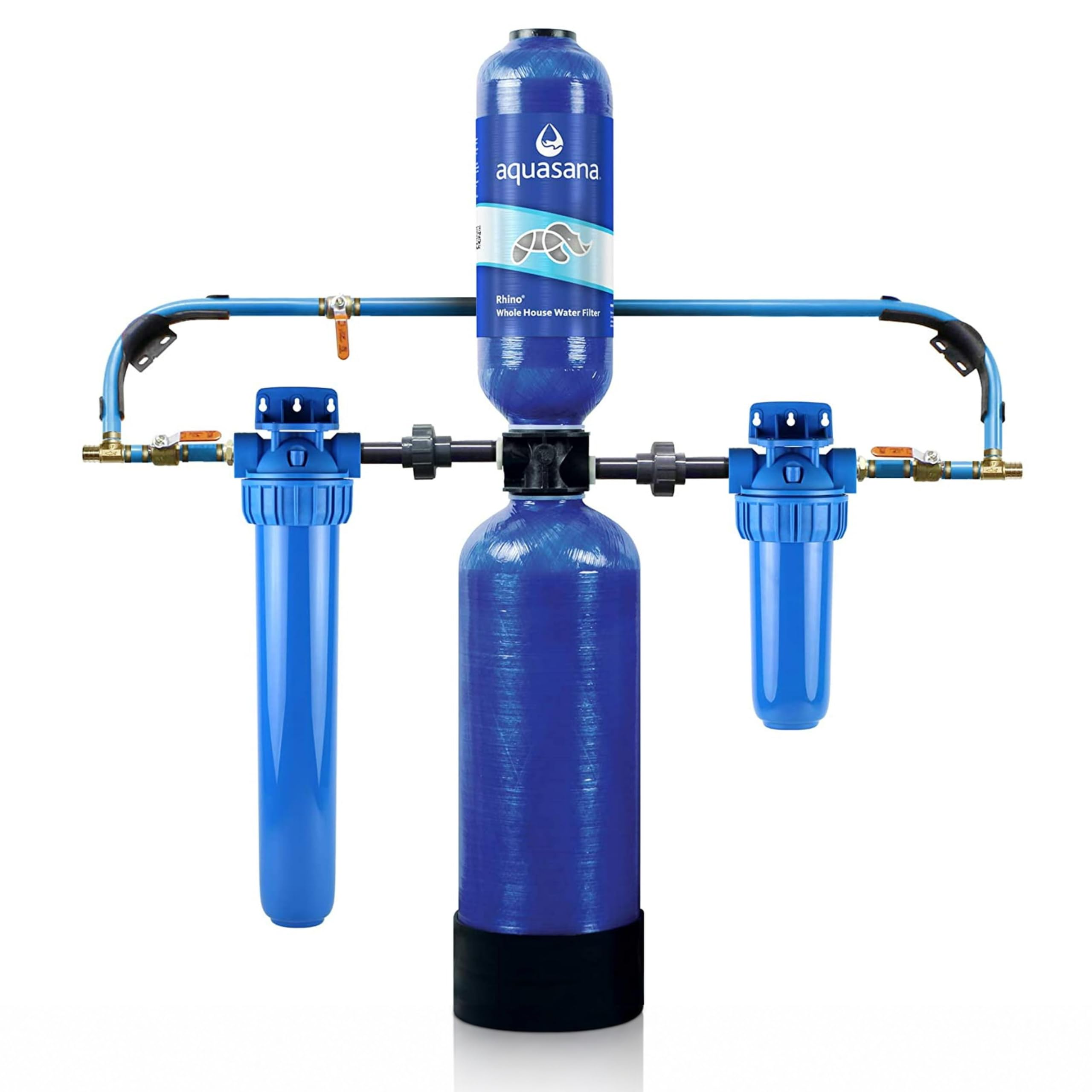
The Rhino line is built around a large point of entry tank that treats water for the whole home at the main line. Its appeal is broad chlorine taste and odor reduction with very little routine attention once installed. Its limits are clear too. It takes real floor space, it needs a proper main line install, and it is not a targeted fix for every contaminant a water test might find.
Best for owners of larger homes on treated city water who want one central system. Skip it if your test shows a specific problem that calls for dedicated treatment, or if you only want better drinking water at one tap.
Aquasana Rhino Specs at a Glance
Read the spec sheet as a checklist rather than a score.
- System type: point of entry tank system, installed on the main water line.
- Filtration media: activated carbon with copper zinc media, plus a sediment prefilter.
- Flow rate: check the rated gallons per minute against your peak demand.
- Capacity: media life in gallons or years drives your long term running cost.
- Size: a tall tank needing upright floor space and room to service it.
- Connections: inlet and outlet size, bypass valve, and whether a conditioner stage is included.
- Warranty: check what it covers, tank or media, since the two often differ.
Design and Build Quality
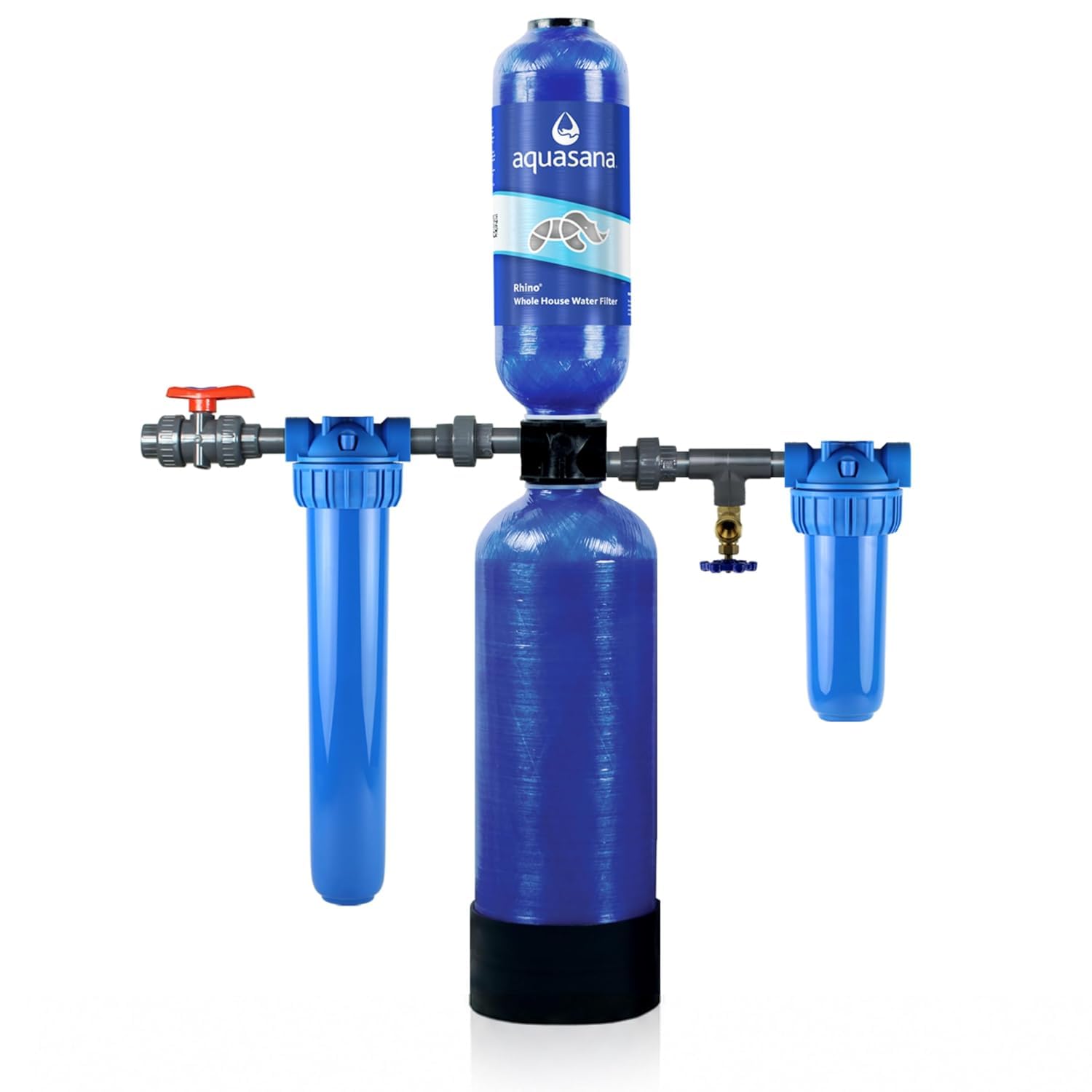
The design is a tall upright tank rather than a bank of small cartridges. Water enters at the main line, passes through the media bed, and leaves for the rest of the house. There are few moving parts and no drain connection or power supply on the basic setup, which suits a garage, basement, or utility room install.
Build quality questions are mostly about the parts around the tank. Look at the head and fittings, the sturdiness of the prefilter housing, and whether the housing wrench is included. Plan service space too, with clearance to drop the prefilter housing and a shutoff and bypass to isolate the system.
Performance
Performance shows up in three everyday ways. Chlorine taste and odor should drop at every tap, pressure should stay close to what you had before, and results should hold steady until the media nears the end of its life.
Installation and Compatibility
Installation means cutting into the main line, so most owners hire a plumber even though the plumbing itself is straightforward. Place the tank where the main line is accessible, before the split to indoor taps, or after it if you do not want to treat garden water. It fits treated city water best. Well water usually needs test driven pretreatment first, since sediment, iron, or bacteria concerns can overwhelm a carbon tank used alone.
Build Quality and Finish
Fittings should seal without excess force, the prefilter sump should spin on by hand until the seal seats, and the bypass should turn without sticking. Recheck every joint once the line has been under full pressure for a day, since slow seeps often appear only after nearby lines cycle hot and cold water.
Features
The feature set is deliberately simple. The sediment prefilter catches grit that would clog the media bed, the carbon stage handles chlorine taste and odor, and the copper zinc stage is aimed at scale and growth inside the tank. Some variants add a conditioning stage meant to reduce scale buildup without salt or wastewater. Treat that as a scale management aid rather than true softening, since it does not remove the minerals that make water hard.
Certifications
Certifications separate broad claims from tested ones. Look for independent certification to recognised standards for the claims that matter to you, and note exactly which standard and substance a listing names. A system can be tested for taste and odor without being certified for health related contaminants like lead. If your test shows a health concern, match it to a system certified for that substance, and follow safety guidance from your local water authority.
Key Features
Four factors decide most purchases in this category.
Filtration Media and What It Targets
Activated carbon is the workhorse here, valued for reducing chlorine taste and odor across the whole home, while the copper zinc media helps limit growth inside the tank. What this pairing does not do matters just as much. It is not reverse osmosis, it does not strip out dissolved minerals, and it should not be your only defence where a test shows high levels of a specific contaminant. Buy it for broad taste and odor improvement, and add targeted treatment where a test says you need it.
Flow Rate and Household Demand
Flow rate decides whether the system feels invisible or becomes a bottleneck. Add up your realistic peak demand, such as two showers, a washing machine, and a kitchen tap at once, and compare it with the rated flow. A rating that only just meets your peak leaves no margin as the prefilter loads with sediment. Larger households should favour headroom, since a pressure drop at busy times shapes how you feel about the purchase every day.
Capacity and Media Life
Capacity links directly to running cost. A large tank holds more media, so it usually runs longer between media changes than small cartridge systems, but the eventual change is a bigger job and a bigger bill. Estimate your annual water use from your bill, then divide the stated capacity by that figure for a realistic service interval.
Conditioning Stage and Scale
Many buyers consider this line because they want scale control without a salt based softener, a drain line, or regular salt bags. A conditioning stage can change how scale forms on fixtures so deposits are easier to wipe away. It will not give you the slick feel of softened water, and soap behaviour will stay much as it is now. If hard water is damaging a water heater, discuss a true softener with a plumber instead.
Ease of Use, Cleaning and Maintenance
Day to day use asks nothing of you, since the system treats water as it flows with no settings to adjust. The routine work is the prefilter. Swap it on the stated schedule, or sooner if pressure dips, and rinse the housing before fitting the new cartridge.
The main tank needs no scrubbing inside. Your upkeep is external. Wipe dust from the tank and head, inspect fittings for crust that hints at a slow leak, and confirm the bypass and shutoff valves still turn freely once or twice a year, since valves that never move can seize.
Aquasana Rhino Pros and Cons
Pros
- Treats water for the whole home from one point on the main line
- Strong focus on chlorine taste and odor at every tap and shower
- No power supply, drain line, salt, or wastewater for basic filtration
- Very little routine upkeep beyond prefilter changes
- Large media bed suits longer service intervals than small cartridges
Cons
- Needs floor space and a main line install, often by a plumber
- Conditioning is not the same as true water softening
- Not a standalone answer for well water problems or specific contaminants
- Media replacement is an infrequent but significant cost
- Treating outdoor taps wastes capacity unless the install bypasses them
Who Should Buy the Aquasana Rhino and Who Should Skip It
Owners of larger homes on city water. If your complaints are chlorine taste, odor, and dry feeling shower water across several bathrooms, a central tank matches the problem.
Owners who want low routine upkeep. If you dislike changing small cartridges every few months in several housings, this pattern suits you better. You accept a professional install and a larger media cost later in exchange for long quiet stretches with only prefilter swaps.
Skip it if your needs are narrow or specific. Renters cannot cut into a main line, and owners who only care about drinking water pay for capacity they will never use. If a test points to iron, bacteria, or a named contaminant, spend on treatment designed for that problem first.
Aquasana Rhino vs Alternatives
The real choice is between formats, not just between names. A large tank system spreads a big media bed over a long service life, with few routine tasks and a higher upfront cost. A cartridge based system uses several housings in a row, costs less to install, and lets you swap individual stages, but it asks for more frequent changes.
Readers comparing tank systems often also read a springwell cf1 review to see how another maker handles flow ratings, media claims, and warranty terms.
For a cartridge based contrast, an ispring wgb32b review shows the other ownership pattern clearly, with staged housings, lower entry cost, and regular cartridge spending. Neither format is better in the abstract. The right one is the one whose upkeep rhythm and install demands fit your home.
Where to Buy and Best Price
Price the whole job, not just the tank. Add fittings, a bypass if one is not included, prefilter spares, and plumber time, and a system in this class often lands at about $1000 to $2500 installed. Check the maker store and Amazon, and confirm which variant, warranty terms, and return window apply to the listing in front of you, since bundles differ. Prices and availability can change, so check the product page before ordering.
FAQ
Is the Aquasana Rhino worth it?
It is worth it when the maths and the problem line up. Add the install quote and one media change to the purchase price, then spread that total over the years you plan to stay in the home. If you plan to move soon, the value drops, since a point of entry system stays with the house.
What are common Aquasana Rhino problems?
Most complaints in this category trace back to install or upkeep rather than the tank itself. A pressure dip usually means a loaded prefilter, a leak usually means a fitting or housing seal that needs reseating, and a return of chlorine taste usually means spent media or water bypassing the tank. Work through those three checks in that order before assuming failure.
How long does the Aquasana Rhino last?
Judge the parts separately. The tank and head should serve for many years if fittings stay dry and valves are exercised, while the media and prefilter are consumables with shorter schedules. Write the install date and each prefilter change date on a label fixed to the tank, so you can see at a glance how the system was kept.
What is a cheaper alternative to the Aquasana Rhino?
The cheapest honest alternative is to treat only the water you drink. A countertop or under sink filter at the kitchen tap costs a fraction of a whole home install and can deliver the taste improvement many buyers actually want. You give up filtered shower and laundry water, and you gain a system you can take with you when you move.
How do you clean the Aquasana Rhino?
You do not open or scrub the main tank. Cleaning means the parts you can reach. Shut off the water, release pressure, drop the prefilter housing, wash it with warm water and mild soap, rinse it well, and inspect the seal before refitting it. Then run a cold tap for a few minutes to flush air and loose carbon fines.
Final Verdict
Judged on fit rather than hype, this aquasana rhino review lands in a clear place. The system suits owners of larger homes on city water who want broad taste and odor improvement and low routine upkeep, and who accept that conditioning is not softening and that specific contaminants need targeted treatment. Compare your water test, peak flow needs, and install quote against the product table above, and the right decision should be obvious.