
APC P11U2 Review: Honest Pros, Cons & Who It's For (2026)
Disclosure: We may earn a commission when you buy through links on this page, at no extra cost to you. As an Amazon Associate I earn from qualifying purchases. Learn more

Thinking about the APC P11U2? Our honest APC P11U2 review covers everyday pros and cons, who it suits, and smarter alternatives if it's not a fit.
A single power strip rarely causes trouble until a storm, a flicker, or one bulky plug too many exposes its limits. This apc p11u2 review looks at a large capacity surge protector built for shared home spaces, and it weighs the specs, layout, and ownership costs that matter once the box is open. The goal is simple: help you decide whether eleven outlets and built in USB charging fit your household, or whether a smaller strip would serve you just as well.
Because one strip often feeds a whole room, protection ratings and outlet spacing matter more than brand badges. Our guide to the best surge protector options explains the wider category, while the comparison table below lines this model up against similar strips so you can scan the key numbers quickly.
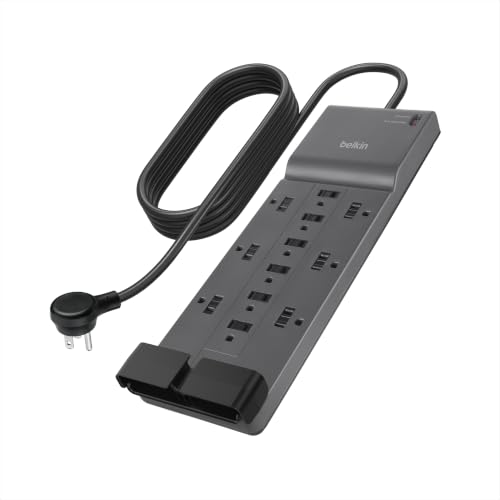

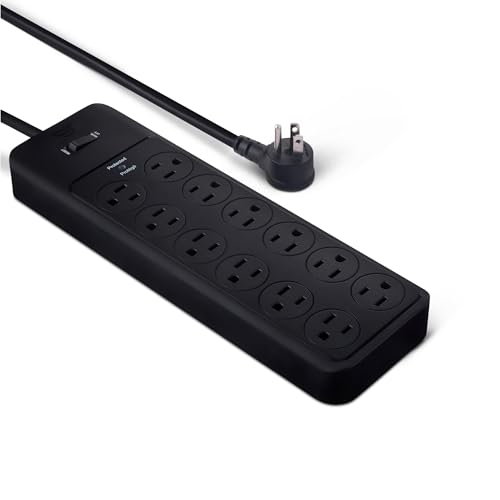


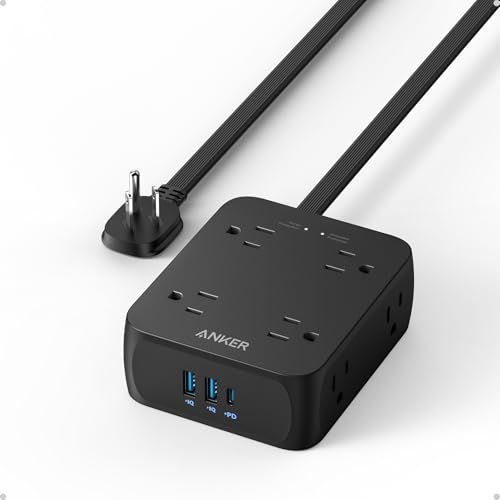

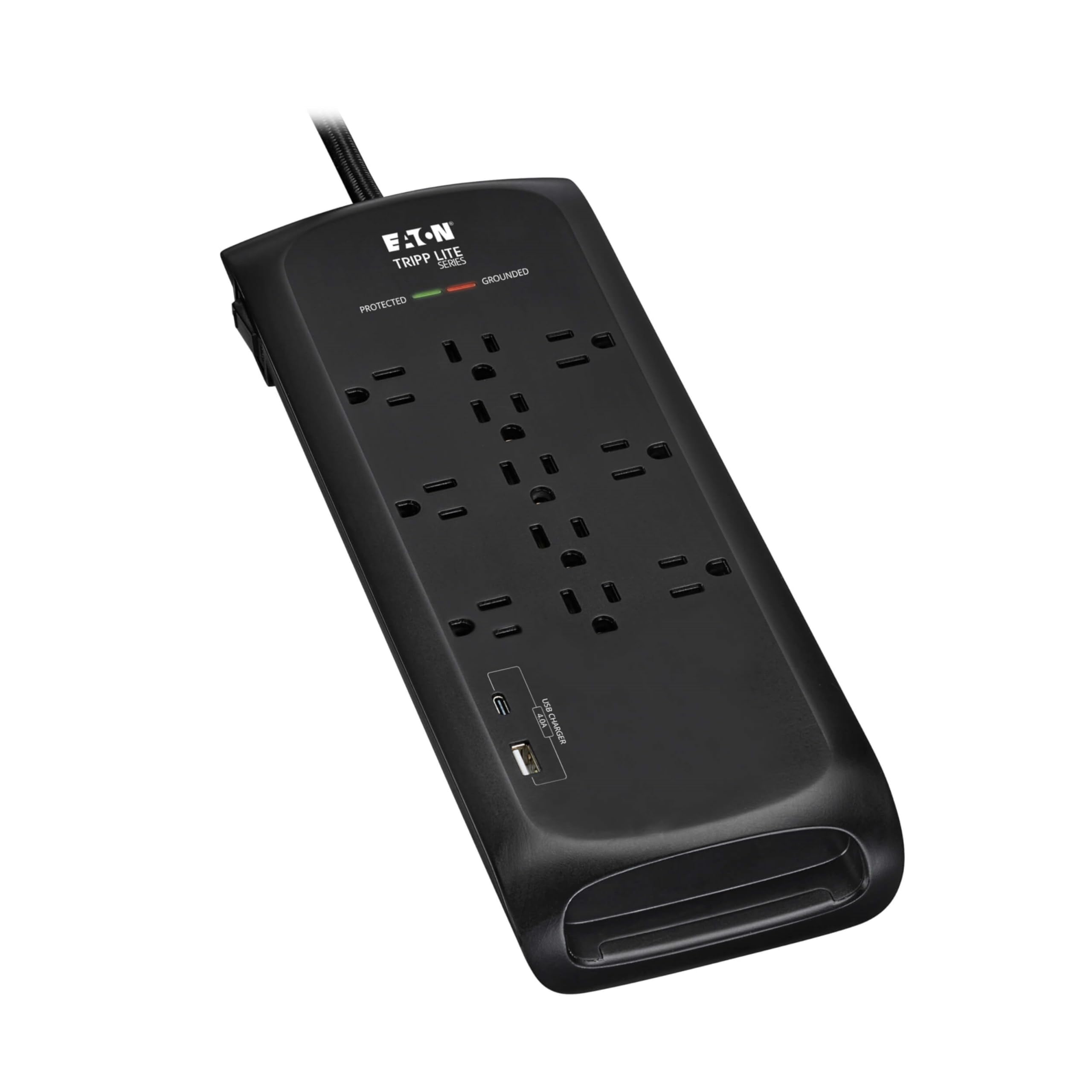
APC P11U2: Key Specs to Check
The model name tells the basic story: eleven outlets and two USB charging ports in one housing. Before you buy, confirm these points on the current product page, because listings and packaging can change.
- Outlets: eleven sockets, with some spaced wider for large plugs
- USB charging: two ports for phones, tablets, and small accessories
- Surge rating: check the joule figure and the clamping voltage
- Cord: confirm the length reaches your wall outlet without tension
- Safety listing: look for a recognized testing mark such as UL or ETL
- Warranty: note the coverage period and any connected equipment policy
Those six checks separate a genuine surge protector from a plain power strip with no protection inside.
First Impressions and Build
The housing is long and flat, shaped to sit behind a TV stand, under a desk, or along a bedroom wall without drawing attention. The finish is plain and practical rather than decorative, which suits shared family spaces where the strip should blend in. Sockets feel firmly seated in the case, and the switch and status lights sit where you can see them without crouching behind furniture.
Two details shape daily use more than the styling. First, the wider spaced outlets accept bulky plugs for game consoles, routers, and chargers without blocking their neighbors. Second, the flat plug on the wall end saves space behind sofas and media cabinets, where a straight plug would push furniture out from the wall.
How It Performs in Everyday Home Use
Most households will place this strip at the center of a living room, bedroom, or home office setup, so the sections below judge it on that kind of steady, mixed load.
Performance
Surge protection works silently. Internal components absorb voltage spikes from lightning activity, utility switching, and large appliances cycling on and off, and they sacrifice themselves gradually as they absorb energy. The status light is your main feedback, since a lit protection indicator confirms the circuit is still active. For everyday loads such as a TV, a streaming box, lamps, and chargers, a strip of this size has ample capacity, provided you keep the total draw under the rated limit on the housing and never plug space heaters into it.
Compatibility
Eleven outlets cover the usual cluster of devices in one room: a TV, a soundbar, a streaming player, a game console, a router, and a few chargers, with sockets left over. The two USB ports handle phones and tablets, which frees outlets that small charging bricks would otherwise occupy. Check plug shapes before ordering, because a row of oversized adapters can still crowd any strip. The strip itself must go into a properly grounded wall outlet to protect anything at all.
Heat and Power Draw
A surge protector should stay close to room temperature in normal use. Warmth usually comes from the load, not the strip itself, so add up the wattage of everything plugged in and keep the total below the rating on the label. USB charging adds a little warmth near the ports, which is normal. A housing that feels hot, a buzzing sound, or a faint burning smell is not normal, and any of those signs means you should unplug the strip and replace it.
Build Quality and Warranty
The case is rigid molded plastic that resists flexing when you plug and unplug cords, and the switch has a firm, deliberate action. APC backs this line with a limited warranty and a connected equipment policy, which can reimburse eligible gear damaged while properly connected, subject to claim conditions. Keep your receipt and register the product if the maker offers registration, because a claim years later is far easier with proof of purchase already on file.
Features You Will Actually Use
The protection status light earns its place every day, because it tells you at a glance whether the strip is still protecting or has become a plain power strip after absorbing a major surge. The master switch is equally practical in shared rooms, letting you cut standby power to a whole entertainment setup at night with one press. Widely spaced outlets sound minor on paper, yet they decide whether all eleven sockets stay usable once real plugs enter the picture.
The USB ports are the other feature households lean on. Guests can charge a phone without hunting for a free brick, and a tablet can live on the strip full time. Safety shutters, where fitted, also help in homes with small children, though they never replace keeping cords tidy and out of reach.
Living With It: Setup, Cleaning and Upkeep
Setup takes minutes. Plug the strip directly into a wall outlet, never into another strip or an extension cord, then connect your devices starting with the largest plugs on the spaced outlets. Leave a little slack in every cord so nothing pulls sideways on a socket. Route the cord where feet and chair wheels will not crush it, and keep it out from under rugs, where damage can hide.
Upkeep is light. Dust the housing with a dry cloth while it is unplugged, glance at the status light every month or so, and press the switch off during long trips away. After any major storm, check the indicator again before you trust the strip with a new device.
What We Like and What We Don't About the APC P11U2
On the positive side, the outlet count and spacing suit real family setups, the USB ports remove two charging bricks from the tangle, and the status light makes protection easy to verify. The flat plug helps it disappear behind furniture, which matters in rooms where a strip is always partly visible.
On the negative side, the long housing needs a generous footprint, so measure your space before ordering. USB charging output is shared and modest, so demanding devices charge slowly compared with a dedicated fast charger. Finally, once its protection is spent, the outlets still work, which can mislead you into thinking your gear is still covered.
Is the APC P11U2 Right for Your Household?
It fits households that run one busy cluster of electronics: a family entertainment center, a shared home office desk, or a bedroom with a TV, console, and several chargers. It also suits renters who cannot add wall outlets and need one tidy, protected hub per room. Skip it if you only need two or three sockets by a nightstand, where a compact strip costs less, or if you need backup power during outages, since a surge protector stores no energy and a battery backup unit is the right tool for that job.
How the APC P11U2 Compares
Surge protectors fall into three broad types. Basic strips offer six to eight outlets and modest joule ratings, and they suit lamps and chargers. Large home strips like this one add outlets, USB charging, and higher ratings for entertainment and office gear. Studio focused models go further with noise filtering for audio equipment, which is why readers comparing a furman pst-8d review are usually solving hum and interference problems in a music setup rather than simple socket shortages.
Choose by the problem you have. If your issue is too few sockets and no protection, this class of strip answers it directly. If your issue is audio noise or frequent outages, a different type of product will serve you better.
Price, Deals and Warranty
Strips in this class usually sell for about $30 to $50, and seasonal sales events often trim that figure, so check the current listing before ordering. Treat any discount as a bonus rather than a reason to buy a second unit you cannot place. The warranty and connected equipment policy add real value here, but only if you follow the conditions: direct wall connection, grounded outlet, and loads within the rating. Read the policy cap and claim steps once, and file them with your receipt.
Common Buying Mistakes to Avoid
- Buying sockets instead of protection: a cheap strip with no joule rating leaves your electronics exposed no matter how many outlets it offers.
- Chaining strips together: plugging one strip into another overloads the first unit and voids most warranty coverage.
- Ignoring plug shapes: counting outlets means little when three bulky adapters block half the row.
- Skipping the space check: a long housing behind a narrow TV stand can force the cord into a sharp bend that strains the plug.
Cost of Ownership and Care
Running costs are close to zero. The strip draws a tiny amount of power for its indicator light, and there are no filters, pads, or parts to replace on a schedule. The real cost is eventual replacement: protection components wear out with each surge they absorb, so budget to replace the unit after a major power event or once the indicator reports that protection has ended. Noting the purchase date on the housing with a small label makes that timing easy to judge years later.
Your Questions, Answered
How do you clean the APC P11U2?
Unplug the strip from the wall first, then wipe the housing with a dry or slightly damp cloth and let it dry fully before reconnecting anything. Keep liquids away from the sockets, and never spray cleaner directly onto the unit, because moisture inside an outlet is a shock and corrosion risk. A soft brush clears dust from around the USB ports, where lint collects fastest.
What is a cheaper alternative to the APC P11U2?
A smaller strip with six outlets and a lower joule rating costs less and suits a single desk or nightstand where few devices gather. You give up the USB ports, the wider outlet spacing, and some protection headroom, so the saving makes sense only when your device count is genuinely small. Compact travel style strips cost even less, though they rarely carry meaningful surge ratings, so read the label before trusting one with a TV or a computer.
How long does the APC P11U2 last?
The outlets can work for many years, but the protection inside has a finite life that depends on how many surges it absorbs. A home with stable power may get long service, while a home near frequent storms may spend the protection far sooner. The indicator light is the deciding signal: once it reports protection has ended, plan a replacement even though your devices still power on as usual.
What are common APC P11U2 problems?
Most complaints trace back to fit and expectations rather than defects: bulky plugs crowding the row, USB charging that feels slow beside a dedicated fast charger, and confusion when the outlets keep working after protection has worn out. Nearly all of these are avoidable by checking plug shapes and charging needs before ordering, and by treating the status light as the true measure of the unit's health.
Is the APC P11U2 worth it?
For a busy entertainment center or shared desk, yes, because the outlet count, spacing, and USB ports solve several small annoyances at once for a modest price. The value case weakens if you already own a healthy surge protector with free outlets. Buy it to replace an aging or unprotected setup, and it earns its cost the first time a storm rolls through your neighborhood.
The Bottom Line
Judged on the things households actually feel, outlet layout, honest status lights, grounded protection, and painless setup, this strip is a sensible centerpiece for one busy room. Check your plug shapes, confirm the cord length, and compare its ratings in the product table above before you order. If those basics line up, the apc p11u2 review verdict is favorable: a practical, family friendly surge protector that does its quiet job well.


