
Anker SOLIX C1000 Alternatives: Which Type Fits Your Home (2026)
Disclosure: We may earn a commission when you buy through links on this page, at no extra cost to you. As an Amazon Associate I earn from qualifying purchases. Learn more

Love the idea of the Anker SOLIX C1000 but not the price or size? These alternative types cover similar needs for different homes and budgets.
When the lights flicker during dinner and the fridge, the router, and a bedroom lamp all go dark at once, finding a dependable anker solix c1000 alternative can feel urgent and confusing in equal measure. The C1000 sits in a popular middle ground, with about a kilowatt hour of storage and enough output for common household loads. That middle ground is exactly why so many other stations compete for the same spot in your home.
This guide helps you choose by room, by the number of people who will share the station, and by budget, rather than by brand loyalty alone. The comparison table below sums up how the three main types differ at a glance. If you want the broader category view before narrowing down, our guide to the best portable power station explains the full range of sizes on the market today.


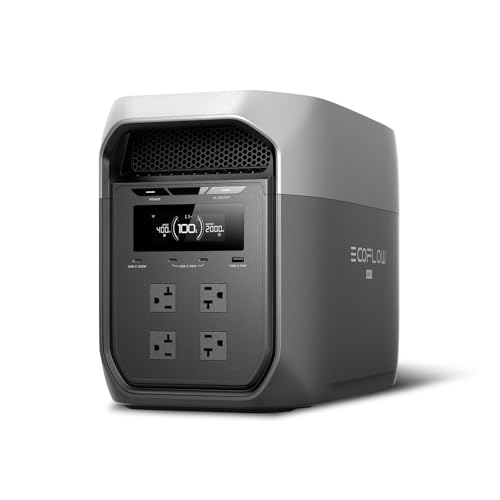
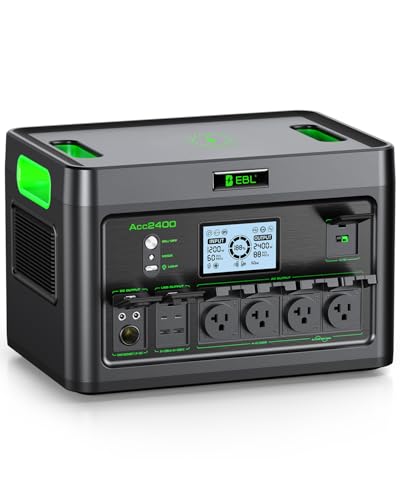
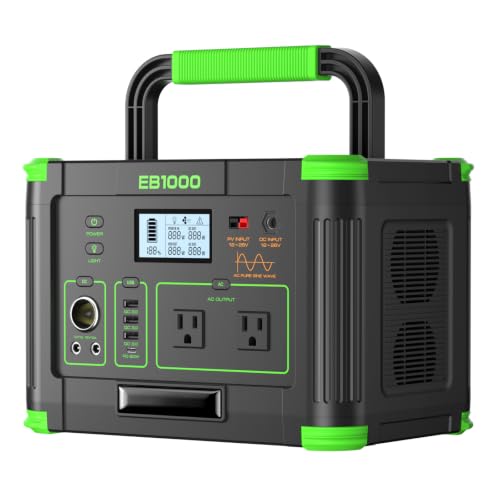
Why Look for Another Option Instead of the C1000?
Price is the most common reason. The C1000 class gives you real outage coverage, but it also costs far more than a small station that only keeps phones, lamps, and a router alive. If your power cuts are short and your loads are light, paying for capacity you rarely use ties up money that could cover groceries, a good extension cord, or a second small station for another room.
Size and weight matter just as much inside a home. A station in this class is portable in the sense that one adult can carry it between rooms, but it is not something a child or an older parent will move comfortably during an outage. It also needs a home on a shelf, in a closet, or under a desk, and a bulky unit with a bright finish may clash with a living room where it will sit in plain sight for months.
Fit is the third reason. Some households need less, because they only protect a home office and a few lights. Others need more, because they want a fridge, a freezer, and medical or work equipment covered through a long outage, and a single midsize unit runs dry too soon. A mismatch in either direction costs you, either in money spent up front or in runtime you wish you had at midnight.
The Main Types to Consider Instead
Instead of chasing a single named winner, it helps to sort the field into three types. Each type answers a different household problem, and the right choice becomes much clearer once you know which problem sounds like yours. Read the three types below with your own outage history, your rooms, and your usual loads in mind.
Closest Match Overall: Similar Capacity Stations
These stations match the C1000 on the two numbers that matter most, with roughly 1000 watt hours of storage and output strong enough for a fridge, a television, and several small loads at once. Most use lithium iron phosphate cells, which tolerate many charge cycles and suit a station that stays in service for years. Choose this type if the C1000 concept fits your home but its price, weight, charging speed, or port layout does not. Comparing spec sheets in this class, including the ecoflow delta 3 plus review, shows how small differences in solar input and outlet spacing add up in daily use.
Best Money Saver: Smaller and Simpler Stations
A smaller station with about 300 to 600 watt hours costs much less, weighs far less, and still covers the loads most families reach for first, such as a router, phone chargers, LED lamps, and a laptop. It will not run a fridge for long, and it may struggle with anything that heats or has a strong startup surge. Choose this type if your outages are usually brief, if the station will live in a bedroom or a home office, or if two small stations in different rooms serve your family better than one large unit.
Best Long Term Investment: Expandable Higher Capacity Stations
Expandable stations start at a similar or larger capacity and accept extra battery packs later, so your system can grow when your needs or your budget grow. They cost more up front, take more floor space, and often need two hands and real effort to move. Choose this type if outages in your area last a full day or more, or if you plan to add solar panels over time. If your ambitions reach toward covering much larger loads, our anker solix f3800 review shows what the next size class up looks like and what it demands in space and money.
How We Picked the Alternatives
The types above were sorted with five practical filters, all based on how families actually use a station at home. Use the same filters on any model you consider, and write the results down, because spec sheets are designed to highlight strengths and hide trade offs in small print.
Capacity and Output
Capacity in watt hours tells you how long loads can run, while output in watts tells you which loads can run at all, and confusing the two is the most common buying error. Add up the watts of everything you plan to run together, then check that the station output clears that total with room to spare for startup surges from motors in fridges and pumps. A station can have huge storage and still fail you if its output is too low for one appliance you care about.
Charging Speed and Solar Input
Fast wall charging matters when outages arrive in clusters, because a station that refills in about an hour can be ready again the same evening. Solar input limits matter just as much if you own or plan to buy panels, since a low solar ceiling wastes sunny hours. Check the maximum solar watts the station accepts, the connector type it uses, and whether it can charge from a wall outlet and panels at the same time without warnings in the manual.
Ports, Noise, and Living With the Station
Count the outlets you truly need, and look at their spacing, because bulky plugs can block the socket beside them. USB C ports with enough wattage can charge a laptop directly and spare you a heavy power brick. Fan noise deserves attention for home use, since a station that is fine in a garage can be annoying beside a bed or a desk on a video call. A plain finish, a readable screen, and a handle that feels secure all shape how willing your family will be to use it.
Weight, Size, and Storage at Home
Measure the shelf, closet corner, or under desk space where the station will live, and compare those numbers with the listed footprint before you order. Weight decides who in the household can move it safely, and a unit that only one person can lift becomes a problem when that person is away. Also think about cable storage, because a charger brick and loose cords that live in a drawer across the house tend to go missing exactly when the power fails.
Total Cost of Ownership
The sticker price is only part of what you will spend. Extra battery packs, solar panels, longer cables, and a cart or stand can add a large sum over the first two years of ownership. On the saving side, lithium iron phosphate cells usually deliver far more charge cycles than older chemistries, which lowers your cost per year of service. Warranty length and the cost of shipping a heavy unit for service also belong in your math, since a cheap station with weak support can turn expensive after one fault.
Should You Just Buy the Anker SOLIX C1000?
Sometimes, yes. If the capacity matches your load list, the weight works for the adults in your home, and the price sits inside your budget, the original model remains a sensible and simple choice. Buying the station you first researched also saves you weeks of second guessing, and a single well matched unit is easier for the whole family to learn than a mixed setup with different cables and apps.
Before you decide, read our anker solix c1000 review with your load list beside you, and check each claim in it against the rooms and appliances in your own home. If two or more points in that check bother you, such as runtime for your fridge, charging speed, or where the unit will live, that is a clear signal that one of the three types above will serve you better.
One practical test helps many buyers. Recall your last three outages and write down what you actually missed most, whether that was cold food storage, light, internet access, or a working home office. Buy for that list, not for a dramatic worst case you have never lived through, and your choice will feel right far more often.
Your Questions, Answered
Is the Anker SOLIX C1000 worth the price?
It can be, if you use its full capacity often. A useful check is cost per watt hour, which you get by dividing the price by the storage figure on the listing. Compare that number across the models on your short list. A station with a slightly higher price but a much longer warranty and more charge cycles can still be the cheaper buy over its working life, even when its cost per watt hour looks worse today.
Is there a cheaper version of the Anker SOLIX C1000?
There is no smaller twin sold under the same name, but the money saver type in this guide plays that role. When you compare prices, build the full basket first, including any charging cable, car charging lead, or case you would buy in the same order. Bundles that include those extras can close much of the price gap with a bare larger station, and they spare you a second order and a second delivery wait later.
What is the best alternative to the Anker SOLIX C1000?
The best pick depends on your rooms and loads, and one evening exercise settles it for most households. Tonight, walk through your home and list every device you would plug in during an outage, with the room it lives in. If most items sit in one room, a single midsize station works. If your list splits between a bedroom, a kitchen, and an office, two smaller stations often beat one large unit you must carry around all night.
How long will a station in this class run a home WiFi router?
Longer than most people expect, because a router draws very little power, often about 5 to 15 watts. A rough estimate comes from dividing usable watt hours by the watts drawn, and usable storage is a bit less than the headline figure due to conversion losses. A midsize station can often keep a router online through a full day of outage, which is why many families protect internet access first and food storage second.
What should you check before storing a portable power station for months?
Check the storage guidance in your manual, because brands differ on the charge level they recommend for a unit that will sit unused. Many advise storing the battery partly charged rather than full or empty, and checking it every few months. Store the station indoors, in a dry spot away from heat sources, with its cables in the same box. A short note taped to the lid, with the date you last charged it, prevents nasty surprises.
Final Thoughts
The product table above pulls the three types together, so use it to confirm the class that fits your home before you compare individual spec sheets. Match capacity to your real load list, check that the weight and footprint suit your rooms, and count the full cost of ownership, not just the launch price. Do that, and the anker solix c1000 alternative you choose will earn its shelf space every time the power goes out.


