Aluminum vs Wood Gazebo: Which Is Better in 2026?
Disclosure: We may earn a commission when you buy through links on this page, at no extra cost to you. As an Amazon Associate I earn from qualifying purchases. Learn more

Aluminum vs Wood Gazebo: we compare the key differences, pros and cons side by side so you can decide which one is right for you. Updated for 2026.
Choosing between aluminum vs wood gazebo options comes down to how much upkeep you accept and how you want your yard to look. Aluminum suits buyers who want a clean lined frame, modest upkeep, and a roof that stays ready through rain and sun. Wood suits buyers who want a warm natural look and a structure that feels like a permanent garden building. The comparison table below sums up the main tradeoffs so you can see the split at a glance.
Think first about your climate, your building skills, and how long you plan to stay in the home. A gazebo is a large purchase that needs a level base, secure anchoring, and room for delivery and assembly. If you are still comparing sizes and roof styles across both materials, our guide to the best gazebo can help you narrow the layout before you settle on a frame material.
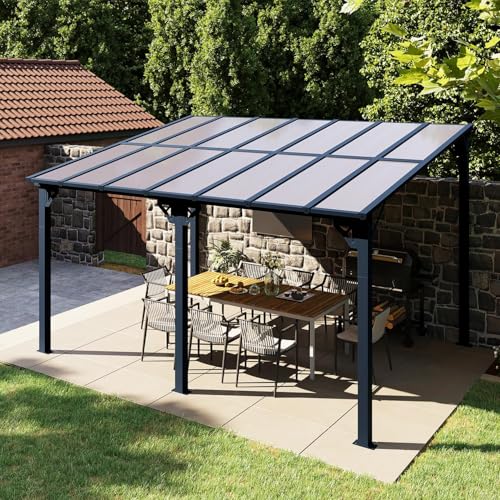
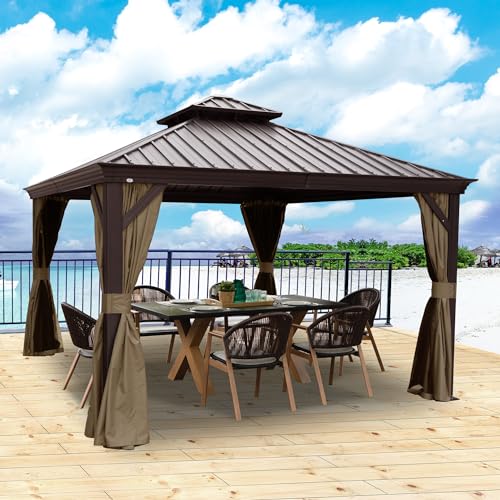
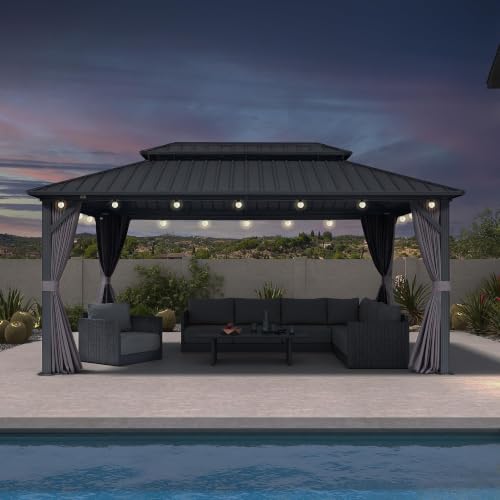
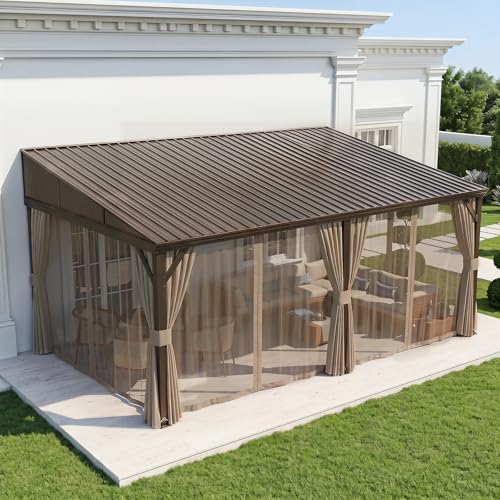

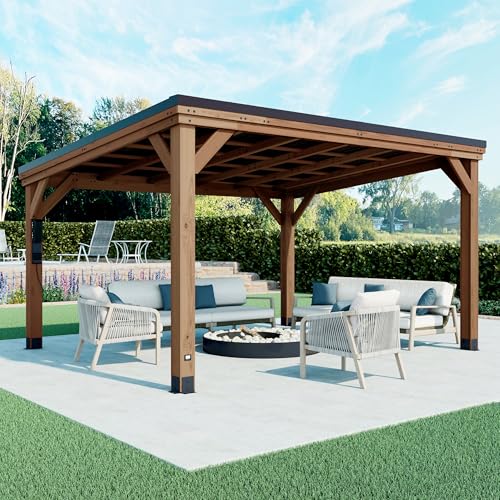
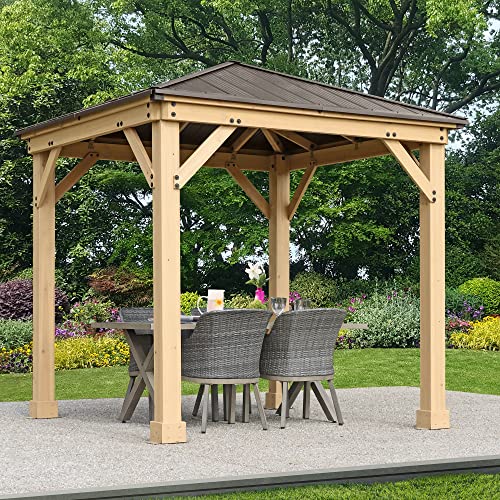

Aluminum vs Wood Gazebo: Comparison Table
Use the product table above for current sizes and prices, and use this quick summary for the material call itself. Aluminum wins on upkeep, insect resistance, and ease of assembly. Wood wins on solid feel, repair options, and classic appearance. Neither material wins on every point, and the right call depends on whether you value time saved on upkeep or the character of natural timber.
- Weather care: Aluminum asks for very little, while wood needs its finish renewed on a regular cycle.
- Appearance: Wood offers natural grain and depth, while aluminum offers a slim modern profile.
- Assembly: Aluminum kits go up faster, while wood beams are heavy and slower to place.
- Strength feel: Wood feels more solid under hand, while aluminum feels lighter but still rigid when anchored well.
- Total cost: Aluminum usually costs less over time once wood finish products and labor are counted.
What Is an Aluminum Gazebo and What Is a Wood Gazebo?
Aluminum Overview
An aluminum gazebo is a manufactured frame made from extruded posts, beams, and roof parts, most often finished with a powder coat that gives the metal its color. The material will not rot, and insects have no interest in it, so the frame avoids two of the most common causes of outdoor structure failure. Aluminum parts are light for their size, which is why most models ship as kits with predrilled pieces and labeled hardware. The tradeoffs are a cooler industrial feel, a surface that can dent under a hard impact, and a finish that is difficult to change once you own it.
Wood Gazebo Overview
A wood gazebo is built from solid lumber, commonly cedar or pine that has been treated to resist decay. Each board carries natural grain and small variations in tone, and the finished structure reads as part of the garden rather than as a product placed in it. Wood feels warm to the touch and gives a gazebo the substantial presence of a small building. You can buy wood as a kit with precut parts or have it built on site to fit your lot. The tradeoff is weight, along with a finish that needs ongoing attention to protect the lumber from water and sun.
Key Differences
Six factors separate these two materials in daily use: weather resistance, size, assembly, durability, warranty cover, and total price. Reading them in order will show you where each material earns its cost.
Build Materials and Weather Resistance
Aluminum starts with an advantage because the metal itself does not absorb water. A sound powder coat shields the frame from rain, and the posts will not warp, twist, or split as seasons change. Scratches that cut through the coating deserve a prompt touch up, since exposed metal can oxidize at that spot. Wood behaves the opposite way. Lumber takes in moisture whenever its finish wears thin, and repeated wetting and drying can lead to cracks, warping, and decay. Cedar resists decay better than most lumber, but even cedar needs a maintained finish to shed water year after year.
Size and Capacity
Both materials are sold in the same common footprints, such as 10 by 10 feet, 10 by 12 feet, and 12 by 12 feet, and both can seat about six to ten people depending on furniture layout. Aluminum kits come in fixed sizes only, so the footprint you order is the footprint you keep. Wood offers more freedom because a site built structure can stretch to fit an odd lot or a wider patio. Post thickness also matters for capacity. Thicker wood posts can carry a heavier roof and wider spans, while aluminum designs rely on engineered joints to reach the same spans with slimmer parts.
Assembly
Aluminum kits are the friendlier weekend project. The parts are light enough for two adults to carry, the holes are drilled at the factory, and the instructions follow a set order with labeled hardware. Plan on a full weekend, a level base prepared in advance, and calm weather, because large roof panels are awkward to hold in wind. Wood assembly is heavier work. Long beams can need three or four helpers to lift safely, and site built versions add cutting and fitting that stretch the job across several days. Before either build, check local rules on permits, setbacks, and footing depth.
Durability
Aluminum endures by ignoring the things that destroy wood. It will not rot, and boring insects cannot feed on it, so its main enemies are physical damage and loose joints. Check the frame bolts once a year and tighten any that have worked loose, and expect a dent rather than a crack if a branch falls on the roof. Wood endures through mass and through care. Thick posts shrug off knocks that would dent metal, and a well anchored wood frame feels very steady in wind. Its weak point is the ground line, where posts that touch soil decay fastest, so posts should sit on raised footings.
Warranty
Warranty terms differ in a way that reflects how each material fails. Aluminum kits often carry longer cover on the frame because the maker controls the finish and the metal does not depend on your upkeep habits. Wood cover tends to be shorter, and it often excludes decay and weather damage, since the maker cannot control whether you renew the finish on schedule. Read the exclusions before you buy, not after a claim. Note what voids cover, such as poor anchoring or a base that lets water pool, and keep your receipt plus photos of the finished build in case you ever file.
Price and Value
For common sizes, aluminum kits often run about $400 to $2,000, while wood kits often run about $1,300 to $4,000, and a custom wood build can cost more than either. Delivery, a prepared base, anchoring hardware, and paid assembly help add to both totals, so compare the full installed cost rather than the kit price alone. Wood also adds a recurring bill for stain or sealer plus the hours to apply it. Aluminum value shows up over time, since its ongoing costs stay close to zero. Judge value by cost per year of use in your yard, not by the sticker.
Which Should You Buy?
Choose Aluminum If You Want Low Upkeep
Choose aluminum if your weekends are already full and you know finish work would slip. It suits humid regions where wood decay moves fast, yards with a history of carpenter bees or termites, and modern homes whose trim and fencing already use clean metal lines. It also suits renters of long term homes and owners who may move within a few years, since a kit can sometimes be taken down and rebuilt. If you want shade in place this month with the least ongoing effort, aluminum is the practical answer.
Choose a Wood Gazebo If You Love Natural Timber
Choose wood if the gazebo is the centerpiece of a garden you plan to enjoy for many years. It suits traditional homes, wooded lots, and buyers who enjoy hands on projects and will happily restain the frame every two or three years. Wood also suits anyone who wants a structure built to an exact footprint or matched to an existing deck. If the look and feel of real lumber matter more to you than the hours spent caring for it, wood rewards that commitment every time you sit under it.
Other Options to Consider
Steel is the main third material worth a look. A steel frame is heavier than aluminum and feels very rigid once anchored, which appeals to buyers on open windy sites who find aluminum frames too light in the hand. Steel kits usually sit between aluminum and custom wood on price, and the parts are manageable for two adults, though the weight slows every step of the build.
The drawback is rust. Steel depends entirely on its coating, and any deep scratch or chipped edge needs prompt attention before corrosion spreads under the finish. Delivery and handling also take more care, since one dropped beam can damage both the part and the surface below it. Pick steel only if its extra rigidity matters to you and you accept the touch up routine that protects it.
FAQ
Is Aluminum Better Than Wood for a Gazebo?
Neither material is better for every yard, but one detail often settles the question: color change. Wood can be repainted or restained in a new tone when you repaint your siding or change your garden scheme, so the structure can evolve with the house. An aluminum frame keeps its factory color for life, because repainting powder coat well at home is very difficult. If you like to refresh the look of your yard every few years, that flexibility may matter more than any spec.
What Is the Main Difference Between Aluminum and Wood Gazebos?
The main difference is that aluminum is a manufactured material with uniform parts, while wood is a natural material that varies from board to board. One result you will notice right away is sound. Rain on a metal roof is clearly audible and many people find it pleasant, while a shingled wood roof muffles the same rain to a softer patter. If you plan to hold conversations or read under the roof during showers, sit under both roof types at a display yard before deciding.
Which Is Easier to Clean, an Aluminum or a Wood Gazebo?
Aluminum is easier to clean. Wash the frame and roof with a garden hose, a bucket of water with mild soap, and a soft brush, then rinse and let it dry. Wood needs a gentler touch, since a pressure washer held close can raise the grain and strip the finish you are trying to preserve. Clean wood with a soft brush and a cleaner made for outdoor lumber, working along the grain, and plan cleaning for early in the season so any finish repairs can follow right after.
Which Gazebo Material Lasts Longer, Aluminum or Wood?
Local air matters more than most buyers expect. Near the coast, salt in the air can pit aluminum at every scratch and fastener, which shortens the life of a frame that would thrive inland. In a dry inland climate, that same aluminum frame faces few threats, while wood still battles sun damage and large swings between dry days and wet ones. Match the material to your air and your upkeep habits, and either one can serve for many seasons.
Final Thoughts
Aluminum gives you a light frame, simple assembly, and years of use with almost no routine care beyond a wash and a bolt check. Wood gives you natural beauty, a solid feel, and freedom in size and finish, paid for with regular sealing and heavier building work. Before you order, walk your site, confirm the footprint, and look once more at the product table above for current sizes and prices. Pick the aluminum vs wood gazebo option that fits the time and effort you will honestly give it, and the structure will earn its place in your yard.