Best Aluminum Gazebo (2026): Roof, Size and Anchoring
Disclosure: We may earn a commission when you buy through links on this page, at no extra cost to you. As an Amazon Associate I earn from qualifying purchases. Learn more

Best Aluminum Gazebo guide: compare hardtop, soft top and pop up frames by roof, size, anchoring and budget before you pick a backyard shelter.
Choosing an aluminum gazebo sounds simple until you compare roof panels, frame thickness and anchoring hardware side by side. The best aluminum gazebo for your yard is the one that fits your space, stands up to your weather and goes together without guesswork. This guide compares gazebo types and the buying factors that matter most, including build quality, size and capacity, and assembly.
Use the product table below to see real models, then read on for sizing, materials and anchoring advice. If you are still weighing the broader category, our guide to the best gazebo covers other frame materials and roof styles too.



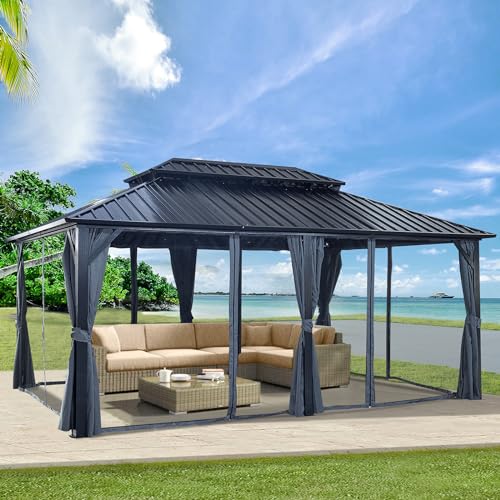
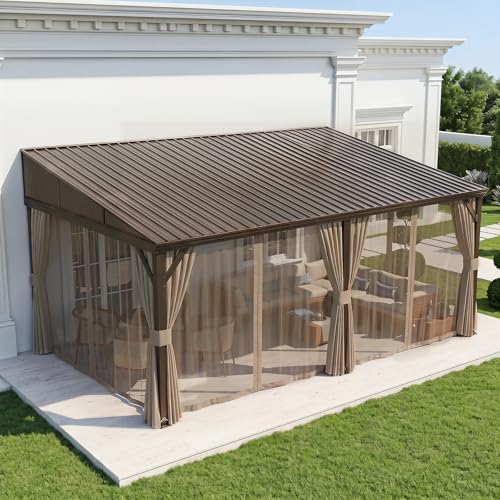
Aluminum Gazebo Types Compared
Aluminum frames come in three broad types, and the right one depends on whether the gazebo stays up all season or only comes out for gatherings. Each type below trades permanence, weather strength and setup effort in a different way.
Hardtop Gazebos for Permanent Placement
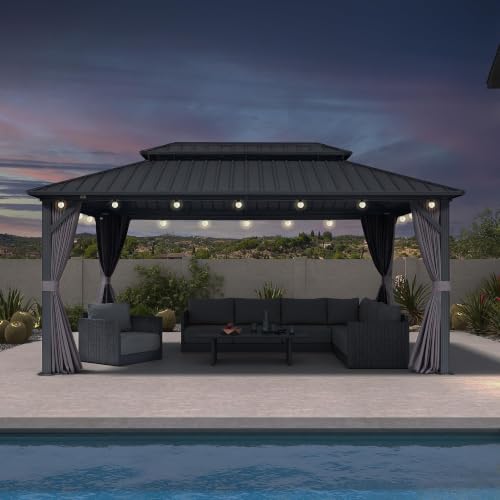
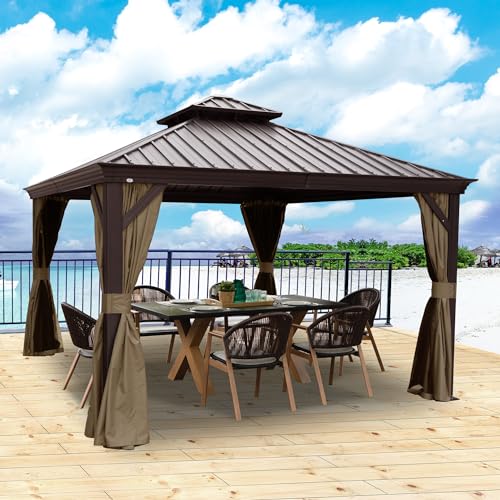
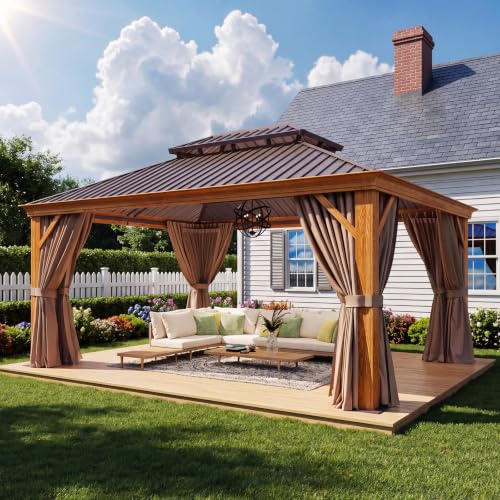
A hardtop model pairs an aluminum frame with a fixed roof of metal or polycarbonate panels. This is the type to choose when the structure will stay in one spot through rain, sun and moderate snow. The roof sheds water instead of pooling, and the frame is built to be anchored to a patio or deck for the long term. The trade off is effort. Panels and beams arrive in many pieces, assembly takes hours, and moving the gazebo later means taking much of it apart again.
Soft Top Gazebos for Flexible Shade
A soft top model uses a fabric canopy stretched over an aluminum frame. It costs less than a hardtop, weighs less and goes up faster, so it suits renters and anyone who wants shade for the warm months only. The canopy is also the weak point. Fabric fades, tears and must come down before strong wind or snow, and you will likely replace it sooner than any metal part. Our comparison of hardtop vs soft top gazebo designs explains when each roof style makes sense.
Pop Up Gazebos for Occasional Use
A pop up model folds open in minutes and packs into a carry bag, which makes it handy for markets, tailgating and a spare shaded spot during a party. Aluminum keeps the folding frame lighter than steel versions of the same size. Treat it as temporary shelter, though. The scissor style frame and thin canopy are not built for storms or for staying up week after week, and the legs need weights or stakes every single time you open it.
How to Judge an Aluminum Gazebo
Listings often lead with footprint and price, but the details that decide how a gazebo ages are quieter ones. Look at the stated frame gauge, the roof material and thickness, the anchoring hardware in the box and the length of the frame warranty. Check whether replacement canopies, panels and small parts are sold separately, since a structure you can repair is worth more than one you must replace whole. Finally, read the manual before you buy if it is posted online. Clear instructions and labeled parts predict a calmer build day.
How to Choose the Right Gazebo
Size and Form Factor
Common footprints run from 10 by 10 feet up to 12 by 20 feet, with square, rectangular and hexagonal shapes in between. A 10 by 10 foot model seats about four to six people around a small table. A 10 by 12 or 12 by 12 foot model fits a dining set for six with room to walk around it. Larger footprints such as 12 by 16 or 12 by 20 feet can cover a lounge set and a dining area at once, but they also catch more wind and need a bigger, level site.
Type
Decide first whether the gazebo is permanent or seasonal, since that choice narrows everything else. Permanent spots point to a hardtop with a metal or polycarbonate roof. Seasonal shade points to a soft top with a canopy you can remove. Grill gazebos are a smaller, narrower type with shelves and a vented roof, and screened models add mesh walls that suit buggy evenings. Freestanding frames are the norm in aluminum, so plan on anchoring rather than attaching the structure to your house.
Features Worth Paying For
Mosquito netting earns its cost in areas with biting insects, and curtains add privacy plus shade on low sun sides. A double tier roof vents hot air and reduces lift in a breeze, which helps both comfort and stability. Hooks or tracks in the center beam make it easy to hang a light or fan rated for outdoor use. Solar lights are a nice extra but should never drive the purchase. Spend first on frame, roof and anchoring, then add comfort features with what is left.
Weather Resistant Materials
Aluminum does not rust the way steel does, which is its main advantage outdoors, but the finish still matters. A powder coated surface guards against scratches and fading, and chips should be touched up so moisture stays out of joints. Roof choice drives weather strength. Galvanized steel panels handle snow and hail best, polycarbonate panels are lighter and let in soft light, and fabric canopies handle rain only when the water can run off. Check the stated wind and snow ratings, and treat them as limits rather than guarantees.
Size for Your Space
Measure the patio, deck or lawn area before you shop, then compare that number with the footprint at the legs, not the wider roof overhang. Leave at least 2 feet of clearance on each side so you can walk around the posts and open curtains fully. On a deck, confirm the structure and its anchor points will not block doors, stairs or railings. Shoppers focused on a paved area can also read our guide to the best gazebo for patio setups for placement ideas that suit hard surfaces.
Assembly and Anchoring
Most aluminum gazebos need two adults and several hours, a ladder, a drill and patience with many similar looking bolts. Sort and label the hardware before you start, and keep every bolt loose until the frame is square, then tighten in stages. Anchoring is not optional. Bolt the posts to a concrete slab or deck where allowed, or use heavy weights and stakes on lawn. Our walkthrough of how to assemble a gazebo covers the build sequence in more depth.
Care and Off Season Storage
Wash the frame with mild soap and water a few times a season and rinse the roof so grit does not grind into the finish. Clear leaves and standing water off the roof after storms, and remove a fabric canopy before winter so snow load does not stretch or tear it. Hardtop models can stay up in many climates if anchored well, but panels and hardware deserve a check each spring. Store curtains and netting dry and indoors, since damp fabric mildews quickly in a closed bin.
How Much Should You Spend?
Pop up models often cost under $200 and buy convenience rather than durability. Soft top gazebos commonly fall between about $200 and $500, with size and canopy quality driving the spread. Hardtop models usually run from about $500 to $2,000, and large footprints with steel roof panels can reach about $3,000. Higher prices generally buy thicker frames, stronger roofs and longer warranties, not just looks. Set your budget after deciding on type and size, because a cheap model in the wrong type is money spent twice.
Aluminum vs Other Gazebos: Pros and Cons
Aluminum sits between wood and steel in weight, upkeep and price. It will not rot like wood or need repainting against rust like steel, and one or two people can move its parts without machinery. Wood looks warmer and can be stronger in very large structures, but it needs sealing and costs more. Our side by side on aluminum vs wood gazebo frames covers that choice in detail. Steel frames can be cheaper at the same size, yet they are heavier and any scratch in the coating can start rust.
The honest downsides of aluminum are worth knowing. Thin walled posts can dent if struck, and a light frame moves more in strong wind until it is anchored well. Aluminum also costs more than basic steel at the same footprint. For most backyards, though, the low upkeep wins out, and readers planning a lawn setup may also like our guide to the best gazebo for backyard layouts. Choose aluminum when you want a lasting structure without yearly sealing or rust treatment.
FAQ
Are aluminum gazebos worth it?
Yes, for most buyers who plan to leave a gazebo up for the season or longer. Aluminum asks for far less upkeep than wood or steel, since it does not rot and does not rust through when the finish is scratched. The higher price compared with basic steel frames buys that freedom from sealing and rust care. If you only need shade twice a year, a cheaper pop up still makes more sense than any fixed aluminum model.
How long does an aluminum gazebo last?
The frame itself can serve for many years because aluminum does not rust away, and the roof usually decides the real lifespan. Fabric canopies often wear out first, sometimes within a few seasons of hard sun. Polycarbonate panels last longer but can yellow or crack after years of storms. Metal roof panels tend to last the longest of the three. Keeping spare hardware and touching up finish chips promptly helps the whole structure reach the long end of its range.
Is a gazebo worth it for a small yard?
It can be, as long as the footprint leaves walking room around the posts. A 10 by 10 foot model often works in a modest yard and still shades a table and chairs. Square shapes fit corners more neatly than hexagonal ones, which need a wider clear circle. Also check local rules before you build, since some towns and homeowner groups limit structure size, height or distance from the property line, and a permit may be required.
How do you clean an aluminum gazebo roof?
Start from the ground with a garden hose and a soft brush on a long handle, working from the top panels downward so dirty water does not streak clean sections. Use mild soap only, since harsh cleaners can dull the coated finish and cloud polycarbonate panels. Never climb onto the roof or lean your weight on a panel. Cleaning in the morning helps too, because soap dries more slowly and rinses off without spots on a cool surface.
How do you choose a reliable aluminum gazebo brand?
Judge a brand by what it offers after the sale rather than by its listing photos. Look for a written frame warranty, a parts list with individual pieces you can order, and a support contact that answers questions about replacement canopies and panels. Brands that publish full manuals and clear load ratings for their models give you a way to verify claims before paying. A company that sells spare parts for older models is also a good sign for long term ownership.
Final Thoughts
The right choice comes down to fit, roof type and anchoring more than any single spec. Match the footprint to your measured space, pick a hardtop for a permanent spot or a soft top for seasonal shade, and budget for the hardware that keeps the frame planted. The product table above can help you compare models quickly. Chosen with care, the best aluminum gazebo for your home will give you seasons of shade with very little upkeep.