
All-Clad vs Made in: Which One Fits Your Home Better? (2026)
Disclosure: We may earn a commission when you buy through links on this page, at no extra cost to you. As an Amazon Associate I earn from qualifying purchases. Learn more

All-Clad vs Made in: see how they differ in everyday use, features and value, and which one makes more sense for your home and budget.
You are standing in a kitchen with one cabinet already full, a stove that has to handle rushed eggs on Monday and a slow sauce on Sunday, and a budget that still has to cover the rest of the house. In that moment, the choice of all-clad vs made in stops being about brand names and starts being about your rooms, your routines, and the people you feed.
This guide compares the two brands the way a household actually lives with them. We look at cabinet space, household size, daily handling, cleaning effort, and the full cost of owning a set over many years. The comparison table below gives you the short version before the details.

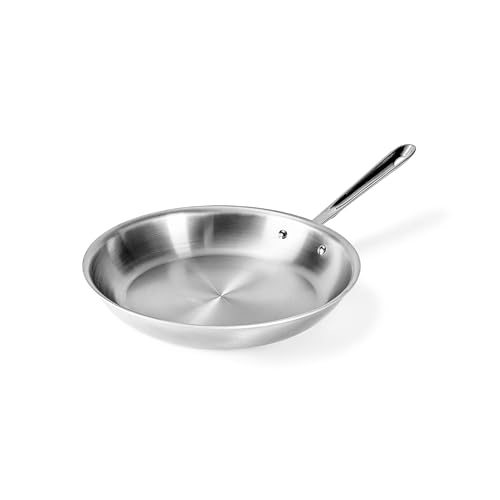
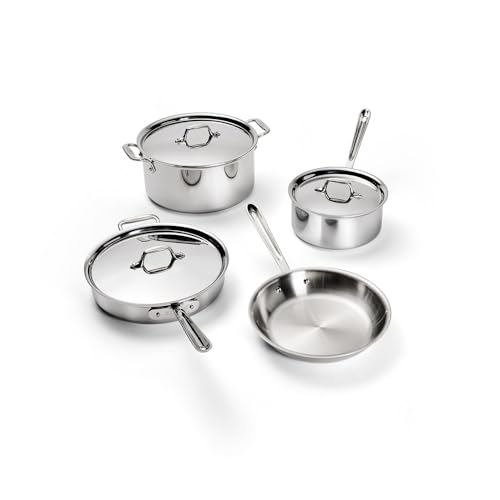
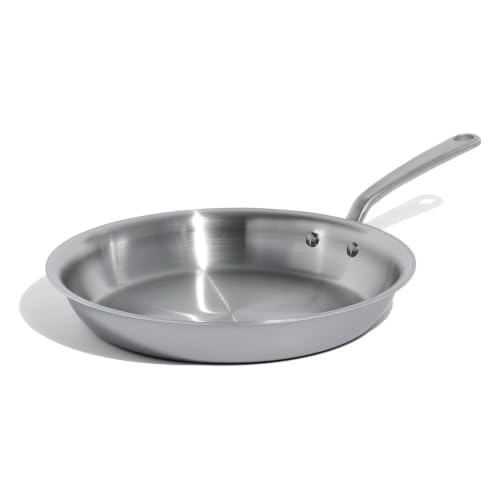


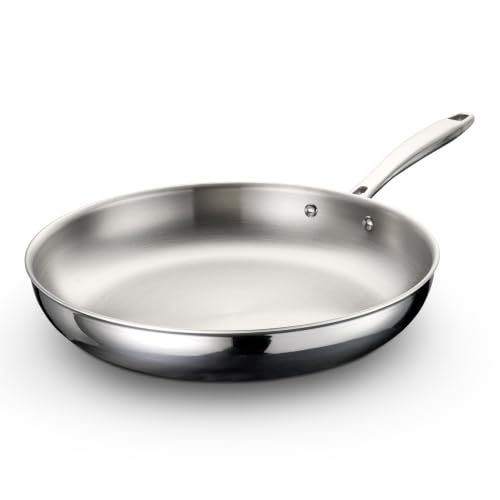
All-Clad vs Made In at a Glance
Both brands sell clad stainless steel cookware, meaning layers of metal bonded together so the pan heats evenly and the cooking surface has no coating to wear away. The split between them is mostly about choice. All-Clad offers several constructions and a very wide range of sets and single pieces, while Made In keeps a tighter lineup and sells directly to you. If you want the wider market view first, our guide to the best cookware set shows how stainless sets compare with other materials.
| Criterion | All-Clad | Made In | Edge |
| Constructions | Several lines, three layer to five layer | One stainless clad line, five layer | Depends on how much choice you want |
| How you buy | Stores and online retailers | Mostly direct online | All-Clad for shopping in person |
| Set sizes | Many sets, small to very large | Fewer curated sets and singles | All-Clad for big households |
| Handle feel | Long handle with a deep groove | Rounded handle, hollow core | Personal comfort decides |
| Price pattern | Higher list prices, frequent store sales | Lower list prices, fewer deep sales | Made In at list, All-Clad on sale |
Meet the Contenders: All-Clad and Made In
All-Clad Overview
All-Clad started in Canonsburg, Pennsylvania, and built its name on bonded metal cookware. Its stainless collections are still made in Pennsylvania, and the range has grown to cover three layer, five layer, and copper core constructions. For a home buyer, that range cuts both ways. You can match a line to your budget and your strength, but you also have more homework to do before you buy.
The brand is sold through many kitchen stores and large retailers, so you can usually pick up a skillet, feel the handle, and judge the weight before spending anything. Sets run from small starter collections to very large ones for big families, and single replacement pieces are easy to find years later.
Made In Overview
Made In is a much younger company, founded in Austin, Texas, and built around selling directly to home cooks online. It works with factories in the United States and Europe, and its stainless clad line uses a five layer construction. The catalog stays deliberately narrow: a set of core pieces, sold as curated sets or one piece at a time.
The company built its early reputation supplying restaurants before home cooks adopted the same pieces. The trade off is that you order without holding the pan first. Weight, handle shape, and lid fit have to be judged from measurements and photos, which asks a little more care from first time buyers of heavy cookware.
Head to Head: Where They Really Differ
Heat Distribution
With All-Clad, heat behavior depends on the line you choose. The three layer construction carries an aluminum core, so pans heat quickly and respond fast when you lower a burner. The five layer construction adds stainless inside the core, so heat spreads a touch more evenly and holds steadier, but adjustments take a little longer to show.
Made In removes that decision by offering one stainless construction. Its five layer build spreads heat evenly across the base and up the sides, so sauces cook at the edges as well as the center, and a crowded skillet browns food in a more uniform pattern. The response to burner changes sits between the two All-Clad styles described above, and that single predictable behavior is easy to learn.
Durability
Both brands build pans that should outlast several sets of nonstick cookware. The stainless cooking surface cannot peel, the bonded layers resist the dents and soft spots that thin pans develop, and the handles are fixed with sturdy rivets. Both brands handle metal utensils and daily stacking in a cabinet.
The honest difference is track record. All-Clad pans have been in home kitchens for decades, so long term behavior is well documented by owners: rims stay true, bases stay flat, and handles stay tight. Made In uses the same construction principles and similar materials, but its oldest pans are far younger, so the longest claims rest on design rather than on thirty years of family use.
Material Safety
The stainless lines from both brands put plain stainless steel against your food. There is no nonstick coating to degrade at high heat and nothing to season or maintain, which many families prefer for everyday pots that move between stove, oven, and sink. You can cook acidic foods such as tomato sauce for hours without the surface reacting in a way that harms the pan or the meal.
One point deserves care. Stainless steel contains nickel, and a small number of people have a nickel sensitivity that shows up with cookware as well as with jewelry. If you know you react to nickel, talk with your doctor about suitable cookware materials before you invest in any stainless set from either brand. For everyone else, stainless remains a simple, stable surface with no special handling rules.
Stovetop and Oven Compatibility
Both brands cover the stoves you are likely to own now or buy next. The stainless lines use a magnetic exterior layer, so they work on induction as well as on gas and electric burners. That matters if you plan a kitchen update in the next few years, since a set bought today can carry over to an induction stove without being replaced.
In the oven, both brands handle the jobs home cooks actually do: finishing a skillet of chicken, baking a frittata, or keeping a casserole warm for a late arrival. Exact temperature limits vary by line and by lid, and glass or silicone parts always lower the limit, so check the guidance for the specific piece before broiling.
Cleaning
Daily cleaning is nearly identical. Let the pan cool a little, soak it in warm soapy water, and use a soft sponge or a nylon brush for anything stuck around the rivets. Food that seems welded on usually loosens if you simmer a little water in the pan for a few minutes. Rainbow tint from heat and white spots from minerals look alarming but are harmless, and a splash of vinegar on a cloth removes most of them.
Both brands say many pieces may go in the dishwasher, yet hand washing keeps the exterior bright and the edges of the base in better shape over the years. If the thought of scrubbing stainless every night genuinely puts you off cooking, many homes keep one nonstick skillet just for eggs alongside a stainless set. Our t-fal ultimate hard anodized review covers that kind of companion pan.
Price and Value
Expect broadly similar money for broadly similar metal. A large skillet from either brand often lands at about $100 to $250, and full sets range from about $500 to $1200 depending on piece count and line. All-Clad list prices usually sit higher, but store sales, coupons, and holiday events cut them often enough that patient shoppers rarely pay full price. Made In list prices start lower, sets are priced below the cost of the same pieces bought singly, and deep discounts are less common.
Value for a household is really cost spread over years of meals. A stainless set that serves for twenty years, with no recoating and no replacement cycle, costs only a small amount per year even at the top of the range above. Readers who are also weighing premium European stainless may find our demeyere industry 5 review useful for comparing what extra money buys at that level. For most homes, the smarter question is not which brand is cheaper this week, but which set you will still enjoy using daily a decade from now.
Our Recommendation for Your Home
Pick All-Clad If
Choose All-Clad if you like to shop in person and hold a pan before you commit, or if your household is large and you want a big set in a single purchase. It also fits cooks who want a real choice of weight and heat response, since the lighter three layer line is much easier on the wrist than most five layer pans when a pot is full.
Pick Made In If
Choose Made In if you are building a smaller collection piece by piece, perhaps for a first house or a compact kitchen where every cabinet slot counts. It suits buyers who are happy ordering online, who want one clear construction without comparing several lines, and who prefer a lower starting price for five layer cookware. The rounded handle also wins over many cooks with smaller hands.
Not Sold on Either? One More Option
Sometimes the real problem is not the metal but the storage. If your cabinets are shallow or already crowded, a stainless set from either brand above may simply not fit your home, no matter how well it cooks. In that case, sets built around removable handles stack flat and reclaim a surprising amount of space. Our tefal ingenio review looks at that approach in detail. For small apartments and motorhomes, it can be the option that actually works.
Your Questions, Answered
Which lasts longer, All-Clad or Made In cookware?
Either set can serve a household for decades, because the construction leaves little to wear out beyond surface scratches. The practical edge goes to the brand you can service easily: both offer strong warranty support, but keep your proof of purchase and note that warranty terms can treat heavy commercial use differently from home use.
Which is easier to clean, All-Clad or Made In?
Day to day, the two are effectively tied, and the small differences are about timing more than brand. Filling a warm pan with warm water right after cooking, before starches and proteins dry, saves more scrubbing than any product choice. One household detail does differ: a polished exterior tends to show fingerprints and dried drips more clearly in bright kitchen light, so pans on open shelves may need a quick wipe more often.
What is the main difference between All-Clad and Made In?
The main difference is the buying experience wrapped around similar metal. All-Clad sells a wide range through stores, so help, exchanges, and extra pieces are a short drive away. Made In sells a narrow range directly, so everything happens by parcel, including returns. That last point matters more than people expect: sending back a heavy box of cookware takes effort, so measure your stove and cabinets carefully before ordering a full set from either brand online.
All-Clad vs Made In, Which Is Better for Most Homes?
For most homes, the better brand is the one whose handle feels right in your hand and whose set matches the pans you truly use each week. Extra pieces you never touch waste cabinet space and budget that could go toward one excellent skillet instead. Gift buyers should note one more detail: All-Clad is simpler for relatives to find in a local store, while Made In suits gift givers who know the household is comfortable ordering and exchanging online.
The Bottom Line
All-Clad gives you range, store access, and a long record in family kitchens. Made In gives you a focused five layer lineup, direct pricing, and an easy start for smaller households. Look back at the product table above, count the people at your table, measure your cabinet once more, and the all-clad vs made in decision usually makes itself.


