
All-Clad vs Calphalon Roasting Pans: Which One Fits Your Home Better? (2026)
Disclosure: We may earn a commission when you buy through links on this page, at no extra cost to you. As an Amazon Associate I earn from qualifying purchases. Learn more
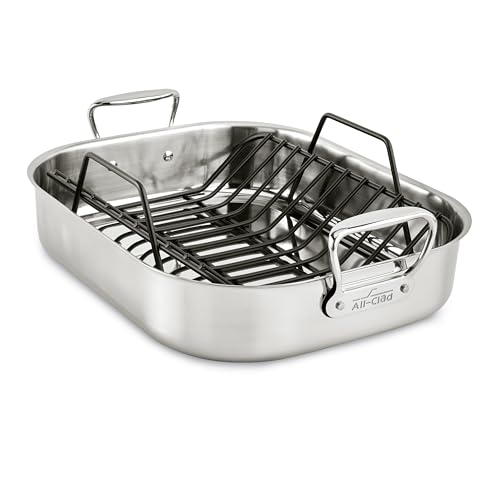
All-Clad vs Calphalon Roasting Pans: see how they differ in everyday use, features and value, and which one makes more sense for your home and budget.
Picture the scene an hour before guests arrive. The turkey is seasoned, the oven is hot, and the pan you bought years ago turns out to be too shallow for the bird and too wide for the rack. Choosing between an all-clad vs calphalon roasting pan is really about avoiding that moment. This guide compares the two brands through the lens of your home: the size of your oven, the number of people at your table, how often you roast, and how much washing up you will accept afterward. The comparison table below sums up the main differences before the detail.
Both brands can roast a chicken on a Sunday or a large bird for a holiday meal. They part ways on material, weight, price, and how much care the surface asks from you. Read on with your own kitchen in mind, because the right answer for a small apartment differs from the right answer for a house that hosts twenty people every November.



All-Clad vs Calphalon Roasting Pans at a Glance
The short version is simple. All-Clad builds roasting pans around bonded stainless steel and charges premium prices for them. Calphalon offers a wider spread of materials and prices, including lighter nonstick pans that suit occasional roasting. The table below uses broad brand tendencies, so always confirm the material and rating of the exact size you plan to buy.
| Criterion | All-Clad | Calphalon | Edge |
| Main materials | Bonded stainless steel | Stainless steel and nonstick aluminum | Depends on your priority |
| Heat spread | Even across base and sides | Even on steel, faster on aluminum | All-Clad for gravy making |
| Weight in hand | Heavier and very rigid | Often lighter, easier to lift | Calphalon for smaller cooks |
| Cleaning effort | Soaking and scrubbing at times | Food releases with less effort | Calphalon |
| Typical price | Premium | Moderate to mid range | Calphalon for budget |
| Best for | Frequent roasting over many years | Occasional roasting and easy cleanup | Depends on use |
Meet the Contenders: All-Clad and Calphalon
All-Clad Overview
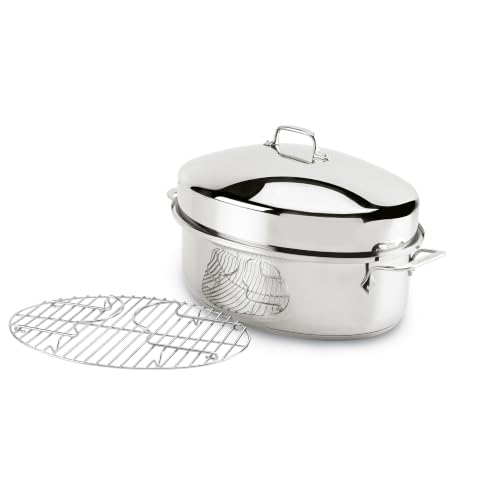
All-Clad built its name on bonded metal, where layers of stainless steel surround a core of aluminum so the pan heats evenly without the care demands of bare aluminum. Its roasting pans follow that same recipe, with upright handles riveted to the body and a polished steel interior that can take metal utensils and strong scrubbing. The pans feel substantial, and a loaded one asks for two steady hands and a confident grip. Prices sit at the top of the home market, which only makes sense if you roast often enough to use the pan for years.
Calphalon Overview
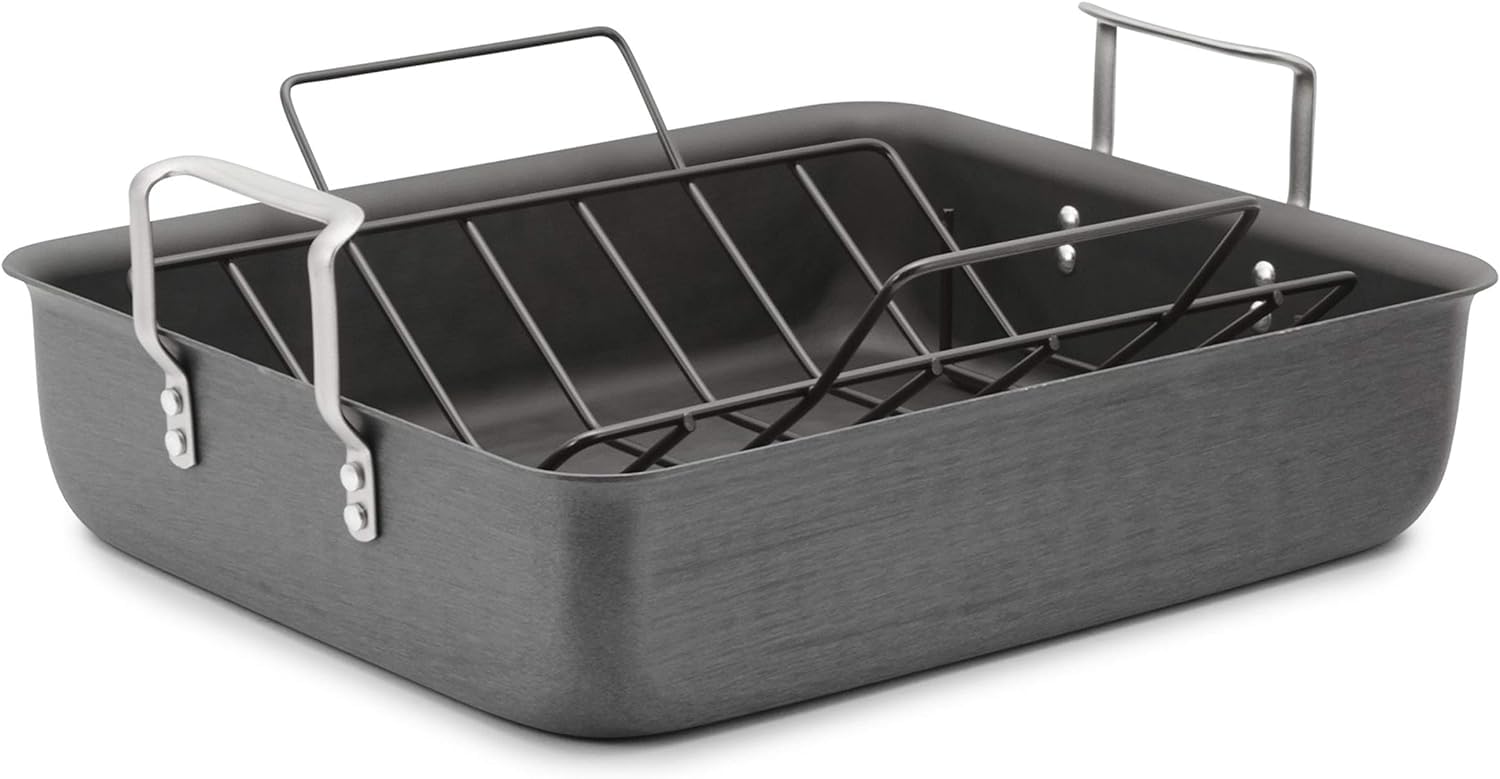
Calphalon takes a broader approach, selling roasting pans in more than one material so you can pick your tradeoff. Its stainless steel pans aim at durability and stovetop gravy making, while its hard anodized aluminum pans with nonstick interiors aim at easy release and gentler prices. Many Calphalon pans ship with a roasting rack included, which matters if you do not already own one. The range is lighter on average, a real plus when a full pan has to move from a low oven to the counter in a crowded kitchen.
Head to Head: Where They Really Differ
Heat Distribution: All-Clad vs Calphalon
Even heat decides whether the skin browns uniformly and whether the drippings color without scorching in one corner. The aluminum core inside an All-Clad pan carries heat across the whole base and partway up the sides, so vegetables tucked along the edges cook at a pace close to those in the center. Calphalon stainless pans with an aluminum core perform in a similar spirit. The nonstick aluminum pans heat quickly and evenly too, but the coating encourages gentler browning, so the fond you get for gravy tends to be paler and less intense.
Durability: All-Clad vs Calphalon
A stainless steel All-Clad pan has no coating to wear out, so its working life is mostly limited by warping or damage you cause, and the thick bonded base resists both. You can use metal spatulas, stack storage with care, and expect the same surface years later. Calphalon splits by material. Its stainless pans age in much the same way, while a nonstick interior slowly loses release with heat, abrasion, and time, even when you treat it kindly. If you buy nonstick, plan on eventual replacement as part of the bargain.
Material Safety: All-Clad vs Calphalon
Stainless steel is a stable, inert cooking surface, and it stays that way even when it discolors or picks up scratches, which is one reason All-Clad owners worry so little about the interior. With a Calphalon nonstick pan, safety comes down to using the coating as directed. Cook at the temperatures the maker allows, keep the empty pan off high heat, and retire it once the surface flakes or peels, since loose coating in food is not something to accept. When in doubt, check the care guide for your exact pan and follow the stated limits.
Stovetop and Oven Compatibility: All-Clad vs Calphalon
Roasting pans often do double duty, because the best gravy starts by browning drippings on the stove. All-Clad stainless pans handle that job on gas, electric, and most induction cooktops, and they tolerate the broiler when a recipe calls for a final blast of heat. Calphalon stainless pans cover similar ground, but plain aluminum pans without a steel plate in the base usually will not work on induction. Nonstick pans also tend to carry lower oven limits and broiler warnings, so read the rating before you plan a recipe around one.
Cleaning: All-Clad vs Calphalon
Cleanup is where the calphalon vs all-clad roasting pan debate gets personal, because a holiday pan goes into the sink at the end of a long day. Stainless steel holds onto baked drippings, and an All-Clad pan may need a long soak, a plastic scraper, and some patience before it looks bright again. A Calphalon nonstick interior usually wipes clean in minutes once the pan cools, and even its stainless pans often feel a touch easier because the shapes are simpler. Judge honestly how much scrubbing you will tolerate at midnight.
Price and Value
Price is the widest gap between these brands. An All-Clad roaster often lands in the range of about $150 to $300, while many Calphalon roasters sit around $60 to $150, depending on size and whether a rack is included. Value depends on frequency. A pan used fifteen times a year for a decade spreads its cost thin, while a pan used twice each November never earns back a premium price. Add the cost of a rack and replacement into your thinking, since a nonstick pan you replace twice may close the gap.
Our Recommendation for Your Home
There is no single winner here, only a better match for the way your household cooks and the space you cook in. Use the two lists below as a quick self test.
Pick All-Clad If
- You roast at least once or twice a month and want one pan to cover years of service.
- You make pan gravy on the stovetop and want strong browning and rich fond.
- You cook on induction or under a broiler and need a pan rated for both.
- You have cabinet room for a heavier pan and the grip strength to lift it loaded.
- You prefer to avoid coatings and the replacement cycle that comes with them.
Pick Calphalon If
- You roast a few times a year, mostly for holidays, and want a friendlier price.
- You value easy cleanup more than maximum browning or stovetop searing.
- A lighter pan matters because of a low oven, weak wrists, or a tight turn to the counter.
- Your storage is shallow, and a pan that nests or slides into a drawer suits you better.
- You are furnishing a first kitchen and would rather spread the budget across several tools.
Not Sold on Either? One More Option
If neither brand feels right, look beyond these two names before you settle. Enameled cast iron roasters hold heat beautifully and move from oven to table with style, while plain heavy gauge stainless pans from other makers can undercut both brands on price. The tradeoffs are weight, coating care, and how the pan behaves on your stove. Our guide to the best roasting pan compares the wider field by size, material, and budget, so you can see where these two brands sit before you spend anything.
Your Questions, Answered
Which roasting pan lasts longer, All-Clad or Calphalon?
Stainless steel lasts longest in both ranges, so an All-Clad pan or a Calphalon stainless pan can serve for decades with ordinary care. The gap appears with nonstick, where the coating is the wear point. One detail worth checking before you buy is the warranty paperwork, since coverage length and what counts as a defect differ between the two brands and between product lines.
Which is easier to clean, All-Clad or Calphalon?
Calphalon nonstick pans are easiest on the day, since cooled drippings release with a soft sponge. Stainless pans from either brand ask for soaking instead. A small extra tip for steel owners: rainbow heat tint on the interior is harmless discoloration, and a wipe with plain white vinegar on a cool pan usually lifts it without any scrubbing at all.
What is the main difference between All-Clad and Calphalon roasting pans?
The main difference is focus. All-Clad sells essentially one idea, bonded stainless steel made to a high standard at a high price. Calphalon sells a choice, so your first decision there is which material you want, and only then which size. That is why asking all-clad or calphalon roasting pan makes more sense after you decide how you feel about nonstick coatings and premium pricing.
Is All-Clad better than Calphalon for a roasting pan?
Better depends on the job in front of you. All-Clad pulls ahead on browning, stovetop range, and service life, while Calphalon pulls ahead on price, weight, and cleanup. A useful way to decide is cost per use: divide the price by how many roasts you realistically expect over the life of the pan, and the cheaper option per roast often surprises people.
What size roasting pan do most home cooks need?
Most households do well with a pan around 16 inches long, which handles a large chicken easily and a holiday turkey of about 18 to 20 pounds with room for air to circulate. Before ordering, measure the depth of your oven and the swing of its door, and remember that upright handles add length. A pan that fits the oven but not the sink will annoy you every single time you wash it.
Final Thoughts
Both brands earn their place in home kitchens, just for different reasons and different households. Choose stainless All-Clad when you roast often, cook gravy on the stove, and want a pan that shrugs off years of use. Choose Calphalon when you want lighter handling, simpler cleanup, and a price that fits a modest budget. Whichever way your all-clad vs calphalon roasting pan decision lands, check the size against your oven and the product table above against your budget, and you will buy once and roast happily.


