
All-Clad D3 vs D5: Which One Fits Your Home Better? (2026)
Disclosure: We may earn a commission when you buy through links on this page, at no extra cost to you. As an Amazon Associate I earn from qualifying purchases. Learn more
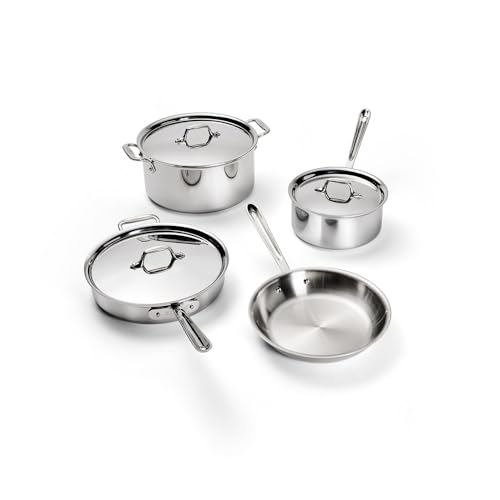
All-Clad D3 vs D5: see how they differ in everyday use, features and value, and which one makes more sense for your home and budget.
Picture a weeknight at your house. Pasta water is coming to a boil, chicken is browning in a skillet, and someone is asking when dinner will be ready. The pan you grab in that moment should feel steady in your hand, heat without drama, and wash up without a fight. That everyday reality is what separates all-clad d3 vs d5, two stainless lines that look similar on a shelf but suit different homes, household sizes, and budgets.
This guide compares the two lines by the things that matter once the box is open: how much cabinet and stovetop space each set asks for, how the pans feel when you cook for two or for a crowd, and what each line costs to own and maintain over time. The comparison table below gives you the short version first.

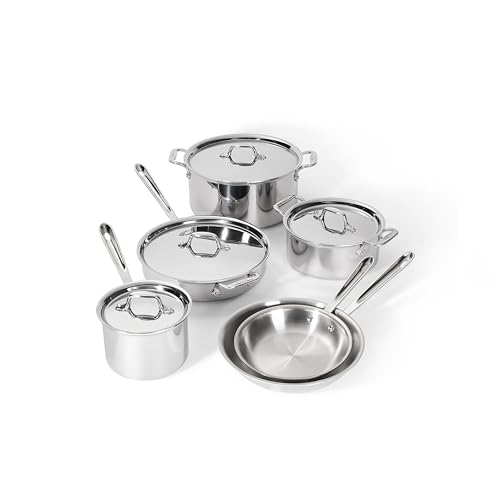


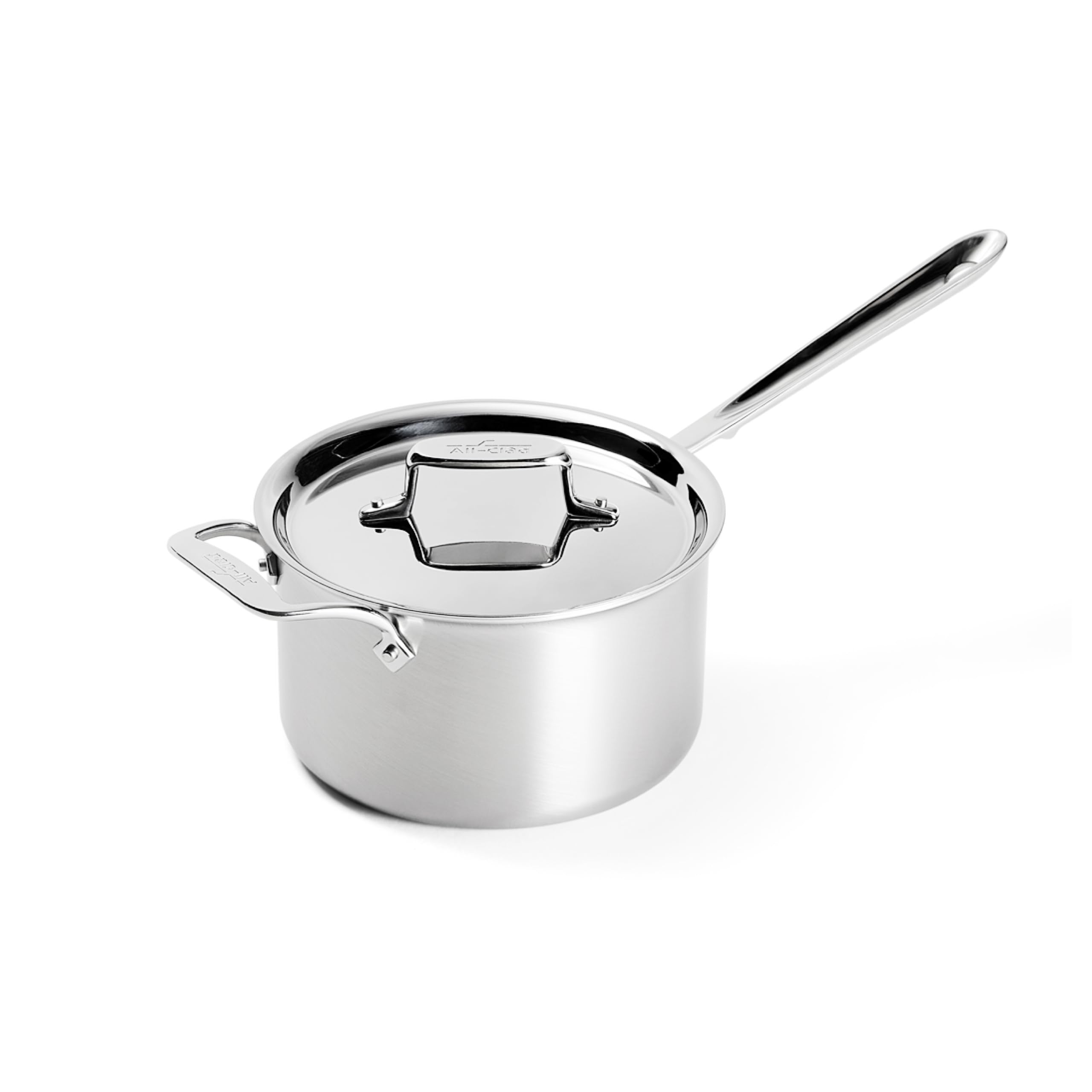
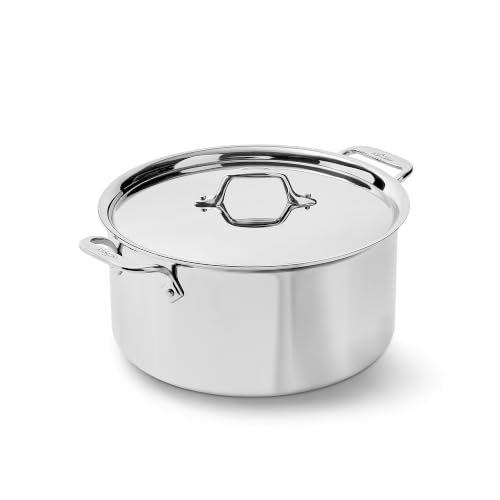

All-Clad D3 vs D5 at a Glance
Both lines bond stainless steel around aluminum, both work on induction, and both use a stainless cooking surface with no coating to wear out. The real split is layer count, and that one choice drives weight, heat behavior, finish, and price. If you are still comparing across brands and materials before narrowing down, our guide to the best cookware set shows how stainless sets stack up against other options for a family kitchen.
| Criterion | All-Clad D3 | All-Clad D5 | Edge |
| Construction | Three bonded layers | Five bonded layers | Depends on cooking style |
| Weight in hand | Lighter, easier to lift full | Heavier, more planted feel | D3 for smaller cooks |
| Heat response | Fast to heat and cool | Slower, steadier heat | D3 for control, D5 for evenness |
| Exterior finish | Polished, bright shine | Brushed, softer sheen | D5 hides wear better |
| Price level | Lower of the two | Higher of the two | D3 for value |
Meet the Contenders: All-Clad D3 and D5
All-Clad D3 Overview
D3 is the line most home cooks meet first. Each piece bonds three layers: a stainless cooking surface, an aluminum core that spreads heat, and a magnetic stainless exterior that works on induction burners. The result is a pan that feels noticeably lighter than it looks, which matters when you lift a full stockpot off the stove or drain pasta water at the sink. D3 pieces carry a polished exterior with a bright mirror shine, and the handles are the classic long stainless design held on with rivets. For apartments, smaller kitchens, and cooks who move pans around a lot, that lighter build is the main draw.
D5 Overview
D5 takes the same idea and adds two more layers, alternating stainless steel and aluminum for five bonded layers in total. Those extra layers give each pan more mass, so a D5 skillet sits on the burner with a planted, steady feel and resists the small temperature swings you get when cold food hits a hot surface. The exterior is brushed rather than polished, giving it a softer sheen that suits kitchens with matte appliances and hides fingerprints during daily use. D5 is sold as the more refined line, and you feel that refinement mostly as weight, stability, and a higher price tag on every piece.
Head to Head: Where They Really Differ
Heat Distribution
Heat behavior is the biggest practical difference between the two lines. D3 warms up quickly and cools quickly when you lower the burner, so it rewards cooks who adjust heat often, melting butter, softening garlic, or keeping a sauce just below a simmer. D5 spreads heat more evenly across the base and holds a steadier temperature, which helps when you sear several pieces of chicken at once or hold a large pot of soup at a gentle simmer for hours. Neither line has a bad burner day, but D3 feels responsive while D5 feels calm, and busy family cooking often favors calm.
Durability
Both lines are built for decades of use, with bonded layers that will not peel and riveted handles that stay tight. D5 has a small edge in daily wear because its brushed exterior shows scratches, scuffs, and fingerprints far less than the polished D3 finish, so it keeps looking tidy in an open shelving kitchen. The added mass of D5 also resists warping when a big pan meets a powerful burner. D3 is hardly fragile, though, and its lighter walls shrug off normal home use just as well. For both lines, the fastest way to shorten a pan life is heating it empty on high, so warm pans gradually.
Material Safety
With either line, your food touches only stainless steel. The aluminum that does the heat spreading is sealed inside the bonded layers, and there is no nonstick coating to scratch, flake, or replace every few years. That makes both lines a calm choice for households that cook acidic foods like tomato sauce often, since stainless handles long simmering without reacting with the food. One note for sensitive households: stainless steel contains a small amount of nickel. If someone in your home has a known nickel sensitivity, check the material details for the exact pieces you want and talk with your clinician about your personal needs before buying.
Stovetop and Oven Compatibility
Compatibility is a tie, and that is good news if your next home might have a different stove than your current one. The magnetic stainless exterior on both lines works on induction, gas, electric, and ceramic glass cooktops, and both lines are sold as oven safe, so a skillet can start a frittata on the burner and finish it under the broiler. Always confirm the limit for the exact piece and lid you own, since glass lids carry a lower limit than the pans themselves. In small kitchens, note that heavier D5 pieces reward a steady two hand lift when moving from oven to counter.
Cleaning
Day to day cleaning is nearly identical. Both lines tolerate the dishwasher, but hand washing keeps the finish looking better and only takes a minute once the pan has cooled. Warm water, a soft sponge, and dish soap handle most meals, and soaking a pan for fifteen minutes loosens browned bits without scrubbing. The brushed D5 exterior forgives water spots and faint marks more readily, while polished D3 shows every smudge until you dry it with a towel. If scrubbing stainless after every meal sounds like a deal breaker for your household, our t-fal ultimate hard anodized review covers a coated option built around easier cleanup.
Price and Value
D5 costs more than D3 piece for piece, and a full D5 set can run a few hundred dollars beyond the matching D3 set. What that extra money buys is even heat, a finish that hides wear, and a heavier feel, not a longer list of features. Value depends on how long you keep the set. A household that cooks daily for ten years spreads the D5 premium very thin, while a couple outfitting a first kitchen may never notice what the extra layers do. Buying fewer, well chosen D3 pieces often beats stretching for a large D5 set with pans you rarely touch.
Our Recommendation for Your Home
Pick All-Clad D3 if
Choose D3 if your kitchen is small, your storage is tight, or the main cook prefers lighter pans that are easy to lift, tilt, and wash. It suits couples and small families who cook varied weeknight meals, switch burners often, and want stainless quality without the premium price. D3 is also the smarter buy when you are building a set piece by piece over time, since individual pieces cost less and the money saved can go toward a larger stockpot or a second skillet that your household will actually use every week.
Pick D5 if
Choose D5 if you cook for a bigger household, batch cook on weekends, or keep large pots simmering for hours, since the steadier heat and warp resistance pay off most at that scale. It also fits homes where cookware lives on open shelves or a hanging rack, because the brushed finish keeps its looks with less polishing. If you are deciding all-clad d3 or d5 as a long term, buy it once purchase for a forever kitchen, and the budget allows the step up, D5 is the line that feels settled and substantial every single day.
Not Sold on Either? One More Option
If you like the five layer idea but want to compare another take on it before spending, Demeyere builds its Industry line around a similar layered stainless design with a different handle and finish approach. Our demeyere industry 5 review walks through how that line handles heat and cleaning in a home kitchen. Space pressed households have a different priority altogether, and for a small kitchen where every cabinet counts, our tefal ingenio review looks at a stacking design with removable handles that stores in a fraction of the room a full stainless set needs.
Your Questions, Answered
Which lasts longer, All-Clad D3 or D5?
Expect both lines to last for decades, because lifespan here depends far more on habits than on layer count. Pans that are heated gradually, cooled before washing, and stored without nesting damage hold up beautifully in either line. Both lines are backed by a manufacturer limited lifetime warranty against defects, so keep your proof of purchase somewhere safe. In real kitchens, the pan that gets retired first is usually the one that was overheated empty or scrubbed with steel wool for years, not the one with fewer layers.
Which is easier to clean, All-Clad D3 or D5?
The cooking surfaces clean the same way, but D5 is a little easier to keep looking clean. Its brushed exterior hides water spots, faint rainbow tint from heat, and small marks that stand out on polished D3. That heat tint, by the way, is cosmetic and harmless, and a paste of baking soda and water lifts most of it from either line. If appearance matters to you and your pans sit out in view, D5 asks for less towel drying and less fussing to stay presentable between meals.
What is the main difference between All-Clad D3 and D5?
The difference between all-clad d3 and d5 is layer count: three bonded layers in D3, five in D5. In daily use, you notice that difference less as better or worse food and more as weight in your hand and patience at the stove. D5 feels heavier and calmer, D3 lighter and quicker. For simple meals like eggs, grilled cheese, or reheated soup, most cooks at home would struggle to tell the two apart in a blind test, which is worth remembering before paying the premium.
Is All-Clad D3 better than D5?
Not overall, and asking all-clad d3 vs d5 which is better only makes sense once you name your kitchen. D3 is better for smaller spaces, lighter lifting, faster heat changes, and tighter budgets. D5 is better for big batch cooking, long simmers, and cooks who want the finish to hide wear. A useful test: think about the heaviest full pot you lift in a normal week. If that lift already strains your wrists with your current cookware, D3 is the honest answer, no matter how appealing the D5 spec sheet looks.
The Bottom Line
Both lines cook beautifully, and the right choice is the one that fits your rooms, your household, and your habits. When readers ask for a verdict on all-clad d3 vs d5, the honest answer is that D3 wins on lightness and value, while D5 wins on steady heat and a finish that hides the marks of daily life. Use the product table above to match each line against the way your family actually cooks, and buy the set you will be happy to lift, wash, and store every day for years.


