
All-Clad D3 12 Inch Fry Pan Review: Honest Pros, Cons & Who It's For (2026)
Disclosure: We may earn a commission when you buy through links on this page, at no extra cost to you. As an Amazon Associate I earn from qualifying purchases. Learn more

Thinking about the All-Clad D3 12 Inch Fry Pan? Our honest All-Clad D3 12 Inch Fry Pan review covers everyday pros and cons, who it suits.
A 12 inch stainless steel fry pan is the pan many households reach for more than any other, and this all-clad d3 12 inch fry pan review looks at the type from a home kitchen angle rather than a chef angle. The questions that matter most are practical ones. Does the size fit your stove and your storage? Will it cook dinner for your household without crowding? Is it easy enough to live with on a busy weeknight? Use the comparison table below to see how this style of pan sits alongside other fry pan types.
Instead of a star rating, this guide walks through construction, everyday cooking behavior, cleaning, and the true cost of owning a premium stainless pan.





What Defines a Fry Pan in This Class
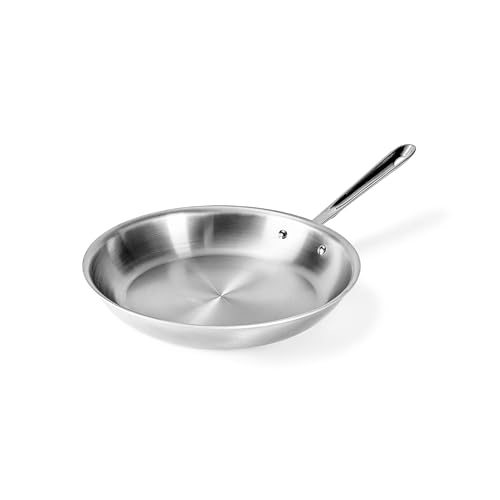
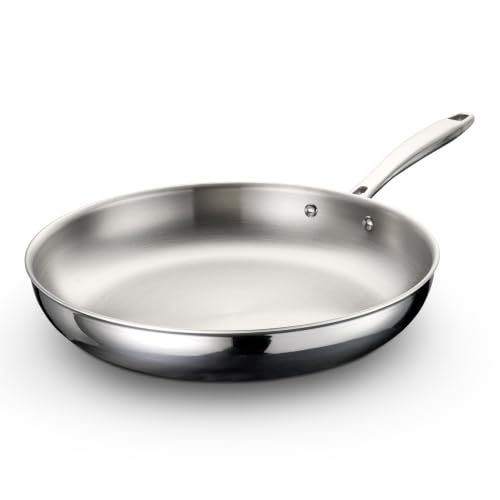
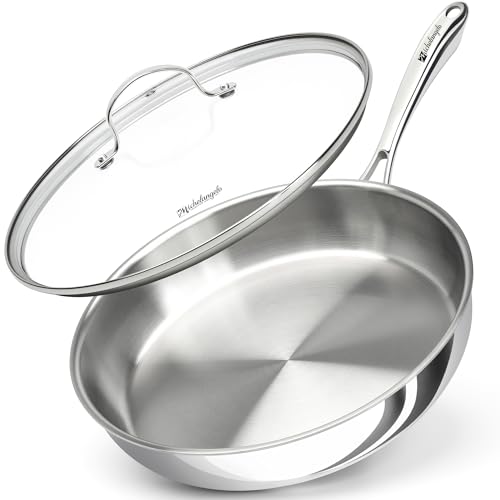
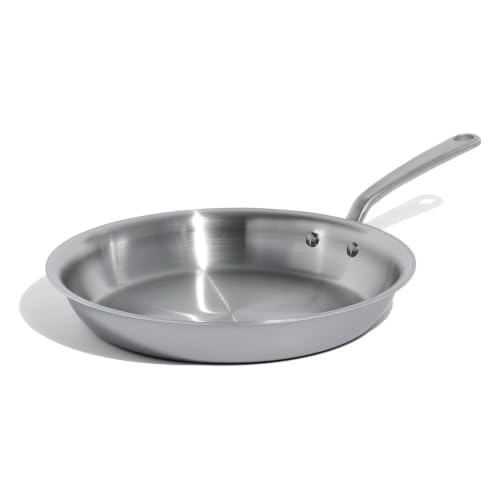
The reference point here is a 12 inch fry pan built with three layer bonded construction, often called tri ply. A core of aluminum runs through the base and up the sides, and stainless steel forms both the cooking surface and the exterior. That aluminum core is why this style heats more evenly than a plain stainless pan, because aluminum spreads heat quickly while the steel surfaces stay durable and easy to scrub.
The 12 inch size is the largest common fry pan diameter, with a flat cooking area noticeably smaller than the rim once you account for the sloped sides. The walls flare outward so food slides out easily and steam escapes instead of pooling, which helps browning. A long handle is standard at this size, sometimes paired with a small helper handle for lifting a full pan with two hands.
Build Details That Matter at Home
Weight is the first thing households notice. A bonded 12 inch pan is noticeably heavier than a thin discount pan, enough that pouring with one hand takes effort when the pan is full. That heft keeps the pan planted on the burner, resists warping, and holds heat when cold food lands in it. Still, if anyone in your home has limited wrist strength, the weight deserves honest thought before you buy.
Look at the handle shape and attachment. Riveted handles are the norm in this class and stay tight for decades, though the rivet heads inside the pan need a quick pass with a sponge. A smoothly rolled rim pours sauces and pan juices without drips running down the outside onto your stove.
How This Style Performs in Everyday Home Use
Heat Distribution
Even heating is the main reason to pay more for bonded construction. Because the aluminum core extends up the sidewalls, the edges of the pan cook at close to the same pace as the center. Pancakes brown evenly across the batch, onions soften without a scorched ring in the middle, and a pan sauce reduces at a steady simmer instead of boiling hard in one spot. This evenness also forgives the small hot spots that most home stoves have.
Durability
A stainless cooking surface has no coating to wear out, and that changes the long term math for a household. You can use metal utensils, stack the pan in a crowded cabinet, and scrub it hard after a messy meal without shortening its life. The realistic risks are cosmetic: heat tint, rainbow staining from high heat, and water spots in hard water areas. None of that affects cooking, and a powdered stainless cleanser restores the finish.
Material Safety
Stainless steel is a stable, non reactive surface for everyday cooking, and it handles acidic foods like tomato sauce and wine based pan sauces without picking up flavors. There is no synthetic coating to degrade at high heat, one reason many home cooks choose this style for searing. If anyone in your household has a nickel sensitivity, ask your clinician whether stainless cookware is a concern for you, since most steel alloys contain some nickel.
Stovetop and Oven Compatibility
Bonded stainless pans in this class work on gas, electric, ceramic glass, and induction cooktops, because the exterior steel layer is magnetic. Most are also oven safe to high temperatures and can go under the broiler, which suits dishes that start on the stove and finish in the oven, like a frittata or thick pork chops. Always confirm the rating on the listing before buying, since handles and lids usually set the limit, not the pan body.
Features You Will Actually Use
The flared sides earn their keep daily. They give a spatula easy access for flipping, let you slide an omelet onto a plate, and shed steam so vegetables saute instead of steaming in their own liquid. The helper handle, when a model includes one, makes moving a full pan of roasted potatoes from stove to oven far safer with two hands and oven mitts.
Living With It: Cleaning and Daily Upkeep
Stainless steel asks for one habit change if you are coming from coated pans. Preheat the pan first, then add oil, then add food, and proteins release cleanly once they have seared. Food that seems stuck usually lets go on its own if you give it another minute instead of prying at it.
Most models in this class are labeled dishwasher safe, but hand washing keeps the finish brighter and takes about a minute with hot soapy water. For stuck bits, simmer a little water in the pan and lift the residue with a wooden spoon. A paste of baking soda handles stubborn heat stains.
Strengths and Trade Offs of This Style of Pan
The strengths line up with daily family cooking. Even heat, a surface that sears beautifully, no coating to replace, oven versatility, and a lifespan measured in decades make this style a genuine buy once purchase for many homes. It also browns food in a way that builds fond, the caramelized layer that becomes a rich pan sauce with a splash of broth or wine.
The trade offs are just as real. It costs more upfront than coated or single layer pans, and it is heavy when full. Delicate foods like eggs and fish take a little technique and the right amount of fat, and cleanup after eggs or cheese takes more effort than a quick rinse.
Is This Pan Style Right for Your Household?
It suits households of three to five who cook dinner at home most nights and want one main pan for searing, sauteing, and oven finishing. On a compact range the 12 inch diameter can crowd the neighboring burner, so measure your cooktop spacing if space is tight. It also suits cooks who are tired of replacing coated pans every few years.
Skip this style if you mostly cook for one and would rather have a smaller, lighter pan, or if easy egg release with almost no fat is your top priority. In that case, browsing a broad guide like best frying pan will show you options that match a one or two person routine better.
How This Style Compares With Other Fry Pan Types
Coated nonstick pans release eggs and fish with almost no effort and cost less, but the coating wears, high heat searing is limited, and most households replace them within a few years. If that easy release matters most, a dedicated misen nonstick pan review covers what to expect from a modern coated option. Many homes keep one coated pan for eggs and one stainless pan for everything else.
Carbon steel is the other classic alternative. It is lighter than bonded stainless, seasons over time into a surface that releases food well, and handles high heat beautifully. It does need seasoning upkeep and can react with acidic sauces until the layer builds. A misen carbon steel pan review explains that upkeep in detail. Stainless wins on low maintenance, while carbon steel wins on weight.
Price and Warranty Considerations
Premium bonded 12 inch pans generally sell for about $100 to $200, and reading any all-clad d3 12 inch fry pan review should leave you expecting that range rather than a bargain bin price. Sales around major holiday weekends often trim the cost, so timing a purchase can help. Judge the price against lifespan: a pan that serves daily for fifteen years costs only a few dollars per year of use.
Warranty terms in this class are typically generous, often lifetime coverage against defects in materials and workmanship. Coverage does not extend to discoloration, scratches, or damage from misuse, so keep your receipt. A strong warranty signals that the construction is meant to last.
Common Buying Mistakes to Avoid
- Buying the 12 inch size for a small cooktop where it crowds other burners and heats unevenly at the edges.
- Expecting coated pan egg release from stainless steel on day one, then blaming the pan instead of adjusting preheat and oil timing.
- Forgetting to budget for a lid if you braise or steam often, since many premium pans sell the lid separately.
- Choosing by price alone and ending up with thin single layer steel that warps and heats unevenly.
Cost of Ownership Over the Years
Beyond the purchase price, owning this style of pan is cheap. There are no replacement coatings, no special utensils to buy, and no consumable parts. The only recurring cost is an occasional box of stainless cleanser if you care about keeping the finish bright.
Compare that with the replacement cycle of coated pans, which many households swap out every two to four years once the surface wears. Over a decade, the premium pan often ends up costing less in total while keeping several worn pans out of the trash.
Your Questions, Answered
How do you clean the All-Clad D3 12 Inch Fry Pan?
Wash it in hot soapy water with a regular sponge once it has cooled slightly. For residue that clings after searing, fill the pan with an inch of water, simmer it for a few minutes, and lift the softened bits with a wooden spoon. One extra tip for hard water areas: a quick splash of vinegar on a cloth removes the cloudy mineral film that dish soap leaves behind, and towel drying prevents most spots.
What is a cheaper alternative to the All-Clad D3 12 Inch Fry Pan?
Look at simpler stainless pans with an aluminum disc bonded only to the base rather than full tri ply walls, or consider a well made carbon steel pan. Both cost less and cook well. What you give up is some evenness at the sidewalls and, with carbon steel, the freedom to soak the pan or run it through the dishwasher.
How long does the All-Clad D3 12 Inch Fry Pan last?
With ordinary home use, a bonded stainless pan of this build can last for decades, and many are passed down between family members. The realistic limits are accidents rather than wear: a severe drop that dents the rim, or extreme overheating that warps the base. Because there is no coating with a fixed lifespan, the pan has no built in expiration point.
What are common All-Clad D3 12 Inch Fry Pan problems?
Owners most often mention food sticking when the pan is not preheated enough, rainbow heat tint after very high heat cooking, and water spots in hard water areas. Weight is another frequent complaint when the pan is loaded with food. Each issue has a simple fix, from adjusting preheat time to using a stainless cleanser. Genuine defects like a warped base or a loose handle are what warranty coverage exists for.
Is the All-Clad D3 12 Inch Fry Pan worth it?
It is worth it if you cook at home most days, value even heating and hard searing, and plan to keep the pan for many years, because the cost spreads out thinly over that lifespan. It is harder to justify if you cook only a few times a week, mostly make eggs and delicate fish, or need a pan light enough to lift easily with one hand.
Final Thoughts
A bonded stainless 12 inch fry pan is a long term kitchen decision, and this all-clad d3 12 inch fry pan review comes down to fit. If the size matches your cooktop and your household, the weight feels manageable, and you are willing to learn the simple preheat habit, this style rewards you with even heat and decades of service. Check the product table above once more and choose the pan your family will reach for every day.


