
All American 921 Review: Honest Pros, Cons & Who It's For (2026)
Disclosure: We may earn a commission when you buy through links on this page, at no extra cost to you. As an Amazon Associate I earn from qualifying purchases. Learn more

Thinking about the All American 921? Our honest All American 921 review covers everyday pros and cons, who it suits, and what to check first.
If you can or cook for a larger household and you are tired of running small batches all afternoon, this all american 921 review is written for you. The 921 is a 21.5 quart stovetop pressure canner and cooker built from cast aluminum, and its appeal comes down to batch size, storage fit, and simple daily handling rather than extra programs or electronics. The comparison table below gives you the headline numbers in one place.
Below you will find how the size works in a real kitchen and what the metal to metal seal means for upkeep. If you are still weighing canner types against electric models, start with our guide to the best pressure cooker before you settle on a format.
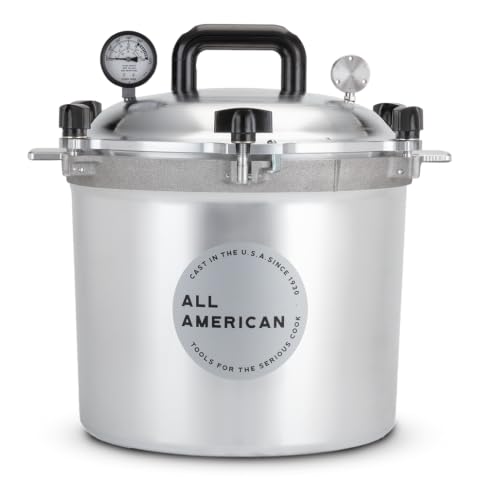

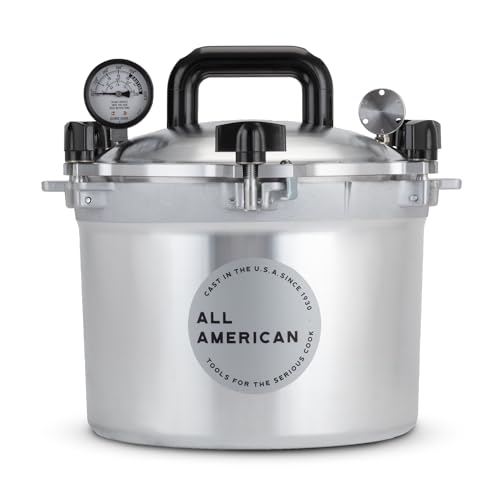
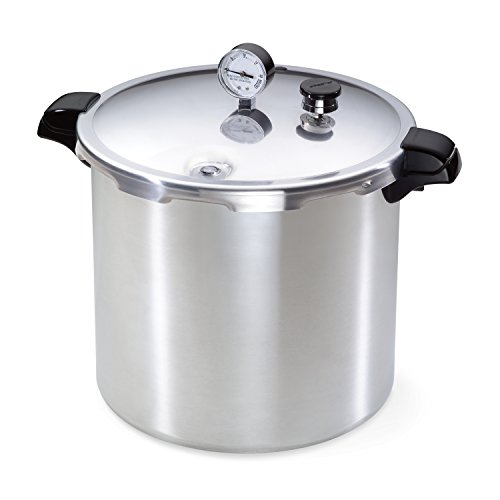
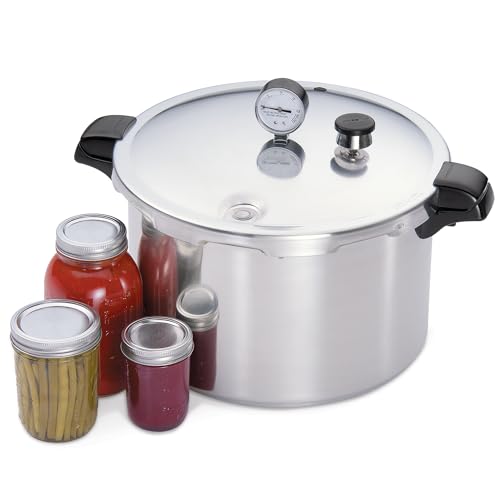

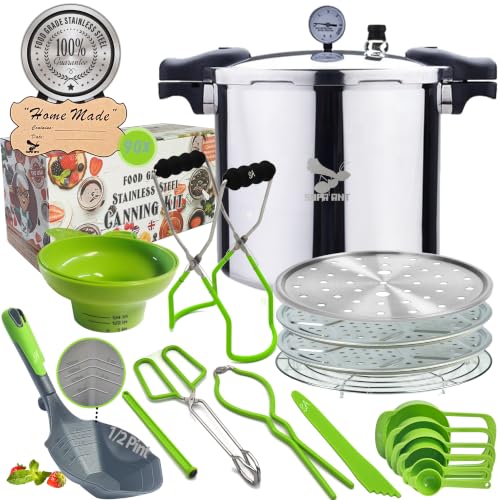
All American 921: Key Specs
The 921 holds 21.5 quarts of liquid in total. For canning, that space fits about 7 quart jars or about 19 pint jars in a single load, using the racks supplied in the box. The body and lid are cast aluminum, and the lid seals on a machined metal to metal surface, so there is no rubber gasket to buy or store as a spare.
- Capacity: 21.5 quarts total, about 7 quart jars or about 19 pint jars per load
- Construction: cast aluminum body and lid with a satin finish
- Sealing system: metal to metal seal with clamp style lid bolts
- Pressure control: weighted regulator at 5, 10, and 15 pounds plus a dial gauge
- Use: stovetop pressure canning and cooking, following tested recipes and altitude guidance
First Impressions and Build
The first thing most buyers notice is the weight and the height. Empty, the pot alone is already substantial, and once you add water and filled jars the full load becomes something you plan around rather than lift on impulse. The cast walls feel thick and plain in a good way, with no coatings to baby and no electronic panel to protect from steam.
The lid locks down with wing style bolts around the rim, and the sealing faces need to stay clean and lightly oiled so the metal surfaces meet evenly. Storage matters just as much. Measure your shelf height and stove clearance before you order, counting the lid and gauge on top. Many owners store the 921 on a low sturdy shelf rather than in a standard upper cabinet.
How It Performs in Everyday Home Use
Capacity
Capacity is the main reason to choose the 921 over a smaller canner. A single load can handle a full batch of green beans, stock, or tomato sauce that would take two or three runs in a compact model, which saves repeated heating, venting, and cooling time on a busy canning day. For pressure cooking, the same volume suits large cuts, big batches of beans, and stock making for a family that freezes portions for later weeks.
Cooking Performance
As a cooker, the 921 follows the same basic physics as any stovetop pressure vessel. You bring it up to pressure on your burner, hold the regulator at a steady rock, and time the process from the recipe once full pressure is reached. Heat control sits with you and your stove, not with a program, so a burner that holds a low steady output without wide swings will give you the calmest sessions.
Ease of Use
Daily ease comes from the short parts list. There is a pot, a lid, racks, a dial gauge, and a weighted regulator, and each part has one clear job. You need to learn venting, timing, natural cooling, and altitude adjustment from a trusted canning source, and follow tested recipes exactly. After a few runs, most home canners find the routine steady and repeatable.
Cleaning
Cleaning is mostly hot water, a soft cloth, and patience. The aluminum will darken over time, and that color change is normal for this material. You wash the pot and lid by hand, dry them fully, and wipe the sealing faces clean so no food residue sits on the machined edge.
Features You Will Actually Use
The weighted regulator is the feature you will touch most. You pick the weight setting your recipe calls for, and the gentle rocking tells you pressure is being held without you watching the dial every minute. The dial gauge still matters, since it shows the rise toward pressure and helps you confirm readings at altitude, and it should be checked for accuracy as your local extension office recommends.
The metal to metal seal is the second feature with daily impact. Because there is no gasket to stretch, crack, or absorb odors, your spare parts drawer stays simple. The tradeoff is technique. The lid bolts need even tightening in a crisscross pattern, and the sealing faces need a thin film of oil as the maker directs. Skip either habit and steam can escape at the rim, which stretches heat up time and wastes fuel.
Living With It: Setup, Cleaning and Upkeep
Setup on canning day is mostly staging. Set the pot on your largest burner, confirm it sits level and stable, and check that nearby cabinets leave room for the lid and for steam when you vent. Fill jars on a towel next to the stove so you are not carrying hot glass across the kitchen, and keep your timer, mitts, and jar lifter within reach before pressure builds.
Upkeep between seasons is light but specific. Store the lid resting loosely rather than clamped tight, and keep the regulator weights together in a small bag so one does not go missing. Before the first run each season, inspect the gauge, vent pipe, and safety release, and confirm each one is clear.
What We Like and What We Do Not Like About the All American 921
What works well:
- Large batch size cuts the number of runs on a full harvest or stock day
- No gasket to replace, store, or troubleshoot when a seal feels weak
- Simple parts list with no electronics, cords, or control boards to fail
- Cast aluminum build that suits decades of seasonal use with basic care
What to weigh carefully:
- Heavy and tall, so storage and lifting a full load take real planning
- Heat and pressure control are fully manual, with no timer or auto shutoff
- Aluminum darkens with use and needs hand washing rather than a dishwasher cycle
- Too large for small households that only can a few jars at a time
Is the All American 921 Right for Your Household?
This is where an honest all american 921 review has to split readers by household rather than by enthusiasm. The 921 fits homes that preserve garden produce, buy meat or beans in bulk, or cook stock and soups in large batches for freezing. It also fits households with the storage and stove space to give a tall, heavy pot a permanent and safe home.
Smaller households often do better with less volume. If you live alone or cook for two, rarely can, and have limited cabinet depth, a smaller canner or a compact electric cooker will likely see more weekly use and far less lifting. The same is true if your stove maker warns against canning loads on a glass top, or if your kitchen has low clearance above the burners.
How the All American 921 Compares
The clearest contrast is format. The 921 is a manual stovetop canner built first for safe home canning at volume. Electric multi cookers are built first for daily pressure cooking with timers and preset programs, and most are not approved for pressure canning at all. If your main goal is weeknight cooking with hands off control, read our instant pot pro review to see what the program driven format does well.
If you want that electric format at a smaller scale, our instant pot duo plus review covers a popular mid size option and its own tradeoffs. Neither electric model replaces a canner for putting up jars safely.
Price, Deals and Warranty
Expect the 921 to sit in a higher price band than basic aluminum canners and most electric cookers, at about $450 to $500 depending on season and seller. That price reflects the cast build and the long service life owners expect from it, rather than a long feature list. The maker offers a limited warranty on materials and workmanship, and parts such as gauges, weights, and racks stay available over time.
Common Buying Mistakes to Avoid
- Buying on jar count alone. A full load is heavy, so confirm you can lift and store the pot safely before you chase the largest batch size.
- Skipping the stove check. Confirm your burner size, stove top type, and overhead clearance suit a tall canner load, and follow your stove maker guidance on canning.
- Ignoring altitude. Pressure settings change with elevation, so plan to follow current altitude guidance from a trusted canning source from day one.
- Treating it as a daily cooker only. If you never plan to can, you are paying for volume and build you will rarely use, and a smaller cooker will serve you better.
Cost of Ownership and Care
Running costs stay low because the pot uses your existing stove and needs no filters or liners. Your real costs over time are small and predictable. A replacement gauge every so often, a new rack if one warps, and jar lids for canning season make up most of the list. There is no gasket on a replacement cycle, which removes the most common recurring part cost found on many other pressure vessels.
Care habits protect that value. Never force the lid open while pressure remains, and let pressure fall on its own for canning loads. Wash and dry the aluminum fully before storage, and store the pot dry with the lid resting loosely.
Your Questions, Answered
How do you clean the All American 921?
Wash the pot, lid, and racks by hand in hot soapy water, rinse well, and dry fully before storage. Wipe the machined sealing faces with a clean cloth and apply a thin film of oil as the maker directs. Darkening of the aluminum is normal. Avoid harsh scouring on the sealing edge itself, since nicks there can let steam escape during your next run.
What is a cheaper alternative to the All American 921?
A basic gasket sealed aluminum canner costs less up front and still handles standard canning loads for many households. The tradeoff is ongoing gasket care and replacement, plus a build most owners treat as lighter duty. If you only can in small batches, that lower entry cost can make sense. If you can heavily every year, the price gap narrows once spare gaskets enter the math.
How long does the All American 921 last?
With sound care, owners commonly keep this style of cast aluminum canner in service for decades. Keep the sealing faces clean and nick free, replace a tired gauge promptly, store the pot dry, and never use a damaged lid or a blocked vent. The body has no coating to wear out and no electronics to age, which removes two common end of life causes in modern cookers.
What are common All American 921 problems?
Most reported trouble traces back to technique rather than defects. Steam leaking at the rim usually points to uneven bolt tightening or a dry or dirty sealing face. A gauge that reads off leads to wrong pressure choices, which is why periodic accuracy checks matter. Stuck lids after cooking almost always mean pressure has not fully released, so patience, not force, is the fix.
Is the All American 921 worth it?
It is worth it when canning volume, long service life, and a short parts list matter more to you than automation and compact storage. Count your jars per season, your storage shelf, and how often you truly cook at this scale. If those answers point to heavy seasonal use year after year, the higher entry price spreads thin. If they point to occasional small batches, your money works harder in a smaller pot.
Final Thoughts
The 921 is a focused tool. It gives larger households a big, durable, gasket free canner that also handles bulk pressure cooking, and it asks for manual attention and storage space in return. Look back at the product table above to confirm the capacity against your stove and shelves. When those fit, the all american 921 review verdict is simple. Few home canners match its batch size and service life.


