Akorn vs Kamado Joe: Which One Fits Your Home Better? (2026)
Disclosure: We may earn a commission when you buy through links on this page, at no extra cost to you. As an Amazon Associate I earn from qualifying purchases. Learn more

Akorn vs Kamado Joe: see how they differ in everyday use, features and value, and which one makes more sense for your home and budget.
Picture a Saturday at home. You want ribs started before lunch, burgers for the kids by dinner, and a patio that still has room for chairs once the grill is parked. The akorn vs kamado joe choice comes down to that daily reality, not just cooking specs. One is a lighter steel grill that is easy to move and easy on the budget. The other is a heavier ceramic grill built for decades of use.
This guide compares the two by space, family size, ease of use, and the cost of owning each one. Use the comparison table below for the quick picture, then read on for the detail. If you want the wider field as well, our guide to the best kamado grill covers the full category.


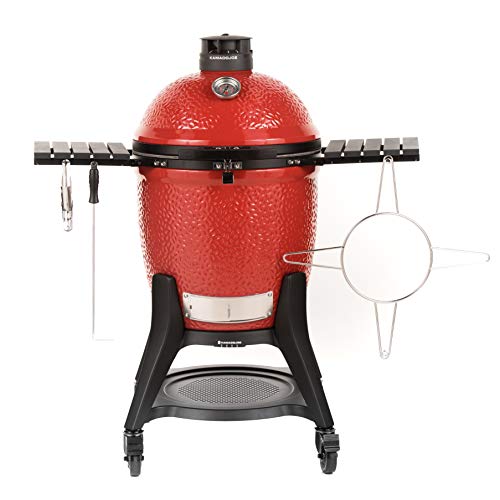
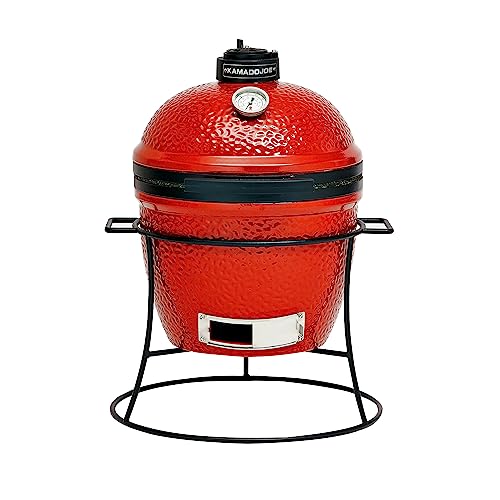
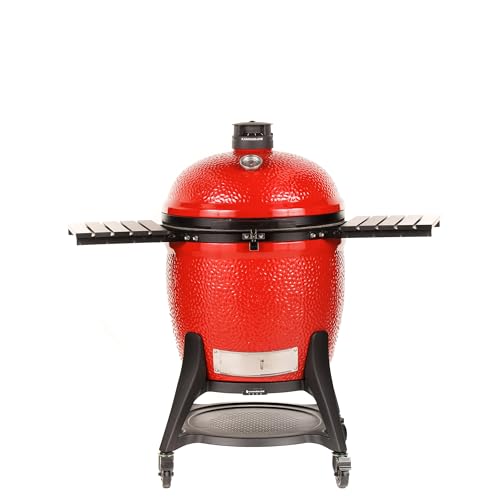

Akorn vs Kamado Joe at a Glance
The fastest way to see the split is by body material, because that one choice drives weight, price, care, and lifespan.
| Criteria | Akorn | Kamado Joe | Edge |
| Body material | Insulated steel shell | Thick ceramic shell | Depends on priority |
| Weight and moving | Lighter, rolls and repositions with ease | Heavy, best left in one spot | Akorn |
| Heat holding | Good for its class | Excellent in cold and wind | Kamado Joe |
| Typical cost | about $300 to $400 | about $1,000 to $2,000 | Akorn |
| Care needs | Watch paint and steel for rust | Watch ceramic and gaskets, no rust | Depends on storage |
| Best home fit | Small patios, renters, new grillers | Permanent spot, frequent cooks | Depends on household |
Neither column wins on every row. A household that moves the grill for winter storage values different traits than one building a fixed outdoor cooking corner.
Meet the Contenders: Akorn and Kamado Joe
Akorn overview
The Akorn line comes from Char Griller and takes the kamado shape in a different direction. Instead of ceramic, the body uses steel with insulation inside, which traps heat while keeping the grill far lighter than a ceramic model of similar size. Most versions sit in a cart with wheels and side shelves, ready to roll into place.
For a household, the appeal is practical. The lower price lowers the risk of trying charcoal cooking for the first time, the lighter body suits renters, and the cooking style still covers grilling, roasting, smoking, and baking. The trade off is longevity. Steel and paint need attention, and the grill asks for a cover and dry storage to reach its best lifespan.
Kamado Joe overview
Kamado Joe builds its grills around a thick ceramic body, the traditional material for this style of cooker. Ceramic absorbs heat slowly, holds it for hours, and keeps the fire steady through long cooks and cold evenings. The grills ship with a strong cart, a layered cooking system on many models, and a wide range of add on tools.
For a household, the appeal is permanence. This is the grill you place once, cook on several times a week, and expect to keep for a very long time. The trade offs are weight and cost. A ceramic kamado is a two person move at best, and the price is several times higher, so it rewards families who already know they love charcoal cooking.
Head to Head: Where They Really Differ
Cooking Area
Start with how your family actually eats. Both styles offer a main grate sized for a typical family dinner, such as a whole chicken with vegetables, a rack or two of ribs, or burgers for about six people. Where they part ways is expansion. Kamado Joe models often use a tiered grate system that stacks a second level above the main surface, which helps when you cook mains and sides together. Akorn models also accept an upper rack on many versions, though the added space tends to be simpler.
Think in meals rather than square inches. If most cooks serve two to four people, either grill has enough room. If you host eight or more people often, the tiered space and larger ceramic models give the ceramic side more headroom. Crowding any grate hurts airflow and browning, so buy for your biggest regular cook, not your biggest rare party.
Heat Control
Both grills control heat the same basic way, with a lower vent feeding the fire and an upper vent letting heat and smoke out. Small vent changes and a few minutes of patience do the work. The difference is how each body reacts. The insulated steel Akorn heats up quickly and responds fairly fast when you open or close a vent. That quick response feels forgiving while you learn, though the temperature can drift more over a long cook and may need small corrections.
The ceramic body reacts in the opposite way. It takes longer to reach cooking temperature, but once fully warm it holds a steady line for hours with little vent work. That steadiness is a real comfort on an overnight brisket or a winter cook. Readers curious about connected controls can see the kamado joe konnected joe review for how that approach works. Overshooting is the caution on both grills, since a kamado cools down far more slowly than it heats up.
Build Quality
Build quality here means two different kinds of durability. The Akorn uses insulated steel with a coated finish. Steel shrugs off bumps and the knocks of patio life without cracking. Its weakness is surface damage over time. Chips in the coating, standing water, and salty air can lead to rust, first at the edges and legs, then on the body if ignored.
Ceramic flips that profile. It cannot rust, and the body can last for decades with basic care. Its weakness is impact. A hard knock, a drop during a move, or cold water on a hot shell can crack the ceramic, and cracks are costly to fix. Hinges, bands, and gaskets wear on both grills and count as normal upkeep. Judge build by your storage habits, not by material alone.
Fuel Efficiency
Both styles burn lump charcoal, and both sip fuel compared with an open kettle grill, because the enclosed body and tight vents keep heat working instead of escaping. The ceramic grill holds a small edge on long cooks. Its mass stores heat so well that the fire can stay low and slow for many hours on a single load, which suits brisket and pork shoulder days.
The steel grill is close behind for everyday cooking and can feel thriftier on short cooks, since it reaches temperature faster and stores less heat that later goes to waste. For weeknight chicken or burgers, the fuel gap is minor. For monthly long smokes, the ceramic edge adds up in charcoal saved and fewer refueling interruptions. Either way, reusing unburned pieces after shutdown keeps costs down.
Assembly and Cleaning
Assembly day differs more than most buyers expect. The lighter steel grill goes together with basic tools and one person can manage most steps. The ceramic grill is heavy enough that the body lift is a genuine two person job, and rushing it risks the very cracks you want to avoid. Budget an afternoon for either, and keep the packaging until you confirm every part is present.
Daily cleaning is similar. Brush the grates while warm, empty ash once it is fully cold, and wipe grease from around the fire bowl. Ash removal is easier on models with a pull out ash drawer, found on many grills in both camps. The steel grill adds one chore, checking the exterior for chips and touching them up before rust starts. The ceramic grill adds another, inspecting the gasket seal each season and replacing it when smoke leaks from the lid line.
Price and Value
The price gap is the widest of any factor here. The steel grill typically sells for about $300 to $400, while ceramic models commonly run about $1,000 to $2,000 depending on size and included gear. That gap buys real things, including longevity, steadier heat, and a deeper accessory system. It does not buy better tasting food on day one, since technique and charcoal choice shape flavor far more than body material.
Value depends on cost per year of use. A household cooking twice a month may never spread the ceramic premium over enough cooks to feel it pay off, and the lower cost grill leaves budget room for a cover, a thermometer, and good charcoal. A household cooking three or more times a week for a decade can see the ceramic price divide into a modest yearly figure. Count the extras either way, since covers and tools add to the true cost of both.
Our Recommendation for Your Home
Pick Akorn if
Choose the steel grill if your space or lease can change, since its light body moves easily and suits a small patio or a balcony with a weight limit. Choose it if this is your first charcoal grill and you want to learn fire control without a large upfront cost. Choose it if you cook mostly weeknight meals and weekend ribs rather than frequent overnight smokes, and if you will use a cover and store it dry.
Pick Kamado Joe if
Choose the ceramic grill if you have a permanent spot where it can stay put under a cover, ideally on a level paved surface. Choose it if you cook outdoors often and want steady heat for long smokes through winter. Choose it if you value a wide accessory system for pizza, rotisserie style cooking, and tiered grates, and if the higher price fits your budget.
Not Sold on Either? One More Option
If neither profile fits, the wider kamado category still has room for you. Other ceramic makers take a simpler route with fewer moving parts, and some grills borrow the kamado shape in other materials. The big green egg large review shows the classic ceramic approach, while the weber summit kamado review covers a steel bodied take from a long standing grill maker. Reading those two will show you the full range of prices and design choices.
Your Questions, Answered
Which lasts longer, Akorn or Kamado Joe?
The ceramic grill usually lasts longer, often decades for the body itself, as long as it is never dropped or cracked. The steel grill commonly gives many good years, but its lifespan depends heavily on storage and on catching paint damage early. One point buyers miss is parts support. Hinges, gaskets, and grates wear out on both, and the brand with parts still stocked in ten years will keep either grill cooking, so check parts availability before you buy.
Which is easier to clean, Akorn or Kamado Joe?
Day to day cleaning is close to a tie, since both need grate brushing and regular ash removal. The difference shows up at high heat. A ceramic grill can run a hot burn that turns built up grease and residue to ash inside the body, which simplifies deep cleaning. Doing the same on a steel grill is fine in moderation, but repeated extreme heat is harder on its coatings, so gentler scraping and wiping is the better routine there.
What is the main difference between Akorn and Kamado Joe?
The main difference is body material and everything that follows from it. Steel with insulation makes one grill light, affordable, and quick to heat, while thick ceramic makes the other heavy, costly, and very steady over long cooks. Picture cookware. A steel pan reacts fast when you change the burner, while a heavy ceramic dish changes slowly and holds its warmth at the table. Your cooking style decides which behavior serves you.
Is Akorn better than Kamado Joe?
It is better for some households and worse for others. The honest answer follows three questions. How often will you cook, how long will you keep the grill, and can it stay in one place? Frequent cooking over many years in a fixed spot favors the ceramic grill. Occasional cooking, a tight budget, or a changing patio favors the steel grill. When people online debate akorn or kamado joe, the happiest owners matched the grill to their home first.
The Bottom Line
There is no single winner in akorn vs kamado joe, only a better match for your home. Pick the steel grill for light weight, low cost, and easy learning. Pick the ceramic grill for steady heat, long life, and room to grow. Check the product table above against your space, family size, and budget.