Air Purifier vs Dehumidifier: Which Is Better in 2026?
Disclosure: We may earn a commission when you buy through links on this page, at no extra cost to you. As an Amazon Associate I earn from qualifying purchases. Learn more
Air Purifier vs Dehumidifier: we compare the key differences, pros and cons side by side so you can decide which one is right for you. Updated for 2026.
The quick answer to air purifier vs dehumidifier is simple. Choose a purifier if your problem is what floats in the air, such as dust, pollen, pet dander, and smoke. Choose a dehumidifier if your problem is water in the air, shown by condensation on windows, a musty smell, or damp walls. The two machines solve different problems, and buying the wrong one leaves the real issue untouched.
Many homes show signs of both problems at once, which is why the choice feels confusing. This guide walks through what each machine does, how they differ in coverage, performance, noise, energy use, and upkeep, and how to match the machine to the room. Start with the comparison table below.


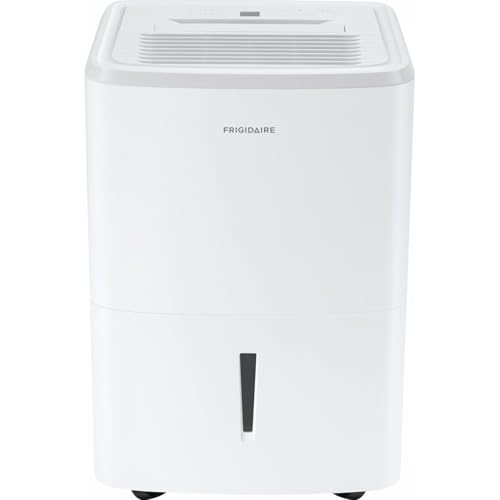
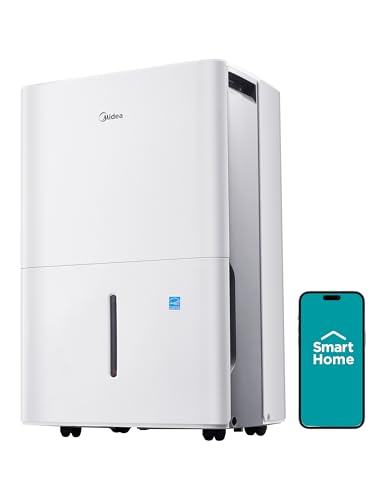
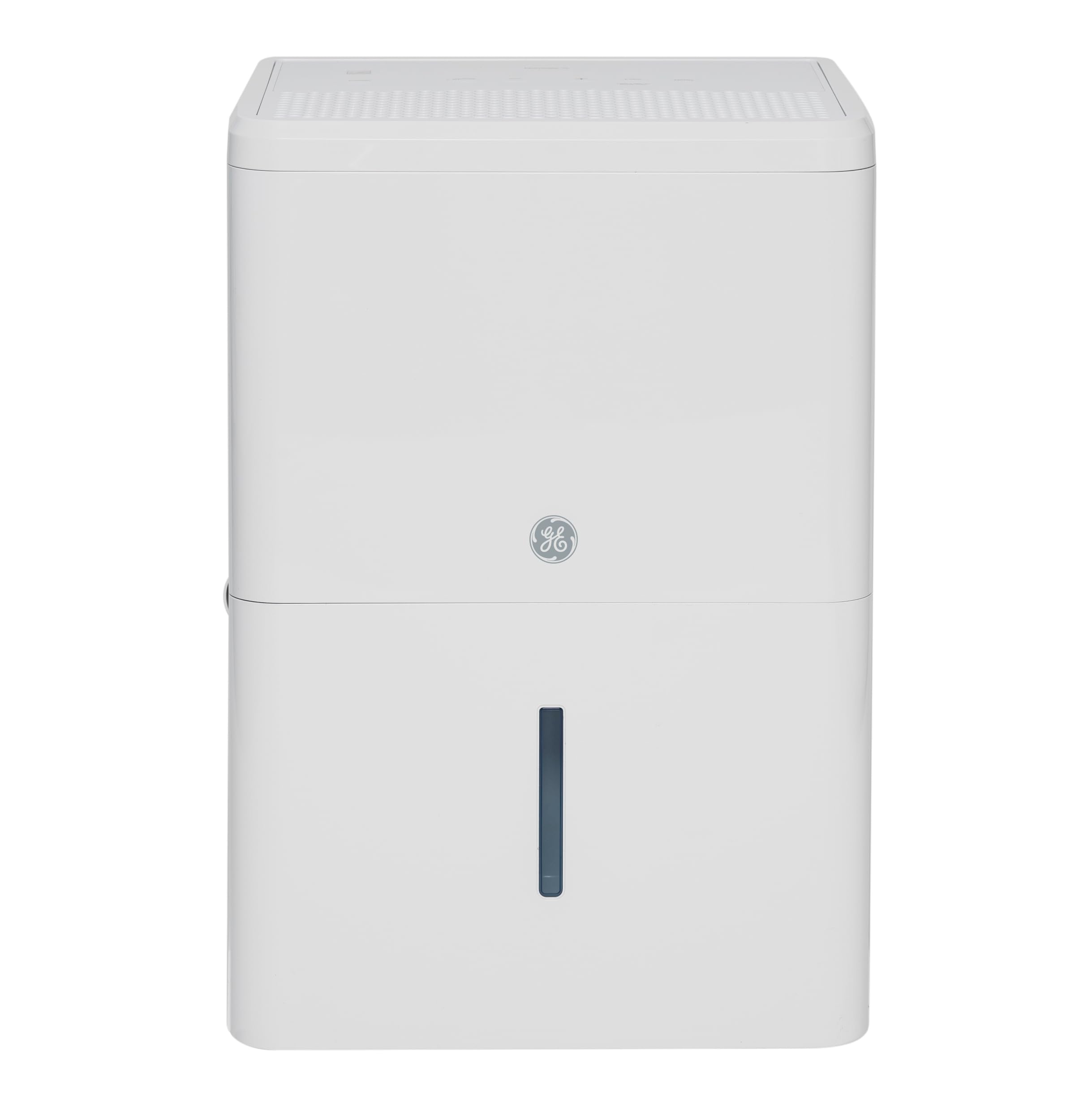

Air Purifier vs Dehumidifier: Comparison Table
Read the main job row first, because it decides almost everything else.
| Criterion | Air Purifier | Dehumidifier | Winner |
|---|---|---|---|
| Main job | Removes particles and some odors from air | Removes moisture from air | Depends on your problem |
| Helps most with | Dust, pollen, dander, smoke | Damp, condensation, musty smells | Depends on your problem |
| Key rating | Clean air delivery rate and room size | Pints of water removed per day | Neither |
| Main upkeep | Filter changes | Emptying or draining a water tank | Purifier for less frequent tasks |
| Effect on humidity | None | Lowers humidity directly | Dehumidifier |
| Effect on particles | Captures particles in filters | None, apart from basic dust screens | Purifier |
Each machine wins clearly at its own job and does almost nothing for the other job.
What Is an Air Purifier? What Is a Dehumidifier?
Air Purifier Overview
An air purifier is a fan that pulls room air through one or more filters and sends the cleaned air back out. A HEPA filter captures very fine particles, including most pollen, dust, mold spores, and pet dander that pass through it. Many models add an activated carbon filter, which absorbs some odors and gases. The machine does not add or remove water, so humidity stays the same while it runs.
Purifiers are rated by clean air delivery rate, often shortened to CADR, which describes how much cleaned air the fan moves. A higher CADR suits a larger room or faster cleaning after events like cooking smoke. Most owners run a purifier for many hours a day in one room, usually a bedroom or living room.
Dehumidifier Overview
A dehumidifier pulls moist air across cold coils inside the unit. Water condenses on those coils, drips into a tank or a drain hose, and the drier air returns to the room slightly warmer. The goal is a steady humidity level, commonly around 30 to 50 percent, where dust mites and mold struggle to grow. The machine does not filter fine particles in any meaningful way.
Dehumidifiers are rated by how many pints of water they remove in a day under standard test conditions. Small units suit a single damp room, while large units serve a whole basement. Most models let you set a target humidity and cycle on and off to hold it, and many can drain through a hose.
Key Differences
Coverage: Room Size, CADR, and Pints per Day
Coverage means different things for each machine, so compare each one against its own rating. For a purifier, match the CADR and the stated room size to the room where it will run, and size up if you want a lower, quieter fan speed. If you are weighing compact models for a bedroom, the levoit core 300 review shows how makers present coverage for smaller rooms.
For a dehumidifier, match the pints per day rating to both the room size and how damp it is. A mildly damp bedroom needs far less capacity than a wet basement after rain. For larger open spaces, the levoit vital 200s review shows how coverage claims are framed for bigger rooms. A unit that is too small runs constantly and still falls short, while an oversized dehumidifier can cycle too often and waste power.
Performance: What Each Machine Actually Changes
A purifier changes particle counts. Run one in a closed room and airborne dust, pollen, and dander drop as air passes through the filter again and again. That can mean less dust on surfaces and easier nights for people who react to pollen or pets. It does not dry a damp room or stop condensation.
A dehumidifier changes humidity. Drier air slows mold and dust mite growth, helps laundry dry indoors, protects wood and stored items, and can make a warm room feel more comfortable. It does not capture pollen or smoke, so a dry room can still be a dusty one. Neither machine treats a health condition. If breathing trouble is severe or sudden, or asthma symptoms are getting worse, seek medical care promptly and talk with a clinician about personal needs rather than relying on an appliance.
Noise Level: Fans, Compressors, and Sleep
Purifiers make fan noise, which rises with speed. On low or sleep settings many are soft enough for a bedroom, while the highest setting can sound like a strong desk fan. A common pattern is to run a purifier on high for a while, then drop to a quiet speed to maintain the air.
Most dehumidifiers add compressor noise and vibration on top of fan noise, so they usually sound louder and deeper than a purifier of similar size. That matters less in a basement than in a bedroom. Desiccant models, which dry air with a rotating wheel instead of a compressor, tend to run more quietly and work better in cool rooms, though they often use more electricity.
Energy Use: Hours of Running Add Up
A purifier uses modest power, often similar to a light bulb or a small fan, but it may run for most of the day. Its yearly cost depends on the fan speed you live with, since high speeds draw notably more power. Sizing the unit correctly helps, because a well matched purifier can hold clean air on a lower, cheaper speed.
A dehumidifier draws more power while it runs, since cooling coils and a compressor take real work. In return, it usually runs in cycles once the target humidity is reached, rather than nonstop. Costs rise in very damp spaces where the unit rarely rests. Fixing the source of moisture, such as a leak, lowers run time and saves more energy than small differences between brands.
Maintenance and Filters: Ongoing Tasks and Costs
Purifier upkeep centers on filters. A washable pre filter catches large dust and hair and needs a rinse or vacuum about once a month. The HEPA filter cannot be washed and is replaced on the schedule the maker states, often once or twice a year. Filter design varies a lot between brands, so if long filter life is a priority, the shark neverchange air purifier review covers one approach to stretching the time between changes.
Dehumidifier upkeep centers on water and cleanliness. You empty the tank or check the drain hose, rinse the tank regularly so it does not grow slime or smell, and clean the air screen so air flow stays strong. The task list is cheaper than buying filters, but it is more frequent, and a full tank stops most units until you empty it.
Smart Features: Sensors, Timers, and Controls
Purifiers often include particle sensors that estimate air quality and adjust fan speed in auto mode, plus timers and filter life reminders. The sensor is the feature with real value, because it reacts to events like cooking or vacuuming without your input. App control is convenient, though a simple unit with a good auto mode covers most needs.
Dehumidifiers focus their controls on humidity. A built in humidistat lets you set a target level, and useful extras include auto restart after a power cut, a full tank alarm, and continuous drain options. A separate small hygrometer placed across the room is a cheap way to check that the reading on the unit matches conditions where you sit or sleep.
Price and Value
Room purifiers commonly cost about $50 to $300, and replacement filters add a steady yearly cost you should count before buying. Dehumidifiers commonly cost about $150 to $350 for home sizes, with little ongoing cost beyond electricity. Value comes from solving the problem you actually have. A low priced purifier in a damp basement delivers poor value no matter how strong its filter is, and the same logic applies in reverse.
Which Should You Buy?
Choose an Air Purifier If
Choose a purifier when particles are your main complaint. Clear signs include dust that returns quickly on surfaces, pollen symptoms that ease when windows stay closed, pet dander in a home with animals, and smoke or cooking odors. Bedrooms are the most common place to start, since you spend long hours there. To compare models once you know a purifier is the right tool, see our guide to the best air purifier options for home use.
Choose a Dehumidifier If
Choose a dehumidifier when moisture is your main complaint. Clear signs include condensation on windows or pipes, peeling paint, a musty smell in closets or a basement, and laundry that dries slowly indoors. Aim to hold humidity around 30 to 50 percent and measure it rather than guessing. A dehumidifier cannot fix a leak or mold already growing inside walls. Large mold areas or water damage need a professional, because removing the source matters more than drying the air.
Other Options to Consider
Some homes need both machines, usually in different rooms, such as a purifier in the bedroom and a dehumidifier in the basement. Buying one first, aimed at your worse problem, and measuring the result for a few weeks is a sensible order. Combination units that claim to purify and dehumidify in one box also exist. Treat those claims with care, since a small carbon pad is not a HEPA filter and a small water tank is not real moisture removal for a damp room. Ventilation helps in mild cases too, especially a bathroom fan vented outdoors and a range hood used while cooking.
FAQ
Is an air purifier better than a dehumidifier?
Neither is better in general, because each does a job the other cannot do. A purifier is better when your goal is fewer particles, and a dehumidifier is better when your goal is lower humidity. If you can only buy one, buy for the problem you can point to, such as visible condensation or heavy dust, and reassess after a few weeks.
What is the main difference between an air purifier and a dehumidifier?
The main difference is what leaves the air. A purifier removes particles by trapping them in filters as air passes through. A dehumidifier removes water vapor by condensing it into liquid that collects in a tank or drains away. One changes how clean the air is, the other changes how much water the air holds. That is also why their ratings differ, with CADR measuring cleaned air and pints per day measuring removed water.
Which is easier to clean, an air purifier or a dehumidifier?
A dehumidifier is easier to clean in the moment, since its screen rinses under a tap and the tank needs only soap and water. The trade off is frequency, because the tank needs regular attention while in use. A purifier asks for less frequent work, mostly vacuuming the pre filter and swapping sealed filters, but those swaps cost money. A neglected tank smells, while a neglected filter quietly stops cleaning well.
Which lasts longer, an air purifier or a dehumidifier?
Both can serve for years, and lifespan depends more on use and care than on the category. Purifier fans are simple and often outlast several sets of filters. Dehumidifier compressors and coils work harder, and units in very damp basements face frost, dust, and constant water handling. Storage matters too. Storing a dehumidifier clean and fully dry protects it during months of no use.
The Bottom Line
Decide by naming your problem first. If it floats in the air, you need filtration. If it beads on windows or smells musty, you need moisture removal. The air purifier vs dehumidifier choice is a match between one machine and one problem.
Use the product table above to check your reasoning before you order, measure your room, and buy for the rating that fits the job, CADR for particles or pints per day for water. Get that match right and either machine will earn its place.