Air Purifier Buying Guide: How to Choose the Right One in 2026
Disclosure: We may earn a commission when you buy through links on this page, at no extra cost to you. As an Amazon Associate I earn from qualifying purchases. Learn more

Our air purifier buying guide explains types, sizes, materials, features and prices so you can choose with confidence. Updated for 2026.
Start with the room you want to clean, the particles that bother you most, and the noise you can accept at night. This air purifier buying guide walks through filter types, sizing, running costs, and upkeep in that order, so each choice narrows the next one instead of leaving you with a long and confusing list of models.
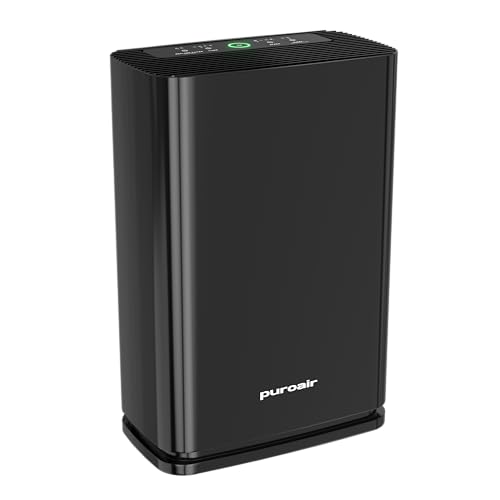
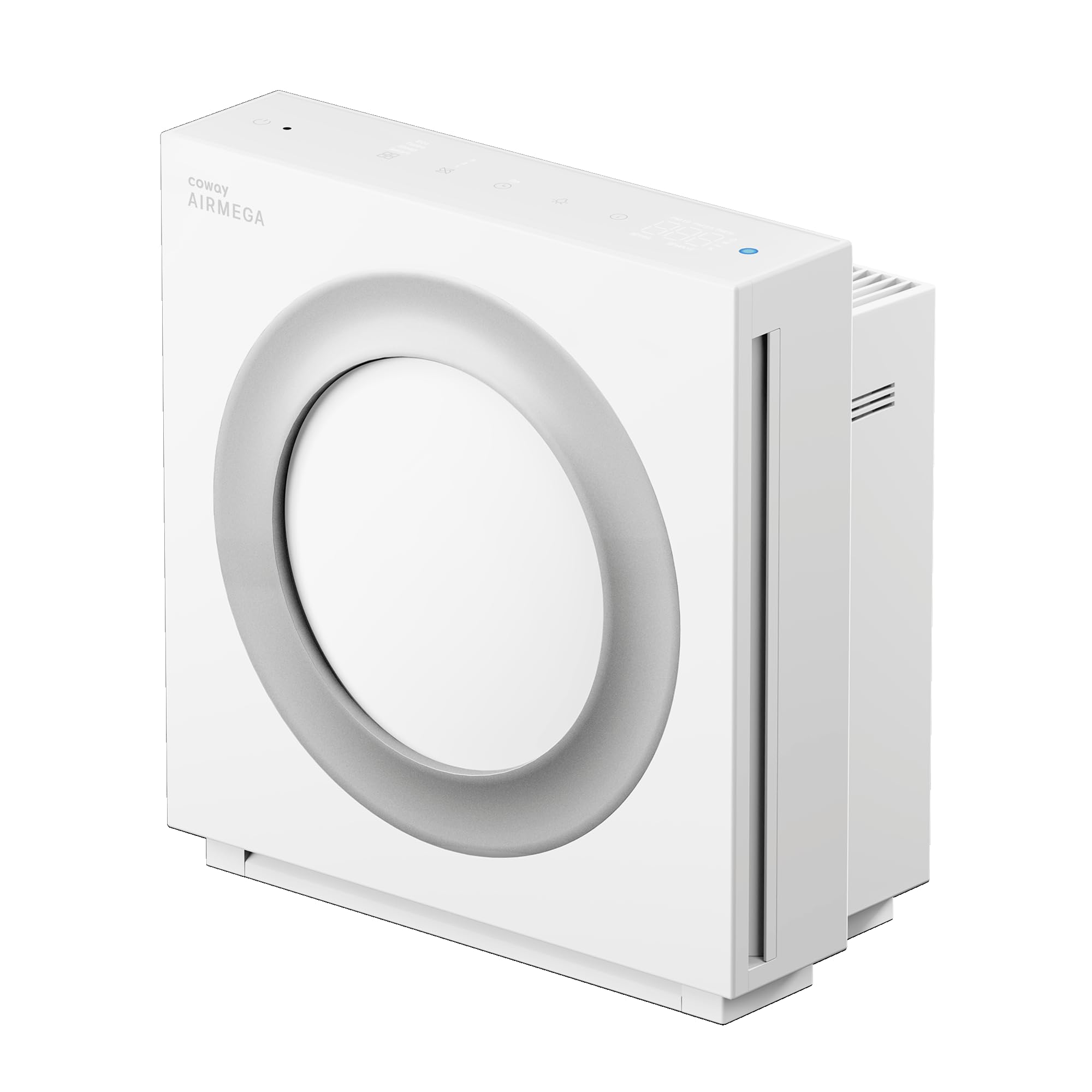
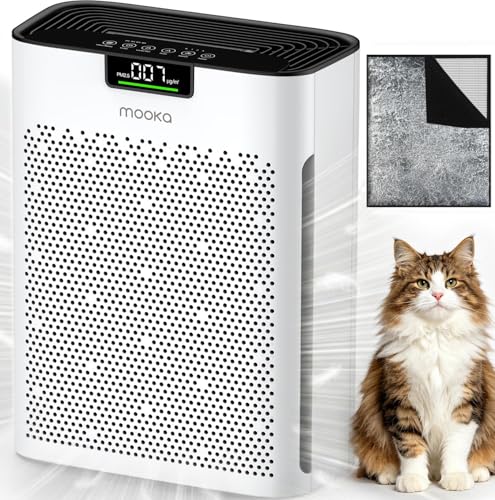
Use the comparison table below to check coverage, filter type, and noise side by side once you know your shortlist criteria. If you want model level options after that, see our guide to the best air purifier, where options are grouped by room size and use.



Quick Checklist
Keep these checks in front of you while you shop. A model that fails one of the first three rarely makes up for it with extra features.
- Measure the room in square feet before you look at any model.
- Name your main target, such as pollen, dust, smoke, or odors.
- Match the coverage rating to the room with headroom to spare.
- Confirm that replacement filters are in stock and fairly priced.
- Check noise at the speed you would use while sleeping.
- Leave space around the unit for air to enter and leave.
Types Explained
Purifiers overlap more than their labels suggest. The differences that matter are what the filter can trap, what it cannot, and what it costs to keep working. For a closer look at the evidence, see do air purifiers work, which explains what the evidence shows and where the limits sit.
HEPA
HEPA is a filter standard, not a style of machine. A HEPA filter is a dense mat of fibers that traps pollen, dust, and pet dander as air passes through it. It does not trap gases or odors, so homes with strong smells need carbon as well. If pollen is your main trigger, see do air purifiers help with allergies for how filtration fits into a wider allergy plan.
True HEPA
True HEPA is the stricter version of that standard, and it is the wording to look for on a spec sheet. It means the filter meets the full rating for very fine particles. Labels that sound similar but stop short of the standard may rest on a looser in house standard.
Smart
Smart purifiers add an app, scheduling, and sometimes voice control through a home assistant. None of that cleans the air by itself. Its value is practical, since a unit you can adjust from bed is a unit you will actually keep using.
Quiet
Quiet models use larger fans and slower air movement, so they can move useful amounts of air without a harsh sound. The label only matters if the low sound level still comes with a useful coverage rating.
Ozone Free
Some purifiers use charged plates or lamps, and some of those designs can release ozone. Ozone can irritate airways, so shoppers with asthma often choose simple filter based machines instead. Look for a clear ozone free claim backed by a safety certification listing.
Carbon
Carbon purifiers target gases and odors rather than particles. Activated carbon has a vast inner surface that holds odor molecules from cooking, pets, and smoke as air passes over it. Carbon works alongside a particle filter in most homes.
Choosing the Right Size
Measure length times width to get square feet, and shop for that room rather than for the whole home unless the floor plan is open. A unit that is too small runs on high, makes more noise, and still falls behind. A unit with headroom can run slower and quieter while doing the same work.
Format follows the room. Desktop models suit a desk but cover little space, while tower models fit bedrooms and living rooms where floor space is tight. Portable models with handles move between rooms, and large rooms usually need one stronger unit per closed space.
Placement affects these choices, because blocked vents shrink the area a unit can serve. Before you buy for an awkward room, read where to place an air purifier to check clearances and distance from the bed.
Features Worth Paying For
Pay for features that change daily use, and treat the rest as optional. These five deserve the closest look.
Carbon Filter
The carbon filter is where odor control is won or lost. A thin carbon sheet freshens light cooking smells for a short time, while a deep bed of loose carbon holds far more and lasts longer. Weight is a useful clue here, since more carbon means more surface doing the work. If odors are a minor concern, size this feature down to save money.
Air Quality Sensor
An air quality sensor watches the air and adjusts fan speed on its own in auto mode. That matters most where conditions swing during the day, such as kitchens and homes near busy roads. A simple colored light is enough for most people, while a numeric display helps if you want to watch levels fall after cooking.
Washable Filter
A washable filter almost always means the prefilter, the coarse screen that catches hair and large dust before air reaches the main filter. Rinsing or vacuuming that screen keeps airflow strong and helps the main filter last its full life. The main HEPA filter itself is rarely washable, and washing one that is not rated for it can ruin the fibers.
WiFi
WiFi lets you run the purifier from an app, set schedules, and get alerts when a filter is due. It earns its cost if the unit sits in another room or if several people need control. It adds little in a small bedroom where the controls sit within reach. Check that basic controls still work on the unit itself if the app ever fails.
Humidifier
A purifier with a built in humidifier adds moisture while it filters, which can suit dry winter bedrooms. The tradeoff is upkeep, since a water tank needs regular cleaning, and the added parts leave less room for filter media. Many homes do better with two simple devices placed apart. Choose the combo only if floor space is truly tight.
Room Size and Coverage Ratings
Coverage claims only help if you know how they were set. The key figure is the Clean Air Delivery Rate, or CADR, which describes how much cleaned air a unit delivers for smoke, dust, and pollen. A common sizing guide from AHAM is to pick a smoke CADR of at least two thirds of the room area in square feet. High ceilings and open doors both raise the rating you need. Treat any coverage claim with care if no CADR is listed beside it.
Running Cost and Energy Use
Electricity is rarely the big cost. Most purifiers sip power on low and draw more on turbo, so the speed you run for the most hours sets your bill more than the top rating does. Certified efficient models help if the unit runs around the clock. Filters are the larger expense over time, so add the price and lifespan of each replacement filter to the purchase price before you judge value.
Noise Levels for Bedrooms
Makers list noise in decibels, but the number only tells part of the story. A steady low hum is easier to sleep through than a higher pitched whine at the same rating. Judge a bedroom model by its output on the speed you would sleep on, not by its quietest setting alone. Also check whether the display lights dim or switch off, since a bright panel can disturb sleep as much as sound.
Filters, Tanks and Maintenance
Routine care is short but regular. Wipe or rinse the prefilter when it looks loaded, keep the intake and outlet vents free of dust, and wipe the sensor lens as the manual directs. For combo units, empty and rinse the tank often and descale it on the schedule the maker gives, since standing water turns stale quickly. Always unplug the unit before cleaning, and never wash a filter unless the manual says it is washable.
How Much to Spend
Compact desktop models often cost about $50 to $100 and suit one small room. The broad middle, about $100 to $250, covers most bedrooms and living rooms with stronger airflow and better carbon. Spending about $250 to $500 buys higher CADR for large or open plan spaces, thicker carbon, and quieter running at useful speeds. Past that point you mostly pay for styling and smart extras rather than cleaner basic filtration.
What to Look for in a Brand
Brand choice matters less for fame than for support after the sale. Favor makers that publish full CADR and noise figures, list a clear warranty, and keep replacement filters in stock at a steady price. Be wary of any brand that hides filter prices or gives coverage claims with no figures to back them up.
Building Your Shortlist
Narrow the field in a fixed order and the choice gets simpler. First, drop any unit whose filters do not match your main target, then drop any whose CADR is too low for the room. Compare what remains on noise at working speed and on filter cost. If the budget is tight, give up WiFi and styling before you give up airflow or carbon.
FAQ
Do air purifiers work?
Yes, within clear limits. A purifier lowers the amount of airborne particles floating in a room while it runs, and that is what tests measure. It cannot pull dust that has already settled on shelves back into the air, which is why regular dusting and vacuuming still matter.
Do air purifiers help with allergies?
They can help by lowering airborne pollen, dust mite debris, and pet dander in the room where you spend the most time. Running the unit with the bedroom door closed for a few hours before bed gives it time to work where it counts most. Filtration is only one part of allergy care, so talk with your clinician about your personal symptoms and treatment plan.
How often should you change an air purifier filter?
Most main HEPA filters last about 6 to 12 months and carbon filters about 3 to 6 months, but homes with pets, smoke, or heavy dust use them up faster. The change light on most units counts run time rather than measuring dirt, so treat it as a reminder to inspect. Writing the install date on the filter edge makes its age easy to judge.
What size air purifier do I need?
Work it out from the room, not from the box art. A bedroom of 200 square feet needs a smoke CADR of about 133 or higher under the two thirds guide, so a unit rated near 150 gives useful headroom. If that bedroom opens onto a hall with the door left open, size for the combined space or keep the door closed while the unit runs.
Can an air purifier run all day and night?
Yes, most filter based purifiers are designed for continuous use, and steady running makes sense because new particles enter whenever doors open or people move around. Low speed is the practical choice for most of those hours, with higher speeds reserved for cooking or pollen spikes. Give the vents a quick look each week.
Final Thoughts
The right purifier is the one sized for your room, fitted with the filter your air actually needs, and quiet enough that you leave it running. Use the product table above to compare your shortlist on those three points before you weigh extras. Follow those steps and this air purifier buying guide has done its job, leaving you with cleaner air and a machine you will keep using. Prices and availability can change, so check the product page before ordering.