18 vs 24 Inch Dishwasher: Which One Fits Your Home Better? (2026)
Disclosure: We may earn a commission when you buy through links on this page, at no extra cost to you. As an Amazon Associate I earn from qualifying purchases. Learn more

18 vs 24 Inch Dishwasher: see how they differ in everyday use, features and value, and which one makes more sense for your home and budget.
Picture a small kitchen remodel where the cabinets are already ordered and only a narrow gap remains beside the sink. That single gap decides this purchase before features or price even enter the picture. Choosing an 18 vs 24 inch dishwasher is really a choice about the space you have, the number of people eating at your table, and how often you want to run a load. This guide walks through both sizes for everyday home life, so you can match the width to your household instead of forcing your routine to fit the appliance.
Below you will find the footprint, capacity, running costs and upkeep of each size compared in plain terms. The comparison table below sums up the headline differences, and the sections after it explain what those numbers feel like in daily use.

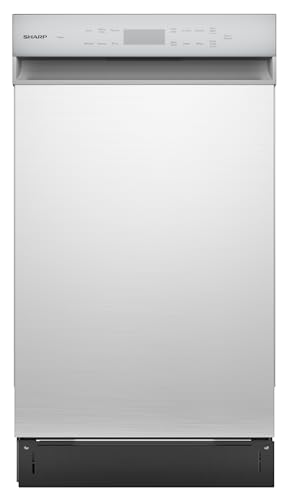
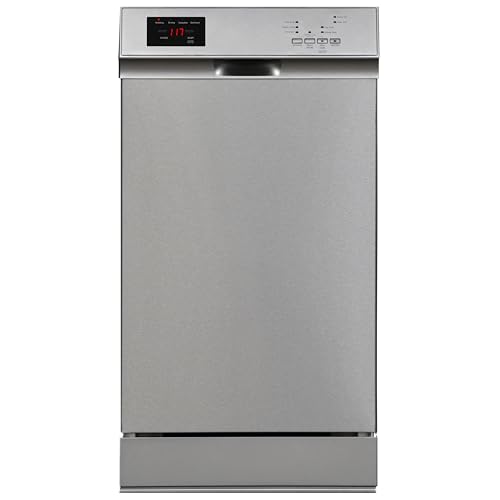


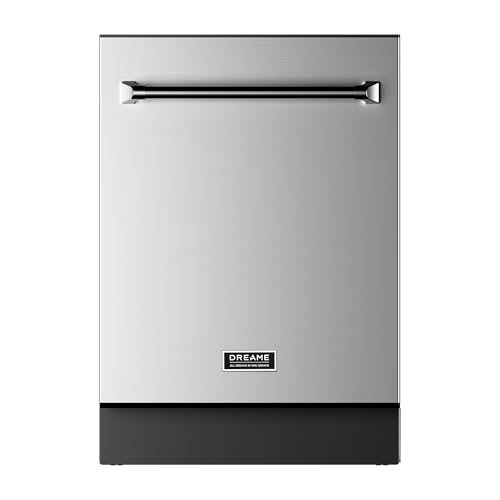

18 vs 24 Inch Dishwasher at a Glance
The six inches between these two sizes change far more than the width of the door. They change how many dishes fit after a family dinner, how wide your cabinet opening must be, and how much choice you get when you shop. The smaller size exists for kitchens where a standard model simply cannot go. The larger size is the default for most homes, with more capacity, more layouts and more price points to pick from.
| Criteria | 18 Inch | 24 Inch Dishwasher | Winner |
|---|---|---|---|
| Cutout width | About 18 inches | About 24 inches | Depends on space |
| Capacity | About 8 place settings | About 14 to 16 place settings | 24 inch |
| Best for | One or two people | Families of three or more | Depends on household |
| Model choice | Limited | Very wide | 24 inch |
| Price range | About $450 to $900 | About $350 to $1,200 | 24 inch |
Read the table as a starting point rather than a verdict. A narrow model that runs every evening can serve a couple better than a wide model that sits half empty, and a wide model can save a large family real time every single week.
Meet the Contenders: The Two Sizes Explained
The 18 Inch Size in Everyday Life
The 18 inch size was designed for kitchens that cannot give up two full feet of cabinet width. You will find it in small apartments, older homes with narrow cabinet runs, in law suites, guest houses and compact remodels where the sink base and stove leave only a slim opening. Inside, a single rack pair holds about 8 place settings, which covers a day of dishes for one or two people who cook at home. Most models still offer a heated dry cycle, a stainless steel tub option and a delay start, so you give up capacity rather than basic function.
The 24 Inch Size in Everyday Life
The 24 inch size is the standard fit for most American kitchens, and the cabinet opening in a typical home is already cut for it. That standard status brings the widest choice of racks, wash systems and finishes, plus room for about 14 to 16 place settings. A family can load breakfast bowls, dinner plates, pots and glasses in one cycle instead of two. You can see how a typical full width layout uses that space in our whirlpool wdt730hamz review, which shows the rack spacing and control layout common at this size.
Head to Head: Where They Really Differ
Installation and Compatibility
Start with the opening, because no feature matters if the unit cannot slide in. A 24 inch model needs a cutout about 24 inches wide, about 34 inches tall and about 24 inches deep, with a water supply line, a drain connection and a grounded electrical outlet or junction box nearby. An 18 inch model needs the same height and depth but a cutout only about 18 inches wide. Measure the opening at the front and the back, since older cabinets are not always square, and measure again after new flooring goes down, because added floor height can shrink the vertical space. If your opening sits between the two sizes, filler strips can close a small gap beside a narrow unit, while a wide unit cannot be trimmed to fit a narrow opening.
Build Quality and Finish
At both sizes, the tub material is the clearest sign of build quality. A stainless steel tub resists stains and odors, dries faster because it holds heat, and usually lasts longer than a plastic tub, which costs less and can discolor over time with tomato based sauces and hard water. Door feel, rack coating and hinge action matter in daily use, since a rack that flexes under a heavy pot makes loading awkward. Finish choice is wider at 24 inches, where white, black, stainless and panel ready fronts are all common. The kitchenaid kdpm604kps review shows the kind of stainless tub and printed finish options you will mostly find at the larger size.
Features
Capacity shapes the feature list more than width alone suggests. Wide models often add a third rack for flatware and small lids, adjustable upper racks that lift to fit tall pans below, and bottle jets or targeted spray zones for baked on food. Narrow models cover the core cycles well, including heavy, normal, eco and quick wash, but they rarely include a third rack, and their upper rack may not adjust. Soil sensors, fan assisted drying and WiFi alerts appear at both sizes, though at 18 inches they sit on fewer, pricier models. If a third rack and flexible loading top your list, our kitchenaid kdtm404kps review illustrates what the wide format makes possible.
Certifications
Both sizes are sold under the same federal rules, so the labels you trust apply equally. Look for Energy Star certification, which means the model meets efficiency limits set for water and energy use per cycle, and check the EnergyGuide label for the estimated yearly running cost in your area. Electrical safety listings such as UL or ETL show the appliance passed independent safety testing. A narrow model is not held to a lower standard, but because fewer narrow models are sold, you may find fewer certified choices on the shelf at any one time. Compare the yearly cost figure rather than the size, since an efficient wide model can cost less per load than an older narrow design.
Warranty
Warranty terms follow the brand and price tier more than the width. Most models at both sizes carry one year of full coverage for parts and labor, with longer coverage, often ten years or more, on the tub and the rack coating against rust and leaks. Some brands extend coverage on the wash system parts for a few extra years at higher price tiers. Read what counts as a covered defect before you buy, and keep your proof of purchase, since a claim on a tub leak years later will need it. Registering the appliance in the first month also makes any later service call faster to arrange.
Price and Value
It surprises many shoppers that the smaller appliance is not the cheaper one. Wide models start at about $350 because they sell in huge numbers, while narrow models often start at about $450 and climb to about $900, since factories build far fewer of them. Value also includes running costs over the years you own the unit. A couple running a wide model half empty three times a week wastes water and energy on every cycle, while a family running a narrow model twice a day pays in time and detergent. Match the size to your real load pattern and the cheaper size is the one you already picked.
Our Recommendation for Your Home
Pick the 18 Inch Size If
Choose the narrow size when your cabinet opening is under 24 inches and widening it would mean new cabinets or moving plumbing. It also fits households of one or two people who generate a modest pile of dishes each day and prefer to run a full load every evening. Small rental units, basement suites and vacation homes fall into this group too. You accept a smaller rack and fewer model choices, and in return you keep the rest of your kitchen layout exactly as it is.
Pick the 24 Inch Size If
Choose the standard size when your opening allows it and three or more people eat at home most days. The larger racks swallow sheet pans, stock pots and a full day of family dishes in one cycle, which cuts the number of loads you run each week. You also gain the widest choice of finishes, quiet ratings and rack layouts at every price point. For most homes with the space, this is the simpler and better value decision, and replacement parts and service experience are easier to find later on.
Not Sold on Either? One More Option
If neither width fits your kitchen, a countertop or portable model can bridge the gap without cabinet work, though each holds far fewer dishes than even the narrow built in size. Renters and owners of historic homes often land here. Before you settle for that compromise, browse our guide to the best dishwasher options across all formats, since it covers portable and drawer styles alongside the standard built in sizes and explains which homes each format suits.
Your Questions, Answered
Which dishwasher size lasts longer, 18 inch or 24 inch?
Neither size has a built in lifespan advantage, and most dishwashers of either width serve about nine to thirteen years with normal care. What changes with size is repair access. Wide models share parts across many brands and production runs, so a pump or rack is usually in stock and familiar to local technicians. Narrow models sometimes wait longer for a specific part, which can shorten the practical life of an otherwise sound unit in areas with few service options.
Which dishwasher size is easier to clean, 18 inch or 24 inch?
Both sizes ask for the same routine of wiping the door seal, clearing the filter and checking the spray arms, but the narrow tub makes each task a little quicker because there is less surface to wipe. One point in favor of the wide size is filter access. Its larger floor gives you more hand room to lift the filter out and rinse it, while the narrow filter sits in a tighter well that can be awkward if you have limited hand strength or large hands.
What is the main difference between an 18 inch and a 24 inch dishwasher?
Beyond the six inches of width, the main difference is how the racks divide the space. A wide tub fits dinner plates and tall pots side by side on the lower rack, so mixed loads need less arranging. A narrow tub asks you to stack plates in a single row and lay long utensils with more care, which adds a minute or two at loading time. Cycle menus and cleaning power are broadly similar, so the daily difference you feel is loading ease, not wash results.
Is an 18 inch dishwasher better than a 24 inch dishwasher?
It is better only when the smaller size matches your space and your dishes, and worse when it forces extra loads into your week. One situation where the narrow size quietly wins is a kitchen where it frees six inches for a pull out spice cabinet or trash drawer beside the sink. That recovered storage can matter more than rack space to a keen cook in a tiny kitchen. Judge the trade against your own cabinets rather than against capacity alone.
The Bottom Line
Measure your opening first, count the people at your table second, and let those two facts settle the 18 vs 24 inch dishwasher question. The narrow size protects a small kitchen layout and serves one or two people well, while the standard size gives families more capacity, more choice and lower starting prices. Use the product table above to confirm the fit for your home, then pick the width you will load fully and run with confidence.