Best Espresso Machine Brands: A Complete Buying Guide
Disclosure: We may earn a commission when you buy through links on this page, at no extra cost to you. As an Amazon Associate I earn from qualifying purchases. Learn more
Scroll through espresso machine listings for more than a few minutes and you'll run into dozens of unfamiliar names. Some brands have been building machines for a century. Others are appliance companies that added espresso machines to a lineup that already includes toasters and stand mixers. Telling them apart by logo alone doesn't get you very far.
This guide skips the ranked list of best espresso machine brands and instead walks through the criteria that actually separate a brand worth trusting from one that just markets well. Once you know what to look for, you can judge any brand on the shelf, including ones that aren't mentioned here at all.

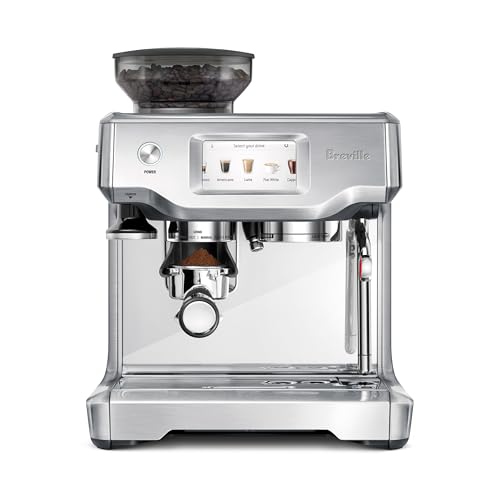
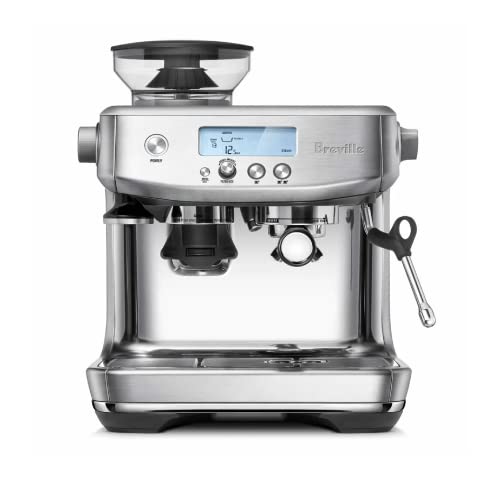
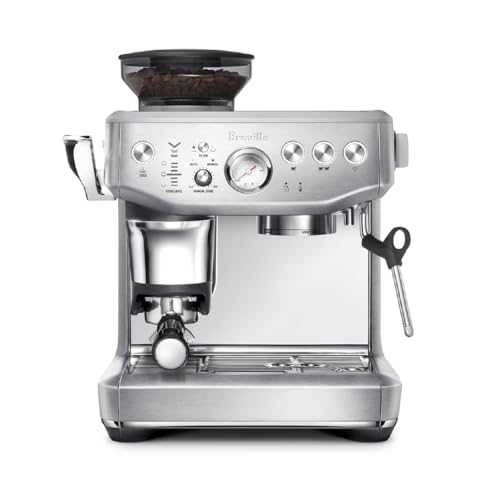

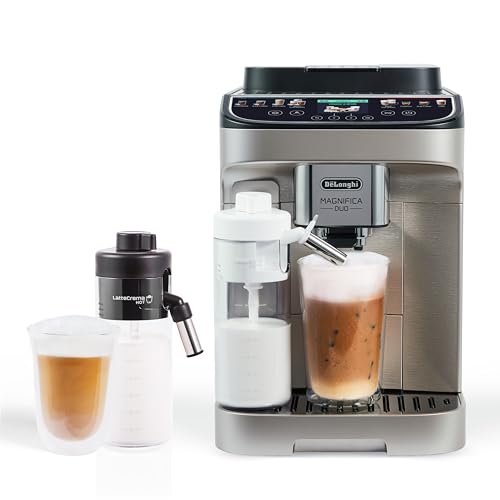





Specialist Espresso Makers vs. General Appliance Brands
The first split worth understanding among espresso machine brands is whether a company treats espresso as its core product or as one item in a much larger catalog. Neither approach is automatically better, but they lead to very different machines.
What a Specialist Brand Prioritizes
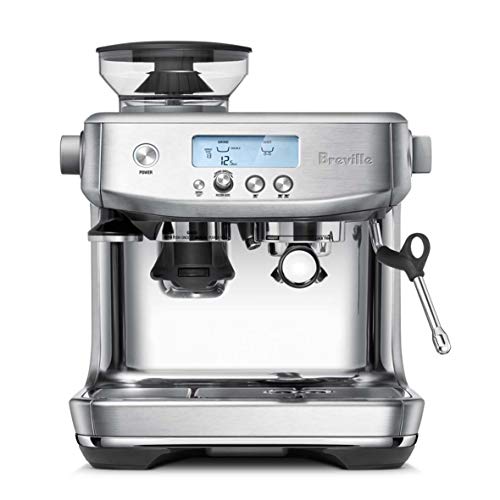
A company that only makes espresso equipment, and often serves cafes as well as home users, tends to design around repairability and consistent extraction first. Parts get standardized across model years, and the company usually keeps a supply chain built for replacing gaskets, seals, and pump components rather than replacing the whole unit.
What a General Appliance Brand Prioritizes
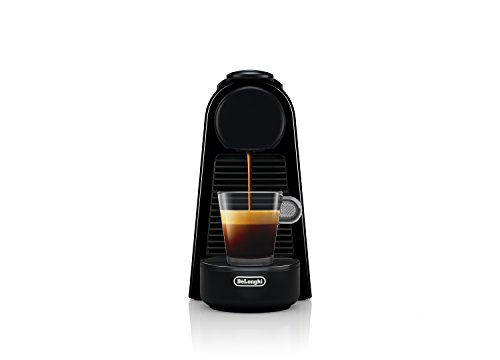
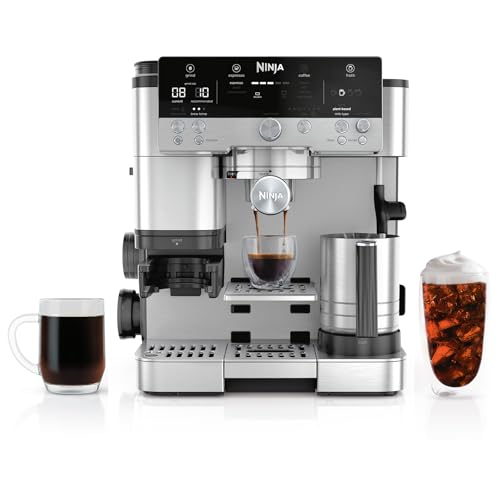
A large home goods company sees an espresso machine as one product line competing for shelf space against blenders and air fryers. That usually means faster design cycles, more emphasis on touchscreens and automation, and pricing built for big retail volume. Build quality can still be solid, but the machine is designed to be replaced on a normal appliance timeline, not repaired for a decade.
Which Fits Your Situation
If you want a machine you'll still be servicing yourself in eight or ten years, a prosumer-focused brand built around that philosophy is usually the safer bet. If you want the newest features at a lower upfront cost and don't mind replacing the machine sooner, a general appliance brand can be a perfectly reasonable choice. Either way, matching the category to your habits matters more than chasing whichever espresso machine brand has the most reviews online.
What Boiler and Component Materials Reveal About a Brand
You can learn a lot about a brand's priorities from the materials it chooses before you ever look at the price tag.
Stainless Steel and Brass vs. Aluminum and Plastic
Brands aiming for longevity tend to build boilers from stainless steel or brass, run tubing in copper or steel, and use metal group heads that hold heat evenly. Entry-level lines from almost any brand, specialist or not, lean on aluminum components and plastic housings to hit a lower price. Aluminum heats up fast, which sounds convenient, but it also loses temperature stability faster during a shot.
Why This Matters More Than the Spec Sheet
Two machines can list nearly identical wattage and pressure numbers on the box and still perform completely differently once you factor in what's actually inside. A brand's choice of materials tells you whether it's building for years of daily use or for a lower shelf price, and that difference matters just as much as any single spec on the label.
Semi-Automatic Craft Brands vs. Super-Automatic Bean-to-Cup Brands
Brands also differ in what kind of coffee experience they're designing for, and this matters as much as build quality when you're choosing between them.
The Craft-Focused Philosophy
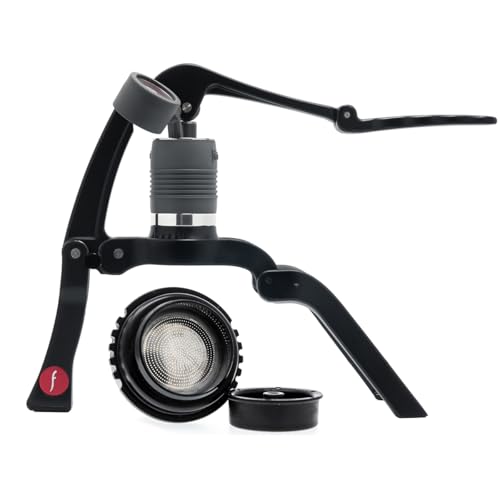
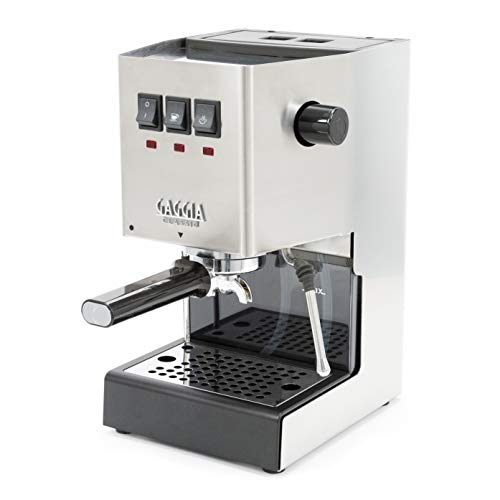
Some brands build almost entirely around semi-automatic machines, where you control the grind, dose, and extraction yourself. These companies expect you to develop a bit of a skill, and their marketing, accessories, and community support reflect that. If you enjoy the process as much as the drink, a brand with this focus, including makers of manual lever machines, usually rewards you with more control over the final shot.
The Convenience-Focused Philosophy
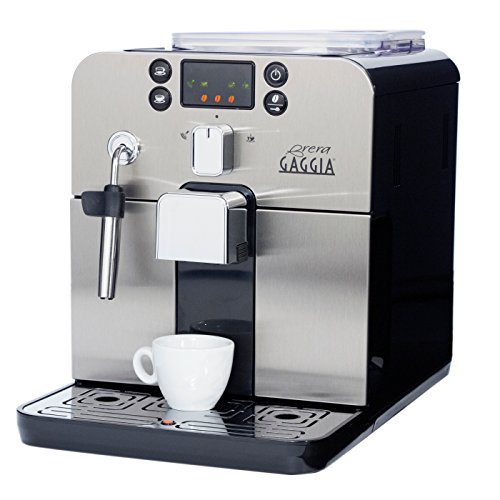
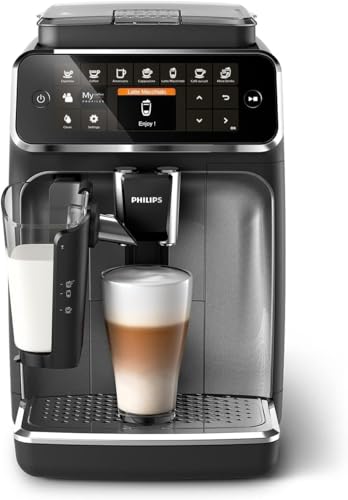
Other brands build their reputation on super-automatic, bean-to-cup machines that grind, dose, and brew at the press of a button. These companies invest heavily in internal sensors and automated cleaning cycles instead of manual technique. A brand known for strong super-automatic machines is usually the better fit if you want consistent coffee with almost no learning curve.
Heritage and Origin: How Much Should It Matter
Italian and European heritage gets mentioned constantly in espresso machine marketing, and there's a real reason for that. Decades of engineering experience with pressure, temperature, and group head design do tend to show up in how a machine performs. Some of the most respected component technology in this category, including certain brew group designs still used today, trace back to that history.
That said, heritage alone isn't a guarantee. A brand can lean on its history in advertising while quietly cutting corners on a specific budget model, and newer companies without decades of history have released genuinely well-engineered machines by hiring experienced engineers and copying proven designs. Treat country of origin and brand history as one useful signal among several, not the deciding factor by itself. What separates a genuinely trustworthy espresso machine brand from one riding on reputation alone is whether that history still shows up in the materials and parts support, not just the marketing copy.
Why Price Gaps Between Brands Exist
It's common to see two machines at wildly different prices that look similar in a photo, and the gap usually comes down to a few consistent factors. Higher-priced brands typically use heavier-gauge metal components, assemble machines by hand or in smaller batches, and run more extensive quality control before a unit ships.
They also tend to fund larger service networks, stock spare parts for older models, and staff support teams that can walk you through a repair years after purchase. A budget brand can absolutely build a good entry-level machine, but that price usually reflects thinner margins on service and support, not just cheaper materials. Understanding this helps you decide whether a given espresso machine brand is charging for real engineering and long-term backup, or mostly for a name.
Frequently Asked Questions
What makes an espresso machine brand reliable long-term?
Reliable brands typically use stainless steel or brass components, keep replacement parts in stock for years after a model launches, and maintain a service network that can handle repairs. Community reputation on forums and enthusiast sites is often a better indicator than marketing claims.
Is it worth paying more for a specialist espresso brand over a general appliance brand?
It depends on your priorities. Specialist brands generally offer better long-term serviceability and more consistent extraction, which pays off if you plan to keep the machine for many years. A general appliance brand can still be a smart choice if you want newer features at a lower cost and expect to upgrade sooner.
What is the difference between a prosumer and a consumer espresso machine brand?
Prosumer brands build machines with commercial-grade components, like larger boilers and sturdier pumps, scaled down for home use. Consumer-focused brands prioritize a lower price and simpler operation, often using lighter materials that don't hold up as long under daily use.
Should beginners choose a semi-automatic or super-automatic brand?
If you want to learn the craft and don't mind a learning curve, a brand known for semi-automatic machines is a good starting point. If you want consistent results with minimal effort from day one, a super-automatic, bean-to-cup focused brand is usually the easier entry point.
Does country of origin actually affect espresso machine quality?
It can be a helpful signal, since some regions have decades of specialized engineering experience with espresso equipment. However, it shouldn't be the only factor you consider. Materials, parts availability, and the brand's specific focus matter just as much as where the machine was designed.
How do I know if a brand will still sell replacement parts in a few years?
Check enthusiast forums and community discussions for reports from current owners of older models. Brands that consistently show up in these discussions with owners successfully sourcing parts years later are a safer bet than brands with no visible long-term support history.
Choosing a Brand That Fits You
There's no single best espresso machine brand for every buyer. The right choice depends on whether you value repairability over convenience, craft over automation, and long-term support over a lower upfront price. Use the criteria in this guide, materials, philosophy, parts support, and pricing logic, to evaluate any brand you're considering, rather than relying on name recognition alone.