Best Coffee Grinder Under $50: Complete Buying Guide
Disclosure: We may earn a commission when you buy through links on this page, at no extra cost to you. As an Amazon Associate we earn from qualifying purchases. Learn more
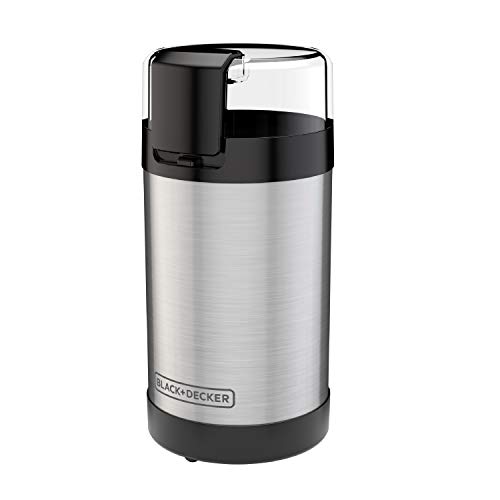
Finding the best coffee grinder under $50 means accepting a few trade-offs up front, then choosing wisely within them. At this price, you are picking between a blade grinder that chops beans unevenly and an entry-level burr grinder, manual or electric, that grinds more consistently but with fewer bells and whistles. Neither option will match a pricier conical burr grinder in speed or precision, and that is fine for most home coffee routines. What matters is matching the grinder to how you actually brew, since a French press forgives grind inconsistency far more than an espresso setup does. This guide breaks down what actually separates a good budget grinder from a frustrating one, so you can spend your money where it counts.

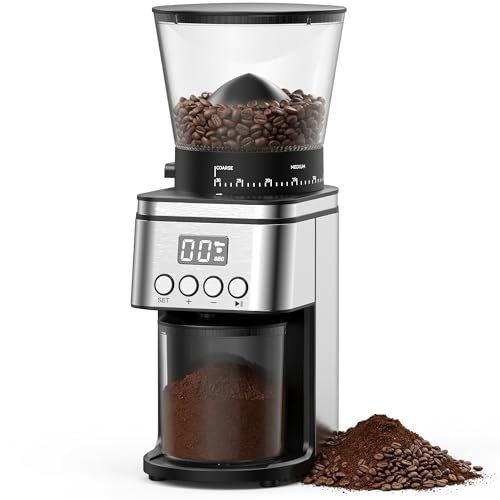
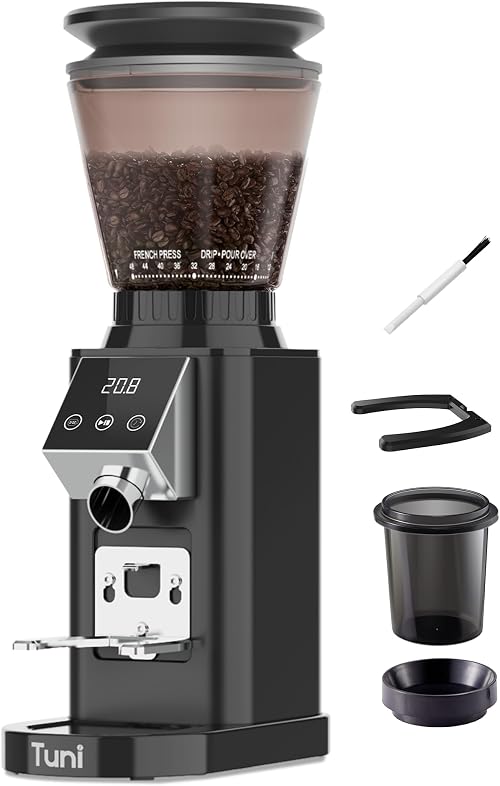
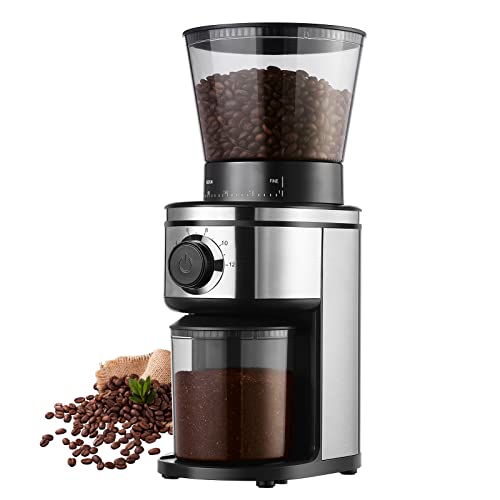

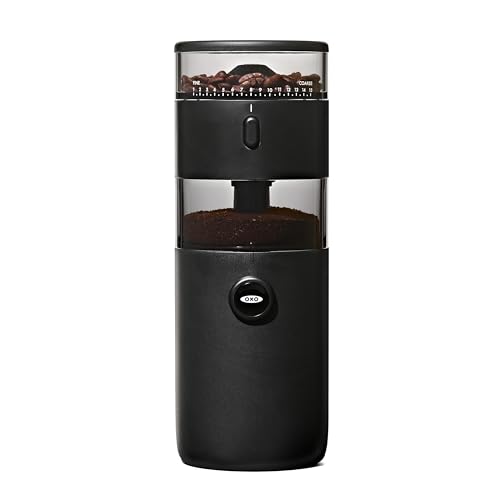
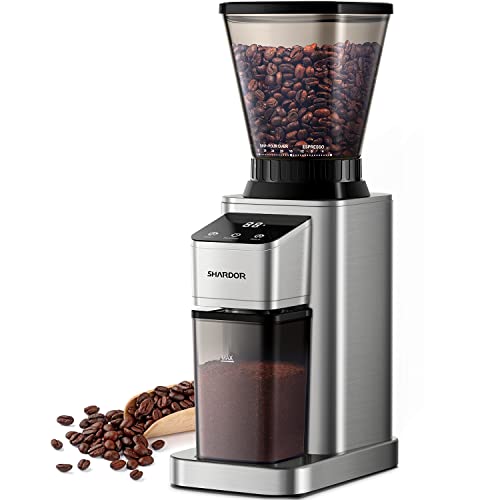
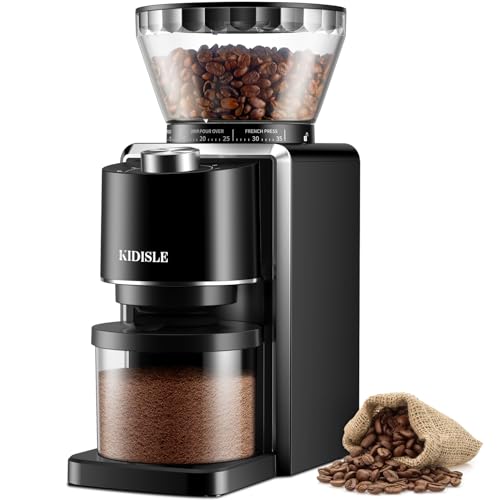
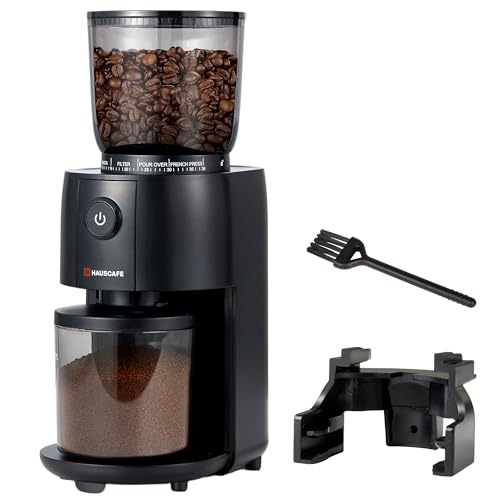

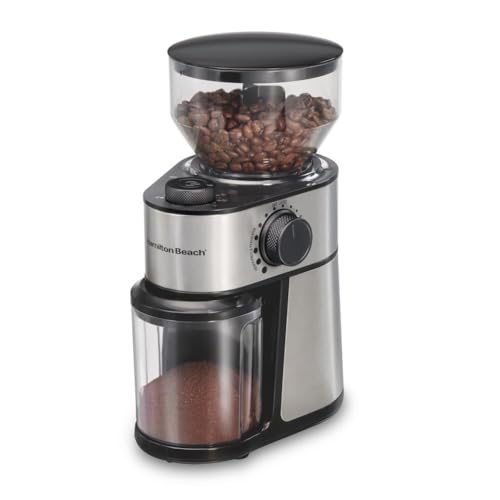
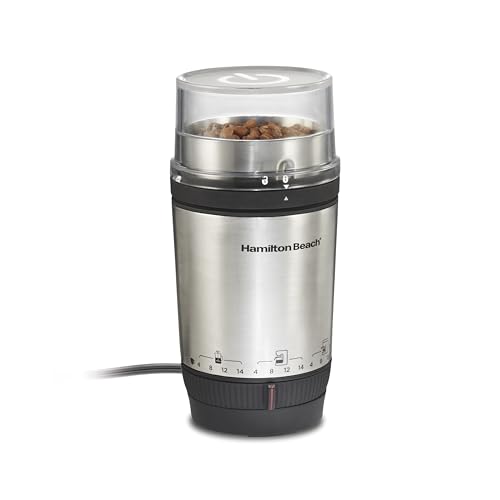
Blade Grinders vs. Entry-Level Burr Grinders at This Price
At this budget, the real decision is not between ten different grinder styles, it is between a blade grinder and an entry-level burr grinder. A blade grinder works like a mini blender: a spinning blade chops beans into a mix of fine dust and coarse chunks in the same batch. That unevenness causes some grounds to over-extract and taste bitter while others under-extract and taste sour, even if the coffee looks fine sitting in the bag.
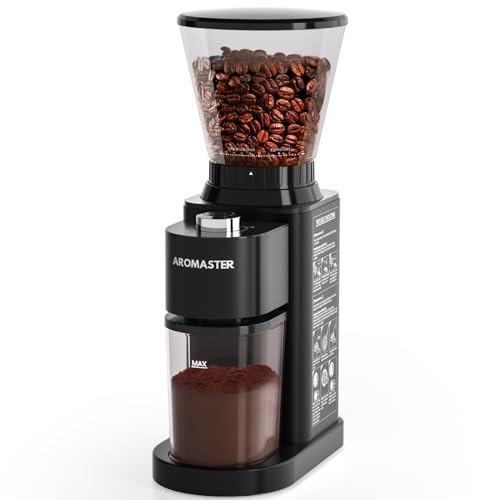
Burr grinders work differently. Two burrs, usually steel or ceramic, crush beans as they pass through a fixed gap, producing particles that are far more uniform in size. Under this price ceiling, you will mostly find that kind of grinding in a manual, hand-crank form rather than a full electric model, since electric burr grinders with real motors tend to start above that mark.
If you brew drip coffee and are not especially picky, a blade grinder can still get you through the morning. But if you care about a consistent flavor cup to cup, putting your budget toward a hand burr grinder instead of an electric blade model is usually the better trade.
How Many Grind Settings You Actually Need
Grind adjustability sounds like a spec sheet number, but it really comes down to whether your coffee tastes the same two days in a row. A grinder with only a handful of coarse-to-fine steps forces you to guess, and a small jump between settings can mean the difference between a balanced cup and a harsh one.
Look for a grinder that offers at least a dozen distinguishable settings, even if the range does not stretch all the way to espresso-fine. What matters more than the total count is whether the steps feel gradual rather than jumping wildly from coarse to fine. Cheaper mechanisms sometimes list a dozen or more settings on paper, but only three or four of them actually produce a noticeably different grind.
Test this early. Grind a small batch at one setting, taste it, then move one click finer and taste again. If you cannot tell the difference, the grinder's usable range is narrower than advertised, and that is really the ceiling for any best coffee grinder under $50: workable range, not laboratory precision.
Picking a Grind Type for Your Brew Method
Not every brew method is equally forgiving of a budget grinder's limits. Drip coffee makers and French presses want a medium to coarse grind, and small inconsistencies get diluted by longer contact time with water, so a decent blade or hand burr grinder handles them reasonably well.
Espresso asks for something else entirely. It needs a fine, extremely even grind, and even small inconsistencies show up immediately as sour shots or bitter, over-extracted ones. Most grinders at this price simply cannot produce espresso-fine grounds with the consistency an espresso machine demands, so if that is your main brew method, it is worth comparing a few dedicated burr grinder options before settling for the cheapest choice available.
For pour-over, aim for a grinder with enough range to sit between drip and French press settings, since pour-over rewards a bit more precision than a basic drip machine needs. If your routine leans toward cold brew, grind consistency barely matters at all, since the long steep time evens out almost any unevenness in particle size.
Keeping a Budget Grinder Working Longer
A cheap grinder's biggest enemy is not rough beans, it is neglect. Ground coffee leaves behind oily residue that builds up inside the burrs or blade chamber over time, and that residue eventually turns rancid and taints the flavor of fresh grounds. Wipe out the chamber with a dry brush after each use, and run a small batch of raw rice through occasionally to loosen stuck grounds if your model allows it.
Static is another common headache, especially with lightweight, freshly roasted beans in dry indoor air. Grounds cling to the walls of the chamber and to your hands instead of falling into the container. A few drops of water flicked onto the beans before grinding, or simply letting beans rest a few extra days after roasting, cuts down on static considerably.
Motors on budget electric grinders are built for short bursts, not continuous use. Grinding for more than twenty or thirty seconds at a stretch can overheat a cheap motor and shorten its life. Grind in short pulses rather than one long run, and let the motor rest between batches if you are grinding for a crowd.
Frequently Asked Questions
Is a blade grinder good enough for drip coffee?
Yes, for casual drip brewing a blade grinder is usable, though the grind will be uneven. You can improve results somewhat by pulsing in short bursts and shaking the chamber between pulses to even out the particle sizes a little.
Can a $50 grinder handle espresso?
Not reliably. Espresso needs a fine, highly consistent grind that most grinders at this price cannot deliver. You will likely get inconsistent shots, and it is worth budgeting more if espresso is your primary brew method.
How do I stop coffee grounds from creating static?
Add a tiny splash of water to your beans before grinding, or let beans rest a few days after roasting so they lose excess moisture unevenly. A metal or glass catch container also collects less static than a plastic one.
How often should I clean a budget coffee grinder?
Brush out loose grounds after every use, and do a deeper clean with a dry brush or a small batch of rice every few weeks. Leftover oily residue goes rancid and will make fresh coffee taste stale or off.
Do ceramic burrs matter at this price?
Ceramic burrs stay cooler during grinding and resist wear a bit better than steel, though the difference is subtle in casual daily use. Either material is a solid choice as long as the burrs are properly aligned.
Will a cheap grinder's motor burn out quickly?
It can, if you run it continuously for long stretches. Grinding in short pulses with brief pauses keeps the motor from overheating and noticeably extends how long a budget electric grinder lasts.
Is a manual burr grinder better than an electric blade grinder?
For grind quality, generally yes, since burrs produce far more even particles than a blade. The trade-off is time and effort, since hand grinding takes a minute or two of cranking per cup instead of a few seconds.
What a Realistic Upgrade Looks Like From Here
A well-chosen best coffee grinder under $50 will not replace a pricier machine, but it will noticeably improve your coffee over pre-ground bags with a little basic care. Pay attention to how your current setup limits your grind, and treat that as the signal for when it is time to move up in budget rather than guessing.