Best Espresso Grinder Under $100: Complete Buying Guide
Disclosure: We may earn a commission when you buy through links on this page, at no extra cost to you. As an Amazon Associate I earn from qualifying purchases. Learn more

Finding the best espresso grinder under $100 means accepting a trade-off up front. Espresso demands a level of grind consistency that few grinders at this price fully deliver. Shots are brewed under pressure through a compact puck of finely ground coffee, so tiny inconsistencies in particle size show up fast as sour, bitter, or uneven extraction. That does not mean a budget grinder is a waste of money. It means you need to know exactly what a sub-$100 grinder can realistically do for espresso, where it falls short of cafe quality, and how to work around its limits. This guide breaks down the real trade-offs so you can buy with clear expectations instead of guesswork.


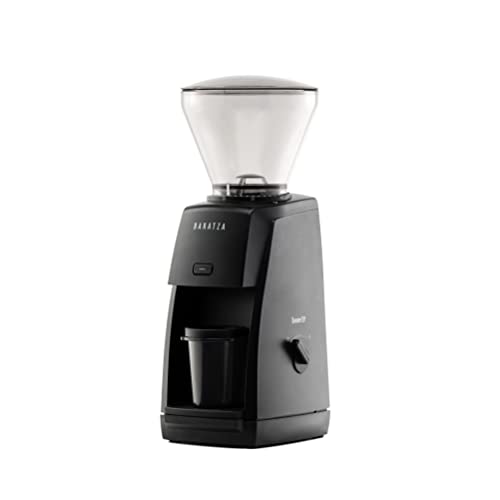
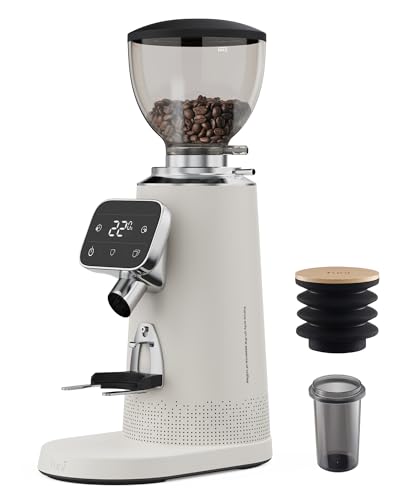

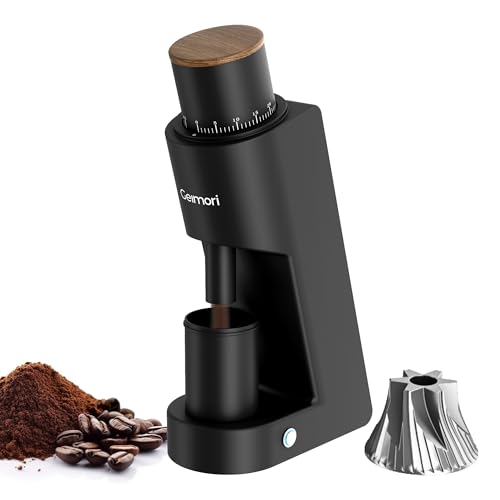
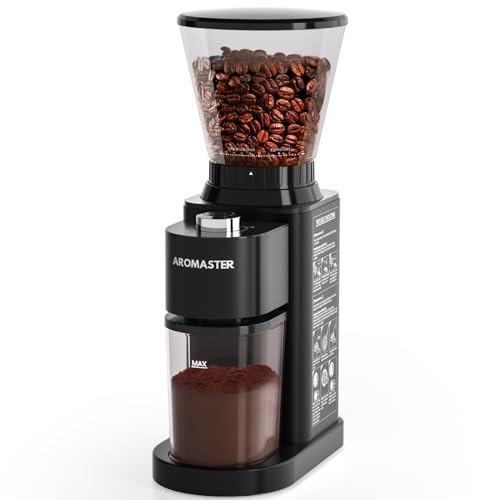

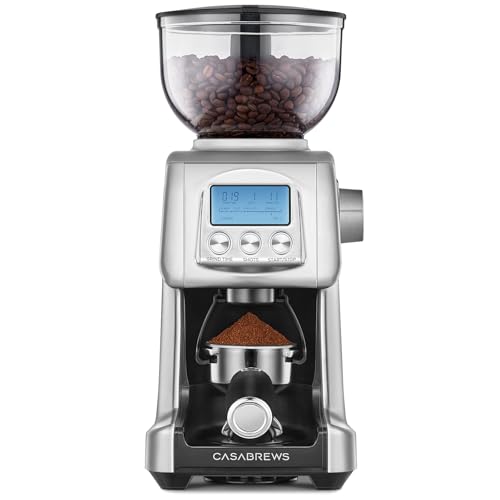
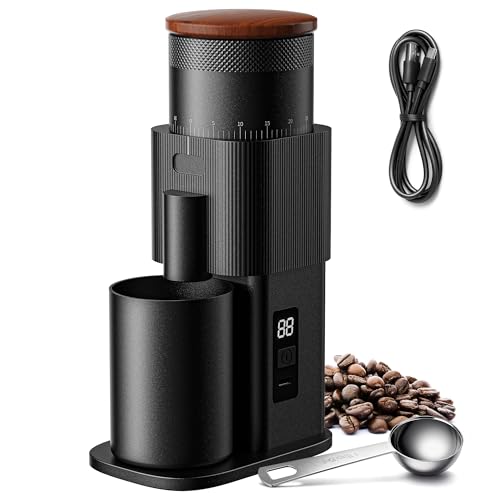
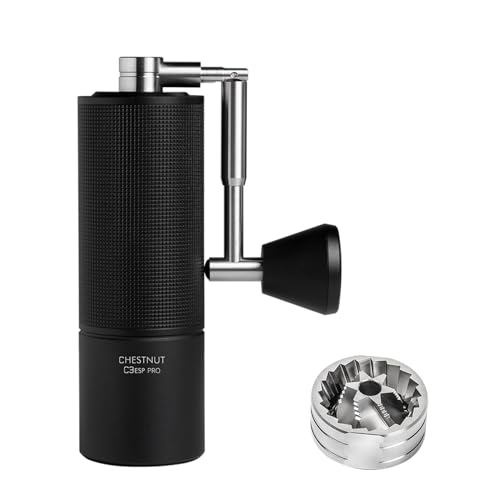

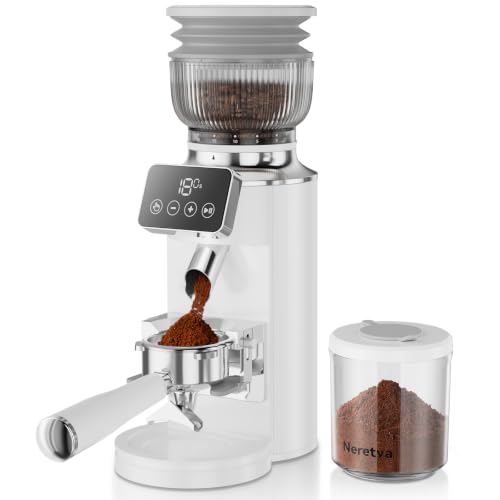

Why Burr Quality Matters More Than Anything Else
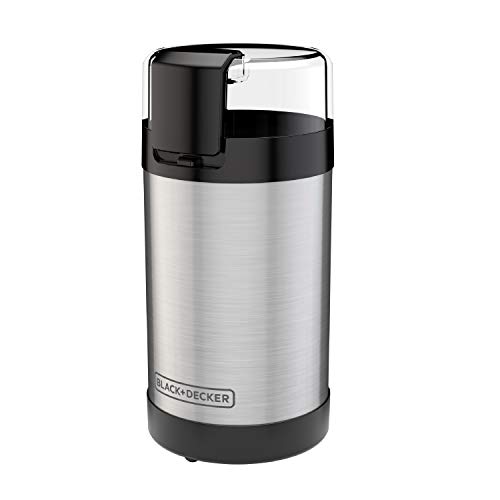
Blade grinders chop beans into random-sized fragments, and that randomness is fatal for espresso. Burr grinders crush beans between two abrasive surfaces set at a fixed distance, which produces far more uniform particles. At this budget level, a burr grinder is not a nice-to-have, it is the entire point. Skip anything that relies on a spinning blade, no matter how cheap it looks.
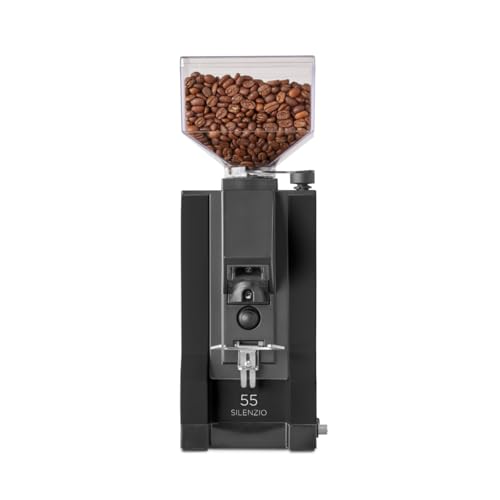
Grind adjustment range matters just as much as the burr type. Espresso needs a much finer, narrower setting than drip or French press, so look for a grinder with enough steps between "fine" and "too fine" that you can actually dial in a shot. Some entry-level machines have so few settings near the espresso end of the range that you jump straight from drippy to clogged with no useful middle ground. For a sense of how burr grinders in this general price range typically perform across brew methods, this comparison of budget burr coffee grinders is a useful reference point before you commit.
Where Budget Grinders Struggle at True Espresso Fineness
Here is the honest part most listings skip. Almost no electric grinder under $100 produces the particle uniformity that unpressurized espresso baskets demand. As the burrs get pushed toward the finest settings, cheap grinders tend to generate a wider spread of particle sizes at once, meaning some grounds are properly fine while others are noticeably coarser or turn to dust. That inconsistency, sometimes called a bimodal distribution, causes water to channel through the loose spots in the puck while barely touching the packed ones.
The practical result is a shot that pulls too fast, tastes thin or sour, and never quite matches what you get from a shop. Motors in this price bracket also run hotter and less evenly than pricier direct-drive units, which can add a faint burnt edge to the grounds during longer grinding sessions. None of this makes a cheap grinder useless. It just means you should expect to fine-tune your dose, tamp, and brew ratio more aggressively to compensate for grounds that are not perfectly uniform.
Manual or Electric: The Real Trade-off Under $100
This is where budget shopping gets counterintuitive. In the sub-$100 range, a well-built manual grinder will often out-grind an electric one for espresso, simply because every dollar goes into the burr set instead of a motor and housing. Hand grinding to espresso fineness takes real effort and roughly a minute of cranking per dose, but the resulting particle consistency is frequently better than what an electric grinder twice the price can manage.
When electric still makes sense
Electric grinders win on speed and convenience, especially if you are making more than one drink or grinding for someone else in the household. If you go electric, lean on a pressurized portafilter basket rather than a bare, unpressurized one. Pressurized baskets are more forgiving of an inconsistent grind, which is exactly the compromise most shoppers make when comparing options for a best espresso grinder under $100 setup instead of stepping up to a pricier direct-drive motor.
Static, Clumping, and Grounds Retention in the Chute
Fine espresso grounds generate a surprising amount of static electricity as they pass through plastic chutes and catch cups. That static causes clumping, grounds sticking to the walls of the grinder, and stray particles flying everywhere except into your portafilter. Budget grinders, which rarely include anti-static components, feel this problem more than pricier models.
A cheap, effective fix is the Ross Droplet Technique: add a single light spray of water to your beans right before grinding. The moisture dissipates static charge so grounds fall cleanly instead of clumping. It takes seconds and costs nothing. Retention, coffee left behind in the chute and burrs between doses, is the other issue to expect. Single-dose grinders with no hopper tend to retain less overall, but at this price almost every grinder leaves a bit of old coffee behind, so plan on the occasional stale-tasting shot or a quick brush-out between bean changes.
Who a Sub-$100 Grinder Actually Works For
If you make espresso once or twice a day, want a countertop-friendly setup, and are pairing it with an equally budget-friendly machine, this price tier is a reasonable place to start. It suits someone building a home espresso habit without a large upfront investment, or someone who mostly drinks milk-based drinks where small extraction flaws are easier to mask. The best espresso grinder under $100 for this kind of drinker is one with a stable fine range and a design that is easy to clean, not necessarily the one with the most features listed on the box.
If you are pulling shots multiple times a day, dialing in single-origin beans, or drinking espresso black, the limits described above will become obvious quickly. In that case a hopper-fed grinder built for drip and occasional espresso, like the options covered in this guide to budget grinders under $50, may actually suit your habits better than stretching a cheap grinder to do espresso work it was not designed for.
Frequently Asked Questions
Can a $100 grinder produce true espresso-quality grounds?
It can get close, especially with a manual burr grinder, but few sub-$100 units match the particle consistency of pricier dedicated espresso grinders. Expect good, workable shots rather than cafe-level precision every single time.
What separates an espresso grinder from a regular coffee grinder at this price?
The main difference is how fine and how consistently it can grind. Espresso needs a much finer, narrower range than drip coffee, so look specifically for burrs and adjustment collars rated for espresso fineness, not just "fine" on a general dial.
Should I choose a manual or electric grinder for espresso on a budget?
Manual grinders usually win on grind quality at this price because the whole budget goes into the burrs. Electric wins on speed and convenience. Choose based on how many shots you make daily and how much hand-cranking you are willing to do.
Why does my espresso taste sour or watery even with a decent grinder?
Sour, fast-running shots usually mean the grind is too coarse or too inconsistent for the dose. Try grinding finer in small increments and check whether clumping or static is creating channels in the puck.
How many grind settings do I need for espresso?
Fewer overall settings matter less than how many of them fall within the fine, espresso-usable range. A grinder with dozens of steps that are mostly suited to drip coffee will still feel limited once you try to dial in a shot.
Does grind size matter more than the espresso machine itself?
For flavor, yes, grind consistency has an outsized impact on extraction compared to most machine features. A modest machine with well-ground coffee often outperforms a nicer machine fed inconsistent grounds.
How do I stop coffee grounds from clumping in a budget grinder?
Lightly misting your beans with water before grinding, known as the Ross Droplet Technique, cuts down static and clumping almost immediately. Letting grounds settle for a minute before dosing also helps.
Setting Realistic Expectations Before You Buy
A sub-$100 grinder can absolutely produce enjoyable espresso, but it works within real limits on consistency, retention, and fine-tuning that pricier grinders are built to solve. Go in knowing you may need to adjust technique, not just settings, to get good results. Once those limits start holding your coffee back rather than your skills, that is the natural signal to consider stepping up in budget.