Best Whitening Toothpaste: Matching the Right Model to Your Routine
Disclosure: We may earn a commission when you buy through links on this page, at no extra cost to you. As an Amazon Associate I earn from qualifying purchases. Learn more

The best whitening toothpaste depends on your teeth: how to match ingredients, sensitivity needs and stain types to the right formula.
There is no single tube that whitens every smile best, because the right formula depends on your enamel, your stains and how sensitive your teeth feel after a cold drink. The best whitening toothpaste for a coffee drinker with strong enamel is rarely the right pick for someone whose teeth twinge at ice water.
This guide matches whitening toothpastes to real routines instead of naming one winner. You will learn which ingredients do the work, which seals are worth checking, and how to avoid the common buying mistakes that leave people with sore gums and no visible change.





Who Should Buy Which Whitening Toothpastes?
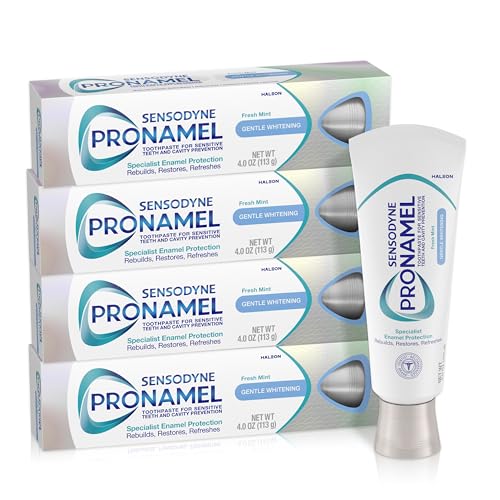
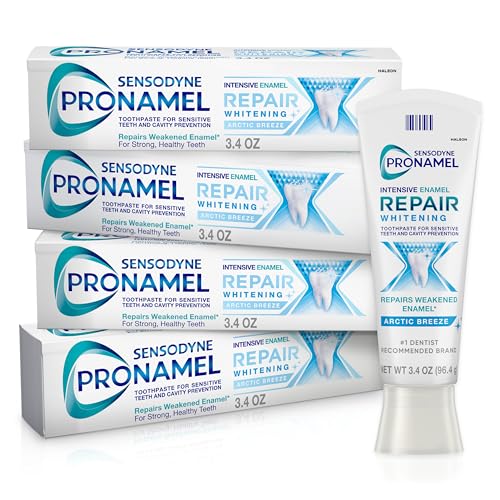
Whitening toothpastes fall into three broad groups. Abrasive formulas polish away surface stains, peroxide formulas lighten stains chemically, and enamel care formulas aim to whiten gently while protecting sensitive teeth. Your habits and comfort decide which group fits.
Think about three questions before you shop. What causes your stains: coffee, tea, red wine, tobacco or simply age? How do your teeth react to cold, sweet or acidic foods? And how much effort will you realistically put in, from a simple twice daily routine to a multi step whitening plan? Your answers point to one of the buyer groups below.
For First Time Buyers
If you have never used a whitening toothpaste, start with a mainstream fluoride formula from a large brand. These products are designed for daily use, are easy to find in any pharmacy, and come in familiar flavors, so switching costs you nothing in routine.
Look for fluoride on the label, a mild whitening claim focused on surface stains, and ideally the ADA Seal of Acceptance. Give it four to six weeks before judging the result. Surface stains from coffee, tea and wine fade gradually, and a gentle paste you use twice a day will beat a harsh one you abandon after a week.
First timers with any sensitivity should begin with an enamel care whitening paste rather than a strong peroxide formula. You can always step up later. Take a photo of your smile in daylight on day one, then compare after a month; changes are gradual enough that people often miss them without a reference.
For Value Seekers
Whitening toothpaste is one of the easiest categories to overspend in, since boutique tubes can cost three or four times more than drugstore staples with similar active ingredients. Value seekers should compare price per ounce and buy multipacks of a formula they already like.
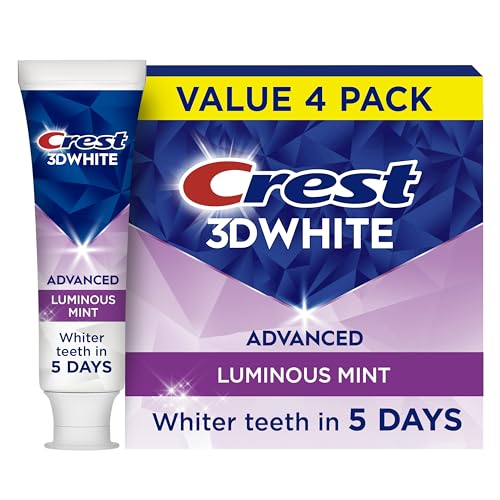
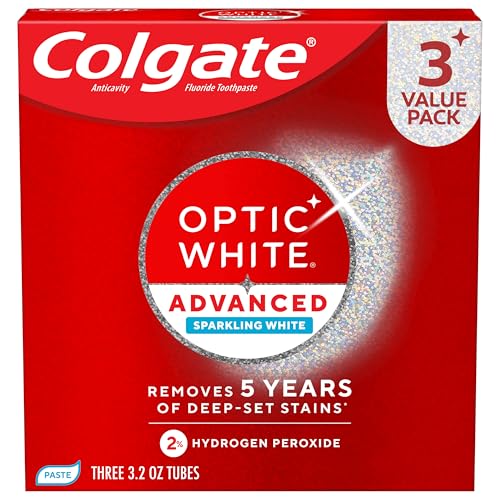
Baking soda and hydrogen peroxide pastes from long established brands deliver solid stain removal for a few dollars per tube. Multipacks such as the Colgate and Crest bundles in the table above bring the cost down further. The money you save can go toward a better toothbrush, which affects stain removal more than most people expect.
Watch tube sizes as well. Some multipacks use smaller 3.2 ounce tubes while others use 5 ounce or larger, so a pack that looks cheap can cost more per ounce. Subscribe and save options on Amazon can lower the price further for a formula you know you will keep using.
For Gift Shoppers
Toothpaste sounds like an odd gift, yet premium tubes make thoughtful stocking stuffers and wellness basket additions. Gift shoppers should look for attractive packaging, a popular brand and a formula most adults can use, such as a gentle fluoride whitening paste.
Marvis tubes, with their distinctive retro design and bold flavors, are a common choice, and enamel care formulas work for recipients whose sensitivity you do not know. Avoid strong peroxide products or fluoride free formulas for gifts unless you know the person's preferences. Pair the toothpaste with a quality toothbrush to make the gift feel complete.
For a bigger gift, a whitening kit with trays or strips feels more special than a tube alone, though it suits people who already know their teeth tolerate peroxide. Travel sized tubes in a small pouch are another easy idea for frequent flyers.
Key Features to Compare in the Best Whitening Toothpaste
Labels on whitening toothpaste are crowded with claims. These are the features that actually change what happens in your mouth.
Key Ingredients to Look For and Avoid
Fluoride is the ingredient to look for first. It helps protect enamel from cavities, which matters because whitening only looks good on healthy teeth. Hydrogen peroxide or carbamide peroxide lightens stains chemically, while silica, baking soda and calcium carbonate polish surface stains away.
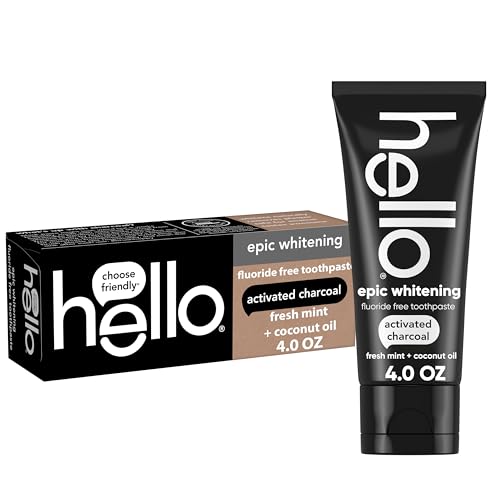
Ingredients some people prefer to avoid include sodium lauryl sulfate, which can irritate those prone to mouth sores, and strong artificial fragrances or dyes. Charcoal pastes are popular, yet many lack fluoride and can be quite abrasive. If you choose one, use it alongside a fluoride paste and ask your dentist whether it suits your enamel.
Reading the active ingredients panel takes ten seconds and tells you more than the marketing on the front. Note the fluoride type and amount, any peroxide listed, and whether the paste includes potassium nitrate for sensitivity. Pastes with several whitening agents are not automatically stronger; the formulation and how often you use it matter more.
Formula or Technology
Whitening toothpastes use different mechanisms. Abrasive polishers remove surface stains through gentle friction. Peroxide formulas break down the stain molecules themselves, which can lighten deeper discoloration over several weeks. Blue covarine and purple color correcting pastes deposit a temporary tint that makes teeth look whiter right after brushing.
Newer options include nano hydroxyapatite pastes, which aim to fill tiny surface gaps in enamel, and enzyme based formulas. None of these replaces professional whitening for heavy intrinsic stains. Choose based on the stain type you want to tackle: surface stains respond to polishing and peroxide, while purple pastes give a quick cosmetic boost before events.
Formula texture matters for comfort too. Gel pastes feel lighter and foam less, while traditional pastes feel grittier. Low foaming formulas without sodium lauryl sulfate suit people with sensitive mouths, and bold mint flavors help those who brush after strong coffee feel fresher for longer.
Skin/Hair/Dental Type Match
For toothpaste, the type that matters is your dental profile. People with sensitive teeth should look for potassium nitrate or stannous fluoride, the ingredients used in sensitivity formulas, and for whitening pastes labeled low abrasion or enamel safe.
Thin enamel, gum recession or exposed roots call for extra caution, because abrasive pastes wear these areas faster. Strong enamel with heavy coffee or tobacco stains can handle a peroxide or smokers formula. If you have crowns, veneers or fillings, remember that toothpaste will not change their color, so whitening natural teeth around them can create a mismatch.
Gum health is part of the match as well. People with tender or receding gums often do better with a gentle whitening paste that also targets gum care, while orthodontic patients should ask their orthodontist before whitening, since brackets can leave uneven patches once removed.
Certifications (ADA Seal, Dermatologist Claims, Cruelty Free)
The ADA Seal of Acceptance is the most meaningful certification for toothpaste. It shows the maker submitted evidence of safety and effectiveness for the claims on the box, such as stain removal and cavity protection. Not every good toothpaste carries it, so treat it as a strong plus rather than a requirement.
Dermatologist claims belong to skin care and mean little for toothpaste. Cruelty free and vegan labels matter if they fit your values; check for recognized logos such as Leaping Bunny rather than vague wording. Fluoride free claims are a preference, not a certification, and many dentists still recommend fluoride for most adults.
Also check where the product is made and sold. Pastes sold through the brand's official Amazon storefront are less likely to be expired or counterfeit stock, which matters for anything you put in your mouth every day.
Longevity and Wear Time
Whitening toothpaste results build slowly and fade slowly. Most products advertise visible change within two to six weeks of twice daily brushing, and the improvement lasts as long as you keep using the paste and limit staining drinks.
Color correcting pastes are the exception: their effect is immediate but temporary, fading within hours. A tube typically lasts six to eight weeks for one adult brushing twice a day with a pea sized amount. To protect your results, rinse with water after coffee or red wine and drink dark beverages through a straw when practical.
Common Mistakes to Avoid When Buying Whitening Toothpastes
Most disappointment with whitening toothpaste comes from a mismatch between the product and the person, not from a bad formula. These are the errors that come up again and again in buyer feedback and dental advice.
- Judging only by price. Expensive boutique tubes often contain the same active ingredients as drugstore staples, so compare ingredients before paying more.
- Skipping the ingredient list. Missing fluoride or adding a harsh abrasive can matter more than any whitening claim on the front of the box.
- Ignoring sensitivity. Choosing a strong peroxide formula when your teeth already react to cold leads many people to quit within days.
- Expecting dental work to whiten. Crowns, veneers and fillings stay the same shade, so plan around them.
- Brushing harder for faster results. Pressure and stiff bristles wear enamel and irritate gums without whitening any faster.
Tips to Get the Most From Your Whitening Toothpaste
Brush for two full minutes twice a day with a soft bristled brush, and replace the brush or brush head every three months. Use a pea sized amount.
More paste does not mean more whitening, it just means more foam and faster tube use. An electric toothbrush with a pressure sensor helps you avoid scrubbing too hard.
Try a new formula for a few days before buying a multipack, and stop if you notice gum irritation or sharp sensitivity. Spit after brushing instead of rinsing heavily, so the fluoride stays on your teeth longer. Keep up with professional cleanings, which remove tartar that toothpaste cannot. Store tubes capped and away from heat so the formula stays stable until the last squeeze.
Frequently Asked Questions
Is it safe for sensitive skin or teeth?
Most whitening toothpastes are safe for daily use, but sensitive teeth need a gentle formula. Choose a paste that combines whitening with sensitivity ingredients such as potassium nitrate or stannous fluoride, and look for low abrasion or enamel safe labeling. If a product causes pain, irritation or sore gums, stop using it and talk to your dentist about options that fit your teeth.
How often should I replace it?
Replace your tube when it runs out, usually every six to eight weeks for one adult brushing twice daily. Check the expiration date on the crimp or box, since fluoride and peroxide lose strength over time, especially in warm bathrooms. If you rotate formulas, finish one tube before opening the next so neither expires half used in the cabinet.
Is it worth paying more?
Paying more is worth it only when you get something you need, such as a sensitivity formula, a flavor that keeps you brushing or a specific active ingredient. Many affordable fluoride whitening pastes perform as well as premium tubes for surface stains. Compare the active ingredients and the ADA Seal before spending extra on packaging or branding.
Does it really work as advertised?
Whitening toothpaste works on surface stains from coffee, tea, wine and tobacco, usually over several weeks. It cannot change the natural shade of your teeth as much as professional or tray based whitening, and it does not whiten dental work. Set realistic expectations: a noticeable brightening of a shade or so is a good result for toothpaste alone.
Can I use whitening toothpaste every day?
Yes, most whitening toothpastes are formulated for twice daily use. If you notice sensitivity, alternate with a regular fluoride paste or switch to an enamel care whitening formula. Daily use with a soft brush and normal pressure is the safest approach, and your dentist can tell you whether your enamel can handle a more abrasive product.
Do whitening toothpastes damage enamel?
Whitening toothpastes used as directed are generally considered safe for enamel, especially products carrying the ADA Seal. The risk comes from highly abrasive pastes, hard brushing and stiff bristles used together over long periods. Choose a low abrasion formula if your enamel is thin, brush gently with a soft brush, and ask your dentist to check for wear at your regular visits.
Should I whiten before or after a dental cleaning?
Whiten after a professional cleaning whenever you can. Removing tartar and plaque first lets the whitening toothpaste reach the enamel surface evenly, so results look more uniform. Wait a day or two if your gums feel tender after the cleaning, then begin your whitening routine and keep using it to maintain the fresh, polished look.
The Bottom Line
The best whitening toothpaste is the one that fits your teeth and your habits. Start with three checks: fluoride for enamel protection, a whitening mechanism that matches your stains, and a formula gentle enough that you will use it twice a day for weeks. First timers do well with a mainstream fluoride whitening paste, value seekers should buy multipacks of a proven drugstore formula, and anyone with sensitivity should choose an enamel care whitening option.
If you want faster or stronger results, compare our guides to the best teeth whitening kits and the best whitening tablets, or read about the best charcoal whitening toothpaste and the best toothpaste tablets. A good brush helps too, so see our pick of the best electric toothbrush models. Then browse the product table above for current prices.